

Hypermobility And

Key Takeaways
- Hypermobility can be a normal body variation, but it may also cause pain, sprains, and repeated joint problems.
- Symptoms often involve aching joints, frequent strains, clicking, fatigue, or a feeling that joints are 'slipping.'
- Diagnosis is based on a medical history, physical examination, and sometimes tests to rule out related conditions.
- Treatment usually focuses on strengthening, joint protection, activity changes, and pain management rather than trying to 'tighten' joints.
- Medical review is important if hypermobility is new, severe, or comes with swelling, frequent dislocations, or widespread symptoms.
Hypermobility means some joints move farther than usual. For some people it is simply a flexible trait; for others, it can be linked to pain, instability, or injuries that deserve medical evaluation.
Overview
Hypermobility refers to joints that move beyond the range most people can comfortably achieve. In some people, this is simply part of their natural build, especially in childhood, adolescence, and certain families. In others, the extra movement can be associated with pain, fatigue, repeated sprains, or a sense that joints are not fully stable.
The important distinction is not just how flexible a person is, but whether that flexibility is helping or harming daily function. Many people with hypermobility never need treatment. Others benefit from a careful assessment because joint looseness can affect the ankles, knees, hips, shoulders, hands, or jaw, and in some cases may be part of a broader connective tissue condition.
For international patients planning care abroad, the first step is usually a clear evaluation of symptoms, joint history, and any previous injuries. A specialist team can then decide whether the main issue is generalized flexibility, a local joint problem, or a condition that needs wider investigation.
Symptoms
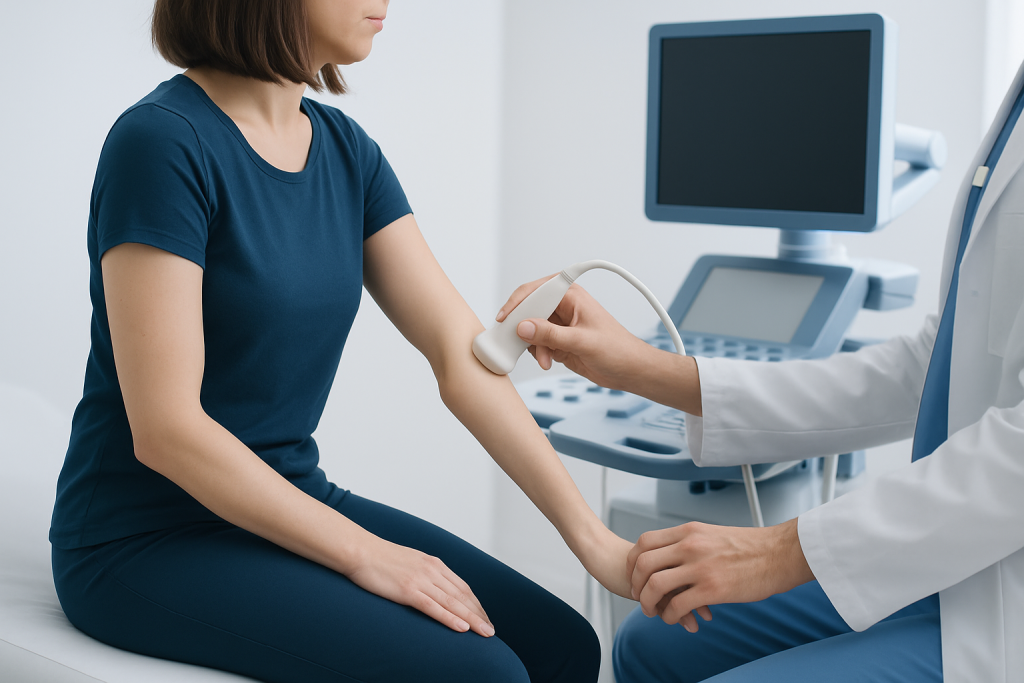
Hypermobility is often noticed when a person can bend, twist, or stretch a joint more than expected. Some people discover it during sports, dance, or yoga, while others only become aware of it after repeated discomfort or injury. The presentation can vary widely from one person to another.
When hypermobility causes problems, the symptoms are often mechanical: joints may ache after activity, feel loose or unstable, or seem to give way unexpectedly. Clicking, popping, recurrent sprains, and minor dislocations can also occur. Pain may be localized to one joint or spread across several areas, especially after long periods of standing, walking, or repetitive movement.
Some people also describe muscle tiredness, poor balance, or a need to consciously control movement because the body feels less supported than expected. In children, the issue may show up as frequent tripping, unusual sitting positions, or difficulty keeping up with sports that require repeated impact or direction changes.
- Joint pain or aching after activity
- Frequent sprains or strains
- Joint clicking, slipping, or instability
- Recurrent minor dislocations
- Muscle fatigue or poor endurance
Causes & Risk Factors

Joint flexibility is influenced by genetics, age, sex, body composition, muscle strength, and the natural make-up of connective tissue. Ligaments and tendons help hold joints in place, and when these tissues are looser than average, movement can extend further. This can be completely harmless in some people, but troublesome in others.
Hypermobility may run in families, and it is more commonly seen in children and in people assigned female at birth. Flexibility often decreases with age, although symptoms may become more noticeable later in life if repeated strain, a demanding job, or sports injuries have reduced joint support. Poor muscle conditioning around a joint can make instability feel worse even when the underlying flexibility has not changed.
Some people have hypermobility as part of a connective tissue disorder, such as hypermobile Ehlers-Danlos syndrome or other related conditions. That is why the broader pattern matters: a doctor may ask about skin texture, scar healing, dislocations, fatigue, digestive symptoms, or a family history of similar concerns, not just about flexible joints alone.
Diagnosis
Diagnosis starts with a conversation about symptoms, activities, injury history, and family background. A clinician will usually examine several joints to see how far they move and whether the pattern suggests generalized hypermobility or a problem limited to one body area. The assessment is guided by the person’s age, build, and daily function, not by flexibility alone.
One common part of the exam is a structured mobility assessment, often used together with a broader physical examination. The doctor may also check posture, muscle strength, balance, and whether joints show signs of overuse or inflammation. This helps separate hypermobility-related pain from arthritis, tendon problems, nerve issues, or previous injury.
Tests are not always required, but they may be useful when symptoms are significant or when another condition needs to be ruled out. Imaging, blood tests, or referral to specialists may be considered depending on the joint involved and the overall clinical picture. For international patients, bringing prior scans, reports, and a list of previous injuries can make the evaluation more efficient and focused.
Treatment Options
Treatment is usually aimed at improving control, reducing strain, and helping the person use joints more safely. In most cases, the goal is not to reduce flexibility itself, but to build stability around the joints so movement becomes more comfortable and predictable. This often involves a combination of exercise-based care, education, and symptom management.
Physiotherapy is often central. A therapist may design a program that strengthens the muscles supporting the affected joints, improves balance and coordination, and teaches movement strategies that avoid end-range stress. Occupational therapy can also help with daily tasks, workplace setup, and hand or wrist support when needed. Braces, taping, or splints may be recommended for selected joints, especially during activity or recovery from injury.
Knee Pain Relief: Causes and Treatment" class="ahp-ilk">Pain relief is individualized. Some people improve with rest after flare-ups, heat or cold, and gradual return to activity. Others may need medication advice from a doctor to manage discomfort safely. If hypermobility is linked to a broader connective tissue disorder, care may involve more than one specialist, because symptoms such as fatigue, recurrent dislocations, or autonomic complaints may need coordinated follow-up.
In a well-planned international treatment journey, the most helpful approach is often a team-based one: orthopedics, rehabilitation, and sometimes rheumatology or genetics working together to clarify the diagnosis and build a practical plan for home and travel recovery.
Prevention & Self-care
People with hypermobility cannot usually change the structure they were born with, but they can often reduce symptoms and injury risk. The most useful habits are the ones that protect joints from repetitive strain while keeping the muscles around them active and responsive. Consistency matters more than intensity.
Low-impact exercise is often better tolerated than sudden bursts of high-force activity. Walking, cycling, swimming, controlled resistance training, and guided mobility work can be helpful when introduced gradually. It is also wise to avoid repeatedly locking joints into their fullest range, especially during stretching, because that can increase irritation and looseness over time.
Day-to-day joint care may include pacing activities, using supportive footwear, taking breaks during long tasks, and paying attention to early warning signs such as swelling or persistent soreness. Good sleep, hydration, and balanced nutrition support recovery, although they do not replace physical therapy. If a person travels for care, they should plan ahead for follow-up appointments, home exercises, and access to local rehabilitation after returning home.
- Build strength before pushing flexibility
- Use controlled movement instead of forceful stretching
- Choose supportive shoes and equipment
- Break up repetitive tasks and long standing periods
- Follow a rehabilitation plan consistently
When to See a Doctor
Medical review is sensible if hypermobility is accompanied by pain, frequent injuries, or a feeling that joints are unstable. A doctor should also be consulted if the problem is affecting school, work, exercise, sleep, or confidence in movement. Early assessment can help prevent a cycle of repeated strain and reduced activity.
It is especially important to seek care if there are repeated dislocations, joint swelling, significant bruising, unexplained fatigue, or symptoms that seem to involve more than one body system. A clinician can determine whether the issue is isolated hypermobility, a hypermobility-related disorder, or another cause that needs different treatment. New or severe symptoms after an injury should also be checked promptly.
For people considering Herniated Disc Treatment Abroad: Injection, Rehab, or Surgery?" class="ahp-ilk">treatment abroad, a specialist consultation can help clarify whether rehabilitation alone is enough or whether further orthopedic evaluation is needed. Acibadem Health Point’s multidisciplinary specialists and JCI-accredited hospitals diagnose and treat this condition for international patients in a coordinated, patient-centered way.
Frequently asked questions
Is hypermobility always a problem?
No. Many people are naturally flexible and never develop symptoms. It becomes a medical issue mainly when it causes pain, instability, repeated injuries, or limits daily activity.
Can hypermobility cause joint pain?
Yes. Extra joint movement can place more stress on muscles, tendons, and ligaments, which may lead to aching or fatigue. The pain is often worse after repeated activity or long periods of standing.
How is hypermobility diagnosed?
A doctor usually diagnoses it through a history and physical examination, including tests of joint movement and stability. Additional tests may be used to rule out injury, inflammation, or a connective tissue disorder.
Does treatment mean stopping exercise?
Usually not. Most people do better with carefully chosen exercise that improves strength and control. The aim is to protect the joints while keeping the body active in a safe, gradual way.
Can hypermobility improve with age?
Flexibility often decreases over time, but symptoms do not always disappear on their own. If pain or instability continues, a rehabilitation-based plan can still make a meaningful difference.
When should repeated dislocations be taken seriously?
Repeated dislocations should always be assessed by a doctor, even if they seem to go back in place easily. They may indicate significant joint instability or an underlying connective tissue problem that needs structured care.
References
- National Institute of Arthritis and Musculoskeletal and Skin Diseases
- NHS
- Ehlers-Danlos Society
- World Health Organization
This article is for general information only and is not a substitute for professional medical advice. Please consult a qualified doctor about your individual situation.
More from the Health Library



Related Specialists

Prof. Dr. Ahmet Alanay
Orthopedic Surgery & Traumatology
Dr. Sinan Aksu
Orthopedic Surgery & Traumatology
Dr. Sirri Baştürk
Orthopedic Surgery & Traumatology
Prof. Dr. Korhan Özkan
Orthopedic Surgery & Traumatology