Curative vs Palliative Cancer Treatment

Key Takeaways
- Curative treatment aims to remove or eliminate cancer when that is medically realistic.
- Palliative treatment focuses on relieving symptoms, slowing disease, and supporting quality of life.
- The decision depends on cancer type, stage, spread, overall health, treatment response, and patient goals.
- Curative and palliative care can be used together in some situations.
- Patients can improve decisions by asking clear questions and discussing priorities, side effects, and travel or follow-up needs.
Medically reviewed by the Acıbadem clinical team — June 13, 2026
Oncologists weigh many medical and personal factors when deciding whether cancer treatment should aim to cure the disease, control it for as long as possible, or focus on comfort and quality of life. The right plan is individual, and it is often refined over time as the cancer and the patient’s goals change.
Overview
When people hear the word “treatment,” they often imagine one clear goal: to cure the cancer. In real oncology practice, the decision is usually more nuanced. Oncologists first ask what the cancer is biologically capable of doing, then they match that with what the patient’s body can safely tolerate and what the patient hopes life will look like during and after treatment.
Curative treatment is offered when there is a reasonable chance of eradicating the cancer or achieving long-term remission. Palliative treatment is chosen when cure is not likely, or when the burden of aggressive therapy would outweigh its benefits. That does not mean “nothing can be done.” Palliative care can still actively treat pain, breathlessness, nausea, blockage, bleeding, anxiety, and many other problems while also supporting the person and family.
For international patients, this decision may happen across borders and across time zones, which can make the conversation feel especially important. A careful treatment plan should account not only for medical findings, but also for practical realities such as travel fatigue, language support, local follow-up, and what kind of care can be continued safely at home.
What “curative” and “palliative” actually mean
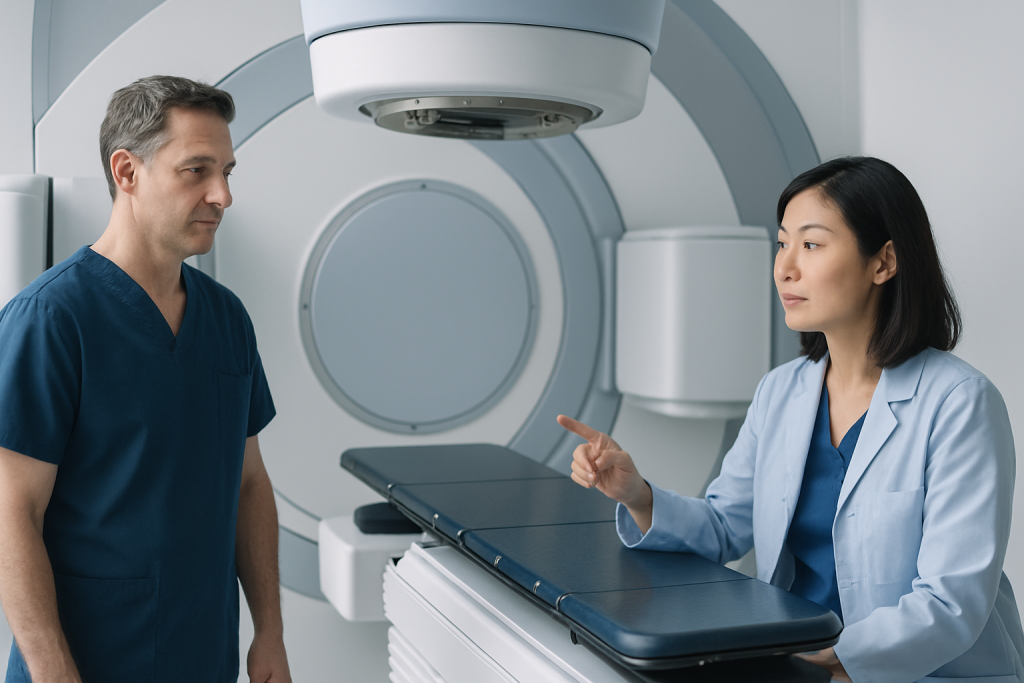
Curative treatment is designed with the goal of removing all detectable cancer and preventing it from returning. It may involve surgery, chemotherapy, radiotherapy, immunotherapy, hormone therapy, or a combination of these approaches, depending on the cancer type. In some cancers, cure is realistic even if treatment is demanding and requires close monitoring.
Palliative treatment is centered on comfort, function, and quality of life. It may also slow cancer growth or shrink tumors, but the main purpose is not cure. This can include pain control, symptom-relief procedures, radiation to ease local problems, or systemic therapy used in a lower-intensity or symptom-focused way.
These two goals are not always separate. Some patients receive treatment that is partly curative and partly palliative, especially when a cancer is treatable but not fully removable, or when a person wants active therapy while also prioritizing symptom relief. A skilled oncology team explains where a treatment fits on that spectrum and why it is recommended.
How oncologists make the decision

Oncologists look at the cancer first. They consider the type of cancer, where it started, whether it has spread, how fast it is growing, and whether it carries features that make it more or less responsive to specific therapies. A cancer caught at an earlier stage may be much more likely to be treated with curative intent than one that has spread widely or has resisted prior treatments.
The next question is the patient’s overall condition. Age alone does not decide anything. What matters more is organ function, energy level, nutrition, other medical problems, and whether the patient can safely undergo surgery, radiation, or drug therapy. The same cancer can lead to different plans in two people because their bodies and daily lives are different.
Finally, oncologists weigh the patient’s goals and values. Some people are ready to accept intensive treatment for even a small chance of long-term control, while others prioritize time at home, symptom relief, or avoiding prolonged hospital stays. Good oncology care includes honest discussion about likely benefits, burdens, and the possibility that the plan may need to change as more information becomes available.
- Can the cancer realistically be removed or controlled long term?
- Is the treatment likely to help more than it harms?
- What outcomes matter most to the patient?
- Are there safer or less burdensome alternatives?
Symptoms, stage, and response to treatment
Symptoms can influence treatment goals, but they do not determine them by themselves. A person with severe pain may still be treated with curative intent if the cancer is early and the medical team believes cure is possible. On the other hand, a person with few symptoms may still need palliative treatment if the disease has spread in a way that makes cure unrealistic.
Stage is often central to the discussion. Localized cancers may be treated more aggressively because the disease is confined and more likely to be eliminated. If the cancer has spread to distant organs, oncologists may shift toward disease control, symptom relief, or longer-term management rather than cure. Still, some advanced cancers respond very well to modern treatment, so stage is only one part of the picture.
Response to earlier treatment also matters. If a cancer shrinks significantly, a curative plan may remain on the table. If it grows despite treatment, the team may reassess whether the same approach still makes sense, whether a different therapy could help, or whether the focus should move more clearly toward comfort-oriented care. This is often a process, not a single decision made once and never revisited.
Tests and information that guide the plan
Oncologists rarely decide based on one scan or one biopsy report alone. They review pathology results, imaging studies, blood tests, tumor markers when appropriate, and sometimes molecular or genetic testing. These details can help show how aggressive the cancer is and whether it may respond to certain targeted or immune-based treatments.
They also consider functional assessments. Can the patient walk independently? Are the kidneys, liver, heart, and bone marrow working well enough for treatment? Is there significant weight loss or weakness? These practical questions matter because a treatment that looks effective on paper may not be tolerable in real life for a person who is already physically depleted.
In some cases, a multidisciplinary tumor board is involved. Surgeons, medical oncologists, radiation oncologists, pathologists, radiologists, and palliative care clinicians may all review the case. This broader discussion can be especially helpful for international patients seeking a second opinion or a treatment plan that must be coordinated across countries.
Treatment options when cure is the goal
Curative treatment often combines more than one method. Surgery may remove the main tumor, chemotherapy may target hidden cells, and radiation may reduce the risk of local recurrence. In some cancers, treatment before surgery can shrink the tumor and improve the chance of complete removal.
Even when cure is the aim, support care matters from the beginning. Managing nausea, pain, fatigue, infection risk, nutrition, and emotional strain helps patients complete treatment more safely. Many people assume palliative care is only for the final stage of illness, but in oncology it can be integrated early to help patients tolerate curative treatment better.
The oncologist may also discuss the chance of treatment-related long-term effects. If a plan is potentially curative but carries meaningful risks to swallowing, fertility, heart function, or mobility, those issues should be discussed openly before treatment starts. A thoughtful plan is not only about survival, but also about the kind of life that follows treatment.
Treatment options when the focus is palliative
Palliative oncology care is active, specialized care. It may include medicines for pain, anti-nausea treatment, constipation management, appetite support, oxygen when needed, or procedures to relieve obstruction or drainage problems. Radiation can be used to ease pain from bone metastases, reduce bleeding, or control pressure on nearby structures.
Sometimes systemic treatment is still used palliatively because it can shrink tumors, slow growth, or reduce symptoms even if it cannot cure the disease. The key difference is the goal: the team is aiming for better comfort, function, or time with meaningful activity, rather than complete eradication of cancer.
Psychological, social, and spiritual support are also part of palliative care. Patients may need help with sleep, anxiety, decision fatigue, family communication, or planning care in another country. When families understand that palliative care is about support and dignity, they often find the experience less overwhelming and more collaborative.
Prevention & self-care during decision-making
Patients can take an active role by asking for a clear explanation of the treatment goal. A simple question such as “Is this meant to cure the cancer, control it, or relieve symptoms?” can prevent confusion. It is also reasonable to ask what success would look like after one, three, or six months of treatment.
Keeping a written list of symptoms, medications, prior tests, and past treatments helps the oncology team make better decisions. This is particularly useful when care starts in one country and continues in another. If the patient is traveling for treatment, it helps to ask in advance how follow-up scans, lab work, and urgent concerns will be handled once they return home.
Self-care also means protecting energy and reducing avoidable stress. Balanced meals, gentle movement when allowed, rest, hydration, and support from family or friends can all make treatment easier to manage. Patients should never adjust prescribed treatment on their own, but they should report side effects early so the team can respond before small problems become larger ones.
When to see a doctor
Patients should speak with an oncologist promptly after a cancer diagnosis, before assuming that treatment must be either fully curative or fully palliative. Many cancers require a staged discussion in which the goal becomes clearer after imaging, biopsy review, and specialist input.
A doctor should also be contacted if symptoms change quickly, pain is harder to control, swallowing becomes difficult, new swelling appears, or a person seems weaker, more confused, or less able to eat and drink. These changes do not always mean the treatment plan has failed, but they do mean the plan may need adjustment.
Patients who are uncertain about their options may benefit from a second opinion, especially when the proposed treatment is intensive or the diagnosis is complex. In internationally coordinated care, Acibadem Health Point’s multidisciplinary specialists and JCI-accredited hospitals diagnose and treat this condition for international patients with coordinated communication and follow-up planning. The most important step is to keep the discussion open, realistic, and centered on the patient’s priorities.
Living with the decision
The choice between curative and palliative treatment is not a judgment about hope. It is a medical and personal decision about which path offers the best balance of benefit, burden, and meaning for that individual. For some patients, that balance favors aggressive treatment with a chance of cure. For others, it favors care that preserves comfort, independence, and time with loved ones.
Because cancer changes, the plan may also change. A curative plan can later become palliative if the disease returns or stops responding. A palliative plan can still include active treatments that improve symptoms and extend time. What matters most is that the patient understands the purpose of each step and feels supported in making it.
When patients and oncologists speak honestly about hopes, fears, practical limits, and quality of life, treatment decisions become clearer. That clarity does not remove uncertainty, but it often makes the journey more manageable and more human.
Frequently asked questions
Does palliative treatment mean the cancer is untreatable?
No. Palliative treatment means the main goal is comfort, symptom relief, or slowing the cancer rather than cure. Many people still receive active cancer treatment as part of palliative care.
Can curative and palliative care happen at the same time?
Yes. A person may receive cancer-directed therapy while also getting palliative support for pain, nausea, fatigue, anxiety, or other symptoms. This combined approach is common and often helpful.
What factors most influence whether treatment is curative?
The cancer type, stage, spread, response to testing, and the patient’s overall health are central factors. Oncologists also consider whether the expected benefit is realistic and whether the treatment can be tolerated safely.
Should families ask for a second opinion?
A second opinion is often appropriate, especially for complex cancers or when treatment goals are unclear. It can confirm the diagnosis, review options, and help the family feel more confident about the plan.
How do patients know what to ask their oncologist?
It helps to ask what the treatment goal is, what benefits are expected, what side effects are likely, and what would happen if the cancer does not respond. Patients can also ask how the plan affects daily life, travel, and follow-up care.
Does choosing palliative care mean giving up?
No. Choosing palliative care means focusing on quality of life, comfort, and the person’s priorities. It is a legitimate medical approach and can be an active, thoughtful choice.
References
- National Cancer Institute
- American Cancer Society
- World Health Organization
- European Society for Medical Oncology
- National Comprehensive Cancer Network
This article is for general information only and is not a substitute for professional medical advice. Please consult a qualified doctor about your individual situation.