What Follow-Up Is Needed After Breast Cancer Surgery if You Return Home Quickly?

Key Takeaways
- A discharge plan should clearly list wound care, medications, activity limits, and follow-up contacts before travel home.
- Pathology results may change the next treatment step, so they should be reviewed promptly with the surgical or oncology team.
- After going home, patients should watch for infection, fluid buildup, bleeding, arm swelling, fever, or worsening pain.
- Follow-up can often be coordinated between the hospital team and a local doctor or oncologist in the patient’s home country.
- Rehabilitation, mobility guidance, and emotional support are part of recovery, not extras.
Returning home soon after breast cancer surgery is common, but recovery still needs structured follow-up. The most important steps are wound checks, pathology review, symptom monitoring, and a clear plan for further treatment and local care.
Overview
Breast cancer surgery does not end when the operation is over; it begins a new stage of care. For patients who return home quickly after treatment, the most important task is making sure that the next steps are clear, practical, and shared between the surgical team and local doctors.
That handoff matters because early recovery includes several moving parts at once: wound healing, pain control, drain care if a drain is used, and the wait for final pathology results. Each of these can influence whether more treatment is needed, such as radiation, systemic therapy, or another operation.
When travel is involved, follow-up should be arranged before departure whenever possible. A good plan helps the patient feel less uncertain and gives the home-country care team the information needed to continue recovery safely.
What follow-up should be arranged before leaving the hospital?
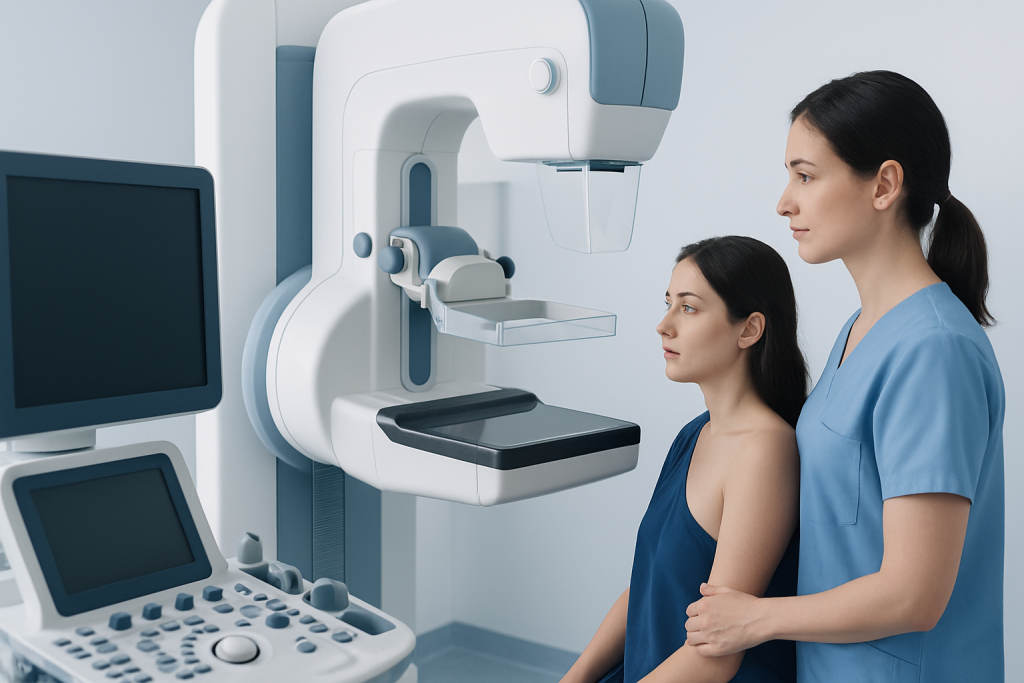
Before discharge, it is reasonable to ask a few practical questions:
- Who should be contacted if there is a problem during the flight or after arriving home?
- When will final pathology results be available, and how will they be shared?
- Are there restrictions on lifting, driving, bathing, or long-distance travel?
- Should compression garments, wound dressings, or drain supplies be used during travel?
- Which symptoms require urgent medical attention?
Symptoms and recovery signs to monitor at home

Travel itself can make symptom monitoring feel more complicated, especially if the patient is trying to interpret normal post-operative discomfort from a distance. A simple daily check can help: look at the incision, note pain levels, observe the arm and hand, and record any temperature changes if advised by the care team.
If symptoms are stable and improving, that is reassuring. If they are changing quickly or interfering with walking, sleeping, eating, or breathing, a doctor should be contacted promptly. Even when the problem turns out to be minor, early review often prevents unnecessary worry.
Causes & risk factors for closer follow-up
Some patients need more intensive follow-up than others after breast cancer surgery. The need is influenced by the type of operation, whether lymph nodes were removed, whether reconstruction was performed, and whether the patient has other medical conditions that may slow healing. Smoking, diabetes, poor nutrition, and prior radiation can also affect recovery.
Patients who travel home quickly may need extra coordination if they are expected to start additional cancer treatment soon. Final pathology may show whether the cancer had clear margins, whether lymph nodes were involved, or whether there are features that guide future therapy. Those results can change the next step even when the surgery itself went well.
Reconstruction can add another layer of follow-up because implants, tissue flaps, or expanders may require monitoring of their own. Drain management, scar care, and shoulder function may also need closer attention depending on how extensive the surgery was.
How diagnosis and pathology shape the next steps
International patients often benefit from asking for a plain-language summary of the pathology findings. Terms such as margins, grade, receptor status, and lymph node involvement can be difficult to interpret without context. A short explanation from the treating team can make later appointments far more efficient.
If the patient will continue care at home, the local doctor may need the pathology report, imaging images, and a copy of the operative note. Sharing these records early can reduce delays if additional treatment is planned. In some cases, this is the difference between a seamless transition and weeks of avoidable uncertainty.
Treatment options after surgery: why follow-up matters
Medication guidance also belongs in the follow-up plan. Patients should understand how to take pain medicine safely, which medicines should be avoided if they interfere with healing or other treatments, and what to do if nausea, constipation, or fatigue becomes a problem. Clear instructions reduce the chance of confusion when the patient is far from the original hospital.
Prevention & self-care during the first weeks
Travel precautions are worth planning carefully. On long trips home, the patient may need to walk periodically, avoid carrying heavy luggage on the treated side, and keep wound supplies and prescribed medicines within reach. If there is a drain, the team should explain how to secure it safely during transit.
It can help to create a small recovery folder with discharge papers, pathology reports, emergency contacts, and notes from the care team. For patients returning to another country, this folder becomes a bridge between hospitals and helps new doctors understand the operation quickly.
When to see a doctor
Urgent medical advice should be sought if the patient develops fever, shortness of breath, chest pain, sudden arm swelling, heavy bleeding, or rapidly worsening pain. A wound that opens, drains pus, or becomes very red and warm should also be reviewed promptly. These symptoms do not always mean a serious complication, but they should not be watched passively.
Non-urgent contact is still important if healing seems slower than expected, if drain output is unusual, if the patient cannot move the shoulder normally, or if there is confusion about the pathology report or next treatment step. A quick call or virtual visit can often clarify whether the patient needs an examination in person.
For international patients, it is reasonable to ask the original hospital for follow-up coordination before leaving the country. Acibadem Health Point’s multidisciplinary specialists and JCI-accredited hospitals can diagnose and treat breast cancer for international patients, and their teams can help support continuity of care when travel home is part of the recovery plan.
Frequently asked questions
How soon should follow-up happen after breast cancer surgery?
The first follow-up is often scheduled within days to a couple of weeks, depending on the operation and recovery. It usually focuses on the incision, drains if present, pain control, and early healing. The exact timing should be written in the discharge plan before the patient travels home.
What records should a patient take home after surgery?
A patient should leave with the operative note, pathology report or expected date for it, medication list, and written wound-care instructions. Imaging reports and contact details for the surgical team are also helpful. These documents make it easier for a local doctor to continue care.
Is it normal to feel tired and sore after surgery?
Yes, fatigue, mild pain, bruising, and pulling sensations are common in the early recovery period. These symptoms usually improve gradually. If pain worsens or new symptoms appear, the patient should contact a doctor.
What if final pathology results are not ready before traveling home?
That can happen, and it is usually manageable if a clear plan is in place. The patient should know exactly how the results will be shared and who will explain what they mean. The report may affect whether more treatment is recommended.
Can follow-up be done with a doctor in the patient’s home country?
Yes, often it can. The original surgical team and the local doctor can share records and coordinate the next steps. This works best when the patient takes home complete documentation and knows whom to contact for questions.
What signs suggest a wound problem after breast cancer surgery?
Redness that spreads, warmth, increasing swelling, pus-like drainage, fever, or a wound that opens are signs that should be checked. Mild bruising or soreness alone is usually expected early on. If there is any doubt, a doctor should review the wound.
References
- National Cancer Institute
- American Cancer Society
- NCCN Clinical Practice Guidelines in Oncology
- World Health Organization
- Breastcancer.org
This article is for general information only and is not a substitute for professional medical advice. Please consult a qualified doctor about your individual situation.