Breast Cancer Surgery Abroad: How Doctors Choose Between Lumpectomy, Mastectomy, and Reconstruction

Key Takeaways
- The choice between lumpectomy and mastectomy depends on tumor features, breast size, imaging results, and whether clear margins are likely.
- Breast reconstruction can be done during the same operation or later, depending on cancer treatment timing and personal preference.
- Before traveling for surgery, patients usually need pathology review, imaging, and a coordinated plan for anesthesia, hospital stay, and follow-up care.
- Recovery and surveillance continue after the operation, so international patients need a practical plan for wound care, pathology results, and communication with their home doctor.
Breast cancer surgery is planned around the tumor, the breast, and the person’s overall treatment goals. When care is sought abroad, patients often need a clear explanation of why one operation is recommended over another and how reconstruction fits into the plan.
Overview
Breast cancer surgery is not a single operation with a single path. For many patients, the real decision is between removing only the cancer and a rim of healthy tissue, removing the whole breast, or combining surgery with reconstruction to restore shape and symmetry. Doctors base that decision on the size and location of the tumor, the amount of breast tissue involved, imaging findings, and the person’s treatment goals.
For someone considering care abroad, the conversation often starts before travel is booked. A surgical team may review biopsy slides, mammograms, ultrasound, MRI scans, and previous treatment records to decide whether the cancer can be safely treated with breast-conserving surgery, whether mastectomy is the better oncologic choice, and whether reconstruction should happen right away or in a later stage. That early planning helps make the journey more predictable and lowers the chance of unexpected delays.
It also helps patients understand that “best” does not always mean “most extensive.” In many cases, lumpectomy followed by radiation can offer cancer control comparable to mastectomy for appropriately selected patients. In other situations, mastectomy provides a more suitable surgical margin or aligns better with the cancer’s extent or the patient’s wishes. Reconstruction is part of the discussion, not an afterthought.
Symptoms and Signs That Lead to Surgery
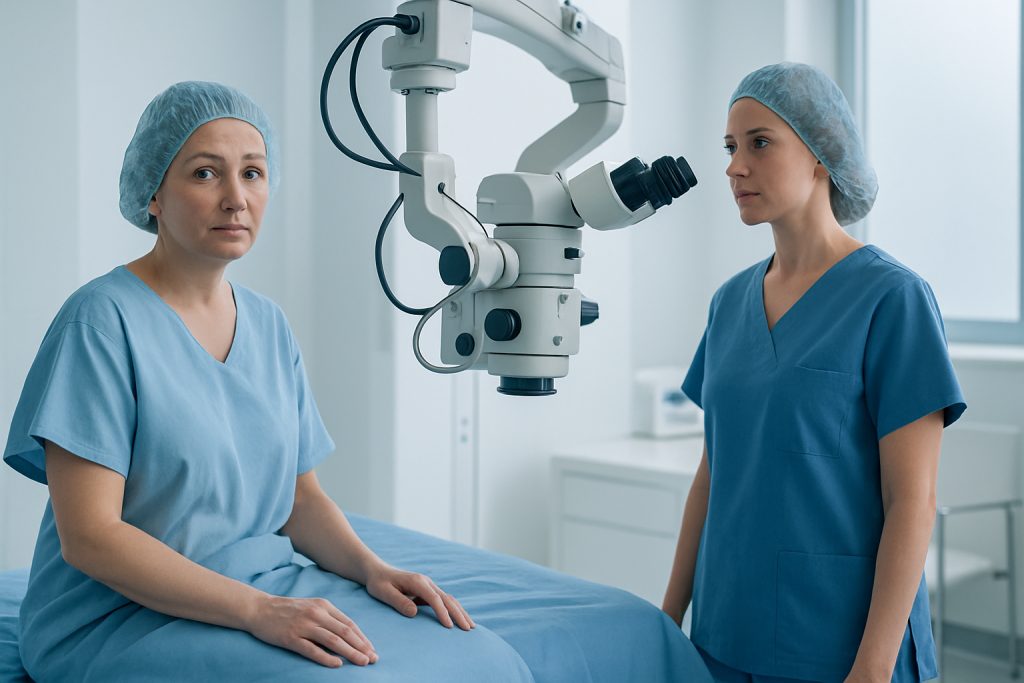
Breast cancer surgery is usually recommended after a diagnosis has already been made through biopsy. The signs that lead to evaluation can include a new lump, skin changes, nipple discharge, breast asymmetry, or findings on screening imaging. Some cancers are detected before they cause any symptoms, which is one reason surgery planning can feel sudden even when the diagnosis was found early.
Not every patient experiences the same picture. A small tumor may still require careful planning if it sits near the nipple, appears in more than one area, or has features that make clear margins difficult to achieve with a lumpectomy. Larger tumors, multicentric disease, or cancer involving a broad area of the breast can shift the discussion toward mastectomy.
Patients are also assessed for associated lymph node involvement, because that can influence the overall treatment plan. While lymph node surgery is not the same as breast removal, it is often discussed at the same time because it affects staging, recovery, and sometimes the order of treatment. A surgeon will try to connect the symptoms, the imaging, and the pathology into one coherent plan instead of making decisions from a single test result.
How Doctors Decide Between Lumpectomy, Mastectomy, and Reconstruction
The choice starts with cancer control. A lumpectomy, also called breast-conserving surgery, removes the tumor and a small surrounding margin of tissue. It is usually paired with radiation therapy afterward. This option may be appropriate when the tumor is small relative to the breast size, the cancer is localized, and a cosmetically acceptable result is likely.
Mastectomy removes most or all of the breast tissue. Doctors may recommend it when the cancer is spread across a large area, when there are multiple tumors in separate regions of the breast, when prior radiation limits the ability to safely treat the breast again, or when a patient prefers it after learning the trade-offs. Some people choose mastectomy for peace of mind or to simplify future surveillance, while others may feel more comfortable preserving breast tissue if oncologically safe.
Reconstruction is considered separately from the cancer operation itself, even when it is performed at the same time. Immediate reconstruction may use implants, tissue expanders, or the patient’s own tissue. Delayed reconstruction may be better when radiation is expected, when the patient needs additional therapy first, or when they prefer to focus on cancer treatment before cosmetic restoration. The right sequence depends on the cancer plan, the person’s health, and the expected healing timeline.
- Tumor size and location
- Breast size and shape
- Multifocal or multicentric disease
- Need for radiation or chemotherapy
- Genetic risk and family history
- Personal preference and tolerance for follow-up procedures
What Happens During Preoperative Evaluation
Patients traveling abroad often undergo a structured preoperative review before the operation is scheduled. The team may request original pathology reports, imaging discs, blood tests, and information about previous biopsies, surgery, or systemic treatment. If records are incomplete, the hospital may repeat certain tests to be sure the surgical plan is based on current information.
This stage is important because breast cancer surgery is usually part of a larger treatment pathway. A surgeon may coordinate with a medical oncologist, radiation oncologist, plastic surgeon, and anesthesiologist so that the operation fits the overall plan. For international patients, this coordination also includes practical matters such as length of stay, wound care after discharge, drains if needed, and when it is safe to fly home.
During consultation, patients are typically encouraged to ask how the surgeon expects the breast to look after a lumpectomy, whether a margin re-excision could be needed if pathology shows cancer at the edge, and whether reconstruction will delay radiation or chemotherapy. Clear answers at this stage reduce surprises later and make it easier to plan support at home.
Treatment Options in Detail
Lumpectomy is often chosen when the tumor can be removed with a rim of healthy tissue and the remaining breast is likely to retain a natural shape. It is generally less extensive than mastectomy and may offer a shorter initial recovery, but it does not remove the need for careful follow-up. Radiation therapy is commonly part of the plan after lumpectomy, because it helps lower the risk of cancer returning in the breast.
Mastectomy may be recommended when the cancer is too widespread for a breast-conserving approach, when repeated surgery would be likely after a lumpectomy, or when the patient and surgeon decide that removing the breast is the most appropriate option. Different mastectomy techniques exist, and some preserve the skin or nipple when it is safe to do so. The exact method depends on tumor location, skin involvement, and reconstruction plans.
Breast reconstruction can be immediate or delayed. Immediate reconstruction happens during the same operation as the mastectomy and may reduce the number of surgeries, though it is not suitable for everyone. Delayed reconstruction is often chosen when radiation is expected, when additional cancer therapy comes first, or when the patient wants more time to decide. The reconstructive approach may involve implants, expanders, or autologous tissue transfer, and each option has different healing patterns and follow-up needs.
Some patients also need sentinel lymph node biopsy or axillary surgery as part of the same treatment episode. Because these procedures affect swelling risk and shoulder comfort, the rehabilitation plan may include guidance on arm movement, scar care, and gradual return to normal activities.
Recovery, Travel Planning, and Follow-up
Recovery after breast cancer surgery depends on the type of operation performed and whether reconstruction was added. Lumpectomy recovery is often quicker, but patients still need to watch for pain, swelling, bruising, or signs of infection. Mastectomy and reconstruction usually require a longer healing period, especially if drains are placed or if tissue healing must be monitored closely.
For someone receiving treatment abroad, discharge planning matters just as much as the operation itself. The team should explain how to care for dressings, when to remove drains if they are used, what activity limits apply, and which symptoms warrant a prompt call. Patients also need a clear plan for pathology results, because the final tissue report can influence whether more surgery, radiation, or medication is recommended.
Travel after surgery should be discussed in advance. Flying too soon may not be advisable if drains are still in place, if pain control is unstable, or if complications need close observation. A good international care plan includes contact details for the surgical team, copies of operative notes and pathology reports, and guidance for follow-up with a doctor at home. If Acibadem Health Point is involved, its multidisciplinary specialists and JCI-accredited hospitals can diagnose and treat breast cancer for international patients while supporting coordinated follow-up after return travel.
Prevention and Self-care
There is no guaranteed way to prevent breast cancer surgery, because surgery is often needed once cancer has already been diagnosed. Still, people can support better outcomes by keeping regular screening appointments, reporting breast changes early, and bringing complete medical records to consultations. When cancer is found early, more surgical options are often available.
Self-care after surgery focuses on healing and observation rather than trying to “push through” recovery. Patients are usually advised to follow wound instructions carefully, stay active within their surgeon’s limits, and avoid lifting or strenuous upper-body movement until cleared. Gentle arm exercises may be recommended if lymph node surgery was performed, but they should only be done as directed by the care team.
Emotional recovery also deserves attention. Breast cancer surgery can affect body image, clothing choices, intimacy, and confidence, especially when treatment is taking place far from home. Some patients benefit from discussing reconstruction expectations in advance, speaking with a counselor, or connecting with a patient coordinator who can help translate medical plans into manageable next steps.
When to See a Doctor
Patients should contact their surgical team promptly if they notice increasing redness, fever, drainage, worsening pain, sudden swelling, shortness of breath, or any wound opening after surgery. These symptoms do not always signal a serious problem, but they deserve medical review, especially in the first days and weeks after the operation.
Before surgery, a doctor should be consulted if the diagnosis is unclear, if new breast findings appear, or if the patient has questions about whether lumpectomy, mastectomy, or reconstruction best fits the cancer plan. A second opinion can be useful when the recommended operation feels more extensive than expected, or when a patient is deciding whether to travel abroad for care.
After treatment, ongoing follow-up is important even when recovery seems smooth. The cancer team may recommend surveillance visits, imaging, or additional therapy depending on the pathology report and the broader treatment plan. For international patients, the key is not only choosing the right surgery, but also making sure the next steps are fully mapped out before the return flight home.
Frequently asked questions
How do doctors decide between lumpectomy and mastectomy?
They look at the tumor’s size, location, and spread, along with breast size, imaging results, and whether clear margins are likely. They also consider the patient’s preferences, radiation plans, and any genetic or family-history factors that may affect long-term risk.
Is reconstruction always done at the same time as mastectomy?
No. Reconstruction can be immediate or delayed, and the best timing depends on the need for radiation, chemotherapy, overall health, and personal preference. Some patients choose to delay reconstruction until cancer treatment is fully completed.
Will I need radiation after lumpectomy?
Radiation is commonly recommended after lumpectomy because it helps reduce the chance of cancer returning in the breast. The exact plan depends on the pathology report and the overall treatment strategy.
Can I travel home soon after breast cancer surgery abroad?
That depends on the operation, whether drains are in place, how the wounds are healing, and whether any complications need monitoring. The surgical team should give specific guidance on timing and provide documents for follow-up care at home.
What if my final pathology results are different from the biopsy?
That can happen, which is why the final tissue report matters so much. It may confirm the plan or, in some cases, lead to a recommendation for additional surgery or another treatment step.
Is breast-conserving surgery always less serious than mastectomy?
Not necessarily. Lumpectomy is less extensive in terms of tissue removal, but it still requires careful follow-up and is usually paired with radiation. The most appropriate option is the one that balances cancer control, healing, and the patient’s goals.
References
- National Cancer Institute
- American Cancer Society
- American Society of Breast Surgeons
- World Health Organization
- NCCN Clinical Practice Guidelines in Oncology
This article is for general information only and is not a substitute for professional medical advice. Please consult a qualified doctor about your individual situation.
More from the Health Library

Persistent Fatigue: The Most Common Causes Doctors Try to Rule Out First

Sleep Checkups Abroad: When Snoring Is a Symptom and When It Needs Testing