Early-Stage Breast Cancer: When Lumpectomy May Be Enough and When It Is Not

Key Takeaways
- Lumpectomy removes the cancer with a rim of healthy tissue and is one form of breast-conserving surgery.
- It may be enough when the tumor is small, localized, and can be fully removed with clear margins.
- More extensive surgery or additional treatment may be needed if the cancer is large, multifocal, aggressive, or if clear margins cannot be achieved.
- Radiation therapy is commonly recommended after lumpectomy to lower the chance of cancer returning in the breast.
- Treatment decisions are individualized and should consider pathology results, genetic findings, overall health, and personal preferences.
Early-stage breast cancer treatment often begins with a discussion about whether breast-conserving surgery, also called lumpectomy, can remove the cancer safely while preserving most of the breast. Whether it is enough depends on the tumor’s size, location, biology, and how the cancer behaves on imaging and biopsy.
Overview
For many people with early-stage breast cancer, the first big question is not simply whether the cancer can be removed, but how it can be removed in a way that fits the person’s body, diagnosis, and life plans. Lumpectomy, also called breast-conserving surgery, removes the tumor and a small border of nearby healthy tissue while keeping most of the breast intact.
It is often a good option when the cancer is found early and appears limited to one area. In those situations, lumpectomy can offer cancer control similar to mastectomy for many patients, especially when it is followed by radiation therapy when recommended. The decision is not automatic, however; it depends on several medical details that are reviewed carefully before treatment begins.
For international patients, these decisions may be made within a short window after diagnosis, sometimes while also arranging travel, second opinions, pathology review, and surgery dates abroad. That makes it especially important to understand which findings support a breast-conserving approach and which findings suggest that a different plan may be safer or more complete.
What a Lumpectomy Actually Does
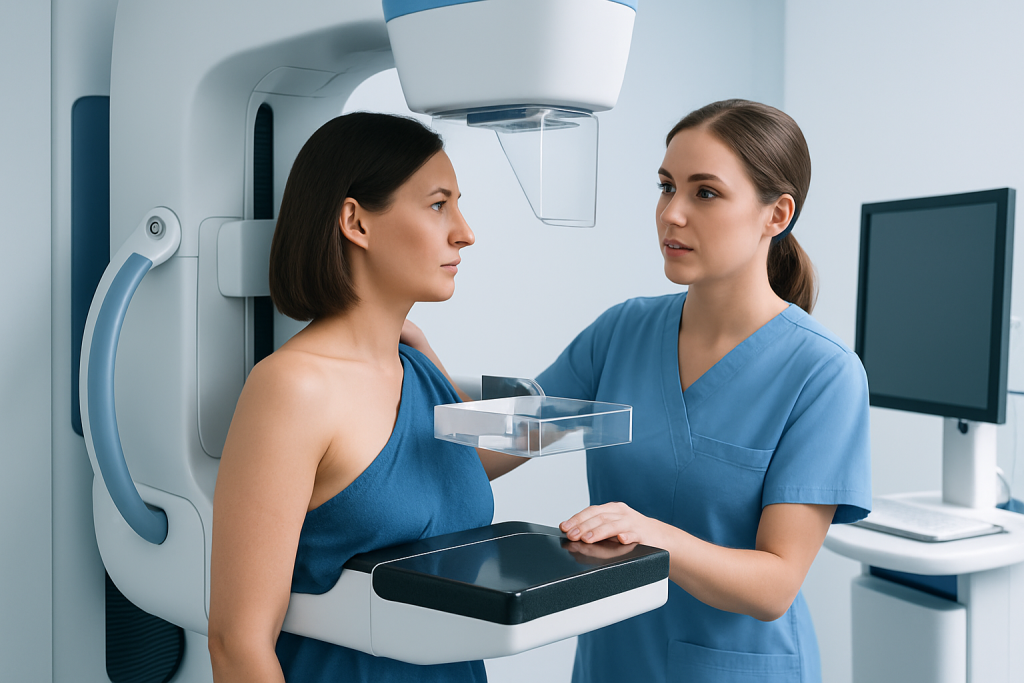
Lumpectomy aims to remove the visible cancer while preserving as much normal breast tissue as possible. Surgeons usually plan the operation around imaging, biopsy results, and the tumor’s position in the breast. In some cases, a sentinel lymph node biopsy is performed at the same time to check whether the cancer has spread to nearby lymph nodes.
After the tissue is removed, a pathologist examines it to confirm the diagnosis and to see whether the edges, called margins, are free of cancer cells. Clear margins matter because they suggest that the cancer has been removed completely from the area that was operated on.
Some people are surprised to learn that lumpectomy is not always the final step. If the pathology report shows close or involved margins, or if the tumor has features that make recurrence more likely, additional surgery, radiation, hormone therapy, or other treatments may be recommended. The plan is often adjusted once the pathology report is available.
When Lumpectomy May Be Enough

Lumpectomy is most likely to be appropriate when the breast cancer is early, localized, and technically removable with a good cosmetic result. Tumors that are small relative to the size of the breast, confined to one area, and not widely spread in the breast are often strong candidates for this approach.
Doctors also consider the tumor’s biology. Hormone receptor-positive cancers, some HER2-positive cancers, and certain low-risk tumors may be treated successfully with lumpectomy plus the recommended additional therapies. The goal is not only to remove the tumor, but also to reduce the chance that the cancer returns in the breast or elsewhere in the body.
Typical features that can support lumpectomy include:
- A single tumor that can be fully removed
- Clear ability to achieve negative margins
- Breast size and tumor location that allow acceptable shaping after surgery
- No evidence of extensive disease elsewhere in the breast
- A treatment plan that can include radiation when indicated
For many patients, preserving the breast is emotionally and physically meaningful. Still, the strongest surgical choice is the one that gives the best chance of complete treatment, not the one that simply sounds least invasive.
When Lumpectomy May Not Be Enough
There are also situations where lumpectomy is not the best option, or where it may be attempted but later found to be insufficient. One common reason is tumor extent. If the cancer is large compared with the breast, it may be difficult to remove completely and still leave a good shape.
Another reason is multifocal or multicentric disease, meaning more than one cancer focus is present in different areas of the breast. In those cases, removing one lump may leave behind other sites of disease. Persistent positive margins after repeat surgery can also signal that a wider operation may be needed.
Other findings that may make lumpectomy less suitable include:
- Extensive ductal carcinoma in situ across a broad area
- Inflammatory breast cancer
- Diffuse malignant calcifications or widespread abnormal imaging findings
- A strong genetic risk profile in some patients, depending on the overall situation
- Prior radiation to the breast, which may limit additional radiation treatment after lumpectomy
Sometimes the issue is not that lumpectomy is impossible, but that it would not allow the safest or most definitive treatment. In those cases, the team may discuss mastectomy or other tailored options.
How Doctors Decide
The decision is built from several layers of information. Imaging such as mammography, ultrasound, and breast MRI may show the size and spread of the tumor more clearly than a biopsy alone. The pathology report then adds important details about grade, receptor status, and whether the cancer appears to be behaving aggressively.
Doctors also review the person’s medical history, age, breast size, prior breast procedures, and whether radiation therapy would be feasible after surgery. If the cancer was found during screening, there may be more room for breast-conserving treatment. If symptoms prompted the diagnosis, additional evaluation may be needed before a surgical plan is chosen.
In modern breast cancer care, these decisions are often made by a multidisciplinary team. Surgeons, medical oncologists, radiation oncologists, radiologists, and pathologists each contribute a different part of the picture. For international patients, this team-based review can be especially useful because it helps consolidate complex decisions into a coordinated plan rather than a series of disconnected appointments.
Diagnosis and Staging Before Surgery
Before a lumpectomy is scheduled, the cancer is usually staged to determine how far it has spread. Staging does not always require every possible test, but it usually includes a careful review of the breast, nearby lymph nodes, and sometimes additional imaging if there are specific concerns.
A biopsy confirms whether the mass is cancer and identifies the type of breast cancer. The pathology report often includes hormone receptor status, HER2 status, and grade. These features are important because they guide both the surgical plan and the treatments that may follow surgery.
If the team suspects the tumor is too large for immediate breast-conserving surgery, neoadjuvant therapy may be discussed. This means treatment such as chemotherapy, targeted therapy, or hormone therapy is given before surgery to shrink the cancer and possibly make lumpectomy possible later. That approach is not right for every patient, but it can expand options in selected cases.
Treatment Options After Lumpectomy
Lumpectomy is often part of a broader treatment plan rather than a standalone procedure. Radiation therapy is commonly recommended after breast-conserving surgery to lower the risk of the cancer returning in the same breast. The exact radiation schedule depends on the cancer type, surgical findings, and the care team’s recommendations.
Some patients also need systemic treatment. Hormone therapy may be advised for hormone receptor-positive breast cancer. HER2-targeted therapy may be used when the cancer expresses HER2. Chemotherapy may be recommended if the biology or stage suggests a meaningful benefit. These therapies do not replace surgery; instead, they work with surgery to treat disease that may be microscopic or beyond the surgical field.
If the final pathology report shows involved margins or a larger extent of disease than expected, a second operation may be needed. In other cases, a switch to a different surgical plan may be discussed. The treatment path is often refined after surgery because pathology gives the clearest picture of what was removed.
Recovery, Follow-up, and Self-care
Recovery after lumpectomy is often shorter than after larger breast operations, but it still deserves care and attention. Most patients need guidance on wound care, managing discomfort, and gradually returning to normal movement. If lymph node surgery was done, arm and shoulder exercises may help prevent stiffness, and the team may explain what sensations are normal during healing.
Follow-up matters because breast cancer treatment does not end when the incision heals. Appointments are usually scheduled to review the pathology report, confirm whether any additional therapy is needed, and plan surveillance imaging. If treatment takes place away from home, clear follow-up instructions are especially important so care can continue smoothly once the patient returns to their country.
Helpful self-care habits include:
- Following the wound-care instructions given by the surgical team
- Reporting fever, increasing redness, drainage, or worsening swelling
- Keeping all oncology appointments, even if the breast looks and feels healed
- Asking when to resume exercise, travel, work, and lifting
- Bringing biopsy and imaging records to every follow-up visit
Frequently asked questions
Is lumpectomy the same as breast-conserving surgery?
Yes. Lumpectomy is a type of breast-conserving surgery that removes the tumor and a margin of healthy tissue while keeping most of the breast. Some people also use the term partial mastectomy, though the wording may vary by country and hospital.
Does lumpectomy mean the cancer is completely gone?
Lumpectomy removes the known tumor from the breast, but doctors still look at the margin status and the full pathology report to judge whether more treatment is needed. Radiation or other therapies are often recommended to reduce the chance of recurrence.
When is mastectomy preferred instead of lumpectomy?
Mastectomy may be preferred when the cancer is too extensive for a safe breast-conserving operation, when there are multiple separate tumor areas, or when clear margins cannot be achieved. The best option depends on the individual diagnosis, imaging, and pathology findings.
Will radiation always be needed after lumpectomy?
Radiation is commonly recommended after lumpectomy, especially for invasive breast cancer and many cases of ductal carcinoma in situ. In some carefully selected situations it may be omitted, but that decision should be made only with the oncology team.
Can a tumor be made small enough for lumpectomy with treatment before surgery?
Yes, sometimes neoadjuvant therapy is used before surgery to shrink the cancer and make breast-conserving surgery possible. This is considered when the tumor’s type and stage suggest that pre-surgical treatment could help.
What should an international patient bring to a breast cancer consultation abroad?
It helps to bring biopsy results, pathology reports, mammogram and MRI images, prior treatment records, and a list of current medications and allergies. Having complete records makes it easier for the team to confirm whether lumpectomy is appropriate and to plan the next steps efficiently.
Can Acibadem Health Point help with breast cancer surgery planning?
Acibadem Health Point’s multidisciplinary specialists and JCI-accredited hospitals diagnose and treat breast cancer for international patients, helping them understand whether breast-conserving surgery is suitable. The care team can also coordinate evaluation, surgery, and follow-up planning across specialties.
References
- National Cancer Institute
- American Cancer Society
- American Society of Clinical Oncology
- National Comprehensive Cancer Network
- World Health Organization
This article is for general information only and is not a substitute for professional medical advice. Please consult a qualified doctor about your individual situation.