Polycystic Ovary Syndrome: When Lifestyle Changes Are Not Enough

Key Takeaways
- PCOS affects more than periods; it can influence ovulation, skin, weight, and insulin balance.
- Healthy eating, movement, sleep, and stress care can improve symptoms, but they may not be enough on their own.
- Treatment is usually individualized and may include medicines for cycle control, insulin resistance, acne, or fertility.
- Diagnosis is based on symptoms, hormone evaluation, and sometimes ultrasound and metabolic testing.
- Regular follow-up matters because PCOS can change over time and may raise the risk of diabetes and other health issues.
Medically reviewed by the Acıbadem clinical team — June 13, 2026
Polycystic ovary syndrome (PCOS) is a common hormone-related condition that can affect periods, skin, fertility, and metabolic health. Lifestyle changes can help, but many people need a broader treatment plan to manage symptoms and protect long-term health.
Overview
Polycystic ovary syndrome, often called PCOS, is a hormonal condition that can affect how the ovaries work. For many people, the first signs appear as irregular periods, stubborn acne, excess facial or body hair, or difficulty getting pregnant. Others notice weight gain, thinning hair on the scalp, or no obvious symptoms at all until blood tests or a fertility evaluation bring the pattern into focus.
When people hear that lifestyle changes are part of PCOS care, they sometimes expect diet and exercise to solve everything. In real life, the picture is more nuanced. Healthy habits can improve insulin sensitivity, support ovulation, and ease some symptoms, but PCOS is a medical condition that often needs additional treatment. The right plan depends on the person’s age, symptoms, goals, and whether the priority is cycle regulation, skin concerns, fertility, or metabolic health.
That is why PCOS care is rarely one-size-fits-all. A thoughtful evaluation helps clarify what is driving the symptoms and which options are most likely to help. For someone planning a trip abroad for care, it can be useful to know that PCOS is commonly managed with coordinated input from gynecology, endocrinology, nutrition, and fertility specialists, especially when symptoms overlap with diabetes risk or reproductive planning.
Symptoms
PCOS can look different from one person to another, and symptoms may change with age. A person may have long gaps between periods, very light periods, or no periods for months. Some people also have signs of higher androgen levels, such as acne, unwanted hair growth on the face, chest, or abdomen, or hair thinning at the crown of the head.
Less visible symptoms matter too. Many people with PCOS describe fatigue, difficulty with weight management, sugar cravings, or a sense that their body responds differently to food and exercise than expected. Mood changes, sleep difficulties, and anxiety can also occur, though they are not unique to PCOS and deserve their own evaluation.
Fertility concerns are another common reason PCOS comes to medical attention. Because ovulation may happen less often or unpredictably, pregnancy can take longer to achieve. Still, PCOS does not mean pregnancy is impossible; it usually means the timing of ovulation may need closer attention and, in some cases, medical support.
- Irregular, infrequent, or absent periods
- Acne or oily skin
- Excess facial or body hair
- Scalp hair thinning
- Weight gain or difficulty losing weight
- Infertility or delayed conception
Causes & Risk Factors
The exact cause of PCOS is not fully understood, and it is likely influenced by several factors. Insulin resistance is common, meaning the body has to produce more insulin to keep blood sugar controlled. Higher insulin levels can affect ovulation and may contribute to increased androgen production, which in turn can drive acne, hair growth, and cycle changes.
Genetics also play a role. PCOS tends to run in families, suggesting that inherited traits can influence how hormones, metabolism, and ovarian function interact. Environment and body weight may affect how strongly symptoms appear, but PCOS can occur in people of many different body sizes.
Some risk factors are associated with a greater chance of PCOS being recognized, including a family history of PCOS or type 2 diabetes, early signs of insulin resistance, and menstrual irregularity beginning soon after puberty. It is important to remember that risk factors do not confirm the diagnosis; they simply guide clinicians to look more closely when symptoms are present.
Diagnosis
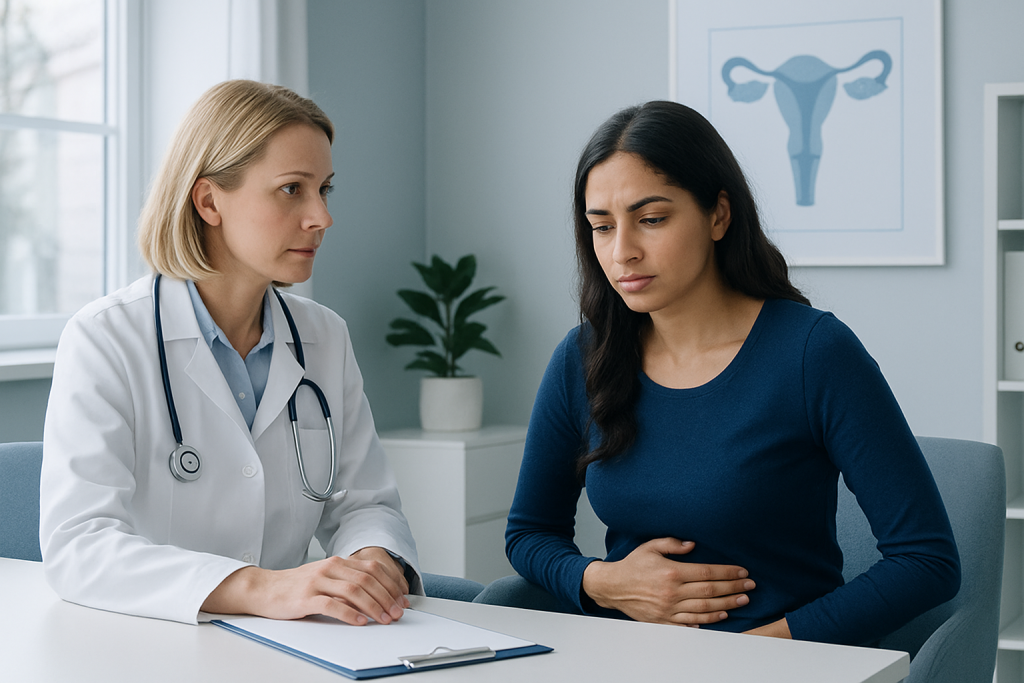
PCOS is diagnosed through a combination of medical history, physical examination, and selected tests. A clinician will usually ask about menstrual patterns, acne, hair growth, weight changes, fertility goals, and any family history of diabetes or hormone-related conditions. The goal is not just to label the condition, but to rule out other causes of similar symptoms.
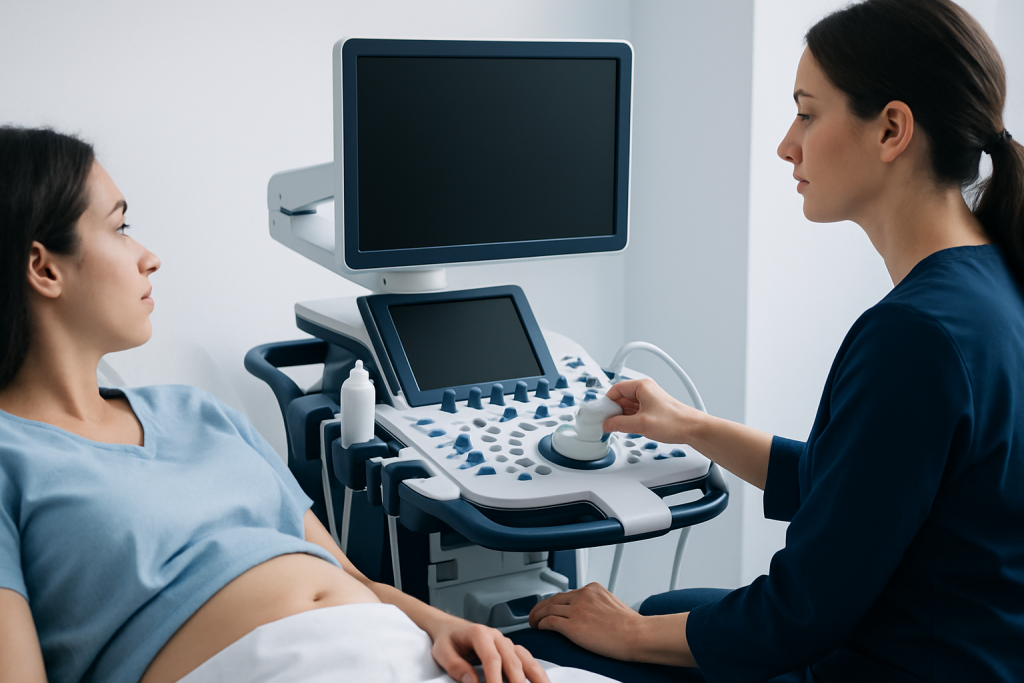
Blood tests may be used to assess hormone levels and to check for conditions that can mimic PCOS, such as thyroid disorders, elevated prolactin, or other endocrine problems. Metabolic testing is also common because PCOS can be linked with insulin resistance, prediabetes, and cholesterol changes. In some cases, an ultrasound may be used to look at the ovaries, although ultrasound findings alone do not establish the diagnosis.
For an international patient, a complete workup can be especially helpful before returning home, because it creates a clearer treatment roadmap. Bringing prior test results, medication lists, and menstrual history can make the assessment more efficient and reduce repeat testing. A diagnosis is most useful when it leads to a practical, individualized plan rather than simply confirming what a person already suspects.
Treatment Options
When lifestyle changes are not enough, treatment is usually tailored to the main concern. If the priority is cycle control and protection of the uterine lining, clinicians may recommend hormonal treatment such as combined hormonal contraception or other cycle-regulating options. These approaches can also help reduce acne and excess hair growth in some people.
If insulin resistance is a major feature, medication may be considered alongside nutrition and physical activity. Metformin is commonly discussed in PCOS care because it can support metabolic health and may help with cycle regularity in some patients. It is not the answer for everyone, but it can be useful when blood sugar concerns are part of the picture.
For acne or unwanted hair, treatment may include dermatologic or hormonal strategies. Hair removal methods, topical therapies, and, in selected cases, anti-androgen medications may be considered under medical supervision. Fertility-focused treatment is different again: people trying to conceive may need ovulation induction, monitoring, or referral to a fertility specialist. In more complex situations, especially when there are overlapping concerns about weight, diabetes risk, or infertility, care from several specialists can make the plan more coherent and easier to follow.
- Cycle regulation and protection of the uterus
- Metabolic support for insulin resistance or prediabetes
- Acne and hair-growth management
- Ovulation support for pregnancy planning
- Emotional and sleep-related support when needed
Prevention & Self-care
PCOS itself cannot always be prevented, especially when family history plays a role. Still, self-care can reduce symptom burden and support overall health. Gentle, sustainable habits tend to work better than strict short-term plans, particularly because PCOS care often needs to be maintained over time rather than pursued as a quick fix.
Nutrition choices that help steady blood sugar may be useful, such as emphasizing fiber, protein, and minimally processed foods while limiting highly refined carbohydrates when possible. Regular movement supports insulin sensitivity and mood, and it does not need to be extreme to matter. Sleep, stress management, and realistic weight goals can also influence how manageable symptoms feel.
It is also wise to keep track of periods, symptoms, and any treatment changes. That record becomes valuable when follow-up happens across borders or through a remote consultation, since it helps the clinician see patterns rather than isolated events. For many people, the most effective self-care is not perfection; it is consistency, observation, and timely adjustment when the body is signaling that the current plan needs more support.
- Track periods and symptom patterns
- Choose balanced meals and regular physical activity
- Prioritize sleep and stress reduction
- Follow treatment plans consistently
- Attend routine follow-up for metabolic and reproductive health
When Lifestyle Changes Are Not Enough
There are clear signs that a person may need more than diet and exercise alone. Periods that remain absent or very irregular, worsening acne or hair growth, ongoing difficulty with weight management, or persistent fertility concerns all suggest that medical treatment should be added to the plan. The same is true if blood tests show prediabetes, cholesterol changes, or other metabolic concerns.
It can be frustrating to feel that efforts are not paying off. PCOS often improves gradually, and the body may need several approaches working together before symptoms ease. That is not a sign of failure; it is a reminder that the condition has both hormonal and metabolic dimensions, so treatment may need to address more than one pathway at once.
Medical support is particularly important when periods stop for long stretches, because the uterine lining may be exposed to unopposed estrogen without regular shedding. That issue is usually manageable, but it should not be ignored. A clinician can explain whether cycle protection, fertility treatment, metabolic therapy, or a combination of these is the most appropriate next step.
When to See a Doctor
A doctor visit is sensible when menstrual cycles are consistently irregular, when acne or hair growth is persistent and distressing, or when weight-related changes are accompanied by symptoms that suggest hormone imbalance. It is also important to seek evaluation when pregnancy has not occurred after a period of trying, especially if periods are infrequent or unpredictable.
Prompt assessment is recommended if there is heavy bleeding after long gaps without a period, if symptoms are getting worse quickly, or if there are signs of diabetes such as increased thirst, frequent urination, or unexplained fatigue. These symptoms do not necessarily mean something serious is happening, but they do deserve a structured medical review.
Acibadem Health Point’s multidisciplinary specialists and JCI-accredited hospitals diagnose and treat PCOS for Myomectomy Recovery for International Patients: The Usual Travel Timeline" class="ahp-ilk">international patients, which can be helpful when care needs to combine hormonal, metabolic, and fertility expertise. Whether care is sought locally or abroad, the main goal is the same: to build a plan that fits the person’s symptoms and long-term health needs.
Living Well With PCOS Over Time
PCOS is usually a long-term condition, but long-term does not mean unmanageable. Many people do best when treatment is revisited as life circumstances change, such as when pregnancy becomes a goal, symptoms shift, or metabolic health needs closer attention. A plan that made sense at age 22 may need to be updated at 32.
Because PCOS can touch several aspects of health at once, follow-up is often more useful than a single appointment. Period patterns, blood sugar, cholesterol, weight changes, skin symptoms, and emotional well-being all provide clues about whether the current approach is working. Patients who understand what each part of the plan is meant to do usually feel more confident making adjustments with their clinician.
With the right combination of medical care and practical self-management, many people with PCOS are able to control symptoms, protect fertility when needed, and reduce future health risks. The key is recognizing when lifestyle support should be paired with medical treatment rather than waiting for symptoms to settle on their own.
References
World Health Organization
American College of Obstetricians and Gynecologists
Endocrine Society
National Institutes of Health
MedlinePlus
Frequently asked questions
Can PCOS improve with lifestyle changes alone?
Lifestyle changes can help many people with PCOS, especially by improving insulin sensitivity and supporting regular cycles. However, some symptoms persist without medical treatment, so the best plan often combines healthy habits with targeted therapy.
Does PCOS always cause infertility?
No. PCOS can make ovulation less predictable, which may make pregnancy take longer to achieve, but it does not mean pregnancy is impossible. Many people conceive with time, monitoring, or treatment support.
Why are periods important in PCOS?
Irregular or absent periods can be a clue that ovulation is not happening regularly. They also matter because long gaps between periods may allow the uterine lining to build up, which is why cycle management is part of treatment.
Is weight loss required to manage PCOS?
Not everyone with PCOS needs to lose weight, and symptoms can occur at many body sizes. If weight is part of the picture, even modest changes may help, but treatment should never rely on weight alone.
What tests are usually done for PCOS?
Doctors often review menstrual history, symptoms, and family history, then use blood tests to check hormones and metabolic health. An ultrasound may also be used, but the diagnosis is based on the whole clinical picture rather than one test.
When should fertility treatment be considered?
Fertility treatment may be considered when someone is trying to conceive and ovulation is infrequent or unpredictable. A clinician can help decide whether lifestyle measures, ovulation induction, or referral to a fertility specialist is the most appropriate next step.
References
- World Health Organization
- American College of Obstetricians and Gynecologists
- Endocrine Society
- National Institutes of Health
- MedlinePlus
This article is for general information only and is not a substitute for professional medical advice. Please consult a qualified doctor about your individual situation.
More from the Health Library



Related Specialists

Prof. Dr. A. Taner Usta
Gynecology & Obstetrics
Prof. Dr. Ahmet Tayyar
Gynecology & Obstetrics
Prof. Dr. Ahmet Cem Batukan
Gynecology & Obstetrics
Dr. Sevgi Selen
Gynecology & Obstetrics