

How Doctors Decide Between Fusion and Motion-Preserving Spine Procedures

Key Takeaways
- Fusion is designed to stabilize a spinal segment when movement is part of the problem.
- Motion-preserving procedures aim to maintain flexibility while treating pain or nerve compression.
- The decision depends on the exact spinal condition, not just the severity of pain.
- Imaging, symptom pattern, and physical examination all help guide treatment planning.
- Recovery, follow-up, and long-term spine health should be discussed before surgery is chosen.
Medically reviewed by the Acıbadem clinical team — June 13, 2026
When spine symptoms do not improve with conservative care, doctors may consider either fusion or a motion-preserving procedure. The best choice depends on the diagnosis, spinal stability, nerve involvement, age, activity level, and overall health.
Overview
When people hear that they may need spine surgery, one of the first questions is not only whether surgery is needed, but which kind. For some spinal problems, doctors may recommend fusion, which joins two or more vertebrae so they move as one unit. For other situations, a motion-preserving procedure may be a better fit because it treats the painful area while keeping as much movement as possible.
The choice is rarely based on a single scan or a single symptom. Doctors weigh the source of pain, the amount of spinal instability, the presence of nerve compression, the health of the surrounding discs and joints, and the patient’s daily demands. That balance matters even more for people traveling from another country for care, because treatment planning should also account for recovery time, follow-up needs, and how safely the person can continue rehabilitation once home.
It helps to think of the decision as matching the operation to the problem. Fusion is often chosen when stability is the priority. Motion-preserving surgery is often considered when movement can be maintained without sacrificing safety or symptom relief. Neither approach is automatically “better”; each serves a different purpose.
Symptoms Doctors Look At
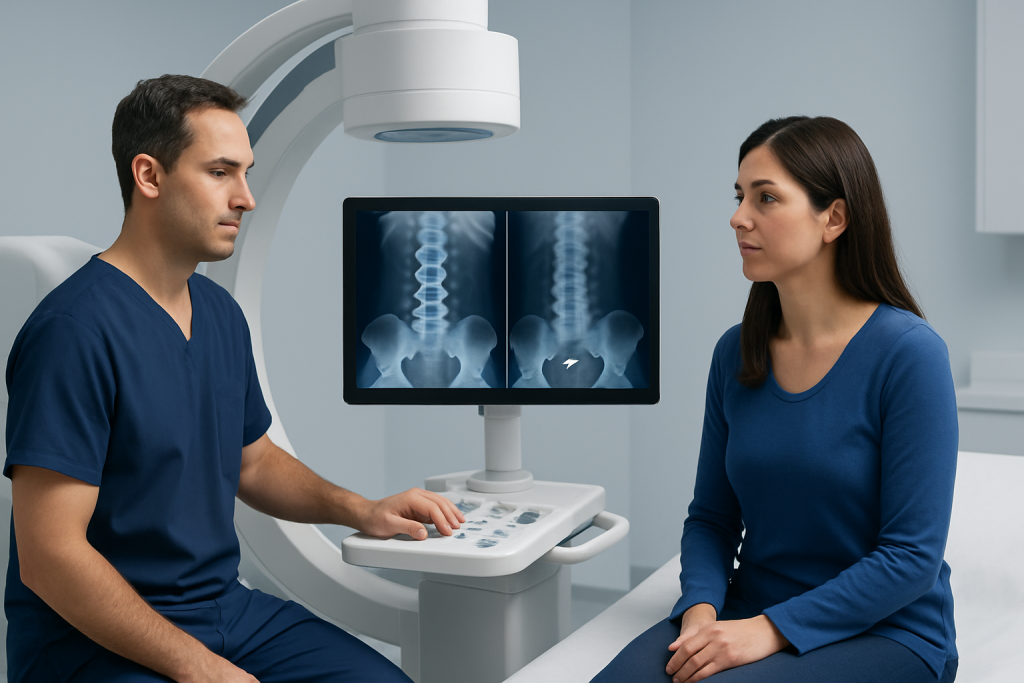
The symptoms that lead to spine evaluation often overlap, whether the final treatment is fusion or a motion-preserving option. Persistent neck or back pain, pain that travels into an arm or leg, numbness, tingling, weakness, stiffness, and reduced ability to stand, walk, or sit comfortably are all common reasons people seek an assessment.
Doctors pay close attention to the pattern of symptoms. Pain that worsens with certain movements may point toward a mechanical issue in the spine. Symptoms that follow the path of a compressed nerve can suggest conditions such as disc herniation or spinal narrowing. If instability is present, pain may be more related to motion itself, which can make fusion more appropriate.
Some people are surprised that the same type of pain can come from different structures. A careful history helps separate muscle strain, disc problems, joint degeneration, nerve compression, and deformity-related pain. That distinction is central to deciding whether limiting motion will help or whether preserving it is realistic and useful.
Causes & Risk Factors
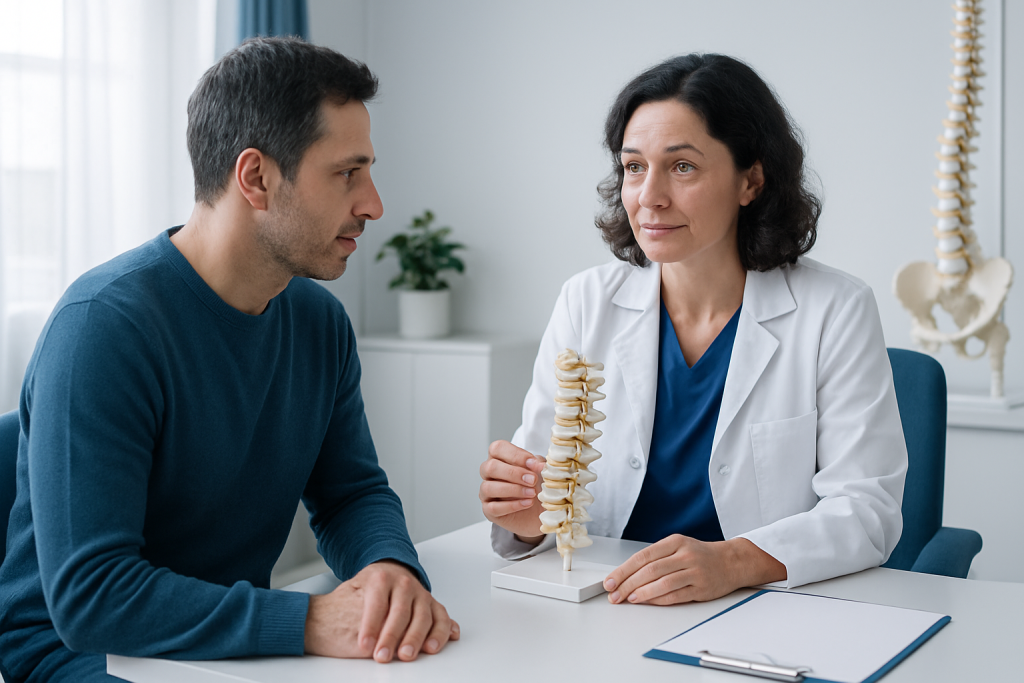
Spine surgery decisions are usually linked to a specific diagnosis rather than a general complaint of pain. Fusion is more commonly considered when there is instability, deformity, severe degeneration, repeated slippage of one vertebra over another, or when decompression surgery would leave the spine too unstable on its own. Motion-preserving procedures may be considered for selected cases of disc disease or nerve compression where movement can be maintained without increasing risk.
Several factors influence which option is safer and more durable. These include age, bone quality, the level of the spine involved, the number of segments affected, prior surgeries, smoking history, diabetes, and overall fitness for rehabilitation. A person with strong bones and a single-level problem may have more options than someone with multi-level degeneration or structural imbalance.
Doctors also consider the patient’s lifestyle. Someone who wants to return to work that requires bending, lifting, or prolonged sitting may have different priorities from someone whose main goal is pain reduction for daily walking. A treatment plan is strongest when it reflects the diagnosis and the person’s long-term functional goals, not just the imaging report.
Diagnosis
The evaluation usually starts with a detailed consultation and physical examination. Doctors assess posture, range of motion, reflexes, strength, sensation, gait, and signs of nerve irritation. They also ask when pain started, what makes it better or worse, whether symptoms are changing, and how much they interfere with sleep, work, travel, and daily tasks.
Imaging studies are often used to complete the picture. X-rays can show alignment, motion between vertebrae, or signs of instability. MRI helps evaluate discs, nerves, and soft tissues. In some cases, CT scans or additional dynamic images are useful, especially when surgical planning must be precise.
What matters most is correlation. A scan can show wear and tear that may never cause symptoms, so doctors do not recommend surgery based on imaging alone. They look for a match between the physical findings, symptom pattern, and structural problem. That is how they decide whether stabilizing the spine, maintaining motion, or continuing non-surgical care makes the most sense.
Treatment Options
Fusion and motion-preserving procedures are both aimed at improving function and reducing pain, but they work differently. Spinal fusion stabilizes a painful or unstable segment by creating one solid unit. This can be helpful when movement itself is causing pain or when a segment needs extra support after decompression or correction of deformity.
Motion-preserving procedures try to address the source of symptoms while keeping the spine as flexible as possible. Depending on the diagnosis, this may include certain disc replacement procedures, selective decompression techniques, or other carefully chosen approaches that avoid permanently locking the segment. These options are not suitable for every patient, and they are usually considered only when the anatomy and the long-term mechanics of the spine support them.
Before surgery, doctors typically review non-surgical treatments as well. These may include physical therapy, activity modification, pain-relief strategies, posture changes, injections, and time. Surgery is usually considered when those measures are not enough, when symptoms are progressing, or when there is a structural reason that conservative care is unlikely to solve the problem. For international patients, the surgical plan also includes a practical discussion about the length of stay, the expected follow-up schedule, and how rehabilitation will continue after returning home.
- Fusion may be favored for instability, deformity, or repeated motion-related pain.
- Motion-preserving surgery may be favored when the goal is to treat a focal problem without sacrificing flexibility.
- Non-surgical care is often tried first unless the condition requires earlier intervention.
Prevention & Self-care
Not every spinal condition can be prevented, but many people can support spine health and reduce the chance of worsening symptoms. Maintaining a healthy body weight, staying active, strengthening the core and hip muscles, and using good lifting mechanics can all lessen stress on the spine. Smoking cessation is especially important because it can affect healing and bone health, which matters for both fusion and other procedures.
People who are recovering from spine symptoms should also be mindful of posture, pacing, and movement habits. Long periods of sitting, sudden twisting, and heavy lifting can all aggravate an already sensitive spine. A physical therapist or rehabilitation specialist can help tailor exercise and movement advice to the specific condition.
For someone considering treatment abroad, self-care also means planning ahead. That includes arranging support for travel, bringing a list of medications and prior scans, understanding the expected activity limits after surgery, and clarifying how remote follow-up will work once home. Good preparation makes recovery smoother and reduces avoidable stress.
When to See a Doctor
Anyone with persistent back or neck pain that lasts despite rest or basic self-care should be evaluated, especially if the pain is interfering with sleep, walking, work, or daily activities. Numbness, weakness, or pain that travels into an arm or leg deserves prompt medical attention, since these symptoms can signal nerve involvement.
Medical assessment is especially important if there are signs of spinal instability, worsening deformity, frequent falls, or symptoms that are becoming more intense over time. If a person has already been told they may need surgery, a second opinion can be very helpful for understanding why fusion or a motion-preserving option is being suggested.
People with fever, unexplained weight loss, loss of bowel or bladder control, or sudden major weakness should seek urgent care, as these symptoms may point to a serious underlying problem. For international patients, it is reasonable to choose a center that can coordinate imaging review, specialist consultation, and rehabilitation planning in one pathway. At Acibadem Health Point, multidisciplinary specialists and JCI-accredited hospitals diagnose and treat spine conditions for international patients in a coordinated setting.
Recovery and Long-Term Outlook
Recovery differs by procedure and by the condition being treated. Fusion usually requires a longer period of bone healing, while motion-preserving surgery may allow a different rehabilitation timeline. In both cases, a successful recovery depends on following activity guidance, attending follow-up visits, and progressing through rehabilitation at the right pace.
The long-term outlook is shaped by the original diagnosis and the quality of the match between the patient and the procedure. Fusion can provide lasting stability when instability is the main issue. Motion-preserving procedures can be valuable when maintaining movement is important and the spine is structurally suited to that approach. Neither operation removes the need for healthy habits, strengthening, and ongoing attention to posture and body mechanics.
Patients often do best when they understand that surgery is one part of a larger plan. The goal is not only to reduce pain, but also to restore confidence in movement, support independence, and help the person return to a meaningful daily life with realistic expectations.
Frequently asked questions
What is the main difference between fusion and a motion-preserving spine procedure?
Fusion joins vertebrae so they no longer move independently, which can improve stability. Motion-preserving procedures aim to treat the painful area while keeping more normal movement in the spine. The right choice depends on the underlying problem and the spinal level involved.
How do doctors decide which option is better?
They look at symptoms, physical exam findings, imaging, spinal stability, bone quality, and prior treatments. They also consider how much movement is already limited and whether preserving motion is safe and realistic. The decision is individualized rather than one-size-fits-all.
Is motion-preserving surgery always less serious than fusion?
Not necessarily. It is simply a different strategy, and it is only suitable for selected patients and diagnoses. In some cases, fusion is the safer and more durable option even if it reduces motion at one segment.
Can non-surgical treatment be tried first?
Yes, many spine conditions are first managed with physical therapy, activity changes, medications, or injections. Surgery is usually discussed when those measures do not bring enough relief or when the spinal structure itself makes surgery the better option. Some conditions do require earlier intervention.
Will I lose a lot of flexibility after fusion?
That depends on how many spinal levels are fused and where they are located. Many people adapt well because the rest of the spine and the body learn to compensate. Doctors usually discuss the expected effect on movement before surgery is planned.
What should an international patient ask before traveling for spine surgery?
It helps to ask which procedure is being recommended and why, how long recovery will take, what follow-up is needed after returning home, and which activities should be avoided. Patients should also confirm how imaging will be reviewed and how rehabilitation will be coordinated. Clear planning reduces surprises during recovery.
References
- American Academy of Orthopaedic Surgeons
- North American Spine Society
- National Institute of Neurological Disorders and Stroke
- Mayo Clinic
- NHS
This article is for general information only and is not a substitute for professional medical advice. Please consult a qualified doctor about your individual situation.
More from the Health Library



Related Specialists

Dr. Safiye Sayilir
Physical Medicine & Rehabilitation
Dr. Özgün Barış Çolak
Physical Medicine & Rehabilitation
Prof. Dr. Meltem Vural
Physical Medicine & Rehabilitation
Prof. Dr. Meral Bayramoğlu
Physical Medicine & Rehabilitation