

ACL Reconstruction Abroad: How to Choose Graft Type, Rehab Plan, and Timing

Key Takeaways
- ACL reconstruction is usually considered when knee instability affects daily life, work, or sports, or when other treatments are not enough.
- Graft choice is individualized and commonly involves a tendon from the patient or a donor graft, each with different trade-offs.
- Rehabilitation is not an afterthought; it is part of the treatment plan and should be matched to the person’s goals, travel plans, and follow-up access.
- Surgery timing depends on knee swelling, motion, activity demands, and the readiness of the surrounding muscles and tissues.
- Traveling abroad for ACL care works best when pre-op testing, surgery, rehab milestones, and remote follow-up are organized before the trip.
- A qualified orthopaedic team should review symptoms such as locking, giving way, persistent swelling, or difficulty bearing weight after injury.
Medically reviewed by the Acıbadem clinical team — June 13, 2026
ACL reconstruction is a major step for people who want to return to stable knee function after an ACL tear. When surgery is being planned abroad, choices about graft type, rehabilitation, and timing deserve careful attention because they shape both recovery and long-term results.
Overview
An ACL tear can change the way a person moves through an entire day, not just a game or workout. Stairs may feel uncertain, a quick turn may trigger fear, and even a short walk can become mentally tiring when the knee does not feel reliable.
For many people, ACL reconstruction is considered when the ligament is unlikely to heal well on its own or when knee instability interferes with work, sport, or normal routines. For someone traveling abroad for care, the practical questions often come quickly: Which graft is best? How long should recovery take? And is the knee ready for surgery now, or does it need more time before the operation?
Those decisions are best made with a clear plan rather than a rushed booking. The right surgical timing, a realistic rehabilitation roadmap, and a follow-up strategy that works across borders all matter as much as the procedure itself.
Symptoms and signs that ACL reconstruction may be discussed
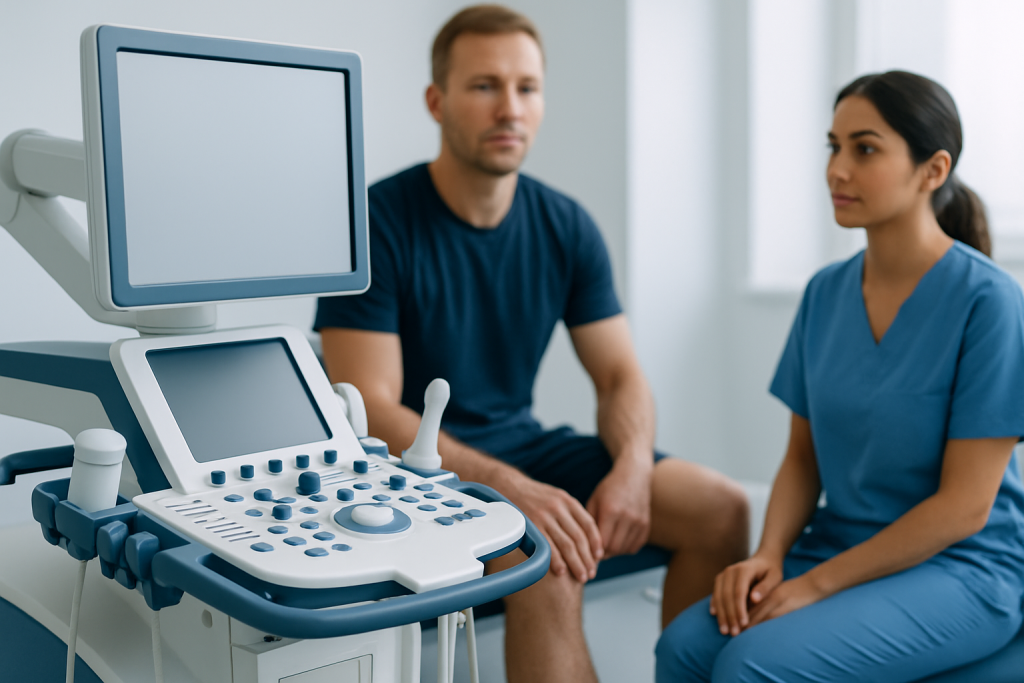
Not every ACL injury leads straight to surgery. Some people can manage with structured rehabilitation, activity modification, and supportive bracing, especially if they do not have repeated instability. Others continue to have the knee “give way,” particularly when pivoting, descending stairs, or changing direction.
Common features that prompt an orthopaedic review include a popping sensation at injury, rapid swelling, difficulty trusting the knee, reduced range of motion, and trouble returning to sport or physically demanding work. If meniscus or cartilage injury is also present, the treatment discussion may become more urgent because ongoing instability can affect nearby structures.
After injury, the pattern matters as much as the severity. A knee that is painful but stable is different from a knee that feels unstable despite physical therapy. That distinction helps determine whether reconstruction, continued rehabilitation, or a delayed approach is the most sensible path.
Causes and risk factors
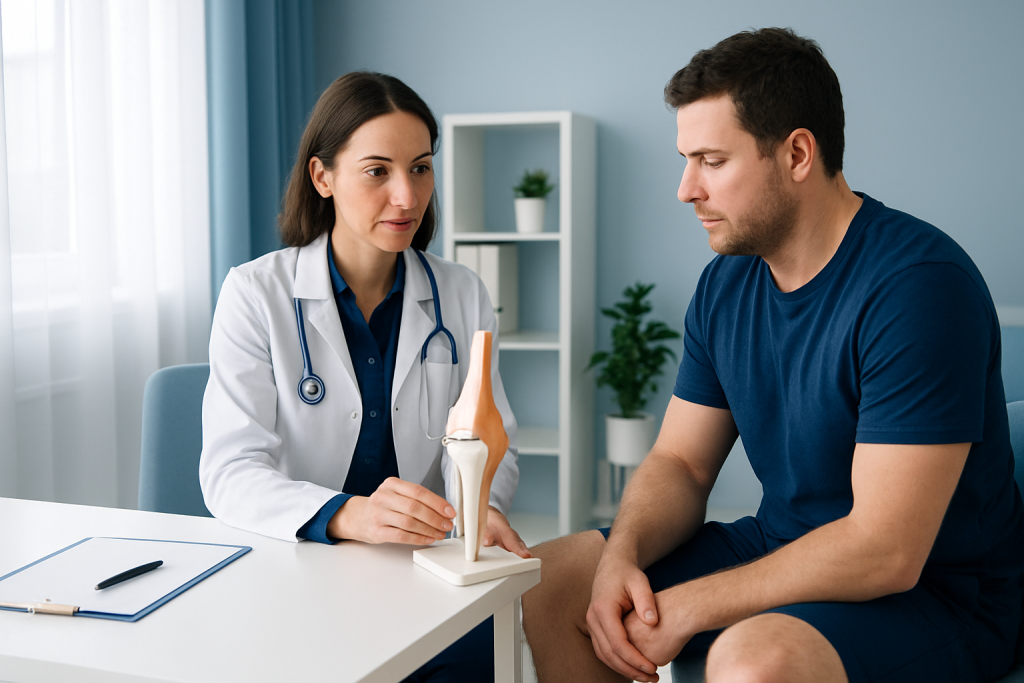
ACL tears often happen during sudden deceleration, twisting, landing, or direct trauma. They are common in sports that involve cutting or pivoting, but they can also occur during everyday missteps, falls, or collisions.
Risk is influenced by more than activity alone. Prior knee injury, poor neuromuscular control, muscle imbalance, high training load, and certain anatomical factors may increase the chance of injury. In some cases, people have another ligament injury or meniscal tear at the same time, which can complicate recovery and timing.
For international patients, the context of care adds another layer. Travel fatigue, limited access to recent imaging, and uncertainty about post-operative support at home should all be considered before committing to surgery. A good surgical candidate is not only someone with the right knee findings, but also someone whose recovery plan can be carried out safely after the trip.
Diagnosis and pre-surgical assessment
ACL reconstruction is usually planned after a careful clinical exam and imaging review. A doctor may check knee stability, swelling, range of motion, and the way the patient walks. Magnetic resonance imaging can help confirm the ACL injury and reveal associated damage to the meniscus, cartilage, or other ligaments.
Before surgery abroad, a complete pre-surgical assessment is especially useful. This often includes a discussion of activity goals, previous treatments, current medications, underlying medical conditions, and whether the knee has regained enough motion after injury. In many cases, surgeons prefer the knee to be calmer before operating, because a swollen, stiff knee can make rehabilitation harder.
Patients planning treatment across countries should ask how records will be shared, whether imaging needs to be repeated, and what pre-operative tests must be completed before travel. Clear answers reduce delays and help the team build a recovery plan that continues smoothly after the patient returns home.
Treatment options and how graft choice is decided
ACL reconstruction replaces the torn ligament with a graft that acts as a new scaffold for healing and stability. The most common choices are an autograft, which comes from the patient’s own tissue, or an allograft, which comes from a donor. Each option has advantages and limitations, and the best choice depends on age, sport demands, prior surgeries, anatomy, and surgeon experience.
Autografts commonly use hamstring tendon, patellar tendon, or quadriceps tendon tissue. Some patients prefer the idea of using their own tissue because it avoids donor tissue-related concerns, while others want to minimize pain at the graft harvest site or preserve certain activities. Allografts may reduce operative time and avoid a second surgical site, but the trade-offs should be discussed carefully, especially for active people who want a strong return-to-sport plan.
Useful questions for the surgical consultation include:
- Which graft type is recommended for this specific knee, and why?
- How does the surgeon’s recommendation change for a person who wants to return to pivoting sports?
- What donor-site symptoms or recovery issues are more likely with this graft?
- How will the graft choice affect rehabilitation milestones and return-to-activity timing?
The best decision is rarely based on one factor alone. A thoughtful surgeon considers the knee, the patient’s goals, and the realities of rehab after travel, rather than treating graft selection as a one-size-fits-all choice.
Rehabilitation and recovery planning
Rehabilitation is not just the period after surgery; it begins before the operation and continues for months afterward. Before reconstruction, many patients benefit from “prehabilitation,” which focuses on reducing swelling, restoring motion, and strengthening the muscles around the knee. Entering surgery with a more flexible, quieter knee often supports a smoother recovery.
After surgery, rehabilitation usually moves through phases rather than following a fixed calendar. Early goals often include protecting the graft, controlling pain and swelling, regaining extension, and walking safely. Later stages focus on strength, balance, running progressions, and sport-specific movements. The pace should be based on function and healing, not on a desire to rush back because travel or competition is waiting.
For someone treated abroad, planning rehabilitation across countries is essential. The patient should leave with written instructions, a physiotherapy schedule, details about weight-bearing or brace use if relevant, and a plan for remote check-ins. It is also important to know which symptoms are expected after surgery and which should trigger an urgent review, especially if access to the operating team will change once the patient is back home.
Recovery is often easier when the person knows the milestones in advance. Examples may include achieving full knee extension, walking without crutches, climbing stairs safely, and later passing strength and movement tests before returning to sport. These milestones vary, but the principle is consistent: the knee should prove readiness before higher-level activity resumes.
Prevention, preparation, and self-care
Although ACL reconstruction addresses a torn ligament, the steps before and after surgery can protect the knee and improve the overall experience. In the weeks leading up to surgery, gentle exercise prescribed by the care team, good sleep, and attention to swelling can make a meaningful difference. The goal is to arrive at the operation with the knee as settled as possible.
After surgery, self-care is about consistency rather than intensity. Following the physiotherapy plan, using ice or elevation when advised, protecting the incision, and moving the knee as directed all support healing. Nutrition, hydration, and avoiding smoking are also important because they help the body recover more effectively.
For international patients, preparation should also include practical items: arranging help for the first days after discharge, understanding medication instructions before travel, carrying documents for airport security if needed, and confirming where follow-up care will take place. A recovery that crosses borders works best when it is organized like any other part of the treatment, not left to chance.
When to see a doctor
Medical review is important after a suspected ACL injury, especially if the knee feels unstable, swells quickly, or cannot bear weight normally. A doctor should also be consulted if the knee locks, catches, or loses range of motion, because these symptoms may suggest additional injury.
After ACL reconstruction, patients should contact their care team if pain or swelling worsens rather than gradually improving, if the leg becomes unusually red or warm, if fever develops, or if the calf becomes painful or swollen. New numbness, repeated giving way, or concerns about the incision also deserve prompt attention.
People traveling abroad for surgery should not wait until departure day to ask questions. It is safer to clarify the plan before the trip, including who to contact if symptoms change after returning home. Acibadem Health Point’s multidisciplinary specialists and JCI-accredited hospitals diagnose and treat ACL injuries for international patients, with coordination that can support both the operation and the recovery process.
Living with the decision: surgery timing, goals, and return to activity
Choosing ACL reconstruction is rarely about one scan or one appointment. It is a decision that links the injury, the person’s daily life, the support available during rehabilitation, and the timing of travel if care is being arranged abroad. When those pieces are aligned, the process usually feels less overwhelming and more manageable.
Some patients need time to regain motion and confidence before surgery. Others move forward sooner because repeated instability makes work or sport impossible. Neither path is automatically right or wrong; what matters is matching the treatment plan to the knee’s condition and the patient’s goals.
A calm, well-prepared plan gives the best chance of recovery. That means asking direct questions, understanding the graft choice, accepting that rehab is part of the operation, and deciding on surgery when the knee and the circumstances are ready.
Frequently asked questions
How is the best ACL graft type chosen?
The best graft depends on the patient’s age, activity level, sport demands, anatomy, and any previous knee surgery. A surgeon may recommend an autograft or allograft after discussing the benefits and trade-offs for that specific situation.
Can ACL reconstruction be delayed until the knee feels better?
In many cases, yes, surgery is delayed until swelling decreases and knee motion improves. This often helps make rehabilitation smoother and lowers the risk of stiffness after the operation.
How long does rehabilitation usually take after ACL reconstruction?
Rehabilitation commonly takes several months and is phased according to function, strength, and healing. Returning to higher-level sports usually requires more than just time; it also depends on passing clinical and physical performance milestones.
Is travel safe soon after ACL surgery?
Travel may be possible, but it should be planned with the surgeon because swelling, pain control, mobility, and blood clot prevention all matter. The team should confirm when it is reasonable to fly or travel long distances, especially after international treatment.
What if the knee still feels unstable before surgery?
Persistent giving way can mean the knee is not ready for higher activity and may need further assessment. The care team may adjust the plan, recommend more prehabilitation, or review whether other structures were injured.
What should an international patient bring to the consultation?
It helps to bring any MRI scans, reports, previous treatment notes, medication lists, and a summary of symptoms and activity goals. Clear records make it easier for the surgeon to recommend a graft type and rehab plan that fits the patient’s needs.
References
- American Academy of Orthopaedic Surgeons
- National Institute of Arthritis and Musculoskeletal and Skin Diseases
- Mayo Clinic
- American Orthopaedic Society for Sports Medicine
This article is for general information only and is not a substitute for professional medical advice. Please consult a qualified doctor about your individual situation.
More from the Health Library



Related Specialists

Dr. Safiye Sayilir
Physical Medicine & Rehabilitation
Dr. Özgün Barış Çolak
Physical Medicine & Rehabilitation
Prof. Dr. Meltem Vural
Physical Medicine & Rehabilitation
Prof. Dr. Meral Bayramoğlu
Physical Medicine & Rehabilitation