

Lumbar Disc Herniation: Which Symptoms Usually Improve Without Surgery?

Key Takeaways
- Many lumbar disc herniation symptoms, especially pain and irritation, improve without surgery over weeks to months.
- Leg pain from nerve irritation often improves before complete numbness or weakness fully resolves.
- Conservative care may include guided movement, physical therapy, pain relief, and activity changes.
- Certain symptoms, such as worsening weakness or bladder and bowel changes, need prompt medical attention.
- Recovery decisions should be based on symptom pattern, neurological findings, and daily function, not MRI results alone.
Medically reviewed by the Acıbadem clinical team — June 13, 2026
Lumbar disc herniation can cause back pain, leg pain, numbness, or weakness, but many symptoms improve with time and conservative care. Understanding which signs often settle without surgery can help patients choose safe next steps and know when medical review is important.
Overview
Lumbar disc herniation happens when the soft center of a spinal disc pushes through its outer layer in the lower back. That bulge can irritate a nearby nerve root, which is why some people feel pain in the back while others mainly notice pain traveling down the buttock, thigh, or leg.
Not every lumbar disc herniation leads to an operation. In fact, many people improve with time and non-surgical care, especially when the main problem is nerve irritation rather than severe or progressive nerve damage. For patients making decisions from another country, it can be reassuring to know that treatment is often guided by symptoms, daily function, and examination findings rather than a scan alone.
The question is less “Is there a herniation?” and more “Which symptoms are settling, and which ones need closer follow-up?” That distinction helps doctors recommend rehabilitation, injections, or surgery only when they are truly needed.
Symptoms That Usually Improve Without Surgery
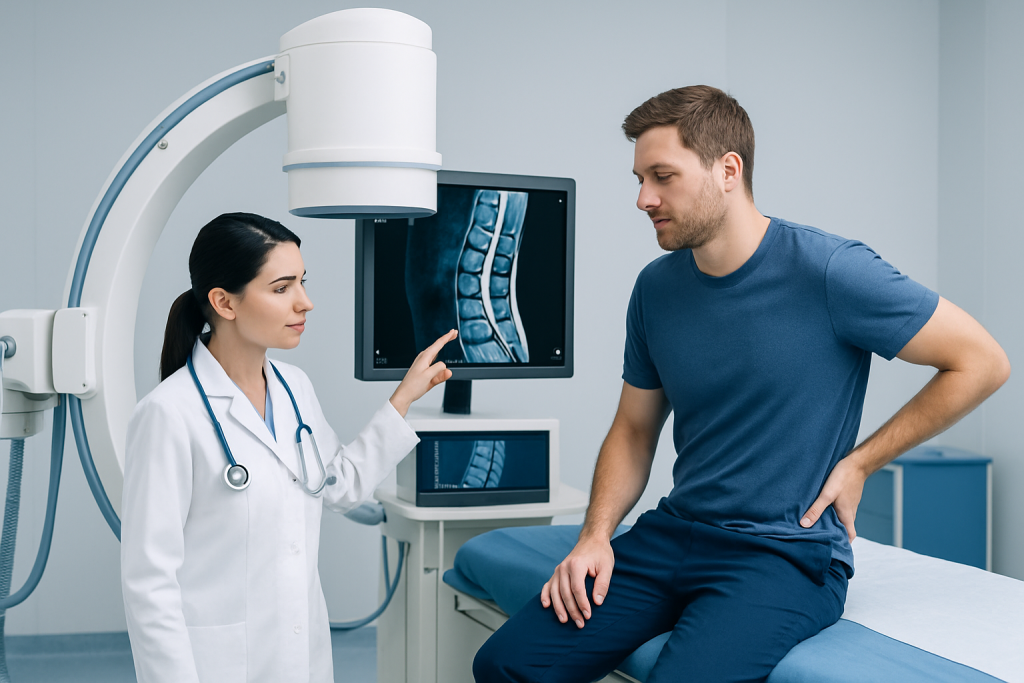
The symptoms most likely to improve on their own are those driven by inflammation and pressure around the nerve, rather than permanent nerve injury. Pain often changes first. Low-back pain may become less intense, and sciatica—the sharp, burning, or shooting pain that travels into the leg—often starts to ease as the irritated nerve calms down.
People may also notice that pain becomes less frequent, less severe, or easier to control with movement changes, rest breaks, and physical therapy. Pain that used to reach below the knee may retreat closer to the back or buttock as recovery progresses.
Other symptoms that may improve without surgery include:
- Intermittent leg pain or tingling
- Pain triggered by sitting, bending, or coughing that gradually becomes less frequent
- Muscle spasm related to guarding and discomfort
- Mild numbness that slowly lessens over time
Strength can also recover without surgery, especially if weakness is mild and not getting worse. However, nerve recovery may take longer than pain relief, and a person may feel better before sensation or muscle control is fully back to normal.
Symptoms That Need Closer Monitoring
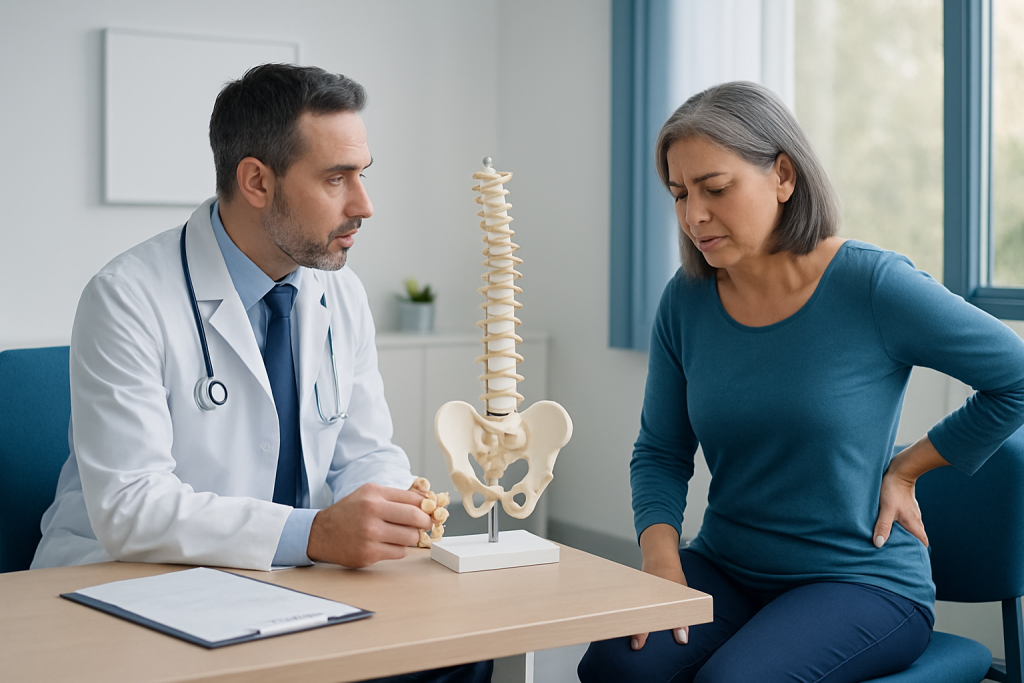
Some symptoms can still improve without surgery, but they deserve careful medical follow-up because they suggest the nerve is under more stress. These include persistent numbness, more noticeable leg weakness, or pain that keeps returning despite appropriate rehabilitation. The pattern matters: a stable symptom is different from one that is clearly worsening.
Doctors pay special attention to weakness in the foot or ankle, difficulty climbing stairs, or a change in the way a person walks. These findings do not always mean surgery is needed, but they do mean the situation should be assessed promptly and reassessed over time.
It is also useful to remember that MRI findings do not always match symptom severity. Some people have dramatic-looking scans but modest symptoms, while others feel significant pain with less striking imaging changes. For that reason, follow-up is usually based on the whole picture: pain, function, neurological examination, and how the condition responds to conservative treatment.
Causes & Risk Factors
A lumbar disc herniation usually develops when the disc weakens and its inner material presses outward. This can happen gradually with age-related wear, or it may follow a lifting injury, twisting movement, or repeated strain. The lower back is especially vulnerable because it carries much of the body’s weight and movement.
Certain factors may increase the chance of disc problems or slow recovery. These include heavy physical work, prolonged sitting, reduced core muscle support, smoking, excess body weight, and previous episodes of back pain. Genetics and spinal shape can also influence risk.
For international patients planning care, it is helpful to share a complete history, including prior imaging, medications, physical therapy, injections, and any previous surgery. Small details about symptom triggers, travel limitations, and sitting tolerance can meaningfully shape the rehabilitation plan.
Diagnosis
Diagnosis begins with a careful conversation and a focused examination. A doctor will ask where the pain travels, what worsens or relieves it, whether there is numbness or weakness, and how the symptoms affect walking, work, sleep, and daily movement. This story often provides more useful information than imaging alone.
The physical exam checks muscle strength, reflexes, sensation, and nerve tension. These findings help identify which nerve root may be involved and whether the problem is mild, moderate, or more concerning. If symptoms are typical and improving, imaging may not always be urgent.
MRI is the most common test when imaging is needed because it shows discs and nerves clearly. It may be recommended if symptoms are severe, do not improve as expected, or if there are signs that the spinal nerves are being affected more significantly. X-rays can help assess alignment and other bone-related issues, but they do not show the disc itself as well as MRI does.
Treatment Options
Most people begin with conservative treatment, especially when symptoms are improving rather than worsening. The goal is to reduce nerve irritation, restore movement, and help the body recover without unnecessary procedures. This often includes a combination of relative rest, guided activity, and a rehabilitation program.
Physical therapy is a central part of care. A therapist may focus on posture, core stabilization, hip mobility, safe bending mechanics, and gradual return to normal movement. Exercise is usually introduced in a paced way so the back and leg are challenged without being overwhelmed.
Other non-surgical options may include pain-relieving medicines recommended by a doctor, short-term anti-inflammatory treatment when appropriate, or targeted spinal injections in selected cases. These options do not “fix” the disc directly, but they can reduce pain enough to allow better movement and rehabilitation.
Surgery is considered when symptoms fail to improve after a reasonable trial of conservative care, or sooner if there is progressive weakness, severe pain that does not respond to treatment, or neurological compromise. The decision is individualized, and the best timing depends on function, examination results, and the direction of the symptoms over time.
Prevention & Self-care
During recovery, small daily choices can make a meaningful difference. Staying gently active is usually better than prolonged bed rest, because movement helps prevent stiffness and supports circulation and healing. Short walks, position changes, and light activity within tolerance are often encouraged.
It also helps to protect the back during everyday tasks. Bending from the hips, avoiding sudden twisting, and using supportive seating for travel or desk work may reduce symptom flare-ups. People who must sit for long periods, including those traveling internationally for care, often benefit from planned standing breaks and a comfortable seat arrangement.
Useful self-care habits often include:
- Following the rehabilitation plan consistently
- Using lifting techniques that avoid sudden strain
- Maintaining a healthy body weight when possible
- Quitting smoking, which can affect disc health and healing
- Returning to exercise gradually rather than all at once
Recovery can be emotionally frustrating when pain improves faster than confidence. Rebuilding trust in movement is part of rehabilitation, and progress is often steadier when patients work with a team that explains each step clearly.
When to See a Doctor
Medical review is important if leg pain is not improving, numbness is spreading, or weakness is becoming more noticeable. A new change in walking, foot control, or stair climbing should be discussed promptly, even if the pain itself seems manageable.
Emergency assessment is needed for loss of bladder or bowel control, numbness in the groin or saddle area, or rapidly worsening weakness. These are uncommon, but they require urgent attention because they may signal serious nerve compression.
For patients considering treatment abroad, it is helpful to seek care where imaging, rehabilitation, and specialist review are coordinated. Acibadem Health Point’s multidisciplinary specialists and JCI-accredited hospitals diagnose and treat lumbar disc herniation for international patients, which can make follow-up and recovery planning more seamless across borders.
If symptoms are improving but not fully resolved, a doctor can help determine whether continued rehabilitation is enough or whether another option should be added. The right next step is usually the one that matches the symptom trend, not the most aggressive option on paper.
Frequently asked questions
Which lumbar disc herniation symptoms most often improve without surgery?
Pain is usually the first symptom to improve, especially leg pain caused by nerve irritation. Mild numbness, muscle spasm, and some weakness may also improve, although nerve recovery can take longer than pain relief.
How long does non-surgical recovery usually take?
Recovery time varies, but many people improve over weeks to a few months with conservative care. The exact pace depends on symptom severity, the nerve involved, and how the person responds to rehabilitation.
Does an MRI showing a large herniation always mean surgery is needed?
No. MRI findings must be interpreted together with symptoms and physical examination. Some people with impressive imaging changes feel better with non-surgical treatment, while others with milder scans may still need closer follow-up.
Is it safe to keep moving with a lumbar disc herniation?
In many cases, gentle movement is helpful and prolonged bed rest is not recommended. The key is to stay within a tolerable range and avoid activities that clearly worsen symptoms, while following a clinician’s advice.
Can numbness disappear completely without surgery?
Yes, it can, especially when the nerve irritation is mild and improving. However, numbness may fade more slowly than pain, and some people notice only partial recovery for a period of time.
When should someone stop waiting and seek medical help?
A doctor should be contacted if weakness is getting worse, pain is not improving, or numbness is spreading. Loss of bladder or bowel control, groin numbness, or rapidly progressive weakness requires urgent evaluation.
References
- American Academy of Orthopaedic Surgeons
- National Institute of Neurological Disorders and Stroke
- North American Spine Society
- Mayo Clinic
- NHS
This article is for general information only and is not a substitute for professional medical advice. Please consult a qualified doctor about your individual situation.
More from the Health Library



Related Specialists

Dr. Safiye Sayilir
Physical Medicine & Rehabilitation
Dr. Özgün Barış Çolak
Physical Medicine & Rehabilitation
Prof. Dr. Meltem Vural
Physical Medicine & Rehabilitation
Prof. Dr. Meral Bayramoğlu
Physical Medicine & Rehabilitation