

Activity Limits After Treatment: What Patients Should Avoid

Medically reviewed by the Acıbadem clinical team — June 12, 2026
After treatment, the biggest challenge is often knowing what is safe to do and what should wait. This guide helps you plan your days, avoid common setbacks, and recover with more confidence, especially if you are healing away from home.
At a glance
- Best for: Patients recovering after a medical procedure, test, or treatment
- Main goal: Avoid strain, protect healing, and reduce the risk of setbacks
- Typical limits: Heavy lifting, intense exercise, heat exposure, alcohol, and long travel too soon
- When to ask first: Before driving, flying, resuming work, or restarting sport
- Support available: Acibadem Health Point international patient services, interpreters, and follow-up coordination
Why activity limits matter more than they first seem
After treatment, your body is not just “tired” in a general way. It may be repairing tissue, adjusting to medication, settling after anesthesia, or dealing with swelling, soreness, or temporary weakness. That is why activity limits are not about being overly cautious; they are part of the recovery plan.
The hardest mistake is often the quiet one: feeling better and doing too much too soon. A short walk may be helpful, but a long day of errands, lifting bags, or returning to a full routine can undo progress, increase discomfort, or create avoidable complications.
In Acibadem Health Point’s international patient setting, this matters even more because you may be recovering while staying in a hotel, arranging transport, or preparing to travel home. Clear guidance helps you balance rest with safe movement, so you know which discomfort is expected and which activity should wait.
The most common things patients should avoid
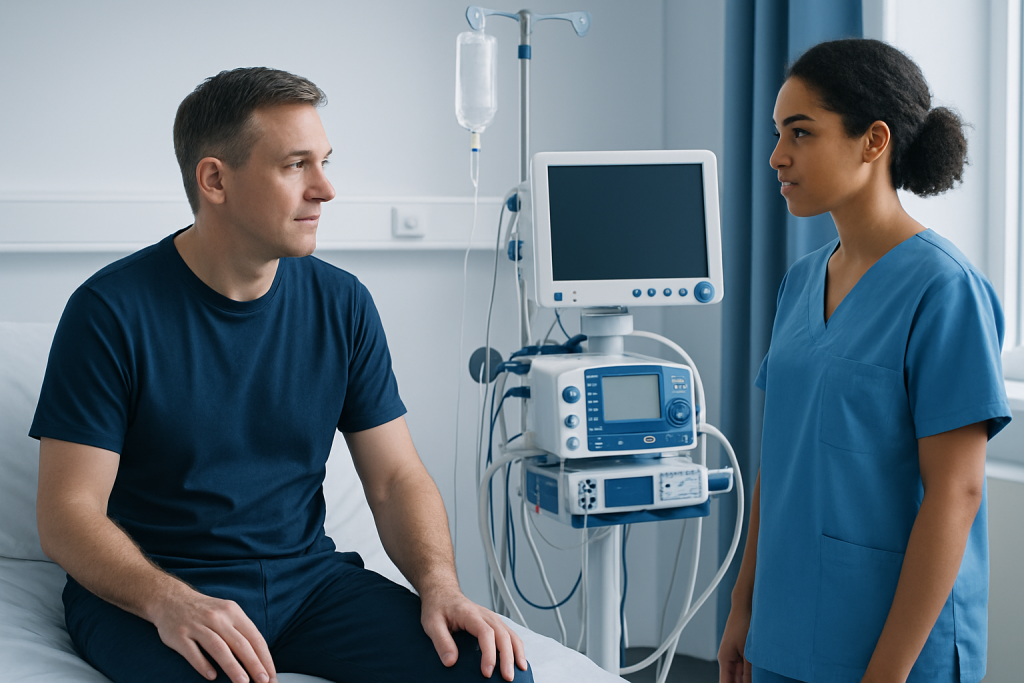
Your exact restrictions depend on the type of treatment you had, but a few categories come up again and again. Heavy lifting is one of the most common things to avoid, especially if it increases pressure, pulls on healing areas, or requires you to hold your breath and strain.
Intense exercise is another early risk. Running, gym workouts, cycling long distances, swimming, contact sports, and high-intensity classes may all be inappropriate for a period of time. Even if you feel capable, the internal healing process may still be in its early stages.
You are also usually advised to be careful with heat, baths, pools, saunas, alcohol, smoking, and activities that can increase dehydration or interfere with medication. In some cases, long periods of sitting still are also discouraged because they may affect circulation, so your instructions may include gentle walking instead of complete inactivity.
- Heavy lifting or carrying luggage
- Strenuous exercise or sports
- Driving before you are cleared
- Swimming, hot tubs, and saunas too early
- Alcohol, smoking, or dehydration
- Long flights or extended travel without approval
How to tell whether an activity is too much

A useful rule is this: if an activity increases pain, pulls at a healing area, leaves you dizzy, or makes you feel unusually weak afterward, it is probably too much for now. Recovery should look steady rather than dramatic, and your energy may come and go from day to day.
Pay attention to the practical signs your body gives you. Bleeding, swelling, shortness of breath, worsening pain, nausea, or a sudden drop in stamina are all reasons to stop and check your instructions. Sometimes the body tolerates a short task but reacts later, so it helps to judge the next few hours, not only the moment itself.
If you are unsure, choose the lower-intensity option and ask for clarification. Acibadem Health Point’s international patient team can help you understand aftercare instructions in plain language, and interpreters can make sure the advice is clear before you leave the hospital or return to your accommodation.
A safer way to restart daily life
Recovery usually works best when you build activity back in stages. Start with the basics: getting up carefully, walking short distances, drinking enough fluids, eating regularly, and sleeping well. These simple actions can support healing without putting unnecessary pressure on your body.
Then add one change at a time. A short outing, a light household task, or a brief walk may be fine before you progress to longer trips, work duties, exercise, or travel. This gradual approach helps you spot what your body is ready for and what still needs time.
If you are recovering in Turkey before flying home, plan your schedule around rest breaks. Avoid packing your last day with appointments, shopping, and sightseeing. A calmer timetable can make the difference between a smooth return and a difficult one.
Travel, work, and family life: where limits often get ignored
Patients often understand the need for rest in hospital, but activity limits are harder to keep once normal life starts again. You may want to help with luggage, sit through a long transfer, return to work quickly, or look after children as soon as you feel improved.
These situations are exactly where you should be conservative. Long journeys can increase stiffness and fatigue, and work responsibilities may involve standing, lifting, or concentration that is harder than expected after treatment. If you have family with you, ask them to take the physical tasks for a few days so you can protect your recovery.
Acibadem Health Point can support this stage with practical coordination, especially when you need airport transfers, hotel advice, or follow-up planning. The goal is not to keep you inactive for longer than necessary, but to help you return to normal life without creating a preventable setback.
When to contact your care team
You should reach out if your symptoms are getting worse instead of gradually improving, or if an activity causes a new problem that does not settle with rest. It is always better to ask early than to wait until a small issue becomes a bigger one.
Contact your team promptly if you notice fever, severe pain, unusual bleeding, fainting, shortness of breath, redness or discharge at a wound site, or a sudden change that feels out of step with your recovery instructions. If you are abroad, keep the hospital contact details and your discharge notes with you in case you need to refer to them quickly.
For international patients, follow-up does not have to end when you leave Turkey. Acibadem Health Point can help organize post-discharge communication so you know how to report symptoms, send updates, or confirm when it is safe to resume specific activities once you are back home.
Step by step
- Read your discharge instructions carefully. Your restrictions may be different from someone else’s, even if you had a similar treatment. Look for specific details about lifting, exercise, bathing, driving, medication, and travel so you know exactly what applies to you.
- Plan the first 48 hours conservatively. Keep your schedule light and avoid unnecessary walking, carrying, or social plans. Rest periods, hydration, and short gentle movement are usually more useful than trying to “get back to normal” immediately.
- Use pain and fatigue as warning signals. If an activity leaves you more uncomfortable later, scale it back. Recovery should not rely on pushing through pain or exhaustion, especially in the early days after treatment.
- Ask before resuming driving or flying. Driving may be unsafe if you are taking certain medicines, feel dizzy, or cannot move comfortably. Long-distance travel should also be cleared in advance, particularly if you have swelling, a wound, or a follow-up appointment due soon.
- Accept help for practical tasks. Let someone else lift luggage, shop, clean, or handle childcare when possible. Small supports like these reduce strain and help you preserve your energy for healing.
- Keep follow-up contacts close. Save the hospital number, your discharge summary, and any aftercare instructions on your phone and in paper form. If you are an Acibadem Health Point patient, this makes it easier to get clear answers even after you have returned home.
Your checklist
- Discharge instructions saved on your phone and in print
- Medication schedule understood and followed
- No heavy lifting unless you were cleared
- Exercise, gym, or sport restarted only with approval
- Baths, pools, hot tubs, or saunas avoided if restricted
- Driving and flying checked before planning them
- Transportation and luggage help arranged
- Follow-up contact details stored for quick access
Key takeaways
- Recovery is not just rest; it is controlled activity at the right pace.
- Heavy lifting, intense exercise, and premature travel are common early limits.
- Your own discharge instructions matter more than generic recovery advice.
- Small warning signs can tell you when you are doing too much.
- International patients should plan for aftercare, transport, and follow-up before leaving the hospital.
Frequently asked questions
How do I know if I am doing too much after treatment?
A good sign you have overdone it is when pain, fatigue, swelling, or dizziness increases after the activity rather than settling down. If a task leaves you feeling worse for hours afterward, it is likely too much for this stage of recovery. When in doubt, reduce the intensity and ask your care team.
Can I go for a walk after treatment?
In many cases, gentle walking is encouraged because it supports circulation and prevents stiffness. The key is keeping it short and easy at first, then increasing only if you feel stable afterward. If your instructions limit walking, follow those first.
When can I exercise again?
That depends on the treatment you had and how your recovery is going. Light movement may be allowed earlier, while gym work, running, or sports often need more time and a specific clearance. Never return to exercise just because you feel bored or impatient.
Is it safe to travel home right away?
Sometimes yes, sometimes no, depending on your procedure, medication, and current symptoms. Travel can involve sitting for long periods, lifting luggage, dehydration, and limited access to care, so it should be planned carefully. Always confirm with your team before booking your return trip.
What should I avoid if I still have pain medication?
You may need to avoid driving, alcohol, and any activity that could become unsafe if you feel drowsy or less alert. Some medicines also affect balance, reaction time, or stomach comfort. If you are unsure, ask whether your medication changes what you can safely do.
Do I need to avoid normal chores at home?
Not all daily tasks are off-limits, but chores that involve lifting, bending, twisting, or standing for long periods may need to wait. It often helps to break tasks into smaller steps and ask someone else to handle the heavier work for a few days. If a chore causes strain, pause and reassess.
How does Acibadem Health Point help after I leave the hospital?
Acibadem Health Point supports international patients with aftercare guidance, interpreter help, and follow-up coordination so your recovery is not left to guesswork. This is especially useful if you need to clarify activity limits after you have returned to your hotel or home country. The aim is to keep your next steps clear and manageable.
More Patient Guides

Special Needs Travel Checklist Before Surgery in Turkey
Plan a smoother surgery trip to Turkey with a practical special needs checklist for mobility, documents, medications, and support needs.
8 min read
What Companions Should Know Before Surgery in Turkey
Know how to support a loved one before surgery in Turkey, from travel and paperwork to hospital routines, rest, and communication.
8 min read
Guide to Mobility Assistance for Patients in Istanbul
Plan mobility assistance in Istanbul with practical tips on airports, transfers, wheelchairs, hotels, and hospital support for your visit.
8 min readRelated Specialists

Dr. Safiye Sayilir
Physical Medicine & Rehabilitation
Dr. Özgün Barış Çolak
Physical Medicine & Rehabilitation
Prof. Dr. Meltem Vural
Physical Medicine & Rehabilitation
Prof. Dr. Meral Bayramoğlu
Physical Medicine & Rehabilitation