

Knee Arthroscopy vs. Physical Therapy: Which Path Fits Your Injury?

Key Takeaways
- Physical therapy is often the first step for many knee injuries because it can restore strength, mobility, and control without surgery.
- Knee arthroscopy may be useful when symptoms suggest a mechanical problem, such as a locked knee, a loose fragment, or a tear that has not improved with conservative care.
- The decision is usually based on examination, imaging, symptom pattern, and the person’s activity goals rather than one single test result.
- Recovery after physical therapy is usually gradual and active, while arthroscopy requires a brief surgical recovery followed by rehabilitation.
- A qualified orthopedist or sports medicine specialist can help match the treatment to the injury and the patient’s travel, work, and follow-up needs.
Medically reviewed by the Acıbadem clinical team — June 13, 2026
Knee injuries often improve with a structured rehabilitation plan, but some problems need arthroscopy to diagnose or treat them more directly. The best path depends on the type of injury, symptoms, daily function, and how the knee responds over time.
Overview
A knee injury can be straightforward, such as a strain that settles with time, or more complicated, such as a meniscus tear, cartilage injury, or persistent swelling that keeps returning. When symptoms linger, two common paths often enter the conversation: focused physical therapy and knee arthroscopy.
They are not competing ideas so much as different tools. Physical therapy works by improving movement, strength, balance, and load tolerance around the knee. Arthroscopy is a minimally invasive operation that lets a surgeon look inside the joint and, when appropriate, repair or remove damaged tissue.
The right choice depends on what is actually happening inside the knee and how the problem affects daily life. For someone traveling from another country for care, that decision also includes recovery time, the need for follow-up, and whether the knee problem can be managed with a plan that fits the trip home and the next stage of rehabilitation.
Symptoms That Help Guide the Choice
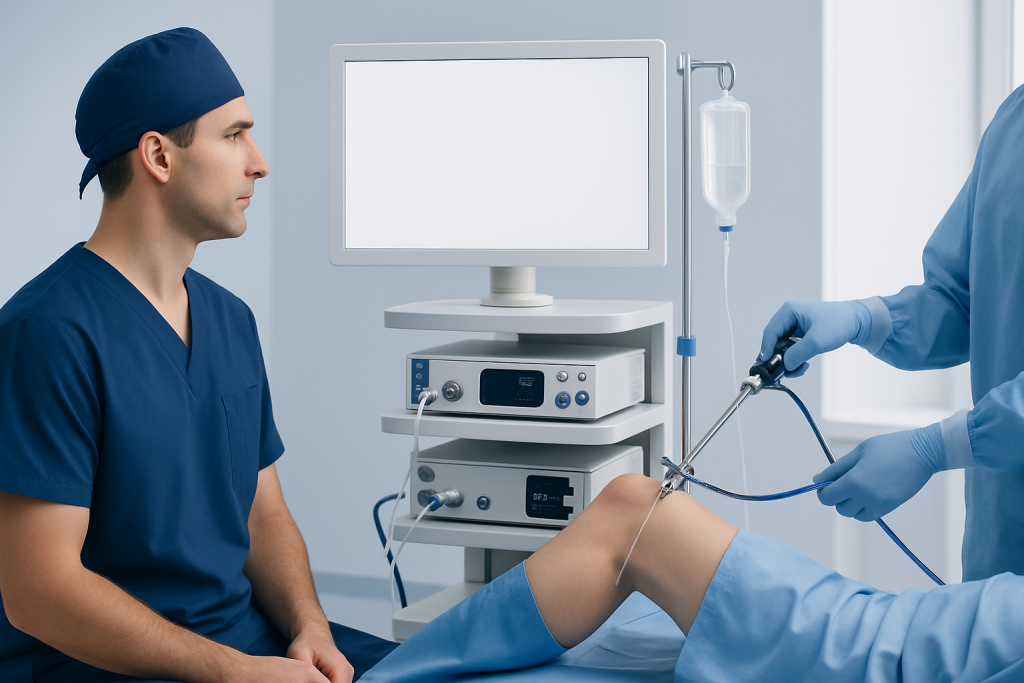
Not every painful knee behaves in the same way. Some knees ache after activity, feel stiff in the morning, or swell after long walks. Others produce a sharp catch, a click with pain, or a sense that the joint may give way when turning or squatting.
Physical therapy is often a good fit when the main issues are pain, weakness, limited flexibility, reduced endurance, or poor movement control. These problems are common after overuse injuries, mild ligament strains, patellofemoral pain, and some meniscus tears that do not cause locking.
Arthroscopy may be considered earlier when the knee shows signs of a mechanical problem. Examples include:
- a locked knee that cannot fully straighten or bend
- repeated catching or painful popping linked to a suspected tear
- persistent swelling that does not settle with conservative treatment
- loose fragments, cartilage flaps, or certain tears that do not respond to rehabilitation
Symptoms alone do not make the decision, but they help a clinician understand whether the knee needs to be retrained or whether a structure inside the joint may need direct treatment.
Causes & Risk Factors
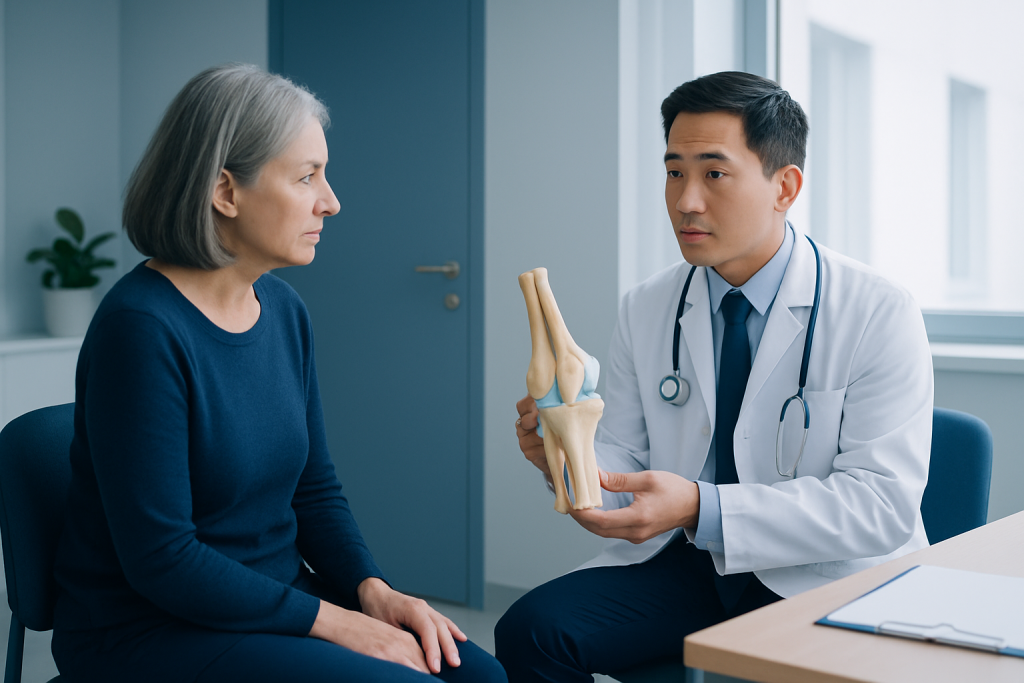
Knee problems that lead to this decision often begin with sports injuries, twisting motions, falls, or repeated strain from work and daily activities. Age also matters, because cartilage and meniscal tissue can become more vulnerable to wear, while older adults may have both injury-related and degenerative changes at the same time.
Risk factors for a more persistent knee problem include previous knee injury, muscle weakness, poor hip or ankle mechanics, high-impact training, obesity, and jobs that require frequent squatting, kneeling, or climbing. In some people, a small injury becomes a longer-term problem because the muscles around the knee have lost strength or the person has tried to “push through” pain for too long.
Physical therapy is often especially helpful when the surrounding mechanics are part of the problem. Arthroscopy may be more relevant when imaging or examination suggests a structural issue inside the joint, such as a displaced meniscus tear, torn cartilage, or a loose body that keeps interfering with motion.
How Doctors Decide: Examination and Diagnosis
The decision usually starts with a careful history and physical examination. A specialist will ask how the injury happened, where the pain is located, whether the knee swells, and whether there are locking, instability, or clicking symptoms. The examination looks at range of motion, tenderness, joint-line pain, strength, and how the knee responds to movement tests.
Imaging may support the decision, but it does not replace the clinical picture. X-rays can show alignment or arthritis-related change, while MRI may help identify soft-tissue injuries such as meniscus tears or ligament damage. Even so, many MRI findings must be interpreted alongside symptoms, because not every tear on imaging is the true cause of pain.
For patients arranging care from abroad, this stage is important because it clarifies whether treatment can begin conservatively, whether surgery is truly necessary, and how much follow-up will be needed after returning home. A clear diagnosis helps reduce unnecessary procedures and makes rehabilitation more targeted from the start.
Treatment Options
Physical therapy is often the first-line approach when the knee is stable and there is no clear mechanical blockage. A tailored program may include exercises to improve quadriceps and hip strength, balance work, gait retraining, mobility exercises, and gradual return-to-activity planning. The goal is not just to reduce pain, but to help the knee tolerate normal life again.
Arthroscopy may be recommended when conservative care has not helped enough, or when a specific internal problem is likely to improve only with a procedure. During arthroscopy, a surgeon uses small incisions and a camera to inspect the joint and address selected issues. Depending on the problem, the surgeon may trim a torn meniscus, remove loose debris, smooth damaged surfaces, or treat other intra-articular problems.
Some injuries can be managed with either path depending on the person and the details of the case. A younger active patient with a mechanical tear and clear catching may be more likely to benefit from arthroscopy, while a person whose main problem is weakness, pain with stairs, and poor control may improve more with rehabilitation alone. The best plan is the one that matches the injury, symptoms, and realistic recovery goals.
Recovery and Rehabilitation After Either Path
Recovery after physical therapy is usually gradual and active. Improvement often comes in stages: less pain, better control, then more confidence with climbing, walking, squatting, or returning to sport. Progress can be slower than people expect, especially if the knee has been painful for months, but consistency usually matters more than intensity.
Recovery after arthroscopy includes a surgical healing period followed by rehabilitation. Some people return to light activity relatively quickly, while others need more time depending on the procedure performed and the underlying condition of the knee. Swelling control, early motion, and guided strengthening are usually central parts of the plan.
For international patients, recovery planning should be practical. That means understanding when it is safe to travel, whether stitches or wound checks are needed, how to continue exercises after leaving the country, and which warning signs should prompt medical advice. A well-organized handoff between the treating team and the home-based clinician can make follow-up smoother.
Prevention & Self-care
Not every knee problem can be prevented, but several habits can lower stress on the joint and support healing. Staying active within tolerance, building strength in the thighs and hips, and avoiding sudden jumps in training load can make a meaningful difference. Good footwear, sensible warm-ups, and technique correction also help some people.
At home, self-care usually includes activity modification, ice or heat as advised, gentle range-of-motion work, and following the rehabilitation plan rather than trying to test the knee too early. Rest alone is rarely enough for a persistent knee problem, but overloading the joint too soon can also delay improvement.
People returning from treatment abroad should keep a written exercise plan, know which movements to avoid temporarily, and understand how to progress safely. If the knee starts to swell more, feels unstable, or becomes harder to bend or straighten, the plan should be reviewed rather than continued unchanged.
When to See a Doctor
A knee injury deserves medical review if pain lasts more than a short period, swelling keeps returning, or everyday activities such as stairs, sitting down, and walking become difficult. Prompt assessment is especially important if the knee locks, gives way, or cannot bear weight normally.
Urgent care is appropriate when severe swelling follows an injury, the knee is visibly deformed, fever is present, or there is concern for infection or a fracture. A sudden inability to straighten the knee fully can also suggest a mechanical problem that should not wait.
In situations where the choice between surgery and rehabilitation is unclear, a second opinion from an orthopedist or sports medicine specialist can be very helpful. At Acibadem Health Point, multidisciplinary specialists and JCI-accredited hospitals diagnose and treat knee conditions for international patients with coordinated evaluation and follow-up planning.
Frequently asked questions
Is physical therapy always tried before knee arthroscopy?
Not always, but it is common when the knee is stable and there is no locked joint or urgent structural issue. Many knee problems improve with rehabilitation, so clinicians often start there unless symptoms suggest a stronger reason for surgery.
Can a meniscus tear heal without surgery?
Some meniscus tears can settle with activity modification and physical therapy, especially when they are small or do not cause locking. Others, particularly displaced tears or tears with persistent mechanical symptoms, may need arthroscopy or another surgical approach.
How does a doctor know if pain is from weakness or from a structural problem?
The answer usually comes from the full picture: how the injury happened, what movements trigger symptoms, what the exam shows, and sometimes imaging. Weakness-related pain often improves with guided exercises, while structural problems may continue to cause catching, locking, or swelling.
How long does recovery take after knee arthroscopy?
Recovery varies with the exact procedure and the state of the knee. Some people improve quickly, while others need several weeks or longer of rehabilitation before returning to full activity.
Will physical therapy hurt an injured knee?
Therapy should challenge the knee, but it should not cause severe or escalating pain. A good program is adjusted to the person’s tolerance so the joint can improve without being overloaded.
What should an international patient plan for after treatment?
They should understand wound care, rehabilitation exercises, follow-up timing, and when it is safe to travel. It also helps to leave with a written summary so a local doctor can continue care smoothly if needed.
References
- American Academy of Orthopaedic Surgeons
- Mayo Clinic
- National Institute of Arthritis and Musculoskeletal and Skin Diseases
- British Orthopaedic Association
- World Health Organization
This article is for general information only and is not a substitute for professional medical advice. Please consult a qualified doctor about your individual situation.
More from the Health Library



Related Specialists

Dr. Safiye Sayilir
Physical Medicine & Rehabilitation
Dr. Özgün Barış Çolak
Physical Medicine & Rehabilitation
Prof. Dr. Meltem Vural
Physical Medicine & Rehabilitation
Prof. Dr. Meral Bayramoğlu
Physical Medicine & Rehabilitation