Avn

Key Takeaways
- AVN develops when reduced blood flow damages bone tissue, making the bone weaker over time.
- Early AVN may cause mild pain or no symptoms at all, which is why it can be missed at first.
- MRI is often the most useful test for detecting AVN before major bone collapse occurs.
- Treatment depends on the stage and location of AVN and may include observation, medicines, procedures, or surgery.
- Prompt evaluation can help protect joint function and guide the most appropriate plan, especially when symptoms persist.
AVN, also called avascular necrosis, is a condition in which part of a bone does not receive enough blood and begins to weaken. It often affects the hip, but it can also involve the knee, shoulder, ankle, or other joints and may cause pain, stiffness, and reduced movement.
Overview
AVN, short for avascular necrosis, is a bone condition that begins quietly. A section of bone loses part or all of its normal blood supply, and without enough oxygen and nutrients, that bone tissue can weaken and die. Over time, the affected area may lose its shape, and the nearby joint can become painful and harder to use.
The condition is sometimes called osteonecrosis. It most often appears in the hip, where it can affect daily movement such as walking, climbing stairs, or getting in and out of a car. However, AVN can also involve the knee, shoulder, ankle, jaw, and other bones. For international patients deciding where to seek care, the practical question is often simple: can the cause be identified early enough to preserve the joint? In many cases, timely orthopedic evaluation makes that possible.
AVN can affect adults of different ages, but it is especially important not to dismiss persistent joint pain in people with known risk factors. Some patients first notice discomfort only during activity, while others feel pain even at rest. Because symptoms may be subtle early on, imaging is often needed to confirm the diagnosis and understand how much of the bone is involved.
Symptoms
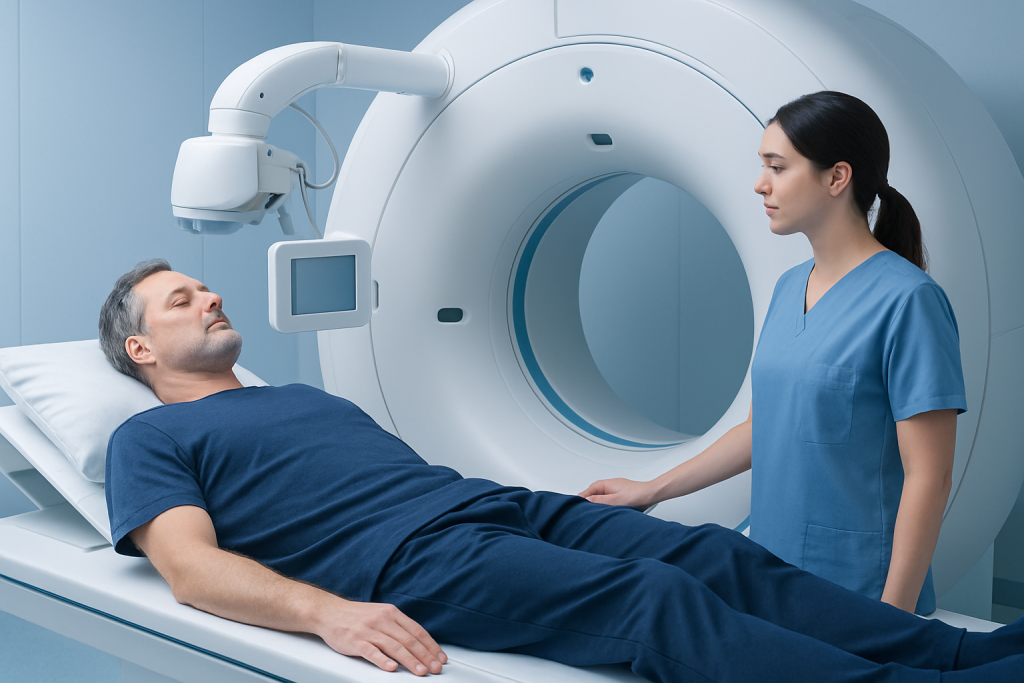
AVN symptoms depend on the bone affected and how far the condition has progressed. Early AVN may cause only vague discomfort, which can be mistaken for a muscle strain or routine joint overuse. As the bone weakens, pain usually becomes more noticeable and may appear with weight-bearing, movement, or pressure on the joint.
Common symptoms can include:
- Pain in the groin, hip, shoulder, knee, or another joint
- Pain that worsens with walking, lifting, or using the joint
- Stiffness or reduced range of motion
- Limping or favoring one side
- Pain that may continue at rest as the condition advances
When AVN affects the hip, people may notice pain in the groin, thigh, or buttock rather than directly at the joint itself. That pattern can be confusing, especially for someone navigating care in another country and trying to explain symptoms across language barriers. Clear symptom timing, location, and triggers help clinicians narrow the cause more quickly.
Causes & Risk Factors
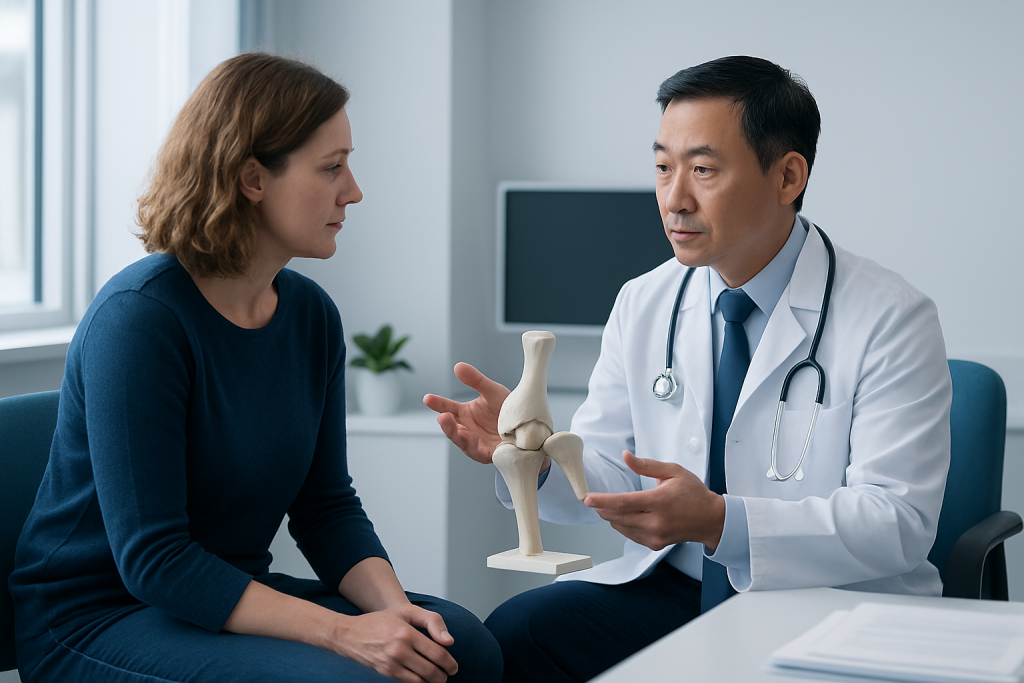
AVN happens when blood flow to bone is disrupted. Sometimes the cause is obvious, such as a fracture or dislocation that damages nearby vessels. In other cases, the trigger is less direct, and several factors may contribute at the same time. The common thread is impaired circulation to a segment of bone.
Known risk factors include:
- Previous injury to the bone or nearby blood vessels
- Long-term or frequent corticosteroid use
- Excessive alcohol use
- Blood-clotting disorders
- Some autoimmune or inflammatory conditions
- Sickle cell disease and certain blood disorders
- Radiation therapy or some cancer treatments
Not everyone with a risk factor develops AVN, and some people with AVN do not have a clear cause. That uncertainty can be frustrating, but it does not prevent treatment. What matters clinically is identifying the stage of the condition and whether the joint surface is still preserved. Early-stage AVN may sometimes be managed differently from advanced disease, so accurate staging is essential.
Diagnosis
Diagnosis usually starts with a detailed medical history and a physical examination. A clinician will ask about pain patterns, prior injuries, medication use, alcohol exposure, and any conditions that might affect blood flow or bone health. This conversation is not just routine paperwork; it often points toward the reason a joint is struggling.
Imaging plays a central role. X-rays may show changes once the bone has already started to collapse, but they can look normal in the early stages. MRI is often the most sensitive test for detecting AVN before major structural damage occurs. In some cases, CT scans or bone scans may also be used to clarify the extent of bone involvement.
When patients are traveling for care, it is helpful to bring prior imaging reports, medication lists, and a timeline of symptom changes. This can reduce delays and help the orthopedic team compare findings more efficiently. The goal is not only to label the condition, but to learn whether the bone can still be supported and the joint protected.
Treatment Options
Treatment for AVN is tailored to the stage, location, size of the affected area, and the person’s overall health. The main aim is to reduce pain, slow progression, and preserve joint function as long as possible. When AVN is found early, the options are often broader than many patients expect.
Non-surgical approaches may include activity modification, protected weight-bearing, pain-relief medicines recommended by a clinician, and management of contributing conditions such as steroid exposure or alcohol use. In some cases, doctors may suggest treatments that support bone health or address the underlying cause. These measures do not reverse all AVN, but they can be useful in carefully selected cases.
Procedural or surgical treatment may be considered when the bone is at higher risk of collapse or symptoms are affecting daily life. Options can include core decompression, bone grafting, osteotomy in selected cases, or joint replacement if the joint surface is significantly damaged. The best choice depends on the site and stage of AVN and whether preserving the natural joint is still realistic.
For international patients, treatment planning often includes more than the procedure itself. It may also involve coordinated imaging, pre-operative assessment, rehabilitation planning, and a follow-up schedule that can continue after returning home. A multidisciplinary orthopedic team can help make that pathway more predictable and safe.
Prevention & Self-care
Not every case of AVN can be prevented, especially when the cause is an injury or a medical condition outside a person’s control. Still, some measures may lower risk or help protect the joint once symptoms begin. The most useful step is early evaluation rather than waiting for pain to become severe.
Self-care and risk-reduction measures may include:
- Following medical advice on steroid use and avoiding unnecessary long-term exposure
- Limiting alcohol intake
- Managing chronic conditions such as blood disorders or autoimmune disease with regular care
- Using assistive devices or modifying activity if weight-bearing increases pain
- Keeping up with recommended rehabilitation exercises after treatment
People recovering after AVN treatment may need a staged return to activity. That can be especially relevant for patients who plan to fly home or resume work soon after care abroad. A clear discharge plan, including mobility guidance and warning signs to watch for, helps recovery continue smoothly after leaving the hospital.
When to See a Doctor
Medical evaluation is sensible when joint pain is persistent, unexplained, or linked to a known risk factor for AVN. This is especially important if pain is getting worse, movement is becoming limited, or a limp is developing. Early assessment can identify AVN before the bone collapses and may expand the range of treatment choices.
Urgent medical attention is appropriate if pain is severe after an injury, the joint cannot bear weight, or there is sudden loss of movement. Even when the symptoms are not dramatic, people with a history of corticosteroid use, heavy alcohol exposure, sickle cell disease, or prior joint trauma should not ignore ongoing pain in the hip, knee, or shoulder.
Acibadem Health Point’s multidisciplinary specialists and JCI-accredited hospitals diagnose and treat AVN for international patients, with coordinated orthopedic care that can support both treatment and follow-up planning. The most reassuring approach is usually the simplest one: get the joint assessed early, then build a plan based on the stage of the condition.
Living With AVN
Living with AVN often means balancing movement with protection. Many people continue to work, travel, and stay active, but they may need temporary changes to avoid worsening pain or stressing the affected bone. The exact plan depends on whether the condition is being monitored, treated conservatively, or managed after a procedure.
Rehabilitation is important because muscle strength, gait, and joint stability all influence how comfortably a person moves. A physiotherapist may guide exercises that maintain mobility without overloading the joint. Patients who are recovering abroad should ask for written instructions they can share with a local clinician once they return home.
Support also matters emotionally. Joint pain that lingers can disrupt sleep, mobility, and confidence in daily tasks. A good treatment plan addresses those practical issues alongside the imaging findings, helping patients understand what is happening and what the next step should be.
Frequently asked questions
What does AVN mean?
AVN stands for avascular necrosis. It means a section of bone has lost its normal blood supply and may begin to weaken or die. The hip is a common site, but AVN can affect other joints too.
Is AVN the same as arthritis?
No, AVN and arthritis are different conditions, although they can cause similar pain and stiffness. AVN starts with reduced blood flow to bone, while arthritis mainly affects the joint surfaces and surrounding tissues. Advanced AVN can eventually lead to arthritis-like joint damage.
Can AVN be detected early?
Yes, but early detection often depends on MRI rather than plain X-rays. Symptoms may be mild at first, so imaging is especially important when there are risk factors such as steroid use, alcohol exposure, or prior injury.
Does every person with AVN need surgery?
No, treatment depends on the stage and extent of bone involvement. Some early cases are managed with observation, activity changes, and treatment of contributing factors, while more advanced cases may need a procedure or joint replacement.
Can AVN go away on its own?
AVN does not usually reverse without treatment once the blood supply problem has caused damage. However, early diagnosis can help slow progression and protect the joint for longer. That is why persistent joint pain should be assessed by a doctor.
What should an international patient bring to an AVN appointment?
It helps to bring previous imaging, medical reports, a medication list, and a short timeline of symptoms. If possible, include details about steroid use, injuries, alcohol intake, and any blood or autoimmune conditions. These details help the orthopedic team make decisions faster.
References
- American Academy of Orthopaedic Surgeons
- National Institute of Arthritis and Musculoskeletal and Skin Diseases
- Mayo Clinic
- Cleveland Clinic
- World Health Organization
This article is for general information only and is not a substitute for professional medical advice. Please consult a qualified doctor about your individual situation.