

Hip Dysplasia: Symptoms, Causes and Treatment

Key Takeaways
- Hip dysplasia means the hip socket does not fully cover the ball of the thigh bone, which can affect stability and movement.
- Some babies have no obvious symptoms, so routine screening is important when risk factors are present.
- In children and adults, hip dysplasia may cause groin pain, limping, stiffness, clicking, or early arthritis.
- Treatment ranges from observation and bracing in infants to physical therapy, hip-preserving surgery, or joint replacement in selected adults.
- Early diagnosis can protect the joint and improve long-term function.
Medically reviewed by the Acıbadem clinical team — August 19, 2026
Hip dysplasia is a condition in which the hip joint does not form or fit as securely as it should. It can be found in infancy or later in life, and the right treatment depends on age, symptoms, and how unstable the joint is.
Overview
Hip dysplasia describes a hip joint that is too shallow, too loose, or both. In a healthy hip, the top of the thigh bone sits deeply and smoothly inside the socket of the pelvis. When that fit is incomplete, the joint can move in a way that places extra stress on cartilage, the labrum, and nearby tissues.
The condition is often discussed in relation to babies, but it is not limited to infancy. Some people are diagnosed in childhood after a limp or leg-length difference is noticed, while others only learn about it in adulthood when hip pain or early arthritis develops. For families deciding whether to travel for specialist care, the diagnosis may involve imaging, an examination by an orthopedist, and a plan that changes with the patient’s age and the severity of the joint problem.
When the hip is identified early, treatment is often simpler and more effective. Later diagnosis does not mean the joint cannot be helped; it simply means the approach may need to focus more on protecting the joint, easing symptoms, and preserving mobility for as long as possible.
Symptoms
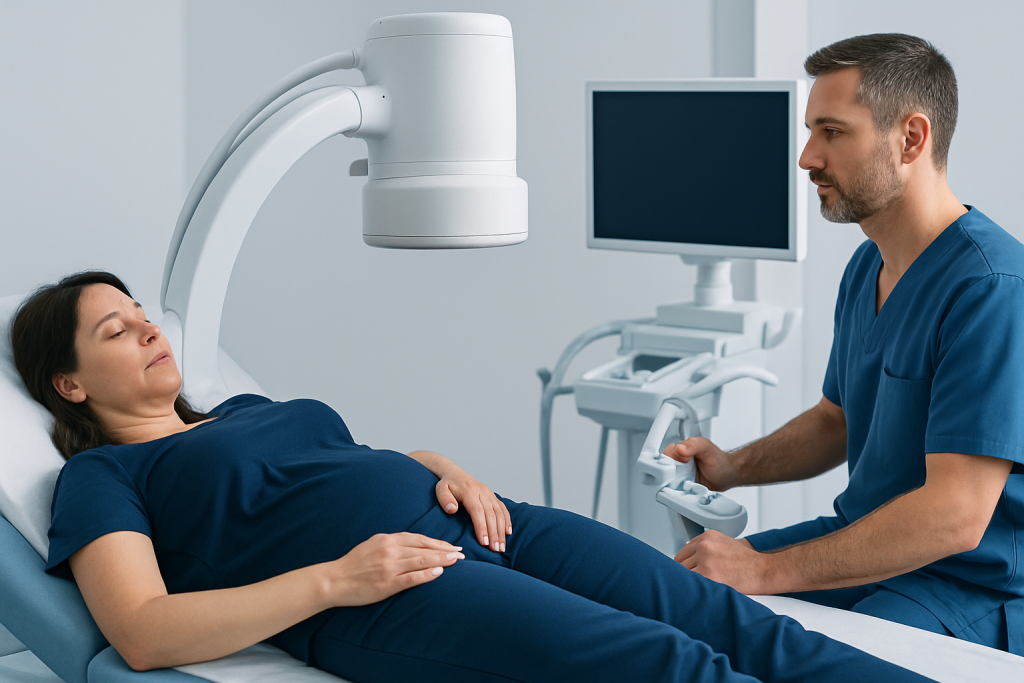
Symptoms can look very different depending on age. A newborn may not appear uncomfortable at all, which is one reason hip dysplasia can be missed without routine examination. In infants, a clinician may notice that one leg seems to open less fully, the skin folds around the thighs look uneven, or the hips feel unstable during a physical exam.
As children grow, signs may become easier to spot. A parent might notice limping, toe walking on one side, uneven leg length, or delayed walking in some cases. Older children and teens may describe pain in the groin, outer hip, or thigh, especially after sports or long periods of walking.
In adults, the pattern is often more subtle at first. Pain may come and go, stiffness may appear after sitting, and the hip may feel as if it catches, clicks, or tires easily. Some people also notice reduced range of motion when putting on shoes, crossing the legs, or climbing stairs.
- Groin, thigh, buttock, or outer hip pain
- Limping or waddling gait
- Clicking, catching, or instability in the hip
- Reduced flexibility or difficulty with rotation
- Leg-length difference in some cases
Causes & Risk Factors
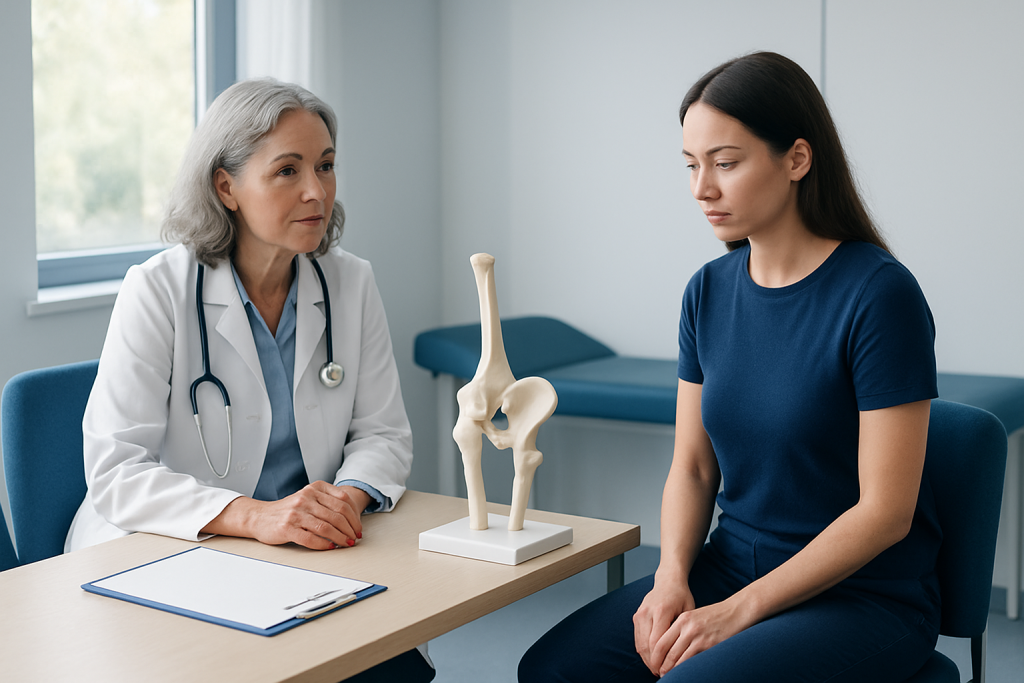
Hip dysplasia is usually related to development, not to anything a parent did or did not do. Before birth and during early growth, the shape of the socket and the alignment of the ball can be influenced by genetics, fetal positioning, and the way soft tissues develop. In many patients, there is no single cause that can be identified.
Certain factors make the condition more likely. Babies born in the breech position, first-born infants, and those with a family history of hip dysplasia may have a higher risk. It is also seen more often in girls than boys. Tight swaddling that keeps the legs straight and together may increase the chance of instability in some infants, which is why hip-friendly swaddling positions are often recommended.
In older children and adults, untreated childhood dysplasia can gradually lead to wear inside the joint. Over time, the labrum may be stressed, the cartilage may thin, and arthritis may develop earlier than expected. For international patients seeking care abroad, this is one reason specialists often review both current symptoms and the full history of childhood hip concerns, even if they seemed minor at the time.
Diagnosis
Diagnosis begins with a careful physical examination and a discussion of symptoms, birth history, activity level, and any family history of hip problems. In babies, clinicians look for signs of instability or limited abduction, while in older patients they assess gait, hip movement, pain location, and leg alignment.
Imaging is often the next step. In infants, ultrasound is commonly used because it shows soft tissues and the developing joint before bones are fully formed. In older children and adults, X-rays are more useful for measuring socket depth, coverage of the femoral head, and signs of arthritis. In some cases, MRI or CT scanning may be recommended to study the labrum, cartilage, or bone shape in more detail.
For patients traveling for treatment, it helps to bring any previous images or reports, even if they seem outdated. Comparing earlier and current studies can help the specialist understand whether the hip has been stable, worsening, or adapting over time. Diagnosis is not only about naming the condition; it is about deciding whether the joint still has room to be preserved and how urgently treatment should begin.
Treatment Options
Treatment depends strongly on age and on how well the hip is holding the ball in the socket. In some infants, close observation is enough when the joint is only mildly unstable and improving. In many young babies, a soft brace such as a Pavlik harness may be used to guide the hip into a healthier position while growth continues.
If bracing does not work or if the child is older, a doctor may recommend more structured treatment. Some children need a closed or open reduction to place the hip correctly, followed by a cast or brace. The goal in childhood is to support normal development and reduce the chance of later arthritis.
In adolescents and adults, treatment often focuses on preserving the joint if arthritis is limited. Physical therapy may help strengthen the muscles around the hip and improve movement, but it does not correct the socket shape itself. When symptoms persist and the joint is still salvageable, hip preservation surgery such as a periacetabular osteotomy may be considered. If arthritis is advanced, total hip replacement may be the most effective option for Knee Pain Relief: Causes and Treatment" class="ahp-ilk">pain relief and function.
Because each hip is different, there is no single plan that fits every patient. A specialist may also consider the patient’s travel needs, timing for rehabilitation, and how follow-up care will be arranged after returning home. In Acibadem Health Point’s multidisciplinary setting, orthopedists, imaging specialists, and rehabilitation teams work together to diagnose and treat hip dysplasia for international patients with coordinated planning.
Prevention & Self-care
Not all cases of hip dysplasia can be prevented, especially when the condition is related to growth and family history. Still, some practical steps can protect the joint and reduce strain while care is being arranged. For infants, proper swaddling matters: the legs should be able to bend and move outward naturally rather than being held tightly straight together.
For children and adults with known dysplasia, self-care focuses on joint-friendly habits. Low-impact exercise is usually easier on the hip than repeated jumping or high-impact running. Maintaining a healthy body weight can reduce load on the joint, and physical therapy may help improve muscle support and movement patterns.
It is also useful to pace activities that provoke pain, but not to avoid all movement. Gentle, guided exercise often helps preserve function better than prolonged rest. Patients considering surgery abroad should ask in advance about recovery expectations, mobility aids, and the timeline for starting rehabilitation once they are home.
- Use hip-safe swaddling for infants
- Follow screening and follow-up appointments closely
- Choose low-impact activity when possible
- Keep up with prescribed exercises or therapy
- Report worsening pain, limping, or stiffness promptly
When to See a Doctor
A doctor should evaluate any baby with a suspected hip problem, especially if a leg seems to move differently, one hip clicks repeatedly, or the family was told there are risk factors such as breech birth or a close relative with hip dysplasia. Early checks are gentle, and they can prevent delays in treatment during a period when the joint is still forming.
Children and adults should seek medical advice if hip pain becomes persistent, walking changes, or the hip feels unstable, stiff, or locked. Pain that limits sports, daily movement, or sleep deserves attention, even if it comes and goes. An earlier visit is often better than waiting for the symptoms to become routine.
Anyone with known dysplasia who develops increasing pain, reduced range of motion, or signs of arthritis should be reviewed by an orthopedic specialist. A tailored plan can help clarify whether monitoring, non-surgical treatment, hip-preserving surgery, or joint replacement is the most suitable next step.
Frequently asked questions
Is hip dysplasia always found in babies?
No. Some cases are detected in infancy, but others are first noticed in childhood, adolescence, or adulthood. The timing depends on how mild the joint changes are and whether symptoms appear early.
Can hip dysplasia go away on its own?
Mild instability in very young infants may improve as growth continues, but true dysplasia should be monitored by a clinician. If the socket is not forming well, treatment is usually needed to help the hip develop more normally.
What does hip dysplasia pain feel like in adults?
Adults often describe groin pain, stiffness after sitting, pain with walking, or clicking in the hip. Some also notice discomfort in the outer hip or thigh, especially during activity.
Is exercise safe if someone has hip dysplasia?
In many cases, yes, but the type and intensity matter. Low-impact exercise and guided physical therapy are often preferred, while high-impact activity may worsen symptoms in some people.
Does hip dysplasia always lead to arthritis?
Not always, but untreated or significant dysplasia can increase the risk over time because the joint surface is exposed to abnormal wear. Early diagnosis and appropriate treatment can help lower that risk.
Why might a specialist recommend surgery for hip dysplasia?
Surgery may be suggested when the hip remains unstable, pain is significant, or the joint is still worth preserving but needs better coverage. In advanced arthritis, joint replacement may be the more effective option.
References
- American Academy of Orthopaedic Surgeons
- Mayo Clinic
- National Institute of Arthritis and Musculoskeletal and Skin Diseases
- American Academy of Pediatrics
- NHS
This article is for general information only and is not a substitute for professional medical advice. Please consult a qualified doctor about your individual situation.
Joint and spine care in Turkey — expert assessment & treatment
JCI-accredited · board-certified surgeons · reply within 24h
Add us as a Preferred Source to see more of our trusted health content across Google Search, AI Overviews and Discover.
More from the Health Library



Related Specialists

Prof. Dr. Ahmet Alanay
Orthopedic Surgery & Traumatology
Dr. Sinan Aksu
Orthopedic Surgery & Traumatology
Dr. Sirri Baştürk
Orthopedic Surgery & Traumatology
Prof. Dr. Korhan Özkan
Orthopedic Surgery & Traumatology