

Torn Meniscus: Symptoms, Causes and Treatment

Key Takeaways
- A torn meniscus affects the cartilage that cushions the knee joint and can cause pain, swelling, catching, or limited movement.
- The injury may follow a sudden twist or develop gradually with age-related wear and tear.
- Diagnosis usually includes a physical exam and may involve MRI or other imaging.
- Treatment ranges from rest and rehabilitation to surgery, depending on the tear and symptoms.
- Early medical assessment can help protect knee function and guide a safe return to activity.
Medically reviewed by the Acıbadem clinical team — August 19, 2026
A torn meniscus is a common knee injury that can happen during sports, twisting movements, or everyday activities, especially when the knee is under strain. With the right diagnosis and treatment, many people regain comfort, stability, and function in the knee.
Overview
The meniscus is a pair of C-shaped pads of cartilage inside the knee. Each knee has one on the inner side and one on the outer side, and together they help absorb shock, spread load, and keep movement smooth when a person walks, runs, bends, or pivots.
A torn meniscus means one of these pads has been damaged. The tear may happen suddenly during a twist, squat, or awkward landing, or it may appear more gradually as the tissue becomes less resilient over time. Some tears are small and settle with conservative care, while others interfere with daily movement and need more structured treatment.
For international patients, this condition often becomes a practical question as much as a medical one: whether the knee can be managed safely at home, whether imaging is needed right away, and how soon it is reasonable to travel or return to work, sport, or caregiving duties. A thoughtful orthopedic evaluation helps answer those questions with the least disruption.
Symptoms
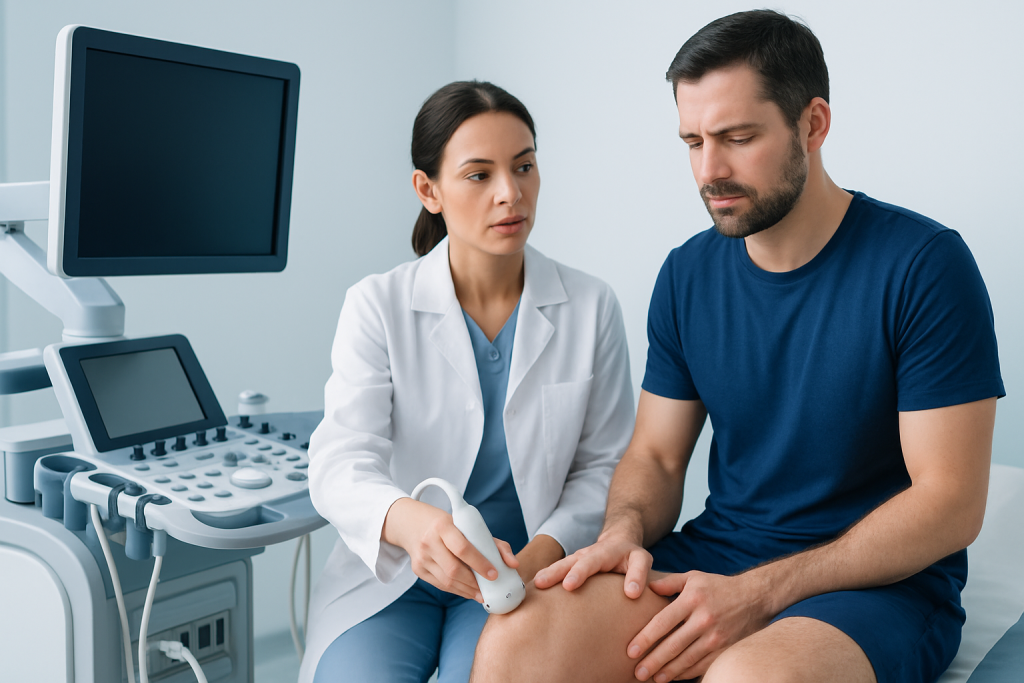
The symptoms of a torn meniscus can vary widely. Some people remember a clear twisting moment, while others notice the knee gradually becoming painful or less reliable during ordinary activities such as climbing stairs or standing from a chair.
Common signs include pain along the knee joint line, swelling that may develop over several hours, stiffness, and a feeling that the knee is catching or locking. Some people describe clicking or a sense that the knee may give way, especially when turning or changing direction.
Not every tear causes severe symptoms. Small tears may allow normal walking but become noticeable with sports, deep bending, or kneeling. Because the experience can overlap with other knee problems, a professional assessment is important rather than relying on pain alone to identify the cause.
Causes & Risk Factors
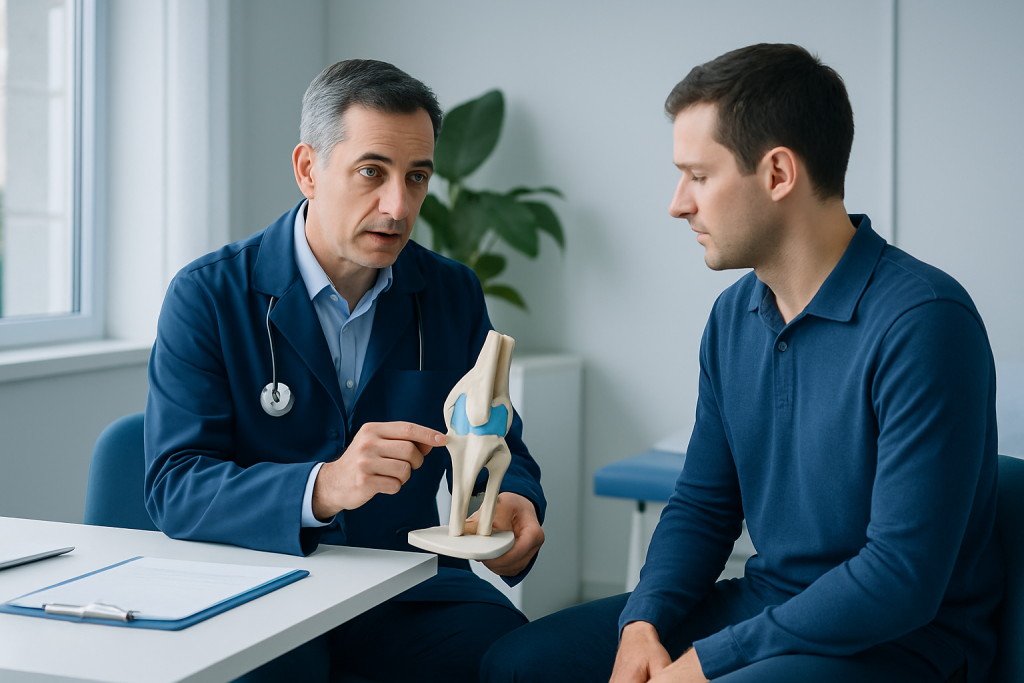
In younger adults, a torn meniscus often follows a sports-related twist or forceful pivot. Activities that involve sudden direction changes, jumping, or contact can place the meniscus under enough stress to tear, especially if the foot stays planted while the body rotates.
In older adults, the tissue may be more vulnerable to wear and tear. In these cases, a tear can occur with a smaller movement, such as crouching, lifting, or rising from a low seat. Existing knee arthritis, previous injury, or reduced muscle support around the knee can also increase strain on the joint.
- Pivoting or twisting sports
- Deep squatting or repeated kneeling
- Prior knee injury
- Age-related cartilage changes
- Muscle weakness or poor knee alignment
Body weight, occupational demands, and overall joint health may influence how much stress the knee carries day to day. The same tear can feel very different from one person to another depending on activity level, age, and whether other structures in the knee are also affected.
Diagnosis
Diagnosis usually begins with a detailed history and a careful examination of the knee. A clinician will ask how the injury happened, where the pain is located, whether the knee swells, and whether the joint locks, catches, or feels unstable.
Physical tests may help suggest meniscus injury, but they do not always show the full picture. Imaging is often considered when symptoms persist, when the injury is significant, or when a treatment plan depends on understanding the size and location of the tear. MRI is the most useful imaging test for many meniscus injuries because it shows soft tissue clearly.
X-rays do not show the meniscus itself, but they may be ordered to look for arthritis, fractures, or alignment issues that can influence treatment. For patients traveling from another country, it is helpful to bring any prior scans, notes, or operative reports, since these can reduce repetition and speed up decision-making.
Treatment Options
Treatment depends on the type of tear, the person’s age and activity needs, and whether the knee is mechanically obstructed. Many tears, especially those that are small or degenerative, can improve with non-surgical care focused on symptom control and rehabilitation.
Conservative treatment may include activity modification, short-term rest from aggravating movements, cold application, and a structured physiotherapy program. Rehabilitation aims to restore range of motion, reduce swelling, and strengthen the muscles that support the knee, particularly the quadriceps and hamstrings. Supportive bracing may be used in some cases, although it is not right for everyone.
Surgery may be considered when the tear causes persistent locking, significant instability, or ongoing pain despite rehabilitation. Arthroscopic procedures are commonly used for meniscus repair or partial meniscectomy, depending on the tear pattern and tissue quality. Repair is often preferred when the tear can heal, while trimming the damaged portion may be more suitable for tears that cannot be repaired effectively.
The right plan is individualized. In some cases, the more conservative path is the safest first step; in others, early surgical assessment can help protect knee function and avoid prolonged limitation. A specialist will usually weigh symptoms, imaging, general health, travel plans, and recovery expectations before recommending a route forward.
Prevention & Self-care
Not every meniscus tear can be prevented, but good knee habits can reduce strain and support recovery. Strong thigh and hip muscles help stabilize the knee, and gradual training is safer than sudden increases in intensity or workload.
People returning to exercise after a knee problem should increase activity step by step, with attention to warm-up, flexibility, and recovery time. Proper footwear, careful technique for squatting and lifting, and attention to body mechanics also matter, especially for those whose work or sport involves repeated bending or turning.
For self-care after a suspected or confirmed tear, it is usually sensible to avoid movements that trigger sharp pain, allow swelling to settle, and follow the treatment plan given by the care team. A patient traveling for treatment should ask in advance about mobility needs, follow-up timing, and whether rehabilitation can continue near home after the initial evaluation.
When to See a Doctor
Medical review is important when knee pain follows a twist, pop, or Pain Relief" class="ahp-ilk">sports injury, or when swelling and stiffness do not settle as expected. A person should also seek assessment if the knee locks, gives way, or becomes difficult to straighten fully.
Prompt evaluation is especially helpful when walking becomes painful, symptoms interfere with work or travel, or the knee injury occurs alongside a major swelling event. Even when the pain seems manageable, a specialist can help distinguish a meniscus tear from ligament injury, arthritis flare, or another knee problem that may need a different approach.
For people considering care away from home, coordinated orthopedic assessment can simplify the process. Acibadem Health Point’s multidisciplinary specialists and JCI-accredited hospitals can diagnose and treat meniscus injuries for international patients, while also helping plan follow-up and recovery in a way that fits the person’s travel timeline.
Frequently asked questions
Can a torn meniscus heal without surgery?
Some meniscus tears improve with non-surgical treatment, especially if the tear is small, stable, or related to wear and tear. Rest, rehabilitation, and activity changes may be enough for many people. A clinician can advise whether healing without surgery is realistic in a specific case.
What does a torn meniscus feel like?
People often feel pain along the side of the knee, swelling, stiffness, or a catching sensation. Some also notice clicking, locking, or the knee giving way. The pattern can vary, so an exam is needed to confirm the cause.
Is it safe to keep walking with a torn meniscus?
It depends on the severity of symptoms and whether the knee feels stable. Gentle walking may be acceptable in some cases, but activities that increase pain, swelling, or locking should be avoided until a clinician gives guidance. If walking becomes difficult, medical review is a good idea.
How is a torn meniscus diagnosed?
A doctor usually starts with questions about the injury and a physical knee examination. MRI is often used when imaging is needed to see the meniscus and plan treatment. X-rays may also help rule out other causes of pain.
How long is recovery after meniscus treatment?
Recovery varies depending on the tear and whether treatment is conservative or surgical. Rehabilitation may take a few weeks to several months, especially if surgery is needed. A tailored plan from the care team gives the best sense of timing.
Can a meniscus tear come back after treatment?
A repaired or treated meniscus can be vulnerable again if the knee is overloaded or another twist occurs. Strengthening, careful return to activity, and good movement habits help reduce repeat injury. Ongoing knee pain should be assessed rather than ignored.
References
- American Academy of Orthopaedic Surgeons
- Mayo Clinic
- National Institute of Arthritis and Musculoskeletal and Skin Diseases
- NHS
- American Orthopaedic Society for Sports Medicine
This article is for general information only and is not a substitute for professional medical advice. Please consult a qualified doctor about your individual situation.
Joint and spine care in Turkey — expert assessment & treatment
JCI-accredited · board-certified surgeons · reply within 24h
Add us as a Preferred Source to see more of our trusted health content across Google Search, AI Overviews and Discover.
More from the Health Library



Related Specialists

Prof. Dr. Ahmet Alanay
Orthopedic Surgery & Traumatology
Dr. Sinan Aksu
Orthopedic Surgery & Traumatology
Dr. Sirri Baştürk
Orthopedic Surgery & Traumatology
Prof. Dr. Korhan Özkan
Orthopedic Surgery & Traumatology