Hematochezia: Causes and Treatment

Key Takeaways
- Hematochezia means bright red or maroon blood seen in or on the stool.
- Common causes include hemorrhoids, anal fissures, diverticular bleeding, colitis, polyps, and colorectal cancer.
- The pattern of bleeding, associated pain, bowel changes, and overall health help guide evaluation.
- Tests such as a rectal exam, blood work, and colonoscopy may be needed to find the source.
- Prompt medical review is important if bleeding is heavy, repeated, or paired with dizziness, weakness, or abdominal pain.
Medically reviewed by the Acıbadem clinical team — August 19, 2026
Hematochezia refers to visible blood in the stool, usually from the lower digestive tract. While it can come from mild causes, it also deserves timely medical attention because the source is not always obvious without examination.
Overview
Hematochezia is the medical term for passing visible blood through the rectum, most often as bright red blood mixed with stool, coating the stool, or appearing in the toilet bowl. It usually points to bleeding somewhere in the lower digestive tract, although the exact source can vary from a small anal tear to a condition deeper in the colon.
For many people, seeing blood in the stool is unsettling, but the meaning depends on the pattern, amount, and associated symptoms. A few streaks of blood after hard stools may have a very different explanation from repeated bleeding with cramping, diarrhea, or weight loss. The key is not to guess too early, because several different conditions can produce a similar appearance.
From a patient perspective, hematochezia often becomes part of a broader question: Is this a one-time irritation, or does it signal something that needs more organized evaluation? That is where a careful medical history, a physical exam, and sometimes endoscopic testing help narrow the cause and guide treatment.
Symptoms
The most obvious sign is visible blood. It may be bright red, dark red, or maroon, depending on how quickly it moved through the bowel and where the bleeding started. Some people notice blood only on toilet paper, while others see it mixed with the stool or pooled in the toilet water.
Hematochezia can appear on its own, but doctors also pay close attention to accompanying symptoms. Pain with bowel movements may suggest an anal fissure or hemorrhoids, while abdominal cramping and diarrhea can point toward inflammation or infection. Constipation, changes in stool caliber, fatigue, or unintentional weight loss deserve careful discussion because they may suggest a more significant underlying issue.
Other symptoms can help build the clinical picture:
- Rectal discomfort or itching
- Urgent or frequent bowel movements
- Mucus in the stool
- Lightheadedness or weakness if bleeding is more substantial
- Pale skin or shortness of breath if blood loss has affected red blood cells
Not every symptom means severe disease, but patterns matter. A doctor will use the whole story rather than the blood alone to decide how quickly evaluation should happen.
Causes & Risk Factors

Several conditions can cause hematochezia, and some are more common than others. Hemorrhoids are a frequent reason, especially when blood appears on toilet paper or the surface of stool after straining. Anal fissures, which are small tears in the lining of the anus, can also cause bright red bleeding and pain during bowel movements.
Bleeding may also come from the colon itself. Diverticular bleeding, inflammatory bowel disease, infectious colitis, colon polyps, and colorectal cancer are among the important causes doctors consider. In some people, medications that affect clotting can make bleeding more noticeable or harder to stop. Vascular abnormalities, such as angiodysplasia, may also contribute, particularly in older adults.
Risk factors depend on the cause, but common ones include:
- Chronic constipation or frequent straining
- A history of hemorrhoids or anal fissures
- Inflammatory bowel disease
- Older age
- Use of blood thinners or certain pain relievers
- A family history of colorectal polyps or cancer
Travelers or people living abroad may face an added challenge: local emergency care may be easy to access, but follow-up can be fragmented once they return home. That is one reason it helps to document when bleeding started, what it looked like, and whether any related symptoms were present.
Diagnosis
Diagnosis starts with a detailed history. A clinician will usually ask when the bleeding began, how much blood was seen, whether it was bright red or darker, and whether it was associated with pain, diarrhea, constipation, fever, or abdominal discomfort. Medication use is also important, especially blood thinners and drugs that can irritate the gastrointestinal tract.
A physical exam often includes checking for signs of anemia, abdominal tenderness, and a rectal examination. In many cases, looking directly at the anal area can reveal hemorrhoids, fissures, or other local causes. If the bleeding source is not obvious, further testing may be needed to examine the lower bowel more fully.
Common diagnostic tools include:
- Blood tests to check for anemia, infection, or clotting concerns
- Stool tests when infection or inflammation is suspected
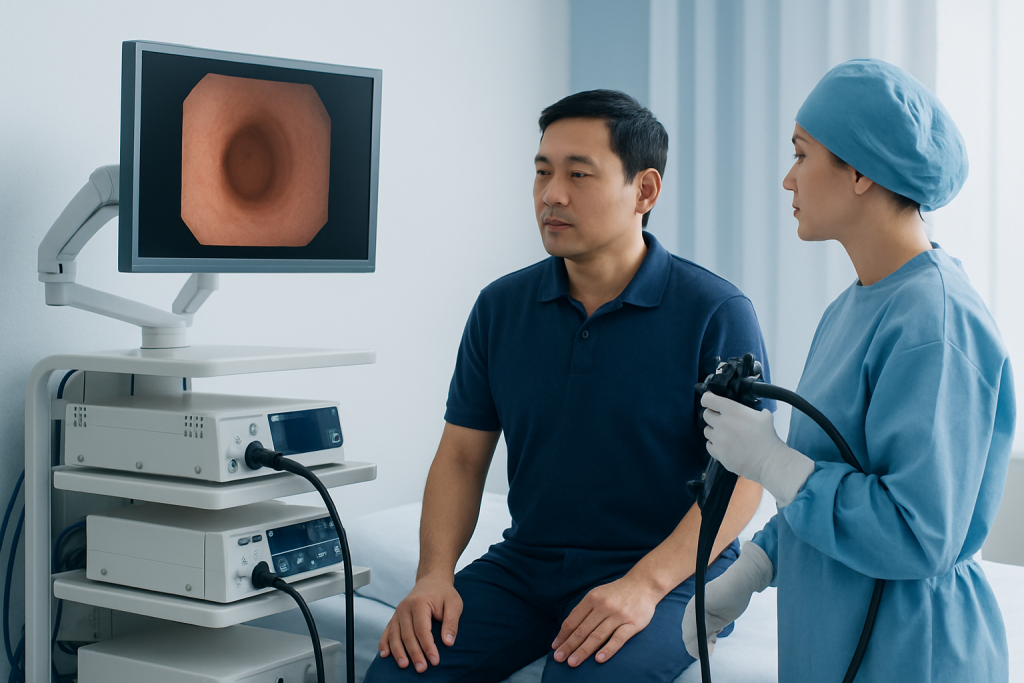
- Colonoscopy to inspect the colon and identify bleeding sources
- Flexible sigmoidoscopy in selected cases
- Imaging studies if bleeding is brisk or the source remains unclear
The choice of test depends on age, symptoms, risk factors, and how active the bleeding is. For someone seeking care while traveling, it is useful to bring any prior reports, medication lists, and discharge summaries, because they can shorten the time needed to reach an accurate diagnosis.
Treatment Options
Treatment depends entirely on the cause. Minor hemorrhoids or fissures may improve with stool-softening strategies, local care, and changes that reduce straining. Inflammatory conditions, infections, or diverticular bleeding may require medicines, observation, or procedures to control blood loss. Polyps and suspicious growths are often removed or biopsied during colonoscopy.
When bleeding is active or more severe, treatment focuses first on stabilization. That may include fluids, blood tests, and close monitoring. Some causes can be treated during endoscopy with cauterization, clipping, or injection methods, while others are managed with medication or surgery if needed. The exact plan is guided by the source, the amount of blood loss, and the person’s overall health.
It is best not to self-treat persistent hematochezia without understanding the cause, especially if it is new or unexplained. A person may assume the bleeding is “just hemorrhoids,” but recurring blood can sometimes mask a more significant problem. A proper evaluation helps avoid both under-treatment and unnecessary worry.
Prevention & Self-care
Not every cause of hematochezia is preventable, but some practical habits can lower the chance of bleeding related to constipation, fissures, or hemorrhoids. Gentle bowel habits matter: the goal is to avoid repeated straining and to keep stools soft and easy to pass. Regular hydration, dietary fiber, and routine physical activity often help support that goal.
People who have been told they have hemorrhoids or fissures may benefit from a consistent bowel routine rather than rushing or delaying urges. If a medicine may be increasing bleeding risk, it should only be adjusted with a doctor’s advice. For those with inflammatory bowel disease or another chronic bowel condition, following the treatment plan and attending follow-up visits can reduce flare-related bleeding.
Helpful self-care steps may include:
- Increasing fiber gradually, if appropriate
- Drinking enough fluids unless restricted for another medical reason
- Avoiding prolonged straining on the toilet
- Using medications only as prescribed
- Keeping a record of bleeding episodes and associated symptoms
For international patients, a symptom diary can be especially valuable. It gives the treating team a clearer timeline when care continues across borders or after returning home.
When to See a Doctor
Any new episode of blood in the stool should be discussed with a healthcare professional, especially if the cause is not already known. Even when the bleeding seems minor, a medical review can help determine whether the source is likely to be local and harmless or something that needs investigation.
Urgent assessment is important if bleeding is heavy, repeated, or accompanied by dizziness, fainting, shortness of breath, chest pain, severe abdominal pain, fever, or black tarry stool. A person should also seek prompt medical attention if there is unexplained weight loss, persistent change in bowel habits, or a family history of colorectal cancer along with rectal bleeding.
When care is sought abroad or during travel, continuity matters. Acibadem Health Point’s multidisciplinary specialists and JCI-accredited hospitals diagnose and treat hematochezia for international patients with coordinated evaluation and follow-up planning. That can be especially helpful when the next step involves ongoing monitoring after the person returns home.
Frequently asked questions
Is hematochezia always an emergency?
Not always, but it should never be ignored. Small amounts of bright red blood may come from hemorrhoids or a fissure, yet the only way to know is through proper medical assessment. Heavy bleeding or bleeding with dizziness, weakness, or abdominal pain needs urgent care.
What is the difference between hematochezia and melena?
Hematochezia usually refers to bright red or maroon blood passed from the rectum, often suggesting a lower gastrointestinal source. Melena is black, tarry stool and more often points to bleeding higher up in the digestive tract. The color and appearance help guide evaluation, but they do not replace a doctor’s exam.
Can hemorrhoids cause hematochezia?
Yes, hemorrhoids are a common cause of bright red blood, especially after straining or wiping. Still, blood should not automatically be blamed on hemorrhoids, particularly if the bleeding is new, recurrent, or linked with other symptoms. A clinician may need to rule out other causes.
What tests are commonly used to find the cause?
Doctors often start with a history, physical exam, and blood tests. Depending on the situation, they may recommend stool tests, a sigmoidoscopy, or a colonoscopy. Imaging may be used when bleeding is brisk or the source remains unclear.
What can a person do while waiting to be seen?
It helps to note how much blood was seen, what color it was, and whether there was pain, constipation, diarrhea, or fever. A person should stay hydrated if able, avoid straining, and follow any current medication instructions unless a doctor advises otherwise. If the bleeding becomes heavy or new symptoms appear, medical attention should be sought promptly.
Can hematochezia come and go?
Yes, some causes bleed intermittently, so the symptom may stop and start again. That does not necessarily mean the issue has resolved. Recurrent episodes still deserve evaluation, because the underlying cause may need treatment.
References
- National Institute of Diabetes and Digestive and Kidney Diseases
- American College of Gastroenterology
- Mayo Clinic
- Cleveland Clinic
- World Gastroenterology Organisation
This article is for general information only and is not a substitute for professional medical advice. Please consult a qualified doctor about your individual situation.
Persistent digestive symptoms? Get evaluated in Turkey
JCI-accredited · board-certified surgeons · reply within 24h
Add us as a Preferred Source to see more of our trusted health content across Google Search, AI Overviews and Discover.