Colon Polyps

Key Takeaways
- Most colon polyps do not cause symptoms, which is why screening matters.
- Not every polyp becomes cancer, but some types carry a higher risk and need closer follow-up.
- Colonoscopy can both detect and remove many polyps during the same procedure.
- Age, family history, certain inherited conditions, and some lifestyle factors can raise risk.
- A doctor may recommend a surveillance schedule after a polyp is removed to watch for new growths.
Colon polyps are growths on the lining of the large intestine that are often harmless at first but deserve attention because some can develop into cancer over time. With screening, careful diagnosis, and the right follow-up plan, many polyps can be found early and removed safely.
Overview
Colon polyps are small growths that form on the inner lining of the colon, also called the large intestine, or the rectum. They are common, and many people learn they have them only after a screening test rather than because of symptoms.
The important point is not simply whether a polyp is present, but what type it is and how it behaves under the microscope. Some polyps remain harmless, while others are considered precancerous because they may slowly change over time. That is why doctors take them seriously even when a person feels completely well.
For people arranging care from another country, this condition is often diagnosed during a planned screening trip or after a positive stool test at home. In many cases, the practical question is whether a colonoscopy can be scheduled efficiently, whether a polyp can be removed in the same setting, and what follow-up will be needed once the person returns home.
Symptoms
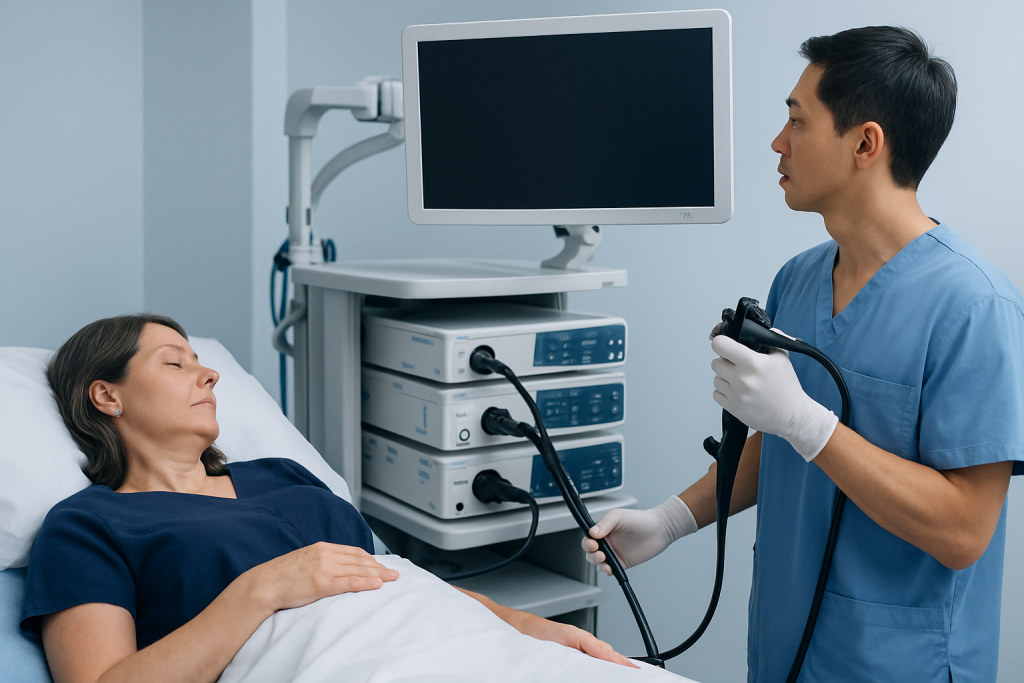
Many colon polyps cause no symptoms at all. This silent behavior is one reason routine screening is so valuable: a person may have no warning signs while a polyp is still easy to remove.
When symptoms do occur, they are often vague and can overlap with other digestive conditions. A person may notice rectal bleeding, blood in the stool, changes in bowel habits, or abdominal discomfort. Larger polyps can sometimes lead to mucus in the stool or signs of anemia if they bleed slowly over time.
Symptoms are not a reliable way to judge how serious a polyp is. Small polyps can still matter if they have a higher-risk tissue pattern, while a larger one may turn out to be benign. For that reason, testing rather than guesswork is the safest way to move forward.
- Rectal bleeding or blood in the stool
- Unexplained iron-deficiency anemia
- Change in stool frequency or consistency
- Abdominal pain or cramping
- Mucus in the stool
Causes & Risk Factors
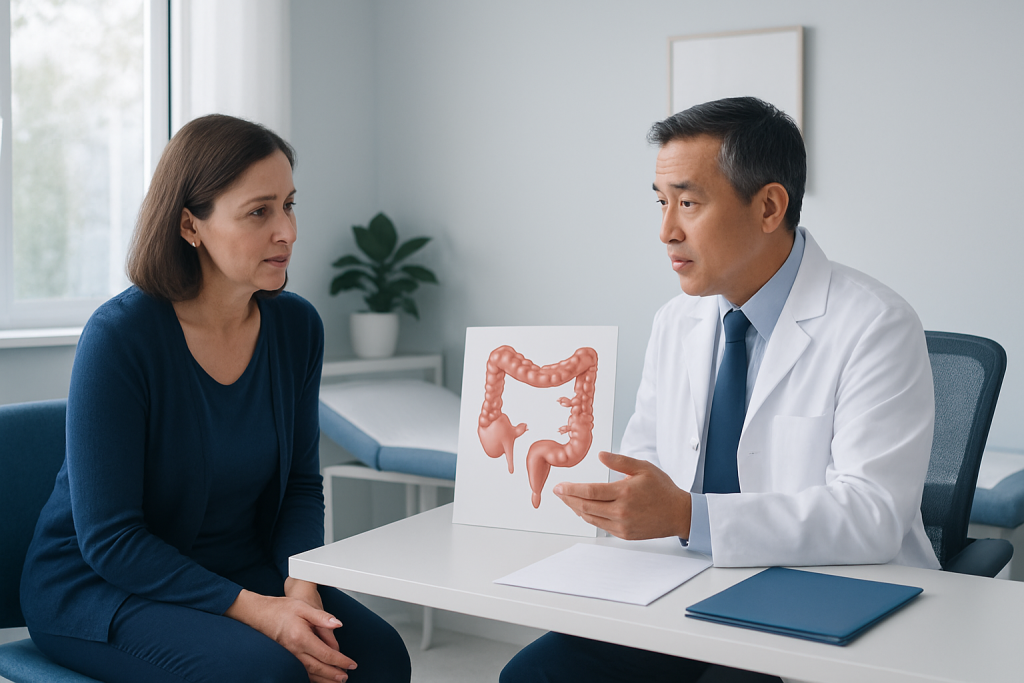
Colon polyps develop when cells in the lining of the colon grow in an unusual way. The exact reason this happens is not always clear, but the process is linked to changes in the cell’s genetic material and the local environment of the bowel.
Risk tends to rise with age, especially after middle age, though younger adults can develop polyps as well. A family history of colon polyps or colorectal cancer matters because shared genes and similar health patterns can increase the chance of developing them. Certain inherited syndromes, such as familial adenomatous polyposis and Lynch syndrome, also raise risk significantly.
Some lifestyle and health factors are associated with a higher likelihood of polyps. These may include smoking, excess body weight, low physical activity, and diets that are high in processed foods and low in fiber. People with inflammatory bowel disease may also have a greater risk, particularly when inflammation has been present for a long time.
Doctors also pay attention to previous polyp history. If a person has already had one polyp removed, they may be more likely to develop another later, which is why surveillance plans are individualized after treatment.
Diagnosis
Diagnosis usually begins with screening rather than with emergency testing. Colonoscopy is the most direct way to examine the colon, because it allows a doctor to see the lining, identify polyps, and remove many of them during the same procedure.
If a stool-based screening test shows blood or another abnormal finding, colonoscopy is often the next step. Other imaging or screening tests may be used in some situations, but colonoscopy remains the most complete evaluation when a polyp is suspected. If a polyp is removed, it is typically sent to a pathology laboratory so the tissue type can be confirmed.
That pathology report matters because it guides follow-up. The doctor looks at the size of the polyp, how many were found, where they were located, and whether the cells show features that suggest a higher chance of future growth. This is often what determines the timing of the next colonoscopy.
For international patients, a clear written summary is especially helpful. Before travel ends, it is wise to ask for the procedure report, pathology results, and a surveillance recommendation that can be shared with a local doctor at home.
Treatment Options
Removal is the main treatment for most colon polyps. During colonoscopy, the doctor may use a wire loop, forceps, or another tool to remove the growth. This is often done on an outpatient basis, and many people go home the same day.
Not all polyps are treated in exactly the same way. Very small polyps may be removed simply, while larger or more complex ones may need advanced endoscopic techniques. If a polyp cannot be removed safely with standard colonoscopy, surgery may occasionally be recommended, especially when there is concern about cancer or when the shape and location make endoscopic removal difficult.
After removal, the laboratory result helps determine whether any further treatment is needed. Most people do not need medication for the polyp itself. Instead, the next step is usually surveillance, meaning repeat colonoscopy at an interval based on the person’s risk profile and the pathology findings.
When treatment is planned abroad, patients often benefit from thinking beyond the procedure itself. They may need coordinated aftercare, instructions for when to resume normal eating and activity, and a handoff plan that explains what their home physician should monitor once they return.
Prevention & Self-care
Not every polyp can be prevented, but healthy habits and regular screening can lower risk and improve early detection. The most practical preventive step is staying current with Colon Cancer Screening" class="ahp-ilk">colon cancer screening, especially for those who have reached the age recommended by their doctor or who have a family history that calls for earlier testing.
Daily habits also matter. A diet that includes fruits, vegetables, whole grains, and other fiber-rich foods may support bowel health, while limiting smoking and keeping body weight in a healthy range can help reduce overall risk. Regular movement is useful not only for digestion but also for general metabolic health.
Self-care after polyp removal is usually simple, but it should follow the doctor’s instructions. Some people may have brief bloating or mild cramping after colonoscopy, and they are usually advised about eating, hydration, and temporary activity limits. Any unusual bleeding, severe pain, fever, or persistent symptoms should be reported promptly.
- Keep up with screening and follow-up colonoscopies
- Follow a fiber-rich, balanced eating pattern
- Avoid tobacco use
- Stay physically active as advised
- Bring prior reports to every new appointment, especially when care is shared across countries
When to See a Doctor
A doctor should be consulted if there is rectal bleeding, unexplained anemia, a persistent change in bowel habits, or ongoing abdominal discomfort. These symptoms do not always mean a polyp is present, but they do deserve evaluation rather than watchful waiting.
It is also important to speak with a clinician if there is a family history of colon polyps, colorectal cancer, or a known inherited syndrome. People who have had polyps removed should follow the recommended surveillance schedule, even if they feel perfectly well, because new polyps can develop later.
Anyone traveling for care should ask for a clear discharge summary and pathology report before leaving. If questions remain after returning home, follow-up with a local gastroenterologist is a sensible next step. Acibadem Health Point’s multidisciplinary specialists and JCI-accredited hospitals diagnose and treat colon polyps for international patients, with care planning designed to fit both the procedure and the follow-up that comes after travel.
Living With a Polyp History
A history of colon polyps does not automatically mean a person will develop cancer. In fact, finding and removing a polyp is often a preventive success, because it stops a possible problem before it has the chance to progress.
What matters most after treatment is consistency. Keeping follow-up appointments, understanding the pathology result, and sharing the information with the next doctor in the care chain all help create a safer long-term plan. This is especially important for people who move between countries for work, family, or treatment.
It can be helpful to keep a simple health folder with colonoscopy reports, pathology results, and recommended dates for the next examination. That record makes future care easier, whether the next appointment happens locally or during another planned visit abroad.
Frequently asked questions
Are colon polyps always cancerous?
No. Many colon polyps are benign, and some never turn into cancer. However, certain types can become precancerous over time, which is why doctors usually recommend removing them and sending them for laboratory analysis.
Can colon polyps cause pain?
Most colon polyps do not cause pain. If discomfort is present, it is usually nonspecific and can overlap with many other digestive conditions, so evaluation is needed to understand the cause.
How are colon polyps usually found?
They are often found during colonoscopy, sometimes after a stool test shows an abnormal result. Because many polyps do not cause symptoms, screening is the most reliable way to detect them early.
Do all polyps need to be removed?
In general, doctors remove most colon polyps because it helps prevent future problems and allows the tissue to be tested. The approach may vary depending on size, location, and how the polyp looks during the procedure.
Will I need another colonoscopy after a polyp is removed?
Often, yes. The timing depends on how many polyps were found, their size, and the pathology results. The doctor uses those details to recommend the safest follow-up interval.
What should an international patient bring to follow-up care?
It is helpful to bring the colonoscopy report, pathology results, discharge instructions, and any surveillance recommendations. These documents make it easier for the next doctor to continue care without gaps.
References
- Mayo Clinic
- National Cancer Institute
- American Society for Gastrointestinal Endoscopy
- American College of Gastroenterology
- World Health Organization
This article is for general information only and is not a substitute for professional medical advice. Please consult a qualified doctor about your individual situation.