

HELLP Syndrome: Symptoms, Causes and Treatment

Key Takeaways
- HELLP syndrome usually develops during pregnancy, often in the third trimester, but it can also appear after delivery.
- The condition affects the liver and blood cells, and it is often related to preeclampsia.
- Right upper abdominal pain, nausea, vomiting, headache, and swelling can be important warning signs.
- HELLP syndrome is diagnosed with blood tests and close clinical evaluation, sometimes alongside fetal monitoring.
- Treatment often requires prompt hospital care and delivery planning based on the mother’s and baby’s condition.
Medically reviewed by the Acıbadem clinical team — August 19, 2026
HELLP syndrome is a rare but serious pregnancy-related condition that involves problems with the liver and blood clotting system. Understanding the warning signs can help expectant mothers seek care quickly and reduce the chance of complications for both mother and baby.
Overview
HELLP syndrome is a pregnancy complication that needs prompt medical attention. The name comes from three main features of the condition: Hemolysis (breakdown of red blood cells), Elevated Liver enzymes, and Low Platelet count. These changes can affect how the body carries oxygen, how the liver works, and how well the blood clots.
It is most often seen in the later stages of pregnancy, though it can sometimes develop after childbirth. HELLP syndrome is closely linked to preeclampsia, a condition involving high blood pressure in pregnancy and signs of organ stress. In some people, HELLP appears with clear preeclampsia symptoms; in others, it may begin in a less obvious way, which is why new symptoms during pregnancy should never be ignored.
For Myomectomy Recovery for International Patients: The Usual Travel Timeline" class="ahp-ilk">international patients, the practical concern is not only recognizing the condition but also getting to a hospital that can check both mother and baby quickly, repeat tests when needed, and coordinate obstetric, laboratory, and neonatal care without delay.
Symptoms
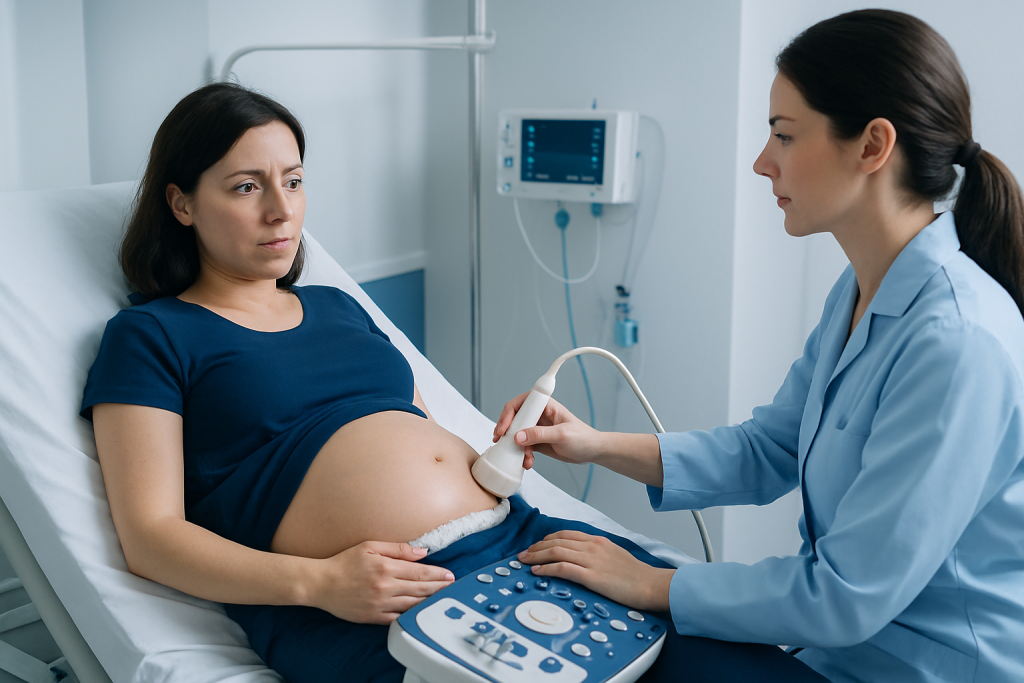
HELLP syndrome does not always look dramatic at the start. Some people notice vague discomfort first, such as feeling unwell, unusually tired, or “not quite right.” Because pregnancy commonly causes aches and nausea, these early signals can be easy to dismiss unless they are new, persistent, or getting worse.
Common symptoms may include:
- Pain in the upper right side of the abdomen or under the ribs
- Nausea or vomiting, especially when it appears later in pregnancy
- Headache that does not settle with rest
- Blurred vision or other visual changes
- Swelling, particularly in the hands, face, or feet
- Feeling unusually weak, short of breath, or unwell
Some people also develop high blood pressure, but blood pressure alone does not tell the whole story. HELLP syndrome can progress quickly, so symptoms that seem “just like pregnancy” but feel stronger, sharper, or more sudden than usual deserve medical review.
Causes & Risk Factors
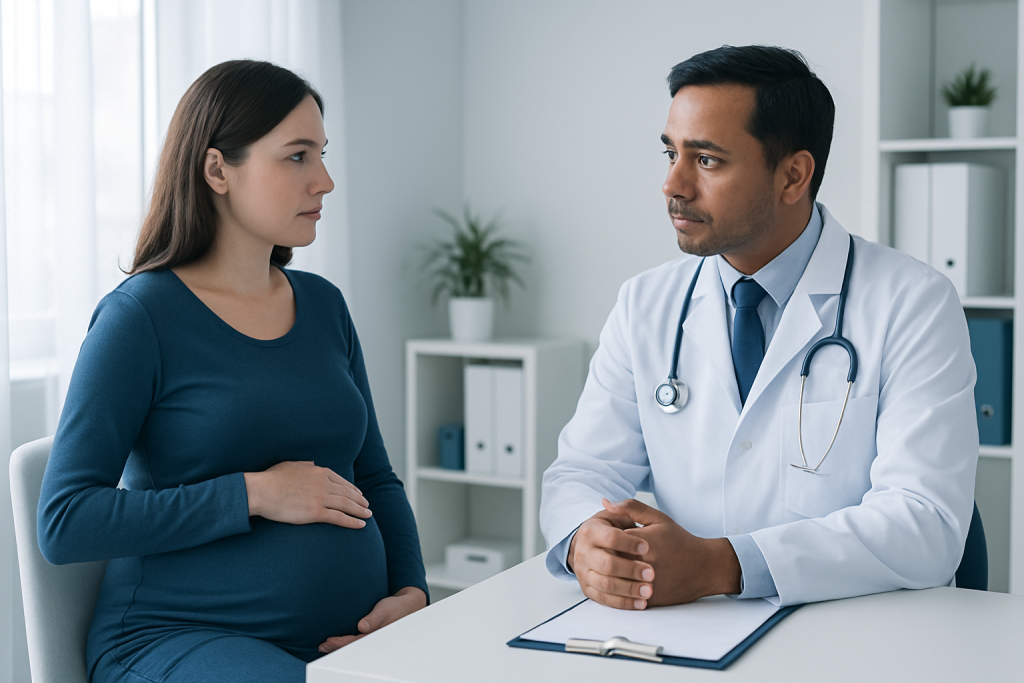
The exact cause of HELLP syndrome is not fully understood. Most experts believe it is related to abnormal changes in the placenta and blood vessels during pregnancy, which can trigger inflammation, damage to small blood vessels, and stress on the liver. These changes may also affect platelets and red blood cells.
HELLP syndrome is more likely in people who already have risk factors for preeclampsia. That said, it can still occur in someone with an otherwise healthy pregnancy, so the absence of obvious risk does not rule it out.
Factors that may increase the chance of HELLP syndrome include:
- A history of preeclampsia or HELLP syndrome in a previous pregnancy
- Multiple pregnancy, such as twins or triplets
- High blood pressure before pregnancy or during pregnancy
- Kidney Disease Treatment" class="ahp-ilk">Kidney disease or certain autoimmune conditions
- Older maternal age or first pregnancy in some cases
Because the condition can overlap with other pregnancy problems, doctors usually consider the full clinical picture rather than relying on a single symptom or test result.
Diagnosis
Diagnosis begins with a careful review of symptoms, blood pressure, and pregnancy history. A doctor may suspect HELLP syndrome when a pregnant person reports right upper abdominal pain, headache, nausea, or feeling suddenly unwell, especially if blood pressure is elevated or there are signs of preeclampsia.
Blood tests are central to confirming the diagnosis. These usually check red blood cell breakdown, liver enzyme levels, and platelet count. Doctors may also order kidney function tests, clotting studies, and urine testing to understand whether other organs are involved and to distinguish HELLP syndrome from similar conditions.
Depending on the stage of pregnancy, fetal monitoring may be performed to see how the baby is tolerating the situation. Ultrasound or other imaging may be used in selected cases, particularly if the doctor is checking for complications or planning delivery. For someone seeking care abroad, rapid access to laboratory testing and obstetric evaluation can make the diagnostic process much smoother and safer.
Treatment Options
HELLP syndrome is a medical condition that usually requires hospital care. Treatment depends on how far the pregnancy has progressed, how stable the mother is, and how the baby is doing. In many cases, the most important treatment is delivery of the baby and placenta, because this removes the source of the pregnancy-related stress.
Before delivery, the medical team may focus on stabilizing the mother. This can include close blood pressure monitoring, intravenous fluids when needed, medication to lower severe blood pressure, and treatment to reduce the risk of seizures if preeclampsia features are present. If the platelet count is very low or bleeding is a concern, blood products or specialized transfusion support may be considered.
After delivery, careful observation continues because HELLP syndrome can worsen temporarily before improvement begins. Most people need repeated blood tests and monitoring of liver function, clotting, blood pressure, and symptoms. In some cases, a short stay in intensive or high-dependency care is appropriate, especially if the condition is severe or the baby is premature and needs neonatal support.
Because each pregnancy is different, treatment is individualized. The team may involve obstetricians, maternal-fetal medicine specialists, anesthesiologists, hematology experts, and neonatology staff to plan the safest timing and setting for delivery.
Prevention & Self-care
HELLP syndrome cannot always be prevented, but early prenatal care can improve the chances of detecting warning signs before the condition becomes severe. Regular antenatal visits allow blood pressure checks, symptom review, and timely testing when something changes.
During pregnancy, it helps to pay attention to symptoms that are unusual for the individual rather than trying to compare them with someone else’s experience. Persistent upper abdominal pain, a sudden headache, vision changes, or swelling that appears quickly should be discussed with a doctor without delay.
Helpful self-care steps include:
- Attending all prenatal appointments, especially in the third trimester
- Following medical advice for blood pressure monitoring if preeclampsia risk is present
- Keeping a note of new symptoms, their timing, and whether they are worsening
- Knowing where to go for urgent obstetric care, particularly when traveling
For patients receiving care in another country, it is sensible to confirm in advance how to contact the hospital, where urgent assessment takes place, and how follow-up tests will be arranged after discharge or delivery.
When to See a Doctor
Urgent medical assessment is needed if HELLP syndrome is suspected. A pregnant person should not wait for a scheduled appointment if symptoms suggest a problem with the liver, blood pressure, or clotting system. Same-day evaluation is especially important when symptoms are new, severe, or rapidly getting worse.
Seek prompt care if there is:
- Severe pain in the upper right abdomen or upper middle abdomen
- Persistent headache, vision changes, or confusion
- Shortness of breath, heavy swelling, or sudden weight gain
- Nausea and vomiting that feel different from typical pregnancy symptoms
- Bleeding, easy bruising, or a general sense of serious illness
After delivery, symptoms can still appear or continue, so postpartum warning signs should also be taken seriously. For international patients, a hospital with multidisciplinary specialists and JCI-accredited facilities, such as Acibadem Health Point, can help diagnose and treat HELLP syndrome in a coordinated way while supporting mother and baby through the recovery period.
Living Through Recovery and Follow-up
Recovery from HELLP syndrome often continues after the hospital stay ends. Some people feel better within days after delivery, while others need more time for liver tests, platelet counts, and blood pressure to return to normal. Follow-up visits are important even when symptoms fade, because the body may still be healing.
Postpartum care may include repeat blood tests, blood pressure checks, and guidance on warning signs that should prompt immediate review. If the baby was born early, neonatal follow-up may also be part of the plan. For patients returning home to another country, the discharge summary should clearly list what was done, what tests still need repeating, and who should oversee the next step of care.
Emotional recovery matters as well. A pregnancy complication can be unsettling, and it is reasonable to ask for explanations in plain language, written instructions, and a clear line of contact for questions after discharge. Good follow-up turns a frightening event into a manageable medical plan.
Frequently asked questions
Is HELLP syndrome the same as preeclampsia?
No. HELLP syndrome is a distinct condition, but it is closely related to preeclampsia and often occurs together with it. Both involve pregnancy-related changes that can affect the mother’s organs and require medical monitoring.
Can HELLP syndrome happen after delivery?
Yes. Although it usually develops during pregnancy, it can also appear in the days after birth. That is why new symptoms after delivery should still be assessed promptly.
What makes HELLP syndrome dangerous?
It can affect the liver, blood cells, and clotting system, and it may progress quickly. Without treatment, it can lead to serious complications for both mother and baby, which is why early diagnosis matters.
How is HELLP syndrome confirmed?
Doctors usually confirm it with blood tests that look at liver enzymes, platelet count, and signs of red blood cell breakdown. They also consider symptoms, blood pressure, and how far the pregnancy has progressed.
Does every person with HELLP syndrome need immediate delivery?
Not always immediately, but delivery is often the main treatment once the mother is stabilized. The timing depends on the severity of the condition, the gestational age, and the baby’s status.
Can HELLP syndrome be prevented in a future pregnancy?
There is no guaranteed prevention, but close prenatal care and early management of blood pressure or preeclampsia risk may help. A doctor can review the previous pregnancy history and plan monitoring for future pregnancies.
References
- American College of Obstetricians and Gynecologists
- World Health Organization
- Mayo Clinic
- National Health Service
- Merck Manual Professional Edition
This article is for general information only and is not a substitute for professional medical advice. Please consult a qualified doctor about your individual situation.
Persistent digestive symptoms? Get evaluated in Turkey
JCI-accredited · board-certified surgeons · reply within 24h
Add us as a Preferred Source to see more of our trusted health content across Google Search, AI Overviews and Discover.
More from the Health Library



Related Specialists

Dr. Gamze Karababa
Gynecology & Obstetrics
Dr. Onur Özdenoğlu
Gynecology & Obstetrics
Dr. Selcen Bahadır
Gynecology & Obstetrics
Prof. Dr. A. Taner Usta
Gynecology & Obstetrics