Placenta

Key Takeaways
- The placenta connects mother and baby without directly mixing their blood supplies.
- Placenta problems may affect bleeding, fetal growth, or the timing and safety of birth.
- Many placenta conditions are identified with ultrasound and routine prenatal monitoring.
- Some placenta issues require closer follow-up, activity changes, or planned delivery.
- Any vaginal bleeding, pain, or reduced fetal movement in pregnancy should be assessed promptly.
The placenta is a temporary organ that supports a baby throughout pregnancy by delivering oxygen and nutrients and removing waste. Most placenta-related concerns are found during routine pregnancy care, and many can be managed safely with timely medical guidance.
Overview
The placenta is one of pregnancy’s most remarkable structures. It develops in the uterus after implantation and serves as the baby’s lifeline, allowing oxygen and nutrients to pass from the mother’s circulation to the fetus while carrying waste products away.
Although the placenta is temporary, it has a major role in pregnancy health. It also produces hormones that help maintain the pregnancy and support fetal development. Because placental position and function can influence both mother and baby, it is routinely reviewed during prenatal care.
For many people, the placenta only becomes a topic of interest during an ultrasound or when a clinician mentions placental location. In other cases, placental problems are suspected because of bleeding, pain, blood pressure concerns, or slower-than-expected fetal growth.
Symptoms and Signs of Placenta Problems
The placenta itself does not usually cause noticeable symptoms when it is functioning normally. Signs tend to appear only when the placenta is positioned low, begins to separate too early, or does not provide enough support for fetal growth.
Possible warning signs can include vaginal bleeding, abdominal pain, uterine tenderness, contractions earlier than expected, or a change in fetal movement. Some placenta-related issues are found before symptoms appear, which is why ultrasound and routine checkups matter.
- Vaginal bleeding, especially in the second half of pregnancy
- Sudden or persistent abdominal pain
- Back pain with uterine tightening
- Reduced fetal movement later in pregnancy
- Symptoms of preeclampsia, such as headache or swelling, in some placenta-related conditions
Symptoms can overlap with other pregnancy concerns, so a professional assessment is important rather than self-interpretation. Even mild bleeding in pregnancy deserves medical advice.
Causes & Risk Factors

Placenta problems have different causes depending on the condition. Some are linked to where the placenta implants, while others relate to changes in the uterus, maternal blood vessels, previous surgery, or how the placenta develops over time.
Placenta previa occurs when the placenta lies low in the uterus and partially or fully covers the cervix. Placental abruption happens when the placenta separates from the uterine wall before birth. Placental insufficiency means the placenta is not delivering enough oxygen and nutrients to support fetal needs adequately.
Risk factors can include a previous cesarean delivery, uterine surgery, multiple pregnancy, smoking, high blood pressure, trauma, advanced maternal age, and a history of placenta complications. However, placenta problems can also occur without an obvious risk factor.
Diagnosis
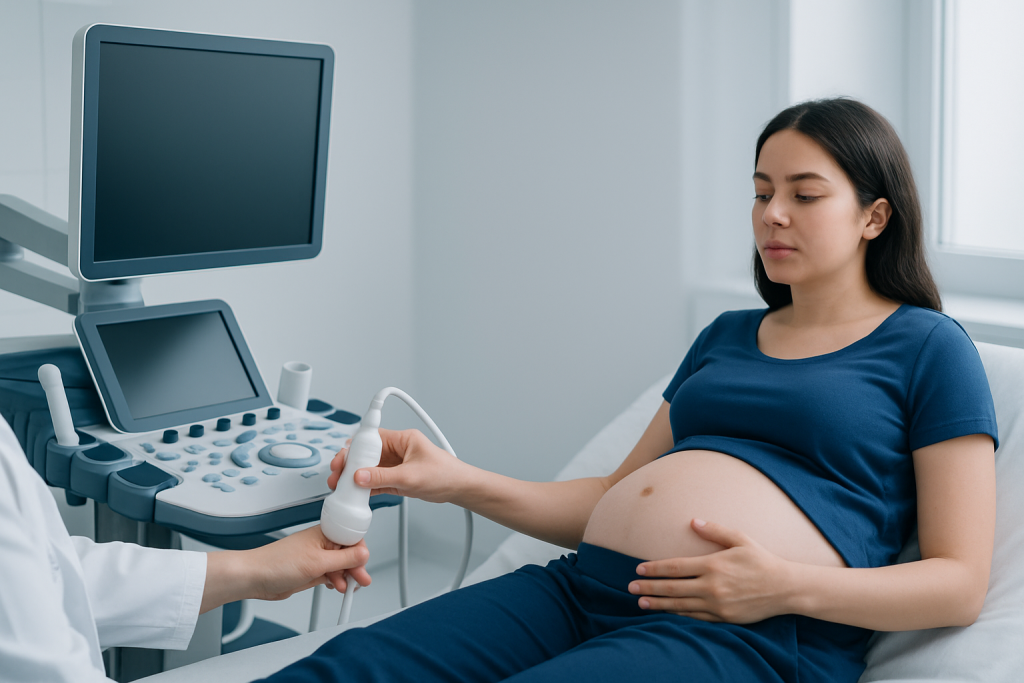
Placental assessment is a normal part of prenatal care. Clinicians usually identify the placenta’s location and appearance with ultrasound, often during the mid-pregnancy anatomy scan and again later if needed.
If there is bleeding, pain, or a concern about fetal growth, additional evaluation may be recommended. This can include repeat ultrasound, Doppler studies to look at blood flow, non-stress testing, biophysical profile, or blood tests depending on the situation.
When placenta previa is suspected, a vaginal examination is generally avoided until imaging confirms it is safe, because the exam can increase bleeding in some cases. The right diagnostic approach depends on the mother’s symptoms, gestational age, and the baby’s condition.
Treatment Options
Treatment depends on the specific placenta condition and how far the pregnancy has progressed. Some situations require observation and repeat imaging, while others need hospital care or planned delivery.
For placenta previa, the care plan often focuses on monitoring, avoiding activities that may provoke bleeding, and deciding the safest timing and method of birth. If bleeding is heavy or persistent, hospital evaluation may be necessary. In many cases, a cesarean birth is recommended if the placenta continues to cover the cervix near delivery.
Placental abruption may need urgent treatment, especially if there is significant bleeding, pain, or signs that the baby is under stress. Placental insufficiency is managed with closer fetal surveillance and attention to the mother’s health conditions, and delivery may be planned earlier if the baby’s wellbeing is at risk.
When international patients seek care, clear communication about imaging results, delivery planning, and follow-up is especially important. At Acibadem Health Point, multidisciplinary specialists and JCI-accredited hospitals diagnose and treat placenta-related conditions for international patients in a coordinated way.
Prevention & Self-care
Not every placenta problem can be prevented, but good prenatal care can reduce risk and help detect issues early. Keeping all scheduled appointments gives the care team a chance to track placental position, fetal growth, and maternal blood pressure over time.
General self-care in pregnancy also supports placental health. This includes following medical advice about rest or activity limits, avoiding smoking and recreational drugs, managing chronic conditions such as hypertension or diabetes, and reporting new symptoms promptly.
- Attend all prenatal visits and recommended ultrasounds
- Follow guidance on exercise, travel, and sexual activity if bleeding or placenta previa is present
- Maintain hydration and balanced nutrition
- Take prescribed medications consistently for chronic conditions
- Seek care quickly for bleeding, pain, or decreased fetal movement
People traveling for pregnancy care may benefit from planning ahead for records, imaging reports, and a local contact for urgent questions. If delivery may be needed away from home, discussing birth timing and recovery arrangements in advance can make the process calmer and safer.
When to See a Doctor
Medical advice should be sought promptly if any vaginal bleeding occurs during pregnancy, even if it is light or painless. Bleeding in the second or third trimester is especially important to report right away.
Immediate assessment is also needed for abdominal pain, contractions, faintness, severe headache, reduced fetal movement, or fluid leakage. These symptoms do not always mean a placenta problem, but they should not be watched at home without guidance.
People already told they have placenta previa, a low-lying placenta, or placental growth concerns should ask their obstetric team which symptoms require emergency care and which can be discussed by phone. Clear instructions can prevent confusion, especially when care is being coordinated across countries or between hospitals.
Living With a Placenta-Related Pregnancy Concern
A placenta diagnosis can sound intimidating at first, but many pregnancies with placenta-related findings go on with careful monitoring and a clear plan. The key is understanding the condition well enough to know what is routine and what is not.
Good communication with the obstetric team helps reduce uncertainty. Patients should feel comfortable asking how often scans are needed, whether travel is safe, what symptoms matter most, and how birth planning may change as pregnancy progresses.
For international patients, written summaries, translated reports when possible, and a single point of contact can make follow-up much easier. A well-organized plan often turns a stressful situation into one that feels manageable and predictable.
Frequently asked questions
What does the placenta do during pregnancy?
The placenta supplies oxygen and nutrients to the baby and removes waste products. It also produces hormones that help support pregnancy and fetal development. It acts as a temporary organ that is essential for a healthy pregnancy.
Can placenta problems be seen on ultrasound?
Many placenta problems can be detected or suspected on ultrasound, including placenta previa and some growth-related concerns. In some cases, repeat scans or additional tests are needed to monitor changes over time. Ultrasound is a key part of placental assessment in pregnancy.
Is placenta previa always dangerous?
Placenta previa is not always dangerous, but it does require careful monitoring because it can cause bleeding and affect delivery planning. The level of concern depends on whether the placenta remains low as pregnancy progresses and whether symptoms develop. Your obstetric team can advise on the safest next steps.
What should a pregnant person do if bleeding starts?
Any vaginal bleeding in pregnancy should be reported to a doctor promptly. If the bleeding is heavy, comes with pain, or is accompanied by dizziness or reduced fetal movement, urgent medical attention is needed. It is better to be assessed early rather than wait and see.
Can placenta problems be treated without surgery?
Some placenta problems are managed without surgery through monitoring, rest or activity changes, and planned delivery timing. Others, such as severe placental abruption or placenta previa close to birth, may require cesarean delivery. The treatment depends on the specific diagnosis and the health of mother and baby.
Does a placenta problem affect future pregnancies?
It can, depending on the condition and the person’s medical history. A previous placenta complication may increase the chance of a similar issue later, so future pregnancies often benefit from early prenatal care and targeted ultrasound follow-up. A clinician can explain individual risk after a prior pregnancy.
References
- World Health Organization
- American College of Obstetricians and Gynecologists
- Mayo Clinic
- NHS
- Merck Manual Professional Edition
This article is for general information only and is not a substitute for professional medical advice. Please consult a qualified doctor about your individual situation.