

Early Signs of Pregnancy: Symptoms and When to Test
Key Takeaways
- Early pregnancy signs often appear before a missed period but can be mild and easy to miss.
- A missed period, breast tenderness, nausea, fatigue, and frequent urination are common early clues.
- Home pregnancy tests are most reliable after a missed period, but a doctor can confirm pregnancy earlier with blood testing or ultrasound.
- Symptoms can vary widely from one pregnancy to another, and having no symptoms does not rule out pregnancy.
- Pain, heavy bleeding, or one-sided severe discomfort should be assessed promptly by a clinician.
Medically reviewed by the Acıbadem clinical team — August 19, 2026
Early pregnancy can begin with subtle changes that are easy to overlook or confuse with premenstrual symptoms. Knowing the common early signs can help someone decide when to take a test, seek medical confirmation, and plan next steps with confidence.
Overview
Early pregnancy does not always announce itself in the same way. For some people, the first clue is a missed period. For others, the body begins to feel different in small but noticeable ways: a new sensitivity to smells, a heavier need for rest, or breasts that feel fuller than usual.
These changes happen because hormone levels rise quickly after conception. That shift can affect the uterus, breasts, digestion, bladder, and even mood. The pattern is individual, which is why early pregnancy signs can be clear for one person and barely noticeable for another.
Understanding the first signs is useful for anyone trying to conceive, anyone who may have had unprotected sex, and anyone planning travel or medical care from another country. When pregnancy is possible, timely testing and confirmation help guide safe choices about medication, imaging, exercise, and follow-up care.
Common Early Signs
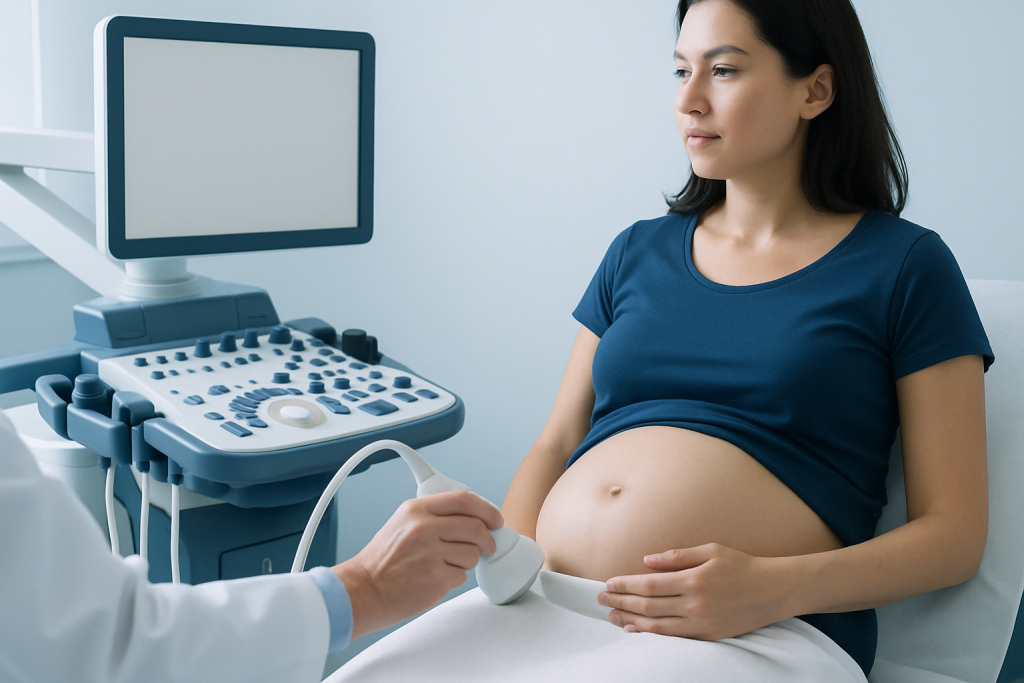
The earliest signs are often subtle and overlap with premenstrual symptoms, so it helps to look for changes in combination rather than in isolation. A missed or lighter-than-usual period is one of the most recognized clues, especially if cycles are normally regular.
Other common early symptoms include breast tenderness, mild cramping, spotting, fatigue, nausea, bloating, and more frequent urination. Some people also notice food aversions, a heightened sense of smell, constipation, or a different emotional rhythm than usual.
-
Missed period or delayed period
-
Breast tenderness, swelling, or darkening around the nipples
-
Nausea, sometimes with vomiting
-
Fatigue or unusual sleepiness
-
Frequent urination
-
Light spotting or mild cramping
It is important to remember that pregnancy can still be present even if there are no obvious symptoms. Some people feel nearly normal in the earliest weeks, and that can be completely typical.
What Causes These Changes
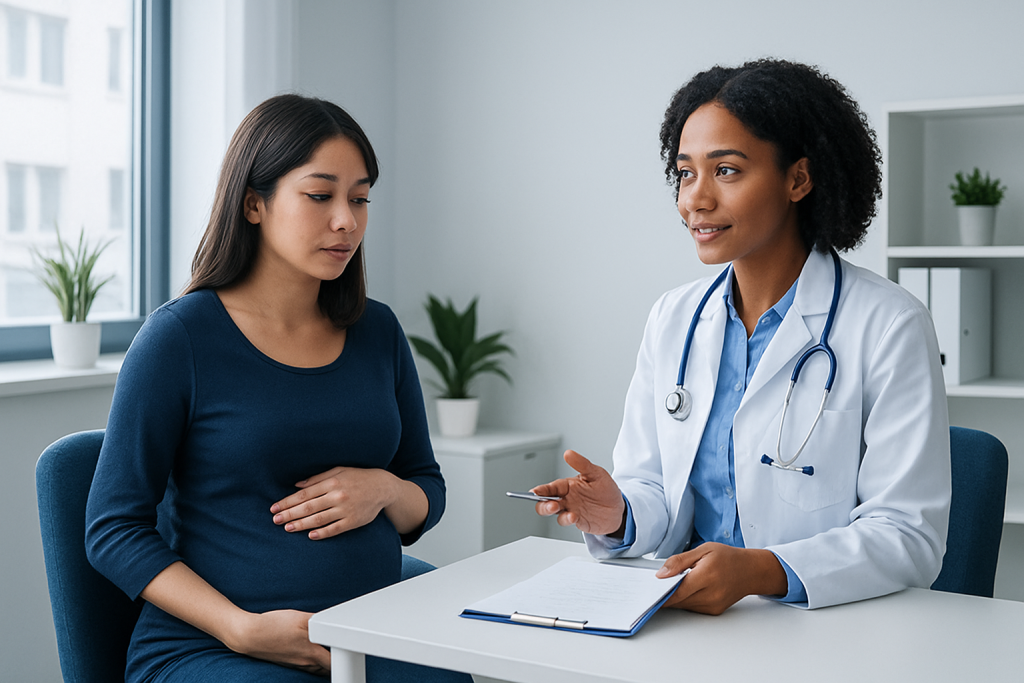
Once a fertilized egg implants in the uterine lining, the body begins producing hormones that support pregnancy, especially human chorionic gonadotropin, progesterone, and estrogen. These hormones are responsible for many of the sensations people notice early on.
Progesterone can slow digestion, which may contribute to bloating and constipation. It can also cause tiredness and breast changes. Rising hormone levels may affect nausea, smell sensitivity, and the need to urinate more often as blood flow and kidney activity increase.
Because these symptoms are driven by normal hormonal changes, they do not indicate that something is wrong. They do, however, provide a useful signal that pregnancy testing and medical confirmation may be appropriate.
How Early Signs Differ From PMS
Premenstrual syndrome and early pregnancy can feel remarkably similar. Both may involve cramps, breast soreness, bloating, mood changes, and fatigue. That overlap is one reason people often wonder whether a period is coming or pregnancy has begun.
A key difference is timing and pattern. PMS symptoms usually ease when bleeding starts, while pregnancy-related symptoms may continue or gradually increase. Nausea, food aversions, and a missed period are more suggestive of pregnancy, though none of these signs alone can confirm it.
If the cycle is irregular, it may be even harder to tell the difference. In that situation, a pregnancy test is the most practical next step rather than relying on symptoms alone.
How Pregnancy Is Confirmed
Home urine pregnancy tests detect hormone levels that rise after implantation. They are generally most dependable after a missed period, though some tests may detect pregnancy slightly earlier. Reading the instructions carefully and testing with first-morning urine can improve accuracy.
If the result is negative but pregnancy still seems possible, repeating the test a few days later may be helpful. Hormone levels rise over time, and an early test can occasionally be negative even when pregnancy is present.
A clinician can confirm pregnancy with a blood test, which may detect lower hormone levels, and later with ultrasound. For Myomectomy Recovery for International Patients: The Usual Travel Timeline" class="ahp-ilk">international patients planning to travel for care, confirmation before departure can make follow-up smoother and help the receiving team advise on timing, medications, and next steps.
When Symptoms Need Medical Attention
Most early pregnancy symptoms are normal and mild. However, a few patterns deserve prompt evaluation because they may signal an ectopic pregnancy, miscarriage, or another condition that needs medical attention.
Severe abdominal pain, one-sided pelvic pain, heavy bleeding, fainting, shoulder pain, or pain that is getting worse should be assessed quickly. Fever, persistent vomiting, or signs of dehydration also warrant medical review.
If pregnancy is confirmed and there is any concern about pain or bleeding, it is safer to speak with a doctor rather than wait for symptoms to settle. Early guidance can be especially important for someone who is away from home and deciding whether to seek local care or continue planned travel.
Self-care and Early Pregnancy Planning
Once pregnancy is suspected, gentle self-care can support comfort while waiting for confirmation. Rest, regular meals, hydration, and careful attention to medications are sensible first steps. It is also wise to avoid alcohol, smoking, and non-prescribed substances while pregnancy is being clarified.
Many people begin taking a prenatal vitamin that includes folic acid, but it is best to choose supplements with a doctor or pharmacist, especially if there are existing health conditions or other medications involved. A clinician can also advise on safe exercise, work, and travel plans.
For those arranging care from another country, it helps to keep a simple record of the last menstrual period, test results, symptoms, and any medications already used. Acibadem Health Point’s multidisciplinary specialists and JCI-accredited hospitals diagnose and treat pregnancy-related concerns for international patients, helping coordinate evaluation and follow-up with clarity.
When to See a Doctor
A doctor should be consulted when a pregnancy test is positive, when the period is late and tests are unclear, or when symptoms are unusual or severe. Medical confirmation matters because it establishes a timeline for prenatal care and helps rule out other causes of symptoms.
It is especially important to seek medical review if there is a history of ectopic pregnancy, fertility treatment, recent contraception failure, irregular cycles, or significant pelvic pain. Anyone with a medical condition such as diabetes, thyroid disease, epilepsy, or high blood pressure may benefit from earlier guidance once pregnancy is suspected.
In short, early signs of pregnancy are helpful clues, but they are not a diagnosis. A qualified clinician can confirm pregnancy, estimate gestational age, and advise on the safest next steps.
Frequently asked questions
Can pregnancy symptoms start before a missed period?
Yes, some people notice changes such as breast tenderness, fatigue, or mild cramping before their period is due. These signs are not specific to pregnancy, so a test is still needed for confirmation. If the timing is early, a repeat test a few days later may be more reliable.
Is spotting always a sign of pregnancy?
No, spotting can happen for many reasons, including hormonal changes around a period. Light spotting can occur in early pregnancy, but it should not be assumed to mean pregnancy on its own. If bleeding is heavy or painful, medical advice is important.
How soon should a home pregnancy test be taken?
Home tests are usually most accurate after a missed period. Some tests can detect pregnancy earlier, but testing too soon can produce a false negative. If the first result is negative and pregnancy still seems possible, repeating the test is reasonable.
Can pregnancy happen without nausea?
Yes, pregnancy symptoms vary greatly from person to person and from one pregnancy to another. Many people do not have nausea at all, especially in the earliest weeks. The absence of nausea does not rule out pregnancy.
What symptoms should not be ignored?
If symptoms are concerning or unusual, a clinician can determine whether they are related to pregnancy or another condition. Prompt assessment can provide reassurance and help guide the right care.
What if someone is traveling and suspects pregnancy?
It helps to confirm the pregnancy as early as possible and keep a record of the last period, test results, and any symptoms. That information makes it easier for a doctor in another country to advise on safe travel, medication use, and follow-up. Planning early can reduce uncertainty and make care more coordinated.
References
- American College of Obstetricians and Gynecologists
- NHS
- Mayo Clinic
- World Health Organization
- MedlinePlus
This article is for general information only and is not a substitute for professional medical advice. Please consult a qualified doctor about your individual situation.
Persistent digestive symptoms? Get evaluated in Turkey
JCI-accredited · board-certified surgeons · reply within 24h
Add us as a Preferred Source to see more of our trusted health content across Google Search, AI Overviews and Discover.
More from the Health Library


Related Specialists

Dr. Gamze Karababa
Gynecology & Obstetrics
Dr. Onur Özdenoğlu
Gynecology & Obstetrics
Dr. Selcen Bahadır
Gynecology & Obstetrics
Prof. Dr. A. Taner Usta
Gynecology & Obstetrics