Geriatric Pregnancy

Key Takeaways
- “Geriatric pregnancy” is an older term for pregnancy at age 35 and above; many clinicians now say advanced maternal age.
- Age can change certain pregnancy risks, but it does not determine the outcome by itself.
- Prenatal visits, screening tests, and a personalized care plan help monitor both parent and baby.
- Healthy habits before and during pregnancy can support wellness at any age.
- People planning pregnancy after 35 may benefit from early medical advice and fertility evaluation if conception does not happen as expected.
Geriatric pregnancy is an older term for pregnancy at age 35 and above, now more commonly described as advanced maternal age. Many people in this age group have healthy pregnancies with the right prenatal care, timely screening, and individualized support.
Overview
The phrase geriatric pregnancy is still widely recognized, but many clinicians prefer the more neutral term advanced maternal age. It refers to pregnancy in someone who is 35 or older at the time of delivery. The label can sound more dramatic than the reality, yet it exists because certain pregnancy and baby-related risks become more common with age.
That does not mean pregnancy after 35 is unusual or unsafe. Many people in this age group conceive, carry, and deliver healthy babies, especially when they have access to good prenatal care and any pre-existing health conditions are managed early. The focus is usually not on the age itself, but on understanding the whole picture: health history, fertility timeline, genetic screening choices, and personal preferences for care.
For international patients, this topic often comes up during travel planning as well. Someone may want to confirm that their prenatal checks, ultrasound schedule, and lab work can be completed before or after a trip, or they may be looking for a center that can coordinate obstetric and fetal medicine expertise in one place. Clear planning makes that process smoother and less stressful.
Symptoms
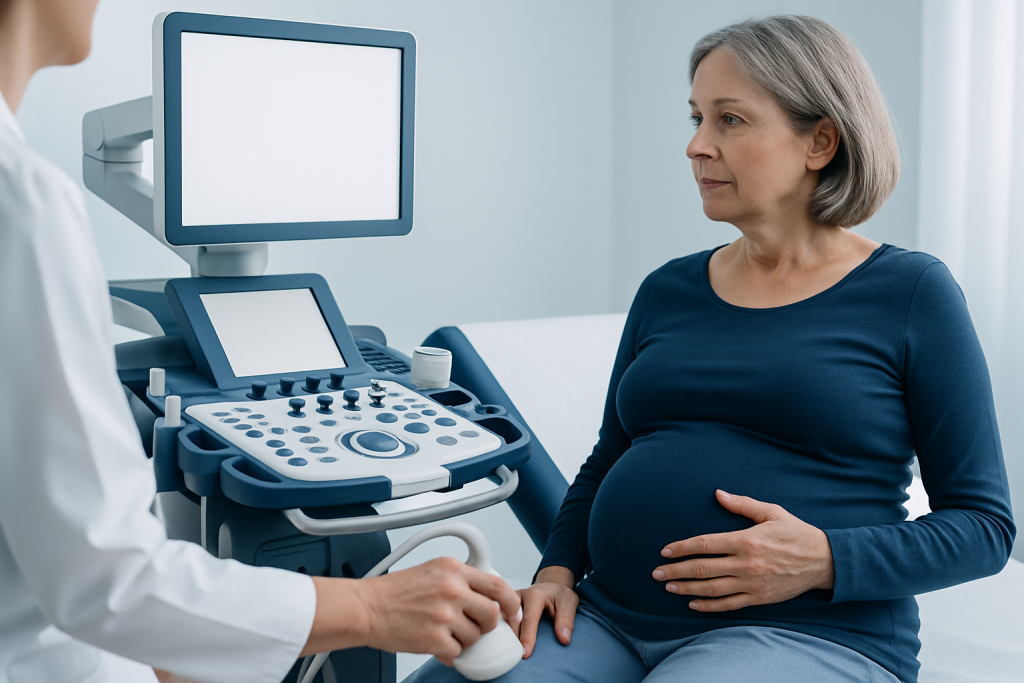
Geriatric pregnancy does not have its own unique symptom pattern. The usual signs of pregnancy apply, such as a missed period, nausea, breast tenderness, fatigue, and frequent urination. What may differ is how a person experiences those symptoms, especially if they already have conditions like thyroid disease, diabetes, high blood pressure, or uterine fibroids.
Some people notice that pregnancy feels more physically demanding with age, while others feel no meaningful difference from earlier pregnancies. Common discomforts such as back pain, sleep changes, swelling, or heartburn can still occur. These symptoms are often manageable, but they deserve attention if they are severe, sudden, or paired with headaches, bleeding, shortness of breath, or reduced fetal movement later in pregnancy.
It can also be helpful to remember that not every concern is a sign of a problem. A new ache or a day of nausea does not automatically mean the pregnancy is high-risk. What matters is tracking changes, reporting patterns that persist, and keeping regular prenatal appointments so the care team can interpret symptoms in context.
Causes & Risk Factors

Age itself does not cause pregnancy problems, but it is associated with gradual changes in fertility and in some health conditions that matter during pregnancy. Egg quality and quantity decline over time, which can make conception take longer and can increase the likelihood of miscarriage compared with younger age groups. Chromosomal differences in the baby also become more common with maternal age, which is why screening conversations are often part of early prenatal care.
Other risk factors often overlap with age. People may be more likely to have chronic hypertension, diabetes, thyroid disorders, obesity, or a history of prior pregnancy complications. Previous cesarean delivery, uterine surgery, multiple pregnancies, or fertility treatment can also shape the care plan. None of these factors automatically lead to a complication, but they can guide how closely the pregnancy is monitored.
Emotional and practical factors matter too. A person may be balancing work, caregiving, travel, or treatment for infertility while pregnant. For some international patients, the added complexity is not the pregnancy alone but coordinating care across different countries, languages, or medical systems. A detailed prenatal record and early discussion about travel timing can reduce confusion later.
- Advanced maternal age, especially 35 and older
- Existing medical conditions such as diabetes or hypertension
- History of miscarriage or pregnancy complications
- Fertility treatment or assisted reproduction
- Multiple gestation, such as twins
Diagnosis
Geriatric pregnancy is identified by age, but the real work of diagnosis is assessing whether the pregnancy is progressing normally. At the first visit, the clinician usually reviews medical history, medications, prior pregnancies, family history, and lifestyle factors. Blood pressure, weight, blood tests, and urine tests help establish a baseline and look for early signs of conditions that may need attention.
Ultrasound is often used early to confirm the pregnancy, estimate gestational age, and check fetal development. Depending on the person’s age and risk profile, the care team may discuss genetic screening or diagnostic testing. These may include blood-based screening tests, nuchal translucency ultrasound, or procedures such as chorionic villus sampling or amniocentesis when appropriate. The choice depends on what information is wanted and how quickly it is needed.
International patients often appreciate having these steps mapped out in advance, especially if they plan to return home between appointments. A good care team will explain which tests are time-sensitive, which can be done locally, and which findings would change the follow-up plan. That practical guidance can be as valuable as the test results themselves.
Treatment Options
There is no treatment for age itself, because advanced maternal age is not a disease. Instead, care is focused on prevention, early detection, and support. Many pregnancies in this group are managed with routine prenatal visits, but visits may be spaced or supplemented differently based on the person’s medical history and screening results.
If an existing condition is present, treatment may include adjusting medications that are safe in pregnancy, improving blood sugar control, monitoring blood pressure more closely, or coordinating care with maternal-fetal medicine, endocrinology, or cardiology. Some people benefit from additional growth ultrasounds or antenatal testing later in pregnancy to follow the baby’s well-being. If a genetic concern or structural issue is identified, counseling helps families understand options without rushing decisions.
Delivery planning is also part of treatment. The timing and mode of birth depend on the pregnancy course, prior surgeries, placenta location, fetal position, and overall health. Some people deliver vaginally, while others may need a cesarean delivery for medical reasons. The goal is always the same: choosing the safest approach for parent and baby based on current information rather than age alone.
For patients coming from abroad, continuity matters. Sharing records, medication lists, lab reports, and ultrasound images can prevent duplication and help the local team build on prior care rather than starting over.
Prevention & Self-care
Not every risk linked with advanced maternal age can be prevented, but several practical steps can support a healthier pregnancy. Preconception counseling is often the most useful first step, especially for people with chronic conditions or a history of infertility. It gives time to review medications, start folic acid as advised by a clinician, update vaccines if needed, and discuss whether any screenings should happen before conception.
During pregnancy, self-care is built around the basics that matter at any age: balanced nutrition, staying hydrated, gentle physical activity if approved by the clinician, adequate rest, and avoiding alcohol, tobacco, and non-prescribed drugs. Sleep, stress management, and keeping prenatal appointments are not small details; they are part of the care plan. When travel is involved, it is sensible to ask about airline policies, destination healthcare access, and whether any appointments should be completed before departure.
People trying to conceive after 35 should seek advice sooner if pregnancy does not happen within a reasonable time, because fertility naturally changes with age. Early evaluation can look for ovulation issues, tubal factors, sperm-related concerns, or other treatable causes. A timely workup can shorten uncertainty and help families plan their next steps with more confidence.
- Schedule a pre-pregnancy or early pregnancy visit
- Review all medications and supplements with a clinician
- Keep blood pressure, blood sugar, and thyroid conditions controlled
- Attend recommended screening and ultrasound appointments
- Plan travel around key prenatal milestones when possible
When to See a Doctor
Medical advice should be sought promptly for any pregnancy at any age if there is vaginal bleeding, severe abdominal pain, leakage of fluid, fainting, chest pain, trouble breathing, fever, or a sudden decrease in fetal movement later in pregnancy. These symptoms do not always signal a serious problem, but they deserve quick assessment.
It is also wise to contact a clinician if nausea and vomiting prevent eating or drinking, if blood pressure is elevated, if headaches are persistent, or if swelling appears suddenly in the face or hands. People with diabetes, hypertension, thyroid disease, autoimmune conditions, or a history of prior pregnancy loss may need earlier or more frequent review even when they feel well.
If conception has not occurred after a period of trying, or if a pregnancy test is positive after fertility treatment, professional guidance is helpful early. A doctor can explain the most appropriate screening plan, how to interpret results, and which appointments should happen before a trip or after returning home. For international patients, Acibadem Health Point’s multidisciplinary specialists and JCI-accredited hospitals can help diagnose and treat this condition while coordinating care for those coming from abroad.
Living Well With Advanced Maternal Age
Pregnancy after 35 is often a story of careful monitoring rather than limitation. Many people feel reassured once they understand which tests are routine, which findings would change the plan, and how to keep everyday life steady while the pregnancy progresses. Clear communication with the care team usually reduces more anxiety than any single test result.
It also helps to think in practical steps: keep records organized, ask questions early, and make a plan for follow-up if travel, work, or family responsibilities interrupt care. When parents-to-be are prepared, they are better able to focus on the pregnancy itself instead of the logistics around it.
With thoughtful prenatal care, advanced maternal age can be approached as a manageable part of the pregnancy journey, not a reason to assume the worst. The most useful mindset is a balanced one: informed, attentive, and supported.
Frequently asked questions
What does geriatric pregnancy mean?
It is an older medical term for pregnancy in someone who is 35 or older at the time of delivery. Many clinicians now use the term advanced maternal age instead. The phrase does not mean the pregnancy will be unhealthy; it simply signals that some risks may be monitored more closely.
Is pregnancy after 35 automatically high-risk?
Not automatically. Age can increase the chance of certain complications, but overall health, medical history, and prenatal care are just as important. Many people over 35 have uncomplicated pregnancies and healthy babies.
Do people with advanced maternal age need more tests?
They may be offered additional screening or monitoring, especially if they have other risk factors. This can include blood tests, ultrasound scans, and in some cases genetic testing. The exact plan depends on the person’s health and preferences.
Can someone still have a vaginal birth with geriatric pregnancy?
Yes, vaginal birth is often possible if there is no medical reason for a cesarean delivery. The birth plan is based on the pregnancy’s progress, the baby’s position, prior surgeries, and other clinical factors. Age alone does not decide the delivery method.
Does age affect fertility?
Yes, fertility generally declines with age, and it may take longer to conceive after 35. If pregnancy does not happen within a reasonable time, it is sensible to seek fertility advice earlier rather than waiting. A clinician can check for treatable causes and discuss options.
What should an international patient bring to a prenatal appointment?
It helps to bring previous test results, ultrasound reports, medication lists, and a summary of any pregnancy or fertility history. If care has been received in another country, translated copies can make communication easier. This allows the new team to continue care without repeating unnecessary steps.
References
- American College of Obstetricians and Gynecologists
- World Health Organization
- National Institute of Child Health and Human Development
- Mayo Clinic
This article is for general information only and is not a substitute for professional medical advice. Please consult a qualified doctor about your individual situation.