

Heel Pain: Causes, Symptoms and Treatment

Key Takeaways
- Heel pain often develops from repetitive stress, footwear issues, or inflammation in the foot and ankle.
- Pain location matters: pain under the heel, behind the heel, or deep in the heel can point to different causes.
- A physical examination is usually the first step, with imaging used when needed to clarify the diagnosis.
- Most cases improve with rest, supportive shoes, stretching, activity changes, and targeted treatment.
- Persistent pain, swelling, numbness, or difficulty bearing weight should be evaluated by a doctor.
Medically reviewed by the Acıbadem clinical team — August 19, 2026
Heel pain can make walking, standing, and travel uncomfortable, but it is often linked to treatable issues such as overuse, inflammation, or strain. Understanding the source of the pain helps patients choose the right care and recover more confidently.
Overview
Heel pain is a common reason people start changing how they walk, stand, or exercise. It can appear gradually after long periods on the feet or begin more suddenly after a specific activity, such as a long walk, a new workout, or wearing unsupportive shoes.
The heel carries a great deal of force with each step, so even small changes in foot mechanics can lead to irritation. In many patients, the discomfort is related to soft tissue strain, inflammation, or pressure on the structures that support the foot.
For people who travel for care, heel pain can be especially frustrating because airport walking, standing in lines, and unfamiliar surfaces often make symptoms more noticeable. A clear diagnosis is useful because treatment depends on where the pain is located and what is driving it.
Symptoms
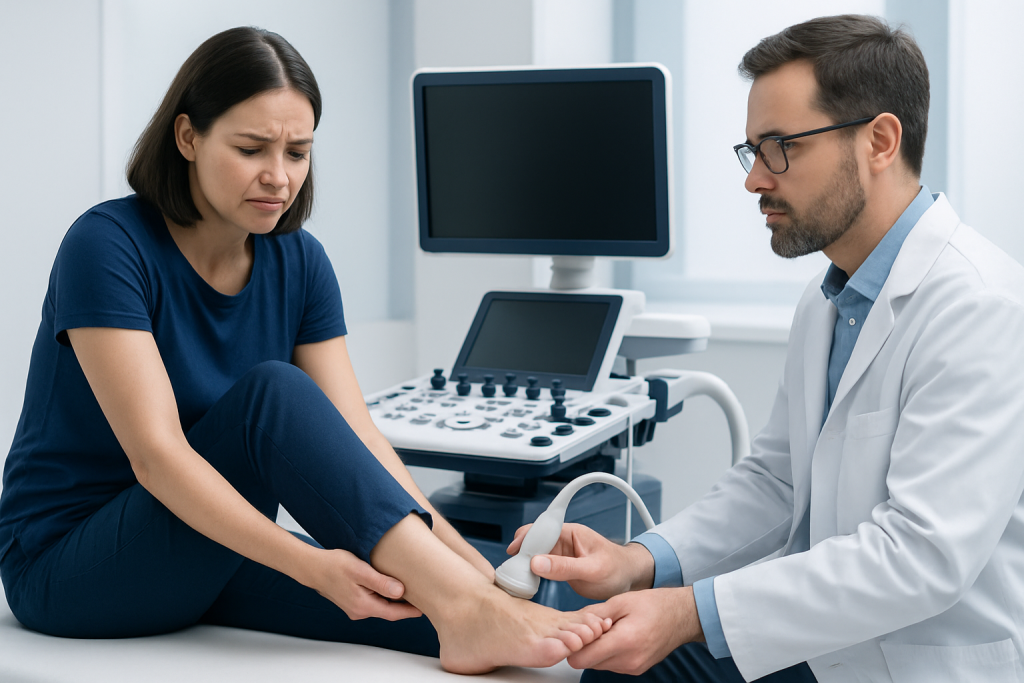
Heel pain does not always feel the same from one person to another. Some patients describe a sharp stab when they take their first steps in the morning, while others notice a dull ache that worsens after standing for a long time.
The location of the pain can offer important clues. Pain under the heel often suggests irritation where the plantar fascia attaches, while pain at the back of the heel may involve the Achilles tendon or the small fluid-filled sac near it. A deep bruise-like sensation can sometimes be related to repeated impact on the heel pad.
- Pain that is worse with the first steps after rest
- Tenderness when pressing on the heel
- Stiffness after sitting or sleeping
- Swelling, warmth, or redness in some cases
- Pain that increases with running, walking, or climbing stairs
If the pain is accompanied by numbness, fever, major swelling, or an inability to bear weight, medical evaluation is important rather than waiting for it to settle on its own.
Causes & Risk Factors
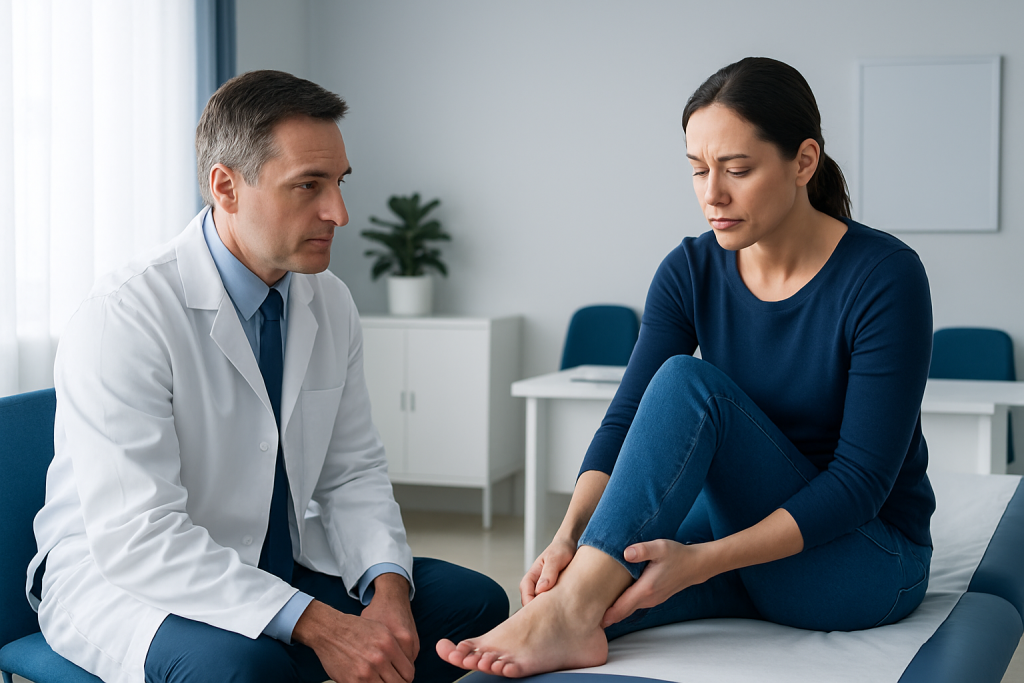
Several different conditions can cause heel pain, and more than one factor may be involved at the same time. The most common reason is overuse, especially when the foot is asked to absorb repetitive stress without enough recovery.
One of the best-known causes is plantar fasciitis, which happens when the thick band of tissue along the bottom of the foot becomes irritated. Other frequent causes include Achilles tendinopathy, heel bursitis, heel pad syndrome, stress fractures, nerve irritation, and inflammation related to arthritis.
Certain factors can make heel pain more likely:
- Sudden increase in walking, running, or standing time
- Tight calf muscles or limited ankle flexibility
- Flat feet, high arches, or other foot alignment differences
- Unsupportive, worn-out, or poorly fitted shoes
- Higher body weight, which increases load on the heel
- Occupations that require prolonged standing
Because heel pain has multiple possible sources, a symptom that seems simple at first may still deserve a careful orthopedic assessment if it keeps returning or does not improve with basic self-care.
Diagnosis
Diagnosis usually begins with a conversation about when the pain started, what makes it worse, and where it is felt most strongly. A clinician will also ask about recent activity changes, footwear, sports, previous injuries, and any history of arthritis, diabetes, or nerve problems.
A physical examination can reveal tenderness, swelling, stiffness, and changes in gait. The doctor may gently press different points around the heel and foot, check range of motion, and assess how the foot responds when weight is placed on it.
Imaging is not always needed, but it may be helpful when the diagnosis is unclear, symptoms are severe, or a fracture or other structural problem is suspected. X-rays can look for bone changes, while ultrasound or MRI may be used to evaluate soft tissues such as tendons and fascia.
For patients arranging care from another country, bringing any prior imaging, lists of medicines, and notes about symptom timing can make the evaluation more efficient and help the treating team compare findings accurately.
Treatment Options
Treatment depends on the underlying cause, but many heel pain problems improve with a step-by-step approach. The first goal is usually to calm irritation, reduce strain, and restore comfortable movement without rushing back into the activity that triggered symptoms.
Conservative care often includes relative rest, ice, supportive footwear, heel cushions or orthotic inserts, and stretching or strengthening exercises. If the pain is related to plantar fasciitis or Achilles tendon irritation, a clinician may recommend a structured rehabilitation program to improve flexibility and load tolerance.
When symptoms persist, additional options may be considered, depending on the diagnosis. These can include physical therapy, temporary immobilization in selected cases, anti-inflammatory strategies if appropriate for the patient, or procedure-based care for specific conditions. Surgery is uncommon and is usually reserved for cases that do not respond to thorough non-surgical treatment.
Good treatment planning also includes realistic pacing. Returning too quickly to long walks, intense exercise, or extended standing can restart the cycle of irritation, so recovery is often smoother when activity is increased gradually.
Prevention & Self-care
Daily habits can make a meaningful difference, especially for people who already know their feet are sensitive to load. Supportive shoes with enough cushioning and a stable heel counter often help reduce unnecessary stress on the heel.
Stretching the calf muscles and the bottom of the foot may ease tension in people with tightness or early plantar fascia irritation. It can also be useful to warm up before exercise, vary activity instead of repeating the same impact pattern, and avoid sudden jumps in training volume.
Practical self-care measures include:
- Wearing shoes that fit well and are replaced when worn down
- Using orthotic inserts or heel cups if recommended by a clinician
- Limiting long periods of standing when possible
- Choosing lower-impact exercise during flare-ups
- Maintaining a healthy body weight through sustainable habits
For international patients, self-care advice should also fit the realities of travel. Frequent walking in airports or cities may require more supportive footwear, planned rest breaks, and realistic expectations during recovery.
When to See a Doctor
Heel pain should be checked by a doctor if it lasts more than a short period, keeps coming back, or interferes with normal walking and daily activities. An evaluation is also sensible when home measures are not helping or when the pain is becoming more intense rather than gradually easing.
Prompt assessment is especially important if there is marked swelling, bruising after an injury, redness and warmth, fever, numbness, weakness, or trouble putting weight on the foot. These features can point to a problem that needs more than routine rest and shoe changes.
If a patient is planning to travel for treatment, a specialist review before the trip can help determine whether imaging, bracing, physical therapy, or another intervention is the best next step. Acibadem Health Point’s multidisciplinary specialists and JCI-accredited hospitals diagnose and treat heel pain for international patients in a coordinated setting.
Living With Heel Pain During Recovery
Recovery is often easier when the patient thinks in terms of function rather than speed. The goal is not simply to reduce pain for one day, but to rebuild tolerance for walking, standing, and returning to favorite activities without repeated setbacks.
Many people benefit from a gradual plan that includes short walks, stretching, footwear adjustments, and follow-up visits when needed. For those recovering away from home, it can help to keep notes about what activities increase symptoms, what footwear feels best, and which treatment steps are making a difference.
Heel pain is common, but it does not have to become a long-term limitation. With the right diagnosis and a practical treatment plan, most patients can move toward steadier comfort and safer activity again.
Frequently asked questions
What is the most common cause of heel pain?
One of the most common causes is plantar fasciitis, an irritation of the tissue band that supports the arch and attaches near the heel. That said, pain in the heel can also come from tendon problems, bursitis, stress injury, or heel pad irritation, so the exact cause matters.
Why does heel pain feel worse in the morning?
Morning pain often happens because the foot has been still during sleep, allowing irritated tissues to tighten. When the first steps are taken, those tissues are stretched again and the discomfort may be more noticeable.
Can shoes really affect heel pain?
Yes. Shoes that are worn out, too flat, too rigid, or poorly supportive can increase stress on the heel and surrounding tissues. A better-fitting, more supportive shoe can sometimes make a meaningful difference as part of treatment.
When should heel pain be checked by a specialist?
Heel pain should be evaluated if it lasts for more than a short time, keeps returning, or limits walking and daily activity. It should also be checked promptly if there is major swelling, bruising, fever, numbness, or difficulty bearing weight.
Is heel pain usually treated without surgery?
Yes, most heel pain improves with non-surgical care such as rest, stretching, supportive footwear, and physical therapy. Surgery is considered only when a specific condition has not improved after appropriate conservative treatment.
Can heel pain come from long-distance walking or travel?
Yes. Long periods of walking, standing in queues, and carrying luggage can all place extra load on the heel. Travel-related flare-ups are common, especially in people with tight calves, unsupportive shoes, or an existing foot condition.
References
- American Academy of Orthopaedic Surgeons
- Mayo Clinic
- National Institute of Arthritis and Musculoskeletal and Skin Diseases
- Cleveland Clinic
This article is for general information only and is not a substitute for professional medical advice. Please consult a qualified doctor about your individual situation.
Joint and spine care in Turkey — expert assessment & treatment
JCI-accredited · board-certified surgeons · reply within 24h
Add us as a Preferred Source to see more of our trusted health content across Google Search, AI Overviews and Discover.
More from the Health Library



Related Specialists

Prof. Dr. Ahmet Alanay
Orthopedic Surgery & Traumatology
Dr. Sinan Aksu
Orthopedic Surgery & Traumatology
Dr. Sirri Baştürk
Orthopedic Surgery & Traumatology
Prof. Dr. Korhan Özkan
Orthopedic Surgery & Traumatology