

Hand Anatomy

Key Takeaways
- The hand works through the combined action of bones, joints, tendons, ligaments, muscles, and nerves.
- Small injuries or inflammation can affect grip, sensation, and fine motor control.
- Diagnosis often starts with a physical examination and may include imaging or nerve tests.
- Treatment depends on the cause and may range from rest and splinting to therapy or surgery.
- Early assessment is helpful when hand symptoms are persistent, worsening, or affect function.
Hand anatomy is a finely balanced system of bones, joints, tendons, muscles, nerves, and blood vessels that makes gripping, sensing, and precise movement possible. Understanding how the hand is built can help explain everyday pain, numbness, stiffness, and injury.
Overview
The hand is one of the body’s most intricate structures. It is designed to be strong enough for lifting and gripping, yet delicate enough for writing, buttoning a shirt, or picking up a small object from a table. That combination depends on close coordination between bones, joints, tendons, ligaments, muscles, nerves, and blood vessels.
From a medical point of view, “hand anatomy” is more than a list of parts. It explains why a problem in one area can affect movement somewhere else. For example, irritation of a tendon may make the fingers stiff, while pressure on a nerve can cause tingling or weakness without much visible swelling.
For people planning care, especially international patients, understanding the basic layout of the hand can make consultations more productive. It helps patients describe where symptoms begin, what movements are difficult, and whether the issue seems to involve pain, numbness, swelling, or loss of strength.
Symptoms and What They May Suggest
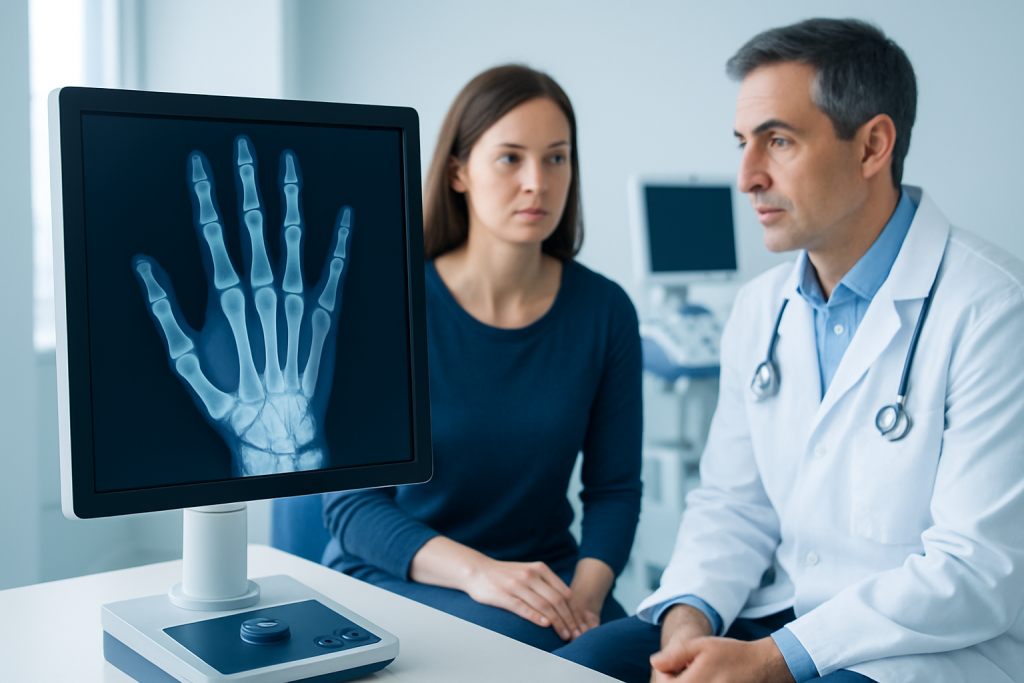
Hand problems do not always look dramatic. A person may notice subtle changes first, such as trouble opening jars, dropping objects, or feeling that the hand is “not quite right” in the morning. Symptoms often provide clues about which structure is involved.
Pain near a joint may point toward arthritis or a sprain, while pain along a tendon may worsen with repeated motion. Numbness, tingling, or burning often suggests nerve irritation or compression. Swelling, redness, warmth, or reduced range of motion can occur with inflammation, injury, or infection.
- Stiffness: may be linked to arthritis, tendon irritation, or post-injury immobility
- Numbness or tingling: may suggest nerve compression such as Tunnel Syndrome Treatment" class="ahp-ilk">carpal tunnel syndrome
- Weak grip: may occur with tendon, nerve, or muscle problems
- Visible deformity or limited motion: may follow fracture, dislocation, or advanced joint disease
Because the hand is used constantly, even mild symptoms can affect daily life quickly. Paying attention to the pattern of symptoms helps clinicians narrow the cause and choose the right tests.
Causes & Risk Factors
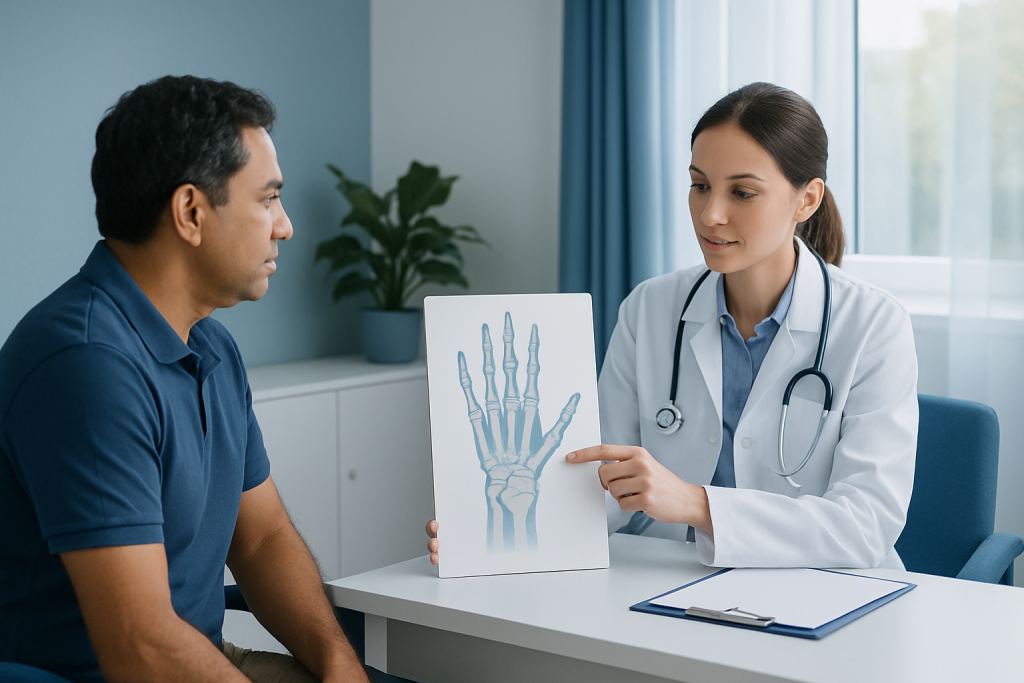
The hand’s complexity also makes it vulnerable. Repetitive motion, falls, sports injuries, arthritis, and nerve compression are among the most common reasons for hand complaints. In some cases, symptoms are tied to a specific event, such as catching the hand in a door or landing on an outstretched hand.
Some conditions develop gradually. Repeated typing, tool use, gaming, sewing, or manual labor can strain tendons and soft tissues over time. Age-related changes may affect joints and cartilage, while inflammatory conditions can cause swelling and stiffness in several parts of the hand at once.
Risk factors often include:
- Repetitive hand or wrist movements
- Prior fracture, sprain, or dislocation
- Arthritis or inflammatory joint disease
- Diabetes or other conditions that can affect nerves
- Work or sports activities that place stress on the hand
For international patients who travel for evaluation, it is helpful to bring any prior imaging reports, surgery notes, or therapy records. Hand disorders are often easier to interpret when previous injuries and treatments are known.
Diagnosis
Diagnosis usually begins with a careful history and physical examination. A clinician may ask when symptoms started, which fingers or joints are involved, what makes the problem better or worse, and whether there has been injury, fever, or numbness. Observation of swelling, finger alignment, grip strength, and fine movement can reveal a great deal.
Imaging tests are often used when bone, joint, or tendon injury is suspected. X-rays can show fractures, dislocation, arthritis, or alignment problems. Ultrasound or MRI may be helpful when soft tissues such as tendons, ligaments, or cartilage need closer assessment. If a nerve issue is suspected, nerve conduction studies or electromyography may be recommended.
In some situations, blood tests are used to look for inflammation, infection, or autoimmune disease. The exact workup depends on the symptoms and the structures involved. A good diagnosis focuses on function as well as anatomy: how well the hand bends, grips, feels, and tolerates daily activity.
Treatment Options
Treatment depends entirely on the cause. A minor sprain, tendon irritation, or overuse injury may improve with rest, splinting, activity modification, and guided hand therapy. More significant injuries may need reduction of a dislocation, casting, or surgical repair.
When pain comes from inflammation, clinicians may suggest approaches that reduce strain and support healing. For nerve compression, treatment may include nighttime splints, therapy, medication, or procedures that relieve pressure on the nerve. Arthritis care may focus on pain control, preserving motion, and protecting joint function. Infections, if present, require prompt medical treatment.
Hand therapy plays an important role in many conditions. A therapist can help improve flexibility, strength, scar management, coordination, and safe return to activity. When surgery is needed, rehabilitation is often just as important as the procedure itself, because the hand must regain both movement and precision.
Prevention & Self-care
Not every hand condition can be prevented, but many can be managed more comfortably with practical habits. Small adjustments in how a person works, exercises, or rests the hand can make a meaningful difference over time.
Helpful self-care measures may include avoiding repetitive strain when possible, using ergonomic tools, taking breaks during prolonged hand activity, and keeping the hand mobile with gentle movement. A splint may be appropriate for certain problems, but it should be used under medical guidance so that stiffness does not become worse.
- Warm up before heavy hand use or sports
- Use proper technique when lifting, gripping, or typing
- Seek early care for persistent swelling or numbness
- Follow therapy exercises exactly as instructed
- Protect healing injuries during recovery
For patients recovering after Herniated Disc Treatment Abroad: Injection, Rehab, or Surgery?" class="ahp-ilk">treatment abroad, follow-up planning matters. It is helpful to leave with written instructions, therapy guidance, and a clear understanding of which symptoms should prompt further review once home.
When to See a Doctor
Medical evaluation is advisable if hand pain lasts more than a short period, keeps returning, or interferes with work, sleep, or daily tasks. Swelling that does not settle, stiffness that worsens, or pain after an injury deserves assessment, especially if the hand looks deformed or cannot move normally.
Prompt attention is important when there is numbness, tingling, weakness, loss of finger movement, color change, severe swelling, or signs of infection such as warmth and redness. These symptoms do not always mean something serious, but they do need timely evaluation so that treatment can begin appropriately.
For people considering care in another country, a specialist center can help coordinate diagnosis, imaging, treatment, and rehabilitation in one pathway. Acibadem Health Point’s multidisciplinary specialists and JCI-accredited hospitals diagnose and treat hand conditions for international patients, with attention to both treatment and recovery planning.
Frequently asked questions
What structures make up the hand?
The hand includes bones, joints, tendons, ligaments, muscles, nerves, and blood vessels. These parts work together to provide strength, movement, and sensation. A problem in one structure can affect the whole hand’s function.
Why does hand numbness happen?
Hand numbness often comes from nerve compression or irritation, but it can also follow injury or some medical conditions. The pattern of numbness, such as which fingers are affected, helps guide the diagnosis. A clinician may recommend an examination and sometimes nerve testing.
Can overuse really cause hand pain?
Yes, repeated hand motions can strain tendons, joints, and surrounding tissues. Overuse pain often builds gradually and may feel worse during or after activity. Early rest, technique changes, and therapy can help reduce symptoms.
Is hand pain always from arthritis?
No, hand pain has many possible causes, including sprains, tendon problems, nerve compression, and fractures. Arthritis is only one possibility. A proper evaluation is important if pain is persistent or affects function.
What tests are used to study hand anatomy problems?
Doctors may use X-rays, ultrasound, MRI, or nerve studies depending on the suspected problem. Physical examination remains the starting point because it shows how the hand moves and responds to pressure or sensation testing. Blood tests may be added if inflammation or infection is suspected.
When is surgery considered for hand conditions?
Surgery may be considered when a fracture is unstable, a tendon is torn, a nerve is compressed, or non-surgical treatment has not restored function. The need for surgery depends on the specific condition, severity, and the person’s daily needs. Rehabilitation after surgery is often part of the treatment plan.
References
- American Academy of Orthopaedic Surgeons
- Mayo Clinic
- National Institute of Arthritis and Musculoskeletal and Skin Diseases
- Merck Manual Professional Edition
- NHS
This article is for general information only and is not a substitute for professional medical advice. Please consult a qualified doctor about your individual situation.
More from the Health Library



Related Specialists

Prof. Dr. Ahmet Alanay
Orthopedic Surgery & Traumatology
Dr. Sinan Aksu
Orthopedic Surgery & Traumatology
Dr. Sirri Baştürk
Orthopedic Surgery & Traumatology
Prof. Dr. Korhan Özkan
Orthopedic Surgery & Traumatology