Tarsal Tunnel Syndrome

Key Takeaways
- Tarsal tunnel syndrome is a nerve compression problem near the ankle that may affect the sole, toes, or heel.
- Symptoms often include burning pain, tingling, numbness, or a feeling of electric shocks in the foot.
- Diagnosis usually relies on a careful history, physical examination, and sometimes imaging or nerve studies.
- Treatment may begin with rest, activity changes, supportive footwear, and anti-inflammatory measures, with surgery reserved for selected cases.
- Early medical evaluation can help prevent prolonged nerve irritation and guide the right recovery plan.
Tarsal tunnel syndrome happens when the tibial nerve is compressed as it passes through a narrow space near the ankle. It can cause burning, tingling, numbness, or pain in the foot, and it is often manageable with timely diagnosis and targeted treatment.
Overview
Tarsal tunnel syndrome is a condition in which the tibial nerve becomes irritated or compressed as it travels through the tarsal tunnel, a narrow passage on the inner side of the ankle. Because this nerve supplies sensation to the sole of the foot and some of the toes, pressure on it can create symptoms that feel much farther away than the ankle itself.
People often notice the problem first as an odd mix of burning, tingling, numbness, or aching in the foot. The discomfort may worsen after standing for long periods, walking, exercise, or at the end of a busy day. Since these symptoms can overlap with other foot and ankle conditions, a proper evaluation is important rather than guessing based on pain alone.
For international patients, this diagnosis may appear after a longer journey of trying shoes, rest, or home remedies without a clear answer. A focused orthopedic assessment can help distinguish nerve compression from tendon, joint, or circulation-related problems and point toward a treatment plan that fits daily life and travel plans.
Symptoms
The symptoms of tarsal tunnel syndrome can be subtle at first. Many people describe a burning or tingling sensation in the sole, heel, or toes, sometimes accompanied by numbness or a “pins and needles” feeling. Others notice sharp pain that seems to shoot into the arch or along the inner ankle.
Symptoms may become more noticeable after walking, prolonged standing, running, or wearing shoes that press on the inner ankle. Some people report that the foot feels weak, clumsy, or unusually sensitive to touch. In more advanced cases, symptoms may linger even at rest or disturb sleep.
The pattern can vary from person to person, and it is not unusual for the pain to be intermittent. Because nerve symptoms can mimic plantar fasciitis, lumbar nerve issues, or peripheral neuropathy, clinicians look closely at where the discomfort starts, how it spreads, and what makes it better or worse.
- Burning or tingling in the sole of the foot
- Numbness in the toes or heel
- Sharp, shooting pain near the inner ankle
- Symptoms that worsen with standing or walking
- Possible weakness or reduced foot control
Causes & Risk Factors

Tarsal tunnel syndrome develops when something narrows the space around the tibial nerve or increases pressure inside the tunnel. In some people, the cause is clear, such as an ankle injury, swelling after a sprain, a cyst, or a bony change. In others, no single trigger is found, which can make the condition frustrating to pin down.
Several factors can raise the chance of nerve irritation in this area. Repetitive strain, flat feet, foot deformities, arthritis, diabetes, varicose veins, inflammatory swelling, and scar tissue after surgery may all contribute. Tight footwear or prolonged activity on hard surfaces can also aggravate symptoms, though these are not usually the only cause.
Because the tunnel is a tight anatomical space, even small changes can matter. During a consultation, the clinician may also look for broader contributors such as walking mechanics, footwear habits, prior trauma, and whether symptoms suggest a local ankle issue or a more general nerve condition elsewhere in the body.
Diagnosis
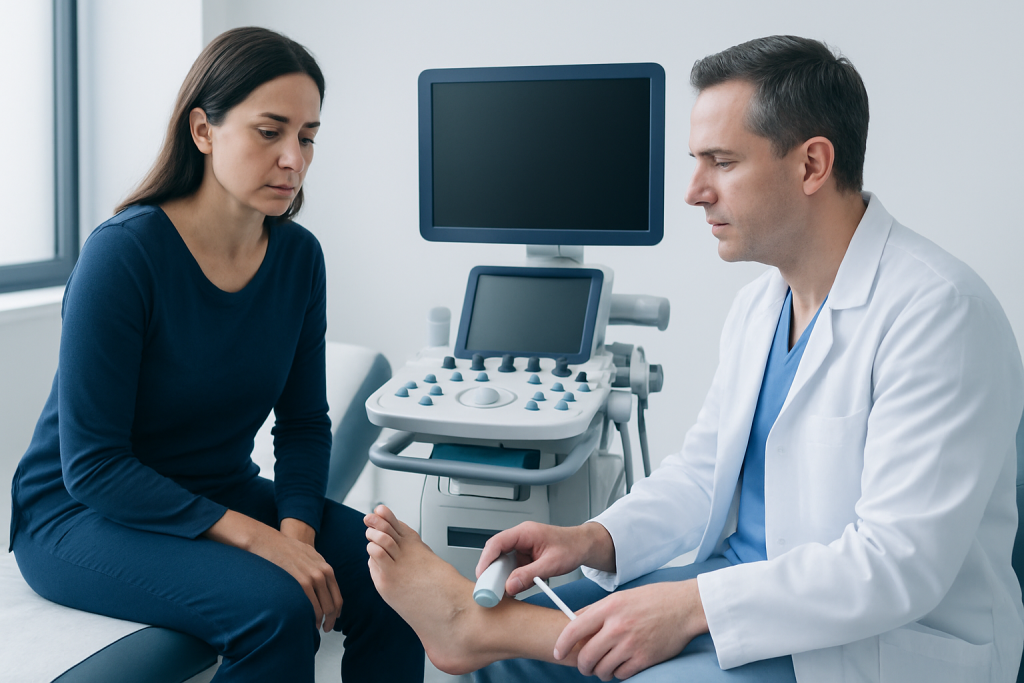
Diagnosis starts with a detailed discussion of the symptoms and a physical examination of the foot and ankle. The clinician may gently tap over the tibial nerve or move the foot into positions that reproduce tingling or pain, helping identify whether the nerve is being compressed in the tarsal tunnel.
Imaging tests such as ultrasound or MRI may be used when a structural cause is suspected, especially if a cyst, tendon problem, mass, or swelling may be contributing. X-rays can help assess bone alignment or previous injury, although they do not directly show nerve irritation. Nerve conduction studies and electromyography may be helpful in some cases, but they are not perfect and can sometimes be normal even when symptoms are real.
A good diagnosis is often a process of matching symptoms, examination findings, and test results. That careful approach helps rule out other conditions that can feel similar, including plantar fasciitis, lumbar radiculopathy, peripheral neuropathy, or heel pain from another source.
Treatment Options
Treatment depends on the cause, severity, and duration of symptoms. Many people begin with conservative care aimed at reducing pressure on the nerve and calming irritation. This may include activity modification, rest from aggravating movements, supportive shoes, orthotic inserts, physical therapy, and strategies to reduce swelling around the ankle.
Medication may be used to ease pain and inflammation, though treatment is typically individualized rather than one-size-fits-all. A clinician may also recommend local measures such as ice, temporary immobilization, or changes in training routines. If a specific underlying problem is found, such as a cyst or foot alignment issue, treating that contributor can be an important part of recovery.
Surgery may be considered when symptoms persist despite conservative treatment or when a clear mechanical cause is compressing the nerve. The operation, usually called tarsal tunnel release, aims to create more space for the tibial nerve. As with any procedure, the decision depends on a careful discussion of expected benefit, recovery time, and the possibility that nerve symptoms may take time to improve.
For patients traveling from abroad, treatment planning often includes practical details such as how long to remain locally after a procedure, what follow-up will be needed, and how rehabilitation can continue safely once home. In appropriate cases, Acibadem Health Point’s multidisciplinary specialists and JCI-accredited hospitals diagnose and treat tarsal tunnel syndrome for international patients.
Prevention & Self-care
Not every case can be prevented, but there are sensible ways to reduce strain on the ankle and foot nerves. Choosing well-fitting footwear with enough room in the toe box, avoiding prolonged pressure on the inner ankle, and pacing repetitive impact activities may all help lower irritation. People with flat feet or recurring ankle strain may benefit from orthotic support recommended by a clinician.
Self-care is also about noticing patterns. If symptoms flare after a certain workout, a long day on concrete floors, or a particular pair of shoes, those clues can be useful when planning changes. Gentle stretching, rest breaks, and gradual return to activity may be part of a safer routine, but exercises should be selected carefully so they do not worsen nerve symptoms.
For those recovering after treatment, rehabilitation is often a stepwise process rather than a quick switch back to normal. Clear instructions from the care team, especially when coordinating follow-up across countries, can help reduce setbacks and support steady improvement.
- Wear shoes that do not compress the inner ankle
- Use orthotics if recommended for foot alignment
- Modify high-impact activity when symptoms flare
- Address swelling promptly after injury or overuse
- Follow rehabilitation advice consistently
When to See a Doctor
Medical evaluation is appropriate when foot tingling, numbness, or burning pain lasts more than a short period, keeps returning, or interferes with walking, work, or sleep. It is especially important to seek care when symptoms are one-sided, progressively worsening, or linked to a recent ankle injury. A persistent nerve problem is easier to manage when it is assessed early.
Urgent assessment may be needed if there is sudden severe weakness, major swelling after injury, inability to bear weight, or signs that suggest a different serious condition. While tarsal tunnel syndrome itself is usually not an emergency, the right diagnosis matters because other causes of foot pain may need different treatment.
People who have diabetes or known nerve problems should mention those conditions during evaluation, since they can influence symptoms and recovery. A qualified doctor can help clarify the source of pain and decide whether simple measures, further testing, or specialist treatment is the safest next step.
Living With the Condition
Living with tarsal tunnel syndrome often means balancing activity with symptom control. Some people improve with footwear changes and therapy, while others need a longer period of nerve recovery or a procedure to relieve the compression. Progress may be gradual, so it helps to track triggers, symptom changes, and the response to treatment.
Patients who are managing care across borders may find it useful to organize test results, imaging reports, and a written treatment plan before traveling home. This can make handoffs to local physicians or physiotherapists smoother and reduce confusion about what was done and what comes next.
With a clear diagnosis and a realistic plan, many people are able to return to normal routines or an adjusted version of them. The most useful approach is usually the one that respects both the nerve’s healing timeline and the demands of daily life.
Frequently asked questions
Is tarsal tunnel syndrome the same as plantar fasciitis?
No. Both can cause foot pain, but tarsal tunnel syndrome involves nerve compression, while plantar fasciitis involves irritation of the tissue supporting the arch. The sensations are often different, with tarsal tunnel syndrome more likely to cause burning, tingling, or numbness.
Can tarsal tunnel syndrome go away on its own?
Mild cases may improve if the irritating activity stops and swelling settles, but persistent nerve compression should not be ignored. If symptoms continue, a doctor should evaluate the foot to prevent long-term irritation.
What tests are used to confirm the diagnosis?
Doctors usually start with a history and physical examination, and may add imaging or nerve studies if needed. No single test is perfect, so the diagnosis is often based on the full clinical picture.
Does surgery always cure tarsal tunnel syndrome?
Surgery can help when a clear mechanical compression is present and conservative treatment has not worked, but outcomes vary. Nerve symptoms may improve gradually, and recovery depends on how long the nerve has been irritated.
Can walking make the pain worse?
Yes, walking and standing can sometimes increase pressure around the tibial nerve and make symptoms more noticeable. Supportive footwear, activity adjustment, and a clinician-guided plan may help reduce that strain.
Should someone travel for treatment if symptoms are ongoing?
Travel for treatment can be reasonable when the diagnosis is uncertain, symptoms are persistent, or specialist evaluation is needed. It is best to plan travel around the expected tests, treatment steps, and follow-up needs so recovery remains well coordinated.
References
- Mayo Clinic
- Cleveland Clinic
- American Academy of Orthopaedic Surgeons
- National Institute of Neurological Disorders and Stroke
- Merck Manual Professional Edition
This article is for general information only and is not a substitute for professional medical advice. Please consult a qualified doctor about your individual situation.