Glial Cells

Key Takeaways
- Glial cells support, protect, and nourish neurons throughout the brain and spinal cord.
- Different glial cell types perform different jobs, including insulation, immune defense, and repair.
- Problems involving glial cells can contribute to inflammation, nerve damage, and some brain and spinal cord tumors.
- Diagnosis usually depends on neurological examination, imaging, and sometimes tissue analysis.
- Treatment focuses on the underlying condition and may include medication, surgery, rehabilitation, or follow-up monitoring.
Glial cells are the support system of the nervous system, helping neurons work, communicate, and stay healthy. When they are affected by injury, inflammation, or disease, the impact can range from subtle symptoms to serious neurological conditions.
Overview
Glial cells are the quiet workers of the nervous system. While neurons often receive the most attention because they carry electrical signals, glial cells create the environment that allows those signals to travel efficiently and safely. They support, protect, feed, insulate, and repair nervous tissue in the brain, spinal cord, and peripheral nerves.
There are several major types of glial cells, and each has a distinct role. Some help form myelin, the insulating layer around nerve fibers. Others act like immune cells inside the brain and spinal cord, responding to injury or infection. Still others maintain chemical balance, remove waste, and help neurons develop and function properly.
Because glial cells are involved in so many basic nervous system tasks, changes in their behavior can affect a wide range of conditions. These may include inflammation, nerve injury, demyelinating disease, and certain tumors. For international patients seeking answers, understanding glial cells often helps make sense of why doctors order scans, recommend follow-up imaging, or suggest specialist care in neurology or neuro-oncology.
Symptoms
There is no single set of symptoms that points only to glial cell problems. Instead, symptoms usually depend on which part of the nervous system is affected and what the underlying condition is. A person may notice gradual changes, sudden neurological problems, or symptoms that come and go.
When glial cells are involved in disease, possible symptoms can include headaches, weakness, numbness, balance problems, vision changes, seizures, memory difficulties, or changes in speech and coordination. In conditions affecting the spinal cord or peripheral nerves, pain, tingling, or walking difficulty may be more prominent.
- Headache that is new, persistent, or changing
- Weakness or loss of sensation in an arm, leg, or one side of the body
- Seizures or episodes of confusion
- Problems with balance, coordination, or walking
- Visual or speech changes
- Memory, concentration, or behavior changes
These symptoms can have many causes, and many are not related to a serious disease. Still, changes that persist or progress should be evaluated by a qualified clinician, especially when they affect daily functioning or safety.
Causes & Risk Factors

Glial cells may be affected by a variety of processes, including inflammation, genetic changes, injury, infection, and autoimmune activity. Some conditions primarily disturb the function of glial cells, while others damage nearby neurons and glial tissue together. In many cases, the exact cause is not fully known.
One important category is demyelinating disease, where myelin-producing glial cells are damaged. This can disrupt nerve signaling and lead to neurological symptoms. Glial cells are also central to some brain and spinal cord tumors, including astrocytomas and glioblastoma, which arise from glial tissue or closely related cells.
Risk factors vary by condition. They may include inherited genetic syndromes, previous radiation exposure, certain autoimmune diseases, age, and, in some situations, family history. However, many people with glial cell-related disorders have no clear risk factor. A doctor typically looks at the full clinical picture rather than relying on one trigger alone.
Diagnosis
Diagnosis usually begins with a detailed medical history and neurological examination. The clinician looks for patterns in symptoms, timing, strength, reflexes, coordination, cognition, and sensation. This helps determine whether the concern may involve the brain, spinal cord, or peripheral nerves.
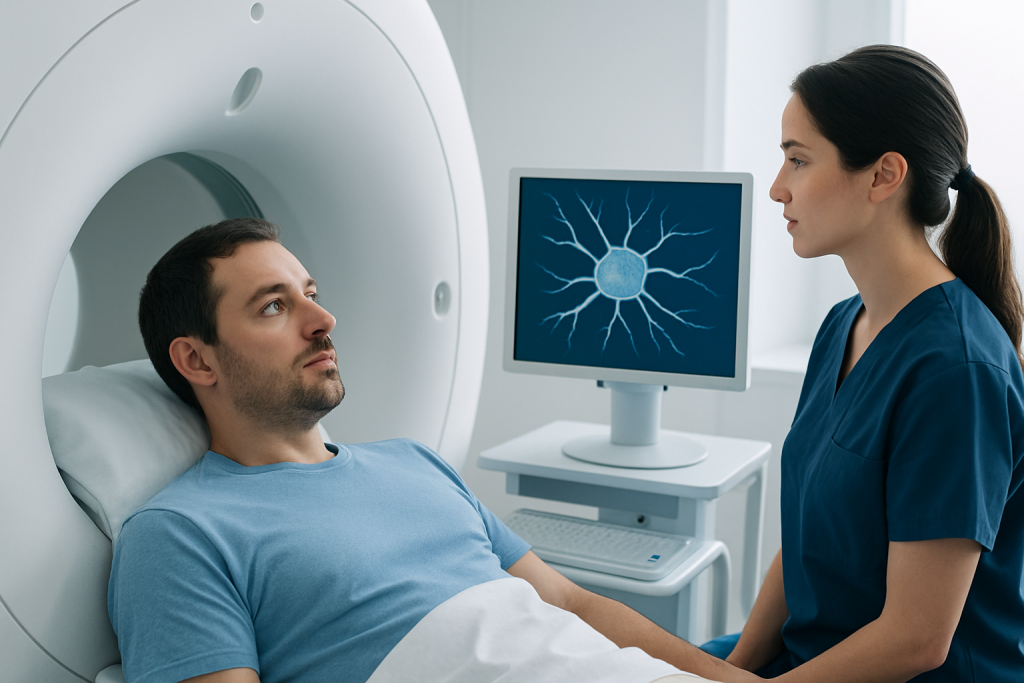
Imaging studies are often essential. MRI is commonly used to evaluate soft tissue structures in the nervous system and can help identify inflammation, demyelination, swelling, or a mass. In some situations, CT scanning, spinal imaging, or advanced imaging techniques may also be used. If a tumor or unusual lesion is found, tissue sampling may be recommended to confirm the diagnosis and understand the cell type involved.
Depending on the suspected condition, additional tests may include blood work, lumbar puncture, nerve studies, or genetic testing. For international patients, this part of the process often includes reviewing existing scans and reports from home before deciding whether repeat imaging or specialty consultation is needed after arrival.
Treatment Options
Treatment depends entirely on the condition affecting the glial cells. There is no universal treatment for all glial cell disorders because the underlying causes can be very different. The goal is usually to reduce inflammation, protect nervous system function, remove or control abnormal tissue, and preserve quality of life.
For inflammatory or demyelinating conditions, treatment may include medications that calm the immune system or reduce relapse risk. Supportive therapies can help with symptoms such as spasticity, pain, fatigue, or mobility problems. In glial tumors, treatment may involve surgery, radiation therapy, chemotherapy, targeted therapy, or careful monitoring, depending on the tumor type, grade, size, and location.
Rehabilitation is often an important part of care. Physical therapy, occupational therapy, speech therapy, and neurocognitive support can help a person recover function after nerve injury, surgery, or prolonged illness. When patients travel for care, treatment planning should also account for follow-up visits, recovery time, medication access, and coordination with their doctors back home.
Prevention & Self-care
Not every glial cell condition can be prevented, especially those linked to genetics, autoimmune activity, or unknown causes. Even so, there are practical ways to support nervous system health and reduce avoidable strain during treatment and recovery.
Self-care usually focuses on consistency: taking prescribed medicines as directed, attending follow-up appointments, and reporting new symptoms early. People recovering from neurological illness often benefit from sleep, hydration, balanced meals, gentle activity when approved, and fall-prevention measures at home. If memory or concentration is affected, written reminders, medication organizers, and family support can make day-to-day management easier.
- Keep a symptom log to track changes over time
- Follow imaging or clinic follow-up schedules carefully
- Use mobility aids if recommended for safety
- Avoid smoking and limit alcohol if advised by the care team
- Ask before starting supplements or new medicines
For patients coming from another country, planning matters. It can be helpful to bring medical records, scan images, pathology reports, and a current medication list, then arrange a local follow-up plan before returning home.
When to See a Doctor
A doctor should be consulted if neurological symptoms are new, persistent, worsening, or unexplained. This is especially important when headaches, seizures, weakness, numbness, confusion, or vision changes interfere with daily life. A timely assessment can help separate temporary problems from conditions that need treatment.
Urgent medical evaluation is appropriate for sudden weakness, a first seizure, severe headache with neurological symptoms, loss of consciousness, or rapidly worsening balance and speech problems. These symptoms do not always mean a serious diagnosis, but they do deserve prompt attention.
If a glial cell disorder has already been diagnosed, follow-up visits should not be skipped even when symptoms seem stable. Many nervous system conditions are monitored over time with repeat imaging or specialist review. Acibadem Health Point’s multidisciplinary specialists and JCI-accredited hospitals diagnose and treat these conditions for international patients, with care plans that can be coordinated around travel and recovery needs.
Living With a Glial Cell Condition
Living with a condition involving glial cells often means adjusting to a slower, more layered medical journey. Some people need a single treatment followed by recovery, while others require long-term monitoring and repeated specialist input. Clear communication with the care team helps patients understand what changes are expected and which symptoms should be reported.
Because the nervous system affects movement, speech, memory, mood, and independence, support may need to extend beyond medical treatment. Family members, caregivers, rehabilitation professionals, and neurologists often work together to help the person stay safe and as independent as possible. For patients returning to another country, a concise discharge summary and a defined follow-up schedule can make continuity of care much easier.
With the right diagnosis and a plan tailored to the underlying cause, many glial cell-related conditions can be managed effectively. The most useful next step is usually not guessing from symptoms alone, but getting a careful neurological assessment and a treatment plan built around the person’s specific findings.
Frequently asked questions
What are glial cells in simple terms?
Glial cells are support cells in the nervous system. They help neurons work properly by providing insulation, nutrients, cleanup, protection, and repair support.
Are glial cells the same as neurons?
No. Neurons send and receive electrical signals, while glial cells help maintain the environment that makes signaling possible. Both are essential, but they do different jobs.
Can glial cells cause brain tumors?
Yes. Some brain and spinal cord tumors arise from glial tissue, such as astrocytomas and glioblastoma. A specialist uses imaging and, when needed, tissue analysis to confirm the diagnosis.
Do glial cell problems always cause obvious symptoms?
Not always. Some conditions develop slowly or cause subtle changes at first, such as mild headaches, fatigue, or concentration problems. New or worsening neurological symptoms should still be checked.
How are glial cell disorders usually treated?
Treatment depends on the underlying condition. It may include medicines, surgery, radiation, rehabilitation, or monitoring over time, depending on whether the problem is inflammatory, demyelinating, or tumorous.
Is a second opinion useful for a glial cell diagnosis?
It can be very helpful, especially if imaging, biopsy results, or treatment choices are complex. A second review by a neurology or neuro-oncology team can clarify the diagnosis and next steps.
References
- National Institute of Neurological Disorders and Stroke
- Mayo Clinic
- World Health Organization
- American Brain Tumor Association
- National Cancer Institute
This article is for general information only and is not a substitute for professional medical advice. Please consult a qualified doctor about your individual situation.