Amnesia Amnesia

Key Takeaways
- Amnesia describes memory loss, not a single disease.
- It may affect short-term memory, long-term memory, or the ability to form new memories.
- Causes range from head injury and stroke to infection, seizures, alcohol use, and stress-related conditions.
- Diagnosis usually includes a neurological history, memory testing, and sometimes brain imaging or blood tests.
- Treatment focuses on the underlying cause, safety, rehabilitation, and support for daily life.
Amnesia is a problem with memory that can affect recent events, past experiences, or the ability to learn new information. It is a symptom with many possible causes, so a careful medical evaluation is important to understand what is happening and how best to help.
Overview
Amnesia is the medical term for a noticeable problem with memory. A person may struggle to remember recent conversations, key events from the past, or new information learned only moments earlier. In everyday life, this can look like repeating questions, getting lost in familiar routines, or having gaps around a specific event.
It is important to think of amnesia as a sign rather than a diagnosis on its own. Different conditions can affect memory in different ways, and the pattern often gives doctors useful clues. Some forms begin suddenly after an injury or illness, while others develop more gradually and are discovered during a broader neurological assessment.
For international patients, memory changes can be especially unsettling because they may appear while traveling, recovering after surgery, or adjusting to a new environment. A calm, structured evaluation helps determine whether the issue is temporary, reversible, or part of a condition that needs longer-term treatment and follow-up.
Symptoms
The most common feature of amnesia is memory difficulty that stands out from a person’s usual level of functioning. Some people remember older information well but cannot form new memories, while others have trouble recalling events from the recent or distant past. The exact pattern depends on which parts of memory are affected.
Symptoms may include:
- Repetitive questioning or repeating the same story
- Difficulty remembering recent conversations, appointments, or instructions
- Gaps in memory for a specific period of time
- Confusion about where they are or how they arrived there
- Trouble learning new names, places, or routines
- Occasional disorientation, especially after illness, injury, or sleep disruption
Amnesia can occur by itself, but it may also appear with other neurological or emotional symptoms such as headache, dizziness, speech changes, weakness, agitation, or anxiety. When memory loss is sudden or accompanied by other changes in brain function, it deserves prompt medical attention.
Causes & Risk Factors

Memory depends on several brain networks working together, so many different problems can interfere with it. A head injury is a well-known cause, but amnesia may also develop after stroke, seizures, infections affecting the brain, lack of oxygen, severe metabolic disturbances, or some medications. Alcohol or substance use can also cause temporary or longer-lasting memory problems.
Sometimes memory loss is linked to stress or psychological trauma. In these cases, the person may have difficulty recalling personal information or events around a distressing experience. Less commonly, amnesia can be part of an early neurodegenerative condition or another chronic neurological disorder.
Risk factors vary with the cause, but may include:
- Head trauma, falls, or accidents
- Stroke or transient ischemic attack
- Seizures
- Brain infection or inflammation
- Heavy alcohol use or recreational drug exposure
- Older age and other medical conditions affecting brain health
Because there is not one single pathway to amnesia, doctors usually look beyond the memory complaint itself and ask about recent illness, injury, medications, travel, sleep, mood, and overall medical history.
Diagnosis
Diagnosis begins with a detailed history. A doctor will usually ask when the memory problem started, whether it came on suddenly or gradually, what exactly is being forgotten, and whether there was an injury, infection, seizure, or major stressor beforehand. Input from family members or travel companions can be especially helpful when the person is unable to describe the timeline clearly.
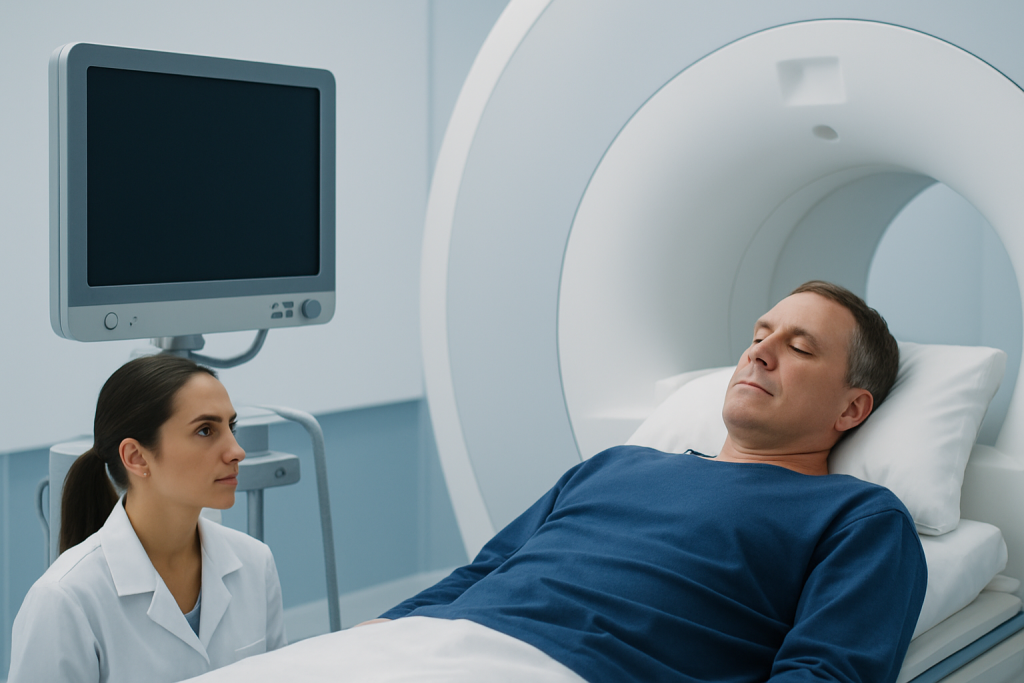
Neurological examination and memory testing help identify which types of memory and thinking are affected. Depending on the situation, doctors may also order brain imaging such as CT or MRI, blood tests to check for infection or metabolic causes, and other studies if seizures or oxygen-related events are suspected. The goal is to find the reason for the amnesia rather than simply naming the symptom.
In some cases, the evaluation also looks for safety concerns, such as the ability to manage medications, navigate independently, or return home safely after treatment abroad. When memory changes affect travel plans, follow-up arrangements and caregiver support become part of the diagnostic discussion.
Treatment Options
Treatment depends entirely on the cause. If amnesia follows a concussion, infection, seizure, medication effect, or another reversible problem, care focuses on treating that condition and preventing further harm. When the cause is a stroke or other neurological event, treatment is directed at stabilizing the brain and reducing future risk.
Supportive care is often essential even when no immediate cure exists. This may include memory strategies, occupational therapy, speech and cognitive rehabilitation, medication review, and help from family or caregivers. Simple tools such as written reminders, phone alarms, and consistent routines can make daily life more manageable.
In some cases, mental health support is part of treatment, especially when trauma, anxiety, or depression is contributing to the memory problem. A coordinated plan is often most effective because amnesia can affect communication, medication adherence, travel logistics, and the person’s confidence in managing day-to-day tasks.
For international patients, a multidisciplinary approach is often valuable. Neurologists, rehabilitation specialists, radiology teams, and other experts may work together to clarify the cause, begin treatment, and organize follow-up after the patient returns home. Acibadem Health Point’s multidisciplinary specialists and JCI-accredited hospitals diagnose and treat this condition for international patients.
Prevention & Self-care
Not every cause of amnesia can be prevented, but general brain-health measures may lower risk. Wearing seat belts and helmets, addressing falls at home, managing blood pressure and vascular risk factors, and seeking prompt care after head injury can all help protect memory and overall neurological health.
Self-care is especially important during recovery. Rest, hydration, regular sleep, and avoiding alcohol or non-prescribed substances can support the brain while it heals. If memory is unreliable, keeping a simple routine and using practical prompts can reduce stress and improve safety.
- Keep a single notebook or phone app for appointments and instructions
- Ask a family member or companion to help with travel, paperwork, or medication schedules
- Limit driving or other risky activities until a doctor confirms it is safe
- Follow the recommended recovery plan after concussion, illness, or surgery
People who are traveling for care may benefit from planning follow-up before leaving the hospital or country. Clear discharge instructions, translated summaries when needed, and a direct line for questions can make the transition home smoother and safer.
When to See a Doctor
Any sudden or unexplained memory loss should be reviewed by a doctor, especially if it is new, worsening, or interfering with daily life. Prompt assessment is particularly important when memory loss begins after a head injury, seizure, severe headache, infection, or episode of fainting or confusion.
Emergency care is needed if memory changes occur with weakness, facial droop, speech difficulty, severe headache, chest pain, trouble breathing, high fever, or decreased responsiveness. These symptoms may point to a serious neurological or medical problem that needs immediate attention.
Even when amnesia does not feel urgent, a medical evaluation is wise if the memory issue is persistent, if family members notice a clear change, or if it affects safety, work, driving, or the ability to travel independently. Early clarification can prevent unnecessary worry and help the person receive the right support sooner.
Living With Amnesia
Living with amnesia often means building a life that relies less on memory alone and more on structure. That can include calendars, labeled storage, regular check-ins, and a trusted support person who understands the routine. These adjustments are not signs of failure; they are practical ways to stay independent and reduce frustration.
Families and caregivers may need guidance too. It can help to speak slowly, give one instruction at a time, and keep the environment predictable. If the cause is ongoing, rehabilitation and regular neurological follow-up can help track progress and adapt strategies over time.
For people who have traveled for treatment, it is useful to leave with a clear plan for medications, warning signs, and the next appointment. A well-organized handover can make recovery feel less fragmented and support continuity of care across borders.
Frequently asked questions
Is amnesia the same as dementia?
Not always. Amnesia refers specifically to memory loss, while dementia is a broader syndrome that affects memory along with thinking, judgment, language, and daily function. Some people with dementia do have amnesia, but many causes of amnesia are different and may be temporary or reversible.
Can amnesia be temporary?
Yes, depending on the cause. Memory loss after a concussion, seizure, infection, medication effect, or intense stress may improve when the underlying issue is treated. A doctor needs to evaluate the situation to understand whether recovery is likely.
What is the most common cause of amnesia?
There is no single most common cause for all cases, because amnesia is a symptom with many possible origins. Head injury, stroke, seizures, substance use, and certain medical or psychological conditions are among the better-known causes. The pattern of memory loss helps guide the workup.
How do doctors test memory loss?
They usually begin with questions about when the problem started, what was forgotten, and whether there was a trigger such as injury or illness. Memory testing, a neurological exam, and sometimes blood tests or brain imaging help identify the cause. The exact tests depend on the person’s symptoms and history.
Can stress cause amnesia?
Yes, severe psychological stress or trauma can sometimes affect memory. In some people, this may lead to gaps in autobiographical memory or difficulty recalling events connected to the stressful experience. A qualified clinician should assess the symptoms to rule out physical causes as well.
When should someone seek urgent help for amnesia?
Urgent help is important if memory loss comes on suddenly or appears with weakness, speech trouble, severe headache, fever, confusion, or reduced alertness. These can be signs of a serious medical problem such as stroke, infection, or seizure. It is safest to seek prompt evaluation rather than wait for symptoms to pass.
References
- National Institute of Neurological Disorders and Stroke
- Mayo Clinic
- World Health Organization
- Merck Manual Professional Edition
- American Academy of Neurology
This article is for general information only and is not a substitute for professional medical advice. Please consult a qualified doctor about your individual situation.