Treatment For Neuropathy In Legs And Feet

Key Takeaways
- Neuropathy in the legs and feet is a symptom pattern, not a single disease, so treatment starts with identifying the cause.
- Common causes include diabetes, vitamin deficiencies, alcohol use, medication side effects, nerve compression, and autoimmune conditions.
- Care may include treating the underlying condition, nerve pain medicines, physical therapy, and practical foot-protection strategies.
- Numbness, balance changes, weakness, or wounds that do not heal should be assessed by a qualified clinician.
- Early evaluation can help preserve function and reduce the chance of falls, skin injury, and long-term nerve damage.
Neuropathy in the legs and feet can cause tingling, numbness, burning, pain, or weakness that interferes with walking and daily comfort. Treatment focuses on finding the underlying cause, easing symptoms, and protecting the feet from injury.
Overview
Neuropathy in the legs and feet often begins quietly. A person may notice that socks feel strange, the floor seems less predictable, or a burning sensation appears at night and makes rest harder than usual. Because the nerves in the lower limbs are among the longest in the body, they are often the first to show signs when something is affecting nerve health.
Treatment for neuropathy in legs and feet is not one-size-fits-all. The most useful plan depends on what is damaging the nerves in the first place, how long symptoms have been present, and whether pain, numbness, weakness, or balance issues are the main concern. In many people, the goal is not only to reduce discomfort but also to protect walking ability, sleep, and everyday independence.
For international patients, this can be especially important when symptoms have already led to travel worries, work disruption, or uncertainty about where to start. A structured evaluation helps separate temporary, reversible causes from chronic conditions that need long-term follow-up.
Symptoms
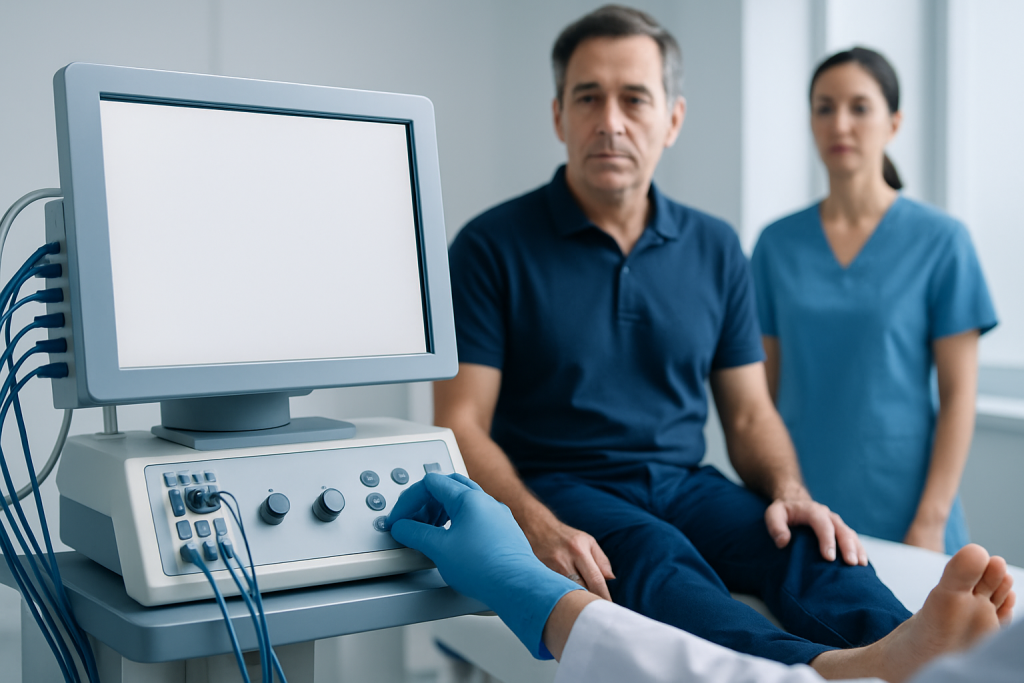
Symptoms can vary widely. Some people mainly feel tingling or “pins and needles” in the toes. Others describe burning, electric-shock sensations, or a deep ache that worsens at night. Numbness may also occur, which can be dangerous because it can reduce awareness of small cuts, pressure points, or temperature changes.
When neuropathy affects the legs, it may also change how a person walks. The feet may feel heavy, weak, or poorly coordinated, and stairs or uneven surfaces can become harder to manage. Some people notice that balance is less reliable, especially in the dark or when getting up quickly.
Symptoms sometimes include:
- Tingling or burning in the feet or lower legs
- Numbness or reduced sensation
- Sharp, stabbing, or shooting pain
- Muscle weakness or cramping
- Loss of balance or frequent tripping
- Changes in temperature sensitivity
Symptoms may affect one foot, both feet, or move upward over time. The pattern can help a clinician determine whether the nerves themselves are affected or whether a spinal, joint, or circulation problem may be contributing.
Causes & Risk Factors

Many different conditions can lead to neuropathy in the legs and feet. Diabetes is one of the most common causes, but it is far from the only one. Nerves can be affected by poor blood sugar control, vitamin B12 deficiency, thyroid disease, kidney disease, infections, autoimmune disorders, inherited nerve conditions, and prolonged alcohol use.
Some medicines may also irritate or injure nerves in certain situations. Compression or entrapment of nerves in the spine, pelvis, or lower limbs can create numbness, pain, or weakness that feels like “foot neuropathy” even when the source is higher up. In other cases, the exact cause remains unclear despite testing.
Risk tends to be higher in people with:
- Diabetes or prediabetes
- Vitamin deficiencies, especially B12
- Heavy alcohol use
- Chemotherapy exposure
- Kidney or thyroid disease
- Autoimmune or inflammatory disorders
- A family history of neuropathy
Because several causes can overlap, a person may have more than one issue at the same time. That is one reason a careful medical history is so important: treatment becomes more effective when it addresses the full picture rather than only the pain.
Diagnosis
Diagnosis usually starts with a detailed conversation about symptoms, medical history, medicines, alcohol use, travel history if relevant, and any recent weight loss or nutritional concerns. A clinician will also examine sensation, strength, reflexes, and gait. These findings help show whether the problem is most consistent with peripheral neuropathy and how widespread it appears to be.
Testing often includes blood work to look for common and treatable causes such as diabetes, vitamin deficiency, thyroid problems, kidney dysfunction, and inflammation. If symptoms or the exam suggest another source, additional studies may be used, such as nerve conduction tests or electromyography to assess nerve and muscle function.
Imaging is not always needed, but it may be useful if there are signs of spinal nerve compression or another structural problem. In selected cases, a specialist may recommend further evaluation for autoimmune, infectious, or hereditary causes. The purpose of diagnosis is to narrow down the reason for the nerve damage so that treatment is specific rather than guesswork.
Treatment Options
Treatment has two main goals: address the cause and reduce symptoms. If diabetes is involved, improving glucose control is often central to the plan. If a vitamin deficiency is found, replacing the missing nutrient may help prevent further nerve injury. If a medicine is suspected, a doctor may consider changing it when appropriate. In some situations, treating an underlying autoimmune or inflammatory condition can slow progression.
For symptom relief, clinicians may use medicines that calm nerve pain rather than standard pain relievers alone. The best choice depends on the person’s overall health, age, other medicines, and symptom pattern. No single medication works for everyone, and finding the right option may take time and follow-up. Non-drug approaches, including physical therapy, balance training, and gait support, can also be valuable.
Other treatment elements may include:
- Footwear changes to reduce pressure and friction
- Assistive devices if balance is impaired
- Physical or occupational therapy
- Treatment of sleep disruption caused by nighttime burning or pain
- Specialized foot care if sensation is reduced
When neuropathy is advanced, the focus may shift from reversal to protection and function. Even then, symptom control and careful monitoring can make daily life more comfortable and safer.
Prevention & Self-care
Self-care cannot cure every form of neuropathy, but it can make a meaningful difference. Good foot care is especially important when sensation is reduced, because a minor blister or pressure spot may go unnoticed and become more serious over time. Daily inspection of the feet, even with a mirror if needed, is a practical habit for many people.
Supportive shoes with enough room for the toes, clean and dry socks, and avoidance of walking barefoot can help reduce injury. Keeping blood sugar, blood pressure, and other chronic conditions under control is also important when those conditions are part of the cause. Limiting alcohol and maintaining balanced nutrition may help protect nerve health as well.
Helpful habits often include:
- Checking feet every day for redness, cuts, swelling, or blisters
- Wearing comfortable, protective footwear indoors and outdoors
- Keeping feet clean and moisturized, while avoiding excess moisture between the toes
- Exercising as advised to support circulation, strength, and balance
- Following nutrition guidance if deficiency is suspected or confirmed
For people traveling for care, it is sensible to plan follow-up before the trip ends, especially if treatment adjustments, lab checks, or therapy sessions will be needed after returning home. Clear written instructions can make continuity of care much easier.
When to See a Doctor
Medical assessment is important if numbness, tingling, burning, or weakness is persistent, worsening, or affecting walking. A person should also seek care if symptoms begin after a new medication, a period of heavy alcohol use, a nutritional problem, or a recent illness. Early evaluation can sometimes identify a reversible cause before more nerve damage occurs.
Prompt attention is especially important if there is foot weakness, repeated falls, new back pain with leg symptoms, or a wound on the foot that is not healing well. Loss of sensation can make injuries easy to miss, so any redness, swelling, drainage, or skin breakdown deserves timely review.
If symptoms are severe, one-sided, rapidly progressing, or associated with bowel or bladder changes, urgent medical evaluation is appropriate. For international patients, a neurology-focused team can help coordinate diagnostic testing and treatment planning across a short or extended stay. At Acibadem Health Point, multidisciplinary specialists and JCI-accredited hospitals diagnose and treat neuropathy for international patients with coordinated follow-up in mind.
Living With Neuropathy: A Practical Outlook
Neuropathy in the legs and feet can be frustrating because it often affects simple routines first: sleep, walking, choosing shoes, or standing for long periods. Even when the condition cannot be fully reversed, many people benefit from a combination of cause-specific treatment, symptom control, and daily protection strategies. The right plan usually aims to preserve movement and reduce the “background noise” that nerve pain can create.
Progress is often gradual rather than immediate. That is normal. What matters most is steady follow-up, honest symptom tracking, and timely adjustment of care when something is not helping. A patient who keeps notes about when symptoms are worse, what footwear feels best, and whether balance is changing can give the care team useful clues.
For those seeking care across borders, it helps to think beyond the first appointment. Neuropathy treatment works best when diagnostics, treatment, and follow-up are linked together in a practical plan that fits the person’s home country, travel schedule, and long-term health needs.
Frequently asked questions
Is neuropathy in the legs and feet always caused by diabetes?
No. Diabetes is a common cause, but many other conditions can also affect the nerves. Vitamin deficiencies, alcohol use, thyroid or kidney disease, medication side effects, spinal nerve compression, and autoimmune disorders are all possible causes.
Can neuropathy be reversed?
Sometimes, especially when the underlying cause is found early and treated effectively. For other people, the focus is on slowing progression, reducing pain, and protecting the feet and balance. A clinician can help estimate what is realistic based on the cause and how long symptoms have been present.
What kind of doctor treats neuropathy?
A neurologist often leads the evaluation, especially when symptoms are unclear or progressing. Depending on the cause, primary care doctors, endocrinologists, rehabilitation specialists, and podiatrists may also be involved. Coordinated care is often the most helpful approach.
Do over-the-counter pain medicines help nerve pain?
They may help some general aches, but nerve pain often responds poorly to standard pain relievers alone. Doctors may consider other medicines or non-drug strategies that are better suited to nerve-related symptoms. It is best not to self-treat long term without medical guidance.
Why is foot care so important with neuropathy?
Reduced sensation can make it harder to notice blisters, cuts, or pressure points. Small problems can become bigger if they are not seen early, especially if circulation or blood sugar is also a concern. Daily inspection and protective footwear are simple but valuable habits.
When should someone seek urgent help?
Urgent evaluation is needed if weakness appears suddenly, symptoms spread quickly, walking becomes much harder, or bowel or bladder changes occur. Foot wounds with redness, swelling, or drainage should also be assessed promptly. These signs deserve timely medical attention.
References
- National Institute of Neurological Disorders and Stroke
- Mayo Clinic
- American Academy of Neurology
- World Health Organization
- Centers for Disease Control and Prevention
This article is for general information only and is not a substitute for professional medical advice. Please consult a qualified doctor about your individual situation.