General Dentistry

Key Takeaways
- General dentistry focuses on prevention, early detection, and treatment of common oral health problems.
- Regular checkups and professional cleanings help reduce the risk of cavities, gum disease, and other complications.
- Dentists can address pain, sensitivity, damaged teeth, and concerns about gums, bite, or oral hygiene.
- Good home care and timely follow-up are important for maintaining results between visits.
- Patients traveling for dental care should plan for review visits and clear aftercare instructions before returning home.
General dentistry is the foundation of everyday oral care, helping patients prevent, find, and treat common dental problems before they become more complex. It includes regular examinations, cleanings, fillings, gum care, and guidance that supports long-term dental health at every age.
Overview
General dentistry is usually the first place people turn when they want to keep their teeth and gums healthy, or when something in the mouth feels different and needs attention. It brings together routine examinations, preventive care, basic restorations, and practical advice that helps patients stay ahead of common problems rather than waiting for pain to become the first warning sign.
For many people, general dentistry is the part of oral care that quietly supports everything else. A healthy bite makes it easier to chew, speak, and smile comfortably; it can also influence sleep, confidence, and daily routines. In international care settings, patients often use a general dentistry visit to organize several needs at once, from a first exam to treatment planning and follow-up instructions that can be carried home.
The scope is broad, but the goal is simple: identify issues early, treat them conservatively when possible, and build habits that protect the mouth over time. Whether a patient is visiting for a routine cleaning or arriving with tooth pain after months away from a dentist, general dentistry provides the starting point for sensible, individualized care.
Common Symptoms and Reasons for a Visit
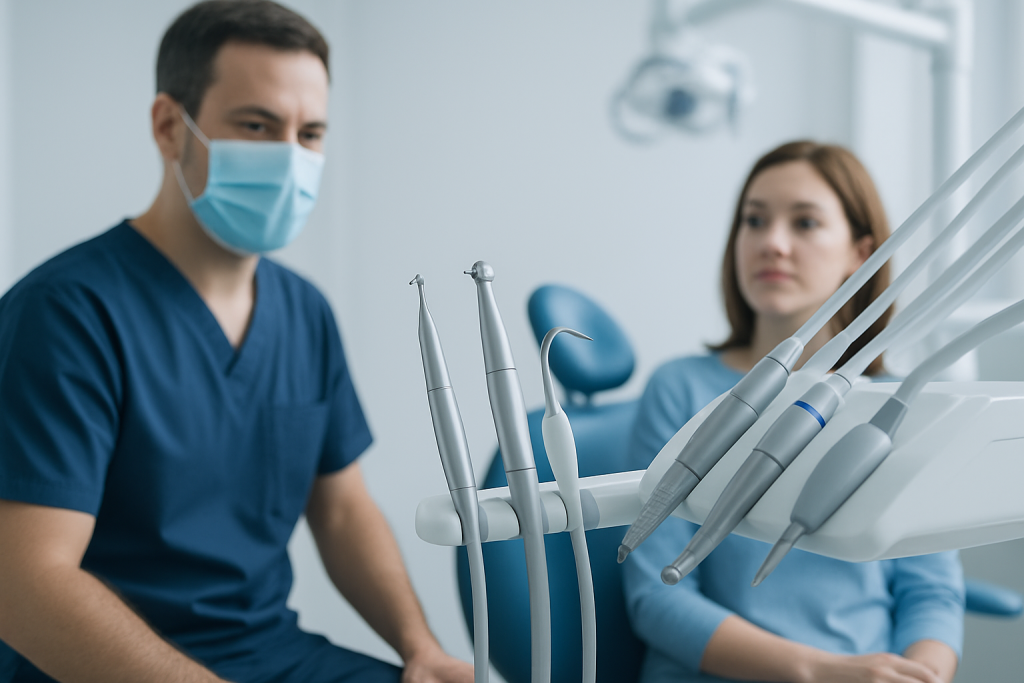
Some people book a dental appointment because something hurts. Others come in because nothing hurts yet, but they want to avoid future problems. Both reasons are valid, and both are common in general dentistry.
Typical concerns include toothache, sensitivity to cold or sweet foods, bleeding gums when brushing, bad breath that does not improve, chipped teeth, worn fillings, or a feeling that the bite has changed. A patient may also notice swelling, looseness, jaw discomfort, or a rough edge on a tooth that catches the tongue.
Even without symptoms, a checkup can be useful when a person has not had professional dental care for a while, has a history of cavities or gum disease, wears braces or dentures, or is planning travel and wants dental work completed in a coordinated way. A dentist can determine whether the issue is minor, whether it needs monitoring, or whether treatment should begin soon.
Causes and Risk Factors
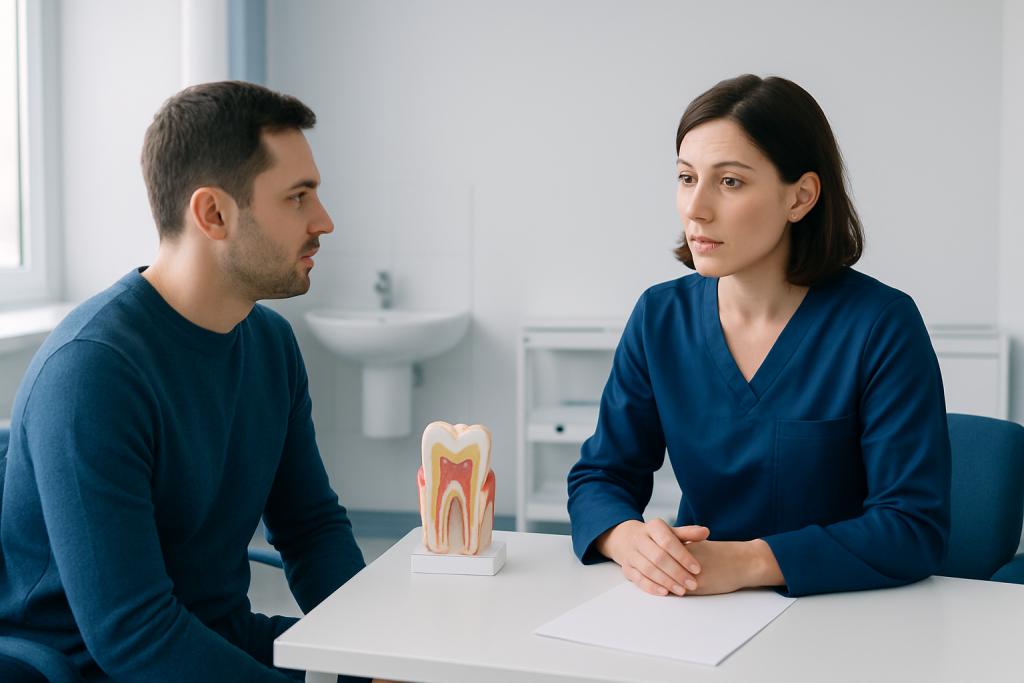
Most problems seen in general dentistry develop gradually. Cavities often begin when plaque bacteria combine with frequent sugar exposure and time, slowly weakening tooth enamel. Gum disease usually starts with inflammation from plaque buildup along the gumline and can progress if it is not cleaned and managed early.
Several everyday factors can increase risk. Inconsistent brushing and flossing, dry mouth, smoking, frequent snacking, acidic drinks, teeth grinding, and skipped dental visits all make it easier for small issues to grow. Medical conditions such as diabetes, certain medications, or reduced hand mobility can also affect oral health and make home care more difficult.
Age does not protect anyone entirely. Children may need guidance on decay prevention and sealing grooves in teeth, while adults may need help maintaining old fillings, crowns, or gum health. Older adults often face challenges related to dry mouth, root exposure, or difficulty cleaning around dental work, so prevention needs to be adapted over time.
How Dentists Diagnose Problems
Diagnosis in general dentistry usually begins with a conversation. The dentist asks about symptoms, medical history, daily habits, medications, and any prior dental treatment. This helps connect what the patient feels with what may be happening in the teeth, gums, jaw, or supporting tissues.
The clinical exam may include a close look at the teeth and gums, bite assessment, checking for signs of infection or wear, and gentle probing of the gum spaces. Dental X-rays are sometimes used to detect decay between teeth, bone changes, hidden infections, or problems below the surface that cannot be seen during the visual exam alone.
For international patients, diagnosis may also include treatment sequencing. A dentist may outline what can be completed before travel ends, what requires monitoring, and what should be continued with a local provider at home. Clear records, images, and written aftercare instructions are especially helpful when care is shared across countries.
Treatment Options
General dentistry treatment depends on the specific problem and how far it has progressed. For many patients, the first step is preventive care such as professional cleaning, polishing, fluoride support when appropriate, and advice on improving daily brushing and flossing technique.
Common treatments include fillings for cavities, treatment for early gum inflammation, replacement or repair of worn restorations, and management of sensitive teeth. If a tooth is cracked, broken, or infected, the dentist may recommend more involved care such as a crown, root canal treatment, or extraction when saving the tooth is no longer the safest option. The choice depends on the tooth’s condition, the patient’s overall health, and the goal of preserving comfortable function whenever possible.
Some patients also receive bite-related care, such as a night guard for grinding or clenching, or advice about arranging later restorative treatment after urgent pain has been controlled. In cross-border dental care, a practical plan is important: the team may prioritize urgent or foundational procedures first, then schedule follow-up steps in a way that fits the patient’s return travel and local continuation of care.
Prevention and Self-care
Good general dentistry is built on habits that are simple but consistent. Brushing twice a day with a fluoride toothpaste, cleaning between the teeth daily, and limiting frequent sugar exposure can make a meaningful difference over time. Regular dental visits help catch small changes before they become painful or expensive to treat.
Helpful self-care also includes drinking water, avoiding tobacco, chewing carefully if teeth are sensitive, and not using teeth to open packages or bite hard objects. People with dry mouth, acid reflux, diabetes, or orthodontic appliances may need extra guidance, because their mouths can be more vulnerable to decay and irritation.
- Brush gently along the gumline, not just the tooth surfaces.
- Use floss, interdental brushes, or another dentist-recommended cleaner daily.
- Replace a toothbrush when the bristles become frayed.
- Schedule routine visits even when the mouth feels fine.
- Follow post-treatment instructions carefully, especially after fillings, extractions, or gum therapy.
Patients who travel for dental care should ask for a written summary of completed treatment, home-care instructions, and any signs that should prompt follow-up. That preparation makes it easier to protect results after returning to another country.
When to See a Doctor
A dentist should be seen promptly if tooth pain is persistent, swelling develops, a tooth is broken, bleeding gums continue despite improved hygiene, or chewing becomes difficult. Sudden facial swelling, fever with dental pain, or trouble opening the mouth may suggest a more urgent problem that should be assessed without delay.
It is also wise to arrange an appointment if a person has not had a dental exam in some time, notices a changing bite, or is concerned about an old filling, crown, bridge, or denture. Small changes are often easier to manage when caught early, and that can prevent larger procedures later.
For patients considering treatment abroad, a careful consultation helps confirm what can be safely done before travel, what needs staged care, and what can be followed up at home. Acibadem Health Point’s multidisciplinary specialists and JCI-accredited hospitals diagnose and treat dental conditions for international patients with a focus on clear planning and coordinated care.
What Patients Can Expect at a Visit
A general dentistry appointment is usually straightforward and centered on comfort. The visit may begin with a review of symptoms and health history, followed by an exam and, when needed, imaging or cleaning. If treatment is required, the dentist should explain the options in clear language, including what is urgent, what can wait, and what the likely next steps are.
Patients are encouraged to ask questions about pain control, healing time, eating after treatment, and how to maintain results once they leave. This is especially important for people fitting care into travel plans, because timing matters when a procedure must heal before the return trip.
Good dental care is not only about fixing a single tooth. It is about helping the patient leave with a realistic plan, a healthier mouth, and enough information to continue care confidently afterward.
Living Well With Ongoing Dental Care
Many people do best when dental care becomes part of ordinary health maintenance rather than an emergency response. That approach can reduce stress, limit unnecessary treatment, and make it easier to keep the mouth functional across different life stages.
Patients with ongoing needs may benefit from a regular recall schedule, especially if they have a history of gum disease, repeated cavities, or heavy wear from grinding. Others may only need periodic checkups, but those visits still matter because the mouth can change even when symptoms are mild or absent.
When general dentistry is organized well, it supports more than teeth. It helps people eat comfortably, speak clearly, and keep small problems from becoming disruptive ones. For many patients, that reliability is what makes it such an important part of overall health care.
Frequently asked questions
How often should a person see a general dentist?
Many patients benefit from a routine checkup and cleaning every six months, but the ideal schedule can vary. People with gum disease, frequent cavities, or other risk factors may need more frequent visits, while some may be advised differently by their dentist.
Is a general dentist the same as a family dentist?
The terms are often used in similar ways, but not always identically. A general dentist provides broad oral health care, while a family dentist typically treats patients of different ages in one practice.
What happens during a first general dentistry visit?
A first visit usually includes a review of medical and dental history, an exam, and sometimes X-rays or a cleaning. The dentist then explains what was found and discusses any recommended treatment or follow-up.
Can general dentistry help with bad breath?
Yes, because persistent bad breath can be related to plaque buildup, gum disease, cavities, dry mouth, or other oral issues. A dentist can help identify the likely cause and suggest appropriate treatment and home care.
Do all cavities need to be treated right away?
Not always, but cavities should not be ignored. A dentist can determine whether a tooth needs immediate treatment or careful monitoring, depending on the size of the decay and whether symptoms are present.
What should a patient do after dental treatment if traveling home soon?
The patient should follow the dentist’s written instructions, including eating advice, hygiene steps, and warning signs to watch for. It is also helpful to confirm what follow-up may be needed locally after returning home.
References
- American Dental Association
- National Institute of Dental and Craniofacial Research
- World Health Organization
- Centers for Disease Control and Prevention
This article is for general information only and is not a substitute for professional medical advice. Please consult a qualified doctor about your individual situation.