Dryness Inside The Mouth

Key Takeaways
- Saliva protects the teeth, supports swallowing and speaking, and helps keep the mouth comfortable.
- Dryness inside the mouth can be linked to medicines, dehydration, mouth breathing, certain medical conditions, or cancer treatments.
- A persistent dry mouth deserves evaluation because it can increase the risk of cavities, gum irritation, and difficulty eating or talking.
- Treatment focuses on identifying the cause, improving hydration, protecting oral health, and sometimes using saliva substitutes or prescription therapy.
- Simple self-care steps can ease symptoms, but ongoing dryness should be discussed with a dentist or doctor.
Dryness inside the mouth, also called dry mouth or xerostomia, happens when the mouth does not make enough saliva or saliva quality changes. It can be temporary or long-lasting, and understanding the cause helps guide the right care.
Overview
Dryness inside the mouth is more than an uncomfortable feeling. Saliva is one of the mouth’s quiet protectors: it helps wash away food particles, supports digestion, makes speech and swallowing smoother, and creates a healthier environment for teeth and gums. When saliva flow drops, even simple activities such as eating crackers, speaking for long periods, or sleeping through the night can feel more difficult.
The condition is often called dry mouth or xerostomia. Some people notice it only occasionally, such as after a long flight, during a fever, or when taking a new medicine. For others, it becomes a daily issue that affects oral health, sleep, and quality of life. Because the causes can range from dehydration to autoimmune disease, understanding the pattern of symptoms is an important part of finding relief.
Dryness inside the mouth is not a diagnosis by itself; it is a sign that something is changing in the body or in the mouth’s normal environment. That is why careful evaluation matters, especially when the dryness lasts for weeks, comes with sores or taste changes, or begins after starting a medication or cancer treatment.
Symptoms
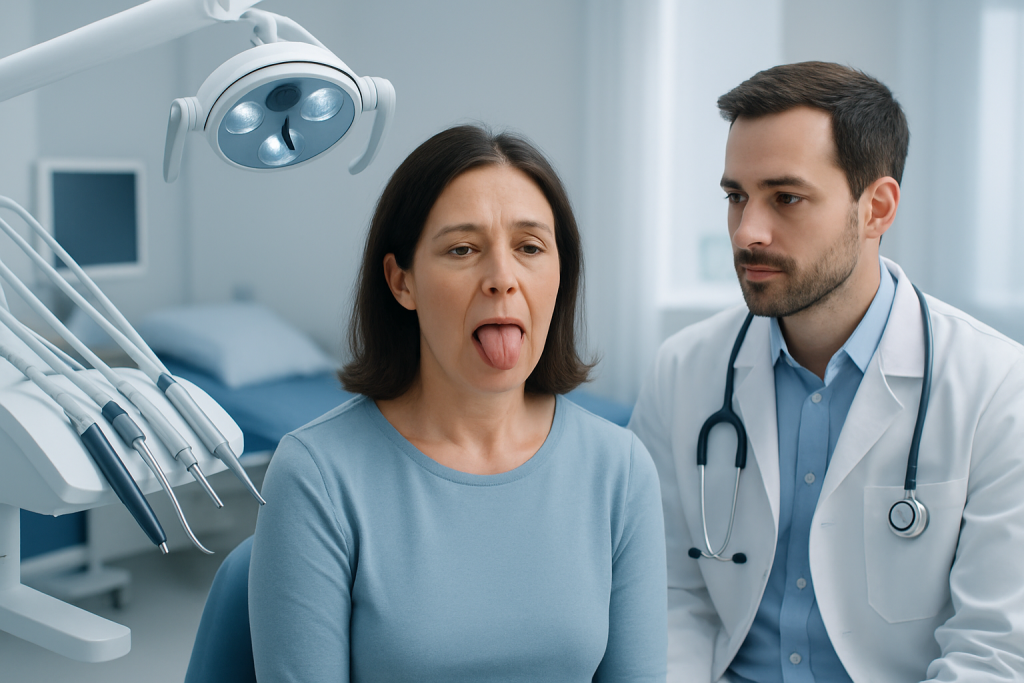
The most common symptom is a sticky, dry, or “cottony” feeling in the mouth. Some people need water frequently to swallow dry foods, while others wake up at night with a parched mouth. The lips may crack, the tongue may feel rough, and saliva may appear thick or stringy instead of thin and watery.
Dry mouth can also show up in less obvious ways. People may notice a burning sensation on the tongue, bad breath that does not improve with brushing, changes in taste, or difficulty wearing dentures comfortably. Speaking for long periods may become tiring because the mouth does not stay lubricated the way it should.
Common signs that dryness is affecting oral health include:
- Increased tooth sensitivity or new cavities
- Gum irritation or soreness
- Difficulty chewing dry or crumbly foods
- Needing water at the bedside during the night
- Frequent throat clearing or a dry throat feeling
Symptoms can be mild at first, then become more noticeable during sleep, exercise, air travel, or periods of stress. Tracking when the dryness is worse can help a clinician identify triggers and choose the most useful treatment approach.
Causes & Risk Factors

Dryness inside the mouth usually develops when the salivary glands are not producing enough saliva, when the saliva becomes thicker, or when breathing patterns dry the mouth out faster than normal. One of the most common causes is medication. Many prescription and over-the-counter medicines can reduce saliva, including some used for allergies, blood pressure, anxiety, depression, pain, and bladder symptoms.
Medical conditions can also play a role. Diabetes, Sjögren’s syndrome, thyroid disorders, autoimmune diseases, Parkinson’s disease, and head or neck nerve problems may all affect saliva production. Cancer treatments, especially radiation to the head and neck and some chemotherapy medicines, can damage salivary glands and lead to persistent dryness. In other cases, the problem may be more situational, such as dehydration, fever, vomiting, diarrhea, smoking, alcohol use, or breathing through the mouth because of nasal congestion or sleep-related breathing issues.
Factors that can increase the likelihood of dry mouth include:
- Older age, partly because medicine use becomes more common
- Taking several medications at once
- Breathing through the mouth during sleep
- Recent illness with fluid loss
- Radiation therapy or certain cancer treatments
For international patients planning care, the full story matters. A recent medication change, travel-related dehydration, time-zone sleep disruption, or ongoing treatment in another country can all be relevant clues. A good evaluation looks at daily habits, medical history, and the timing of symptom onset rather than focusing on one possible cause alone.
Diagnosis
Diagnosis usually begins with a conversation. A clinician will ask when the dryness started, whether it is constant or comes and goes, what medicines are being taken, and whether there are symptoms such as thirst, joint pain, eye dryness, swallowing trouble, or changes in taste. A review of dental health is also important because saliva helps protect teeth from decay.
During the examination, the mouth is checked for dryness, tongue changes, sores, fungal overgrowth, gum disease, and signs of reduced saliva. In some cases, the clinician may assess saliva flow more directly or recommend blood tests to look for conditions such as diabetes, autoimmune disease, or vitamin and hormonal issues. If an underlying gland problem is suspected, imaging or referral to a specialist may be considered.
Diagnosis is often most helpful when it includes both medical and dental perspectives. That is especially true for patients receiving care away from home, because treatment plans may need to account for prior records, current prescriptions, and follow-up access after returning home. Bringing a medication list, treatment summaries, and recent dental information can make the evaluation more efficient and complete.
Treatment Options
Treatment depends on the cause. If a medicine is contributing, a doctor may consider alternatives or adjust the plan when it is safe to do so. If the dryness is related to dehydration, illness, or mouth breathing, addressing the trigger may improve symptoms. When a specific disease is involved, managing that condition is often the key to long-term relief.
For symptom control, clinicians may recommend saliva substitutes, moisturizing gels, or mouth rinses designed for dry mouth. Some people benefit from prescription medicines that stimulate saliva, though these are not appropriate for everyone and should only be used under medical guidance. Dental care is also central, because less saliva means less natural protection against cavities and gum irritation.
Helpful treatment steps may include:
- Using saliva substitutes or oral moisturizers
- Drinking water regularly in small amounts
- Chewing sugar-free gum or lozenges if approved by a clinician
- Managing nasal congestion to reduce mouth breathing
- Seeing a dentist for fluoride advice and cavity prevention
Some patients need a team approach. A dentist may help protect the teeth, while a physician investigates the cause and adjusts medicines or treats an underlying illness. For people traveling for care, this coordinated approach can be particularly valuable because it helps create a plan that continues after the patient returns home.
Prevention & Self-care
Not every case of dry mouth can be prevented, but daily habits can make it less troublesome and reduce complications. Small, consistent steps often help more than occasional large changes. The goal is to keep the mouth comfortable, protect enamel, and avoid irritants that make the tissues even drier.
Simple self-care includes sipping water throughout the day, limiting alcohol-based mouthwash, avoiding tobacco, and choosing softer, moist foods when the mouth feels particularly dry. Sugar-free gum or lozenges can sometimes encourage saliva, and sleeping with a humidifier may help if the dryness is worse overnight. If nasal congestion is causing mouth breathing, treating the congestion may improve comfort.
Oral hygiene deserves extra attention. Brushing gently with fluoride toothpaste, cleaning between the teeth, and seeing a dentist regularly can lower the risk of decay and gum problems. It is also wise to be cautious with very salty, spicy, or acidic foods if they sting a dry mouth. If symptoms started after a new medication, it is worth discussing them with a doctor rather than stopping the medicine on one’s own.
When to See a Doctor
Persistent dryness inside the mouth should be evaluated, especially if it lasts more than a few weeks, keeps returning, or interferes with eating, speaking, or sleeping. A doctor or dentist can help determine whether the problem is medication-related, linked to dehydration, or caused by another condition that needs treatment.
Medical advice is particularly important if dry mouth occurs along with trouble swallowing, unexplained weight loss, frequent cavities, mouth sores, swelling of the salivary glands, eye dryness, joint pain, or a new change in taste. These clues can point to a broader health issue that deserves attention. Sudden severe dryness with confusion, weakness, or signs of significant dehydration should be assessed promptly.
For patients arranging care from abroad, it can be useful to seek a center that can coordinate dental, medical, and follow-up support in one place. At Acibadem Health Point, multidisciplinary specialists and JCI-accredited hospitals diagnose and treat this condition for international patients, with attention to both comfort and continuity of care.
Living Well With Dry Mouth
Living with dry mouth often becomes easier once the cause is identified and a routine is in place. People who understand their triggers tend to manage symptoms better, whether the issue appears during travel, after medication changes, or alongside a long-term medical condition. The key is to treat dry mouth as a manageable health signal rather than a minor nuisance.
Because saliva supports the entire mouth, even mild dryness can influence dental health over time. That is why combining symptom relief with preventive dental care is so important. With the right plan, many people are able to eat more comfortably, speak more easily, and protect their teeth more effectively.
When symptoms are persistent, the best next step is not guessing. A careful check with a qualified dentist or doctor can clarify the cause, identify any related health issues, and shape a practical plan that fits the person’s daily life, including recovery and follow-up after international treatment or travel.
Frequently asked questions
Is dry mouth the same as being thirsty?
Not exactly. Thirst is the body’s signal that it needs fluids, while dry mouth often means the mouth is not making enough saliva or is losing moisture too quickly. A person can feel both at the same time, but persistent dry mouth should not be ignored just because it seems like simple thirst.
Can medicines really cause dryness inside the mouth?
Yes. Many common medicines can reduce saliva production or make the mouth feel dry. If symptoms began after starting a new medicine, a doctor can review whether the medication may be contributing and discuss safe alternatives if needed.
Why does dry mouth matter for dental health?
Saliva helps wash away food, neutralize acids, and protect tooth enamel. When saliva is low, cavities, gum irritation, and fungal infections become more likely. That is why regular dental care is especially important when the mouth stays dry.
What can help at home?
Frequent sips of water, sugar-free gum or lozenges if appropriate, a humidifier at night, and good oral hygiene may ease symptoms. Avoiding tobacco and alcohol-based mouth rinses can also help. If home measures are not enough, professional evaluation is recommended.
Could dry mouth be a sign of another illness?
Sometimes it can. Dry mouth may be linked to diabetes, autoimmune disease, thyroid problems, or salivary gland issues, among others. A clinician can look for the broader cause if the symptom is persistent or comes with other changes.
When should someone seek medical care for dry mouth?
It is wise to seek care if the dryness lasts for weeks, affects eating or speaking, or is paired with mouth sores, frequent cavities, swollen glands, or eye dryness. Prompt assessment is also helpful when dry mouth starts after a new medicine or cancer treatment.
References
- National Institute of Dental and Craniofacial Research
- Mayo Clinic
- American Dental Association
- Cleveland Clinic
- World Health Organization
This article is for general information only and is not a substitute for professional medical advice. Please consult a qualified doctor about your individual situation.