Orthodontics Before Cosmetic Dental Work

Key Takeaways
- Cosmetic dental work may look better and last longer when the bite is stable first.
- Crowding, spacing, protrusion, and bite problems can affect whether orthodontics is recommended.
- A dentist or orthodontist usually checks tooth position, jaw fit, gum health, and the planned cosmetic goal before treatment.
- Aligners or braces may be used before veneers, crowns, bonding, or implants in some cases.
- A second opinion can be helpful when a smile makeover seems to ignore bite alignment.
Medically reviewed by the Acıbadem clinical team — June 13, 2026
A straight-looking smile is not always a well-aligned one, and that difference matters before cosmetic dental treatment begins. This article explains the signs that orthodontics may be needed first, what a dentist evaluates, and how patients can plan safely and confidently.
Overview
Cosmetic dental treatment often starts with a visible goal: brighter teeth, a smoother smile line, or a shape that feels more balanced. But the most useful first question is not always “What will look best?” It is often “Is the bite ready for it?” If teeth are crowded, tilted, spaced too far apart, or meeting unevenly, orthodontic treatment may need to come before veneers, crowns, bonding, or other aesthetic work.
That does not mean every cosmetic plan has to begin with braces or aligners. Some patients only need small changes, while others already have a stable bite and healthy tooth positions. The decision depends on how the teeth fit together, how much enamel can be changed safely, and whether the planned cosmetic work could be made more predictable by moving teeth first.
For people considering treatment abroad, this step is especially important. A good planning visit should clarify whether the cosmetic goal can be reached in one phase or whether the smile needs to be staged over time, with orthodontics first and cosmetic finishing later. That approach can reduce surprises after travel and make follow-up care easier to coordinate once the patient returns home.
Signs Orthodontics May Be Needed First
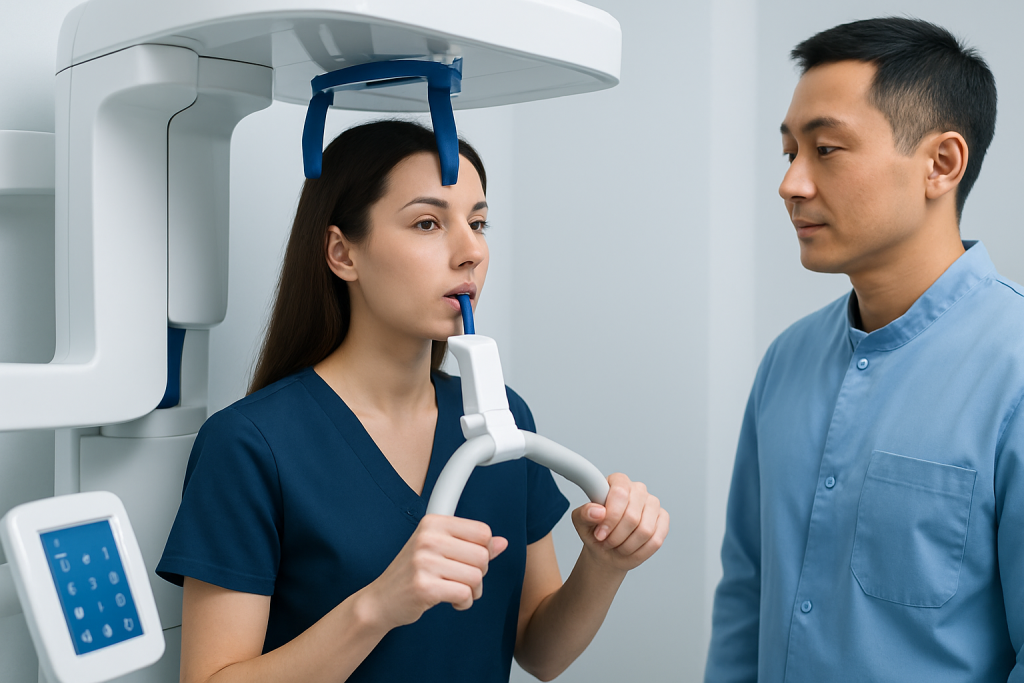
Some smile concerns are mainly about color, contour, or minor surface imperfections. Others are really about tooth position and jaw alignment. When the teeth do not line up well, cosmetic restorations may need to compensate in a way that can look less natural or place extra stress on the teeth.
Common signs that orthodontics may be part of the plan include:
- Visible crowding or overlapping teeth
- Large gaps that make the smile look uneven
- Front teeth that stick out noticeably
- Teeth that tip inward or outward instead of sitting in line
- An overbite, underbite, crossbite, or open bite
- Wear marks, chipping, or jaw discomfort linked to uneven contact
Another clue is practical rather than cosmetic: if a dentist would need to remove a lot of healthy tooth structure to make veneers or crowns fit around a poorly aligned tooth, orthodontics may be the more conservative first step. Straightening teeth can sometimes preserve enamel and create a better base for any later cosmetic work.
Why Bite Alignment Changes the Cosmetic Plan

Cosmetic dentistry is not only about appearance. Every restoration must also survive chewing forces, jaw movement, and daily cleaning. When the bite is uneven, a veneer, crown, or bonded tooth may be exposed to unusual pressure, which can increase the chance of chipping, loosening, or wearing down over time.
Teeth that are moved into a better position often allow the cosmetic result to look more symmetrical with less reshaping. For example, a tooth that seems “too large” may actually be rotated; a gap may be partly caused by neighboring teeth drifting apart; and a short-looking tooth may appear longer after alignment and gum evaluation are completed. Orthodontics can therefore improve both the functional foundation and the final appearance.
There is also a planning benefit. When teeth are aligned first, the dentist can more accurately decide which cosmetic steps are truly necessary. In some cases, the patient may need less restorative work than expected, which keeps the treatment simpler and more natural-looking.
How Dentists and Orthodontists Evaluate the Smile
Before any cosmetic work begins, a careful evaluation usually looks beyond the front teeth. The clinician checks how the upper and lower teeth fit together, whether the midlines are centered, how the gums frame the teeth, and whether the jaw joints or muscles show signs of strain. Photos, scans, bite records, and sometimes X-rays help build that picture.
The dentist may also ask about habits that affect treatment planning, such as teeth grinding, nail biting, mouth breathing, or previous orthodontic treatment. These details matter because cosmetic restorations can fail sooner if the underlying bite forces are not understood.
For international patients, this assessment should be especially clear and documented. When travel is involved, the team may discuss which steps can be completed before departure, which require monitoring over time, and how retainers, temporary restorations, or follow-up reviews will be handled after the patient goes home.
Treatment Options If Orthodontics Comes First
If alignment changes are needed, the options may include clear aligners, braces, or, in selected cases, limited orthodontic movement focused on the teeth that most affect the cosmetic result. The right choice depends on how complex the bite issue is, how much movement is needed, and whether the patient wants a more discreet option for daily life or work.
After alignment, cosmetic treatment may proceed with veneers, crowns, bonding, whitening, or implant-based restoration if a tooth is missing. Sometimes a patient needs only a few aesthetic touch-ups once the teeth are in better position. In other cases, orthodontics reveals that some planned cosmetic work is unnecessary because the improved alignment already creates the desired look.
It is helpful to think of the process as layered rather than delayed. Orthodontics does not cancel cosmetic dentistry; it often makes it safer, more conservative, and more predictable. That sequencing can be especially valuable when a patient is investing time and travel in a complete smile plan.
Prevention & Self-care
Patients considering cosmetic treatment can prepare by keeping the mouth as healthy and stable as possible. Daily brushing with a fluoride toothpaste, cleaning between teeth, and keeping up with routine dental visits all help reduce the risk that gum disease or decay will interrupt the plan.
If orthodontic treatment is recommended first, following instructions carefully matters. Aligners should be worn as directed, braces should be cleaned thoroughly, and follow-up visits should not be skipped. Small delays can affect the final fit of cosmetic restorations later on.
Other helpful habits include avoiding hard or sticky foods if appliances are in place, wearing a night guard if the dentist recommends one for grinding, and reporting any loosened attachments, broken wires, or sore spots promptly. For patients who will travel for care, it is wise to ask in advance what supplies, records, and contact details should be brought to the appointment.
When to See a Doctor
A dental consultation is a good idea if the smile goal involves more than minor color changes and the teeth appear crowded, uneven, or difficult to clean. It is also wise to seek advice before starting veneers or crowns if there is jaw discomfort, frequent chipping, or a history of bite problems.
Patients should not rely on appearance alone. A smile can look acceptable in a mirror while still placing uneven strain on teeth and gums. A dentist or orthodontist can explain whether tooth movement is likely to improve both the function and the final cosmetic result.
Anyone planning treatment from another country should make sure the initial assessment is detailed enough to support safe sequencing and follow-up. Acibadem Health Point works with multidisciplinary specialists and JCI-accredited hospitals to diagnose and treat dental conditions for international patients, including cases where orthodontics needs to come before cosmetic work.
Looking Beyond the First Impression
A polished smile is usually the result of good timing, not just good materials. When orthodontics is considered early, the cosmetic treatment can be designed around a healthier bite instead of trying to compensate for one. That often leads to a more stable and natural result.
For many patients, the key is not choosing between orthodontics and cosmetic dentistry, but understanding how the two work together. A thoughtful team can explain what needs to happen first, what can wait, and which parts of the plan will matter most over the long term.
That kind of planning is especially reassuring when care is being organized across borders. Clear records, staged treatment, and realistic expectations help the patient move forward with confidence rather than guesswork.
Frequently asked questions
Do all cosmetic dental treatments require orthodontics first?
No. Some patients have healthy tooth positions and only need whitening, minor bonding, or small cosmetic adjustments. Orthodontics is more likely to be recommended when tooth alignment or the bite would affect the result or the long-term durability of the treatment.
Can veneers fix crooked teeth instead of braces or aligners?
Veneers can improve the appearance of mildly uneven teeth, but they do not move the teeth or correct the bite. If the teeth are significantly crowded or protruding, using veneers alone may require more tooth reduction and may not be the most conservative choice.
How do I know if my bite is the real issue?
Clues can include uneven wear, jaw soreness, frequent chipping, or teeth that do not meet evenly when biting down. A dentist or orthodontist can confirm this with an exam, photos, scans, and bite analysis.
Is orthodontic treatment always long before cosmetic work can start?
Not always. Some patients need only limited movement, while others need a more complete orthodontic phase. The timeline depends on the complexity of the alignment problem and the cosmetic goal being planned.
What if I am traveling for dental treatment?
It helps to ask for a treatment sequence before you travel, including whether orthodontics must be completed first. Clear records, a documented plan, and follow-up instructions make it easier to continue care safely after returning home.
Can cosmetic dental work be redone later if orthodontics is needed afterward?
Sometimes it can be adjusted, but not always without extra cost or additional tooth preparation. That is why it is usually better to confirm alignment needs before irreversible cosmetic treatment begins.
References
- American Association of Orthodontists
- American Dental Association
- British Orthodontic Society
- Mayo Clinic
This article is for general information only and is not a substitute for professional medical advice. Please consult a qualified doctor about your individual situation.