

Foot Cramps

Key Takeaways
- Foot cramps are usually caused by a temporary muscle spasm, but repeated episodes may signal an underlying issue.
- Common triggers include overuse, dehydration, tight shoes, nerve irritation, and certain medicines or health conditions.
- Gentle stretching, hydration, and supportive footwear can help reduce day-to-day cramping.
- A doctor should evaluate cramps that are frequent, severe, one-sided, or linked to swelling, weakness, or numbness.
- Treatment focuses on the cause, which may include physical therapy, medication review, or managing circulation, nerve, or metabolic conditions.
Foot cramps are sudden, involuntary muscle contractions in the foot that can be brief, painful, and disruptive to walking, sleep, or daily activities. They are often manageable, but recurring cramps can sometimes point to dehydration, footwear issues, nerve irritation, or other medical conditions that deserve attention.
Overview
Foot cramps are sudden, involuntary tightenings of the muscles in the foot. They may last only a few seconds, but the pain can be sharp enough to stop someone in their tracks, wake them from sleep, or make the first steps after rest feel awkward and stiff.
For many people, the experience is isolated and harmless. In other cases, foot cramps become a recurring pattern that points to a practical issue such as muscle fatigue, dehydration, or footwear that does not support the foot well. Less commonly, they can be related to a nerve, circulation, or metabolic problem that needs medical review.
Because the causes vary widely, the most useful approach is not simply to “push through” the pain, but to look at the pattern: when the cramps happen, which foot is affected, what activities came before them, and whether other symptoms are present. That context helps a clinician decide whether simple self-care is enough or whether further evaluation is warranted.
Symptoms
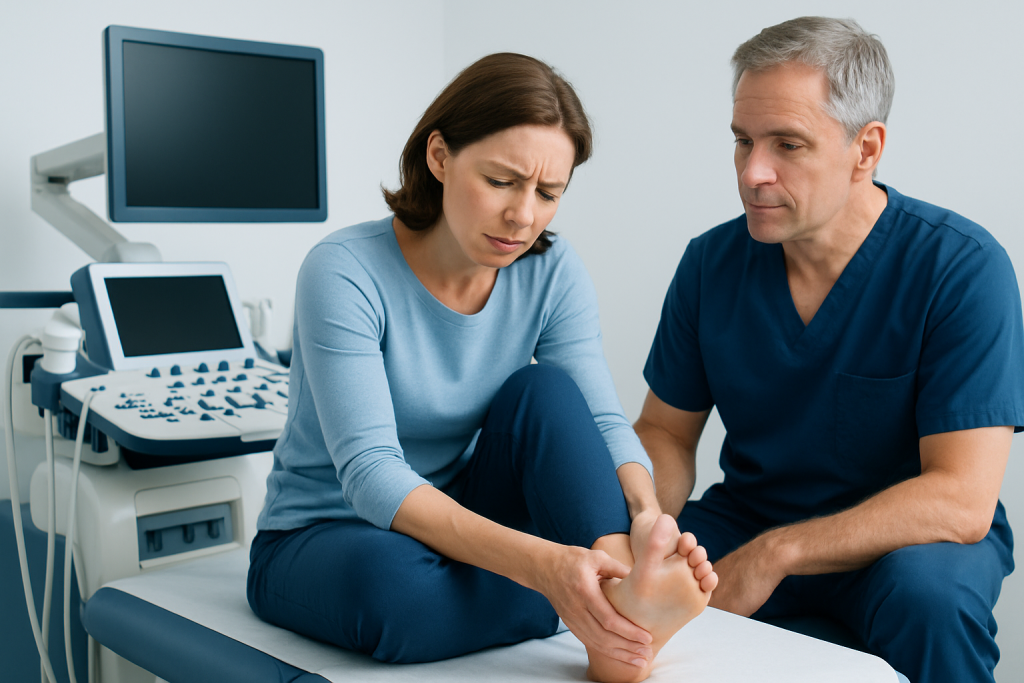
Foot cramps usually feel like a sudden knotting or tightening in the arch, toes, or the top or bottom of the foot. The muscle may feel hard to the touch, and the foot may curl, twist, or hold an unusual position until the spasm eases.
Some people notice the cramps mainly at night, while others experience them during exercise, long walks, standing for extended periods, or after periods of inactivity. The pain can be brief and intense, followed by soreness or tenderness in the area for a short time afterward.
- Sudden pain in the foot or toes
- A visible or palpable muscle tightness
- Toe curling or foot drawing inward
- Residual soreness after the cramp passes
- Difficulty putting weight on the foot during the episode
If cramps come with numbness, swelling, redness, weakness, or color change in the foot, those features suggest something beyond a simple muscle spasm and should be assessed by a medical professional.
Causes & Risk Factors

Foot cramps often begin with ordinary strain. Overworked muscles can become irritable after long periods of walking, running, dancing, standing on hard surfaces, or wearing shoes that crowd the toes or compress the arch. Even small changes in activity, such as a new workout or a long day of travel, can make the muscles more prone to spasm.
Hydration and mineral balance also matter. Dehydration, heavy sweating, and poor intake of certain nutrients can affect how muscles contract and relax. That said, cramps are not always caused by a simple electrolyte issue, so it is best not to assume that one supplement will solve the problem without a proper assessment.
Other contributors may include nerve irritation, flattened arches, pregnancy, diabetes, thyroid disorders, kidney disease, poor circulation, or medications that can influence muscle function or fluid balance. Age can also play a role, as muscle elasticity and recovery tend to change over time.
- Muscle overuse or fatigue
- Poorly fitting or unsupportive footwear
- Dehydration or excessive sweating
- Nerve compression or irritation
- Medical conditions affecting circulation or metabolism
- Certain medicines, depending on the individual’s health profile
For international patients planning care abroad, it is helpful to bring a medication list, recent test results, and a short timeline of symptoms. This gives the treating team a clearer picture, especially when cramps have been ongoing for weeks or months and the person has already tried basic measures without relief.
Diagnosis
Diagnosis begins with a careful history and physical examination. A clinician will usually ask where the cramps occur, how long they last, whether they are linked to exercise or sleep, and whether there are other symptoms such as tingling, swelling, weakness, or back pain.
In many cases, no complicated testing is needed if the pattern fits a common muscle cramp and the rest of the examination is reassuring. When cramps are frequent, severe, or associated with other concerns, the clinician may recommend blood tests to look at hydration status, mineral balance, kidney function, thyroid function, blood sugar, or other possible contributors.
Sometimes the evaluation includes checking footwear, walking pattern, foot structure, or signs of nerve or circulation problems. If symptoms suggest a deeper issue, imaging or nerve testing may be considered, but this depends on the person’s overall picture rather than the cramps alone.
Treatment Options
Treatment is guided by the cause. When cramps are related to overuse or posture, relief often starts with reducing strain, improving stretching habits, and supporting the foot more effectively during daily activities. If dehydration or a medication side effect is suspected, the doctor may advise adjustments that fit the person’s broader medical situation.
Simple measures are often the first line of care. Gentle stretching of the foot and calf during a cramp can help the muscle relax. Warmth may ease lingering tightness afterward, while regular movement and appropriate rest can reduce recurrence in active individuals. Supportive shoes, custom or over-the-counter orthotics, and physical therapy may help when foot mechanics are part of the problem.
If an underlying condition is involved, treatment should focus on that condition rather than the cramp itself. For example, better control of diabetes, management of nerve irritation, or treatment of circulation problems may improve symptoms over time. A clinician may also review current medicines to see whether a safer alternative is appropriate.
- Stretching and gentle massage during an episode
- Hydration and attention to overall fluid intake
- Supportive footwear and arch support
- Physical therapy or exercise modification
- Review of medicines and underlying health conditions
For patients who travel for treatment, this is where coordinated care matters: a clear diagnosis, a practical home plan, and a follow-up strategy that can be continued once they return to their own country. Acibadem Health Point’s multidisciplinary specialists and JCI-accredited hospitals provide diagnosis and treatment for international patients with conditions like foot cramps in a structured, patient-centered setting.
Prevention & Self-care
Preventing foot cramps often comes down to reducing the everyday factors that overload the muscles. A regular routine of foot and calf stretching can be especially helpful for people who stand for long hours, walk frequently, or exercise intensely. Stretching works best when it becomes part of daily habits rather than an occasional response after pain appears.
Footwear deserves careful attention. Shoes should leave enough room in the toe box, hold the heel securely, and provide suitable arch support for the person’s foot shape and activity level. If shoes are worn down, too flat, or too tight, even mild strain can build into repeated cramping.
Other helpful habits include staying hydrated, pacing activity increases, warming up before exercise, and avoiding long periods of standing without breaks. If cramps occur at night, gentle stretching before bed and keeping the feet in a neutral position may help some people, though a clinician should still review frequent nighttime cramps.
- Stretch calves and feet regularly
- Drink fluids throughout the day
- Choose supportive, well-fitting shoes
- Increase activity gradually
- Take standing breaks when possible
- Keep track of triggers and symptom timing
Self-care is most effective when it is tailored to the person’s routine. A traveler managing long flights, for example, may need different strategies than someone who spends most of the day on their feet at work. The best plan is practical enough to continue at home, not just during a clinic visit.
When to See a Doctor
Medical evaluation is a good idea when foot cramps happen often, become more painful, or start interfering with walking, sleep, exercise, or work. It is also wise to seek care if the cramps began after a new medicine, an injury, or a major change in health.
A doctor should check the feet and legs if cramps are accompanied by swelling, weakness, numbness, tingling, redness, warmth, skin color changes, or pain that does not behave like a typical cramp. These features may suggest a nerve, circulation, joint, or inflammatory issue that needs targeted treatment.
Anyone with diabetes, thyroid disease, kidney disease, known circulation problems, or persistent back or nerve symptoms should mention foot cramps during routine follow-up. In many cases, a thorough exam and a few focused tests are enough to clarify what is happening and guide the next steps.
People seeking care across borders may find it helpful to organize their records before traveling, including medicines, past diagnoses, imaging, and a brief symptom diary. That preparation makes the consultation more efficient and helps the care team build a plan that is realistic after the patient returns home.
Frequently asked questions
Are foot cramps usually serious?
Most foot cramps are temporary and related to muscle fatigue, dehydration, footwear, or posture. However, repeated or severe cramps can sometimes point to an underlying medical issue, so pattern and associated symptoms matter.
Why do foot cramps happen at night?
Nighttime cramps can occur when muscles tighten after a day of activity or when the foot stays in one position for too long. They are also more common in some people with dehydration, nerve irritation, or circulation concerns.
What should someone do during a foot cramp?
Gentle stretching of the foot and calf can help the muscle relax. Slow massage and a short walk may also ease the spasm once the pain begins to settle.
Can shoes really cause foot cramps?
Yes, shoes that are too tight, too flat, or lacking support can place extra strain on the muscles and tendons of the foot. Better-fitting footwear is often an important part of prevention.
Do foot cramps always mean a mineral deficiency?
No, mineral imbalance is only one possible factor. Cramps can also be related to overuse, nerve issues, medications, or other health conditions.
When should someone get checked for recurring foot cramps?
A medical review is sensible when cramps happen frequently, last a long time, or come with numbness, swelling, weakness, or color change. A doctor can look for treatable causes and suggest the most appropriate next steps.
References
- Mayo Clinic
- National Institute of Neurological Disorders and Stroke
- American Academy of Orthopaedic Surgeons
- NHS
- Cleveland Clinic
This article is for general information only and is not a substitute for professional medical advice. Please consult a qualified doctor about your individual situation.
More from the Health Library



Related Specialists

Prof. Dr. Ahmet Alanay
Orthopedic Surgery & Traumatology
Dr. Sinan Aksu
Orthopedic Surgery & Traumatology
Dr. Sirri Baştürk
Orthopedic Surgery & Traumatology
Prof. Dr. Korhan Özkan
Orthopedic Surgery & Traumatology