Osteomyelitis Right Foot Icd 10

Key Takeaways
- Osteomyelitis is an infection in the bone and may affect the right foot after an injury, ulcer, surgery, or spread from nearby tissue.
- ICD-10 coding helps clinicians document the location and cause of the infection, which supports accurate treatment planning and follow-up.
- Symptoms can include pain, swelling, warmth, drainage, fever, or a wound that does not heal as expected.
- Diagnosis often combines physical examination, blood tests, imaging, and sometimes a bone or tissue sample.
- Treatment may include antibiotics, wound care, rest, and in some cases surgery to remove infected tissue.
- People with diabetes, poor circulation, or foot ulcers should seek medical advice early if symptoms appear.
Medically reviewed by the Acıbadem clinical team — July 13, 2026
Osteomyelitis of the right foot is a bone infection that needs timely diagnosis and coordinated treatment. This article explains what the ICD-10 term means, common symptoms, how doctors confirm the diagnosis, and what recovery may involve.
Overview
Osteomyelitis in the right foot means that bone tissue in that foot has become infected. The infection may begin after a puncture wound, open sore, surgery, or a nearby skin infection, and it can also develop when bacteria travel through the bloodstream and settle in bone.
When clinicians write “osteomyelitis right foot ICD-10,” they are usually referring to the diagnostic code used to record the condition in medical systems. ICD-10 coding helps health teams describe the exact site of infection, support billing and records, and communicate clearly across hospitals, clinics, and insurers.
For patients, the code itself is less important than the diagnosis behind it. The key issue is that bone infections can be stubborn and may need more than a simple course of oral medicine. Prompt evaluation is especially important when the infection involves the foot, where pressure, walking, and circulation issues can slow healing.
Symptoms
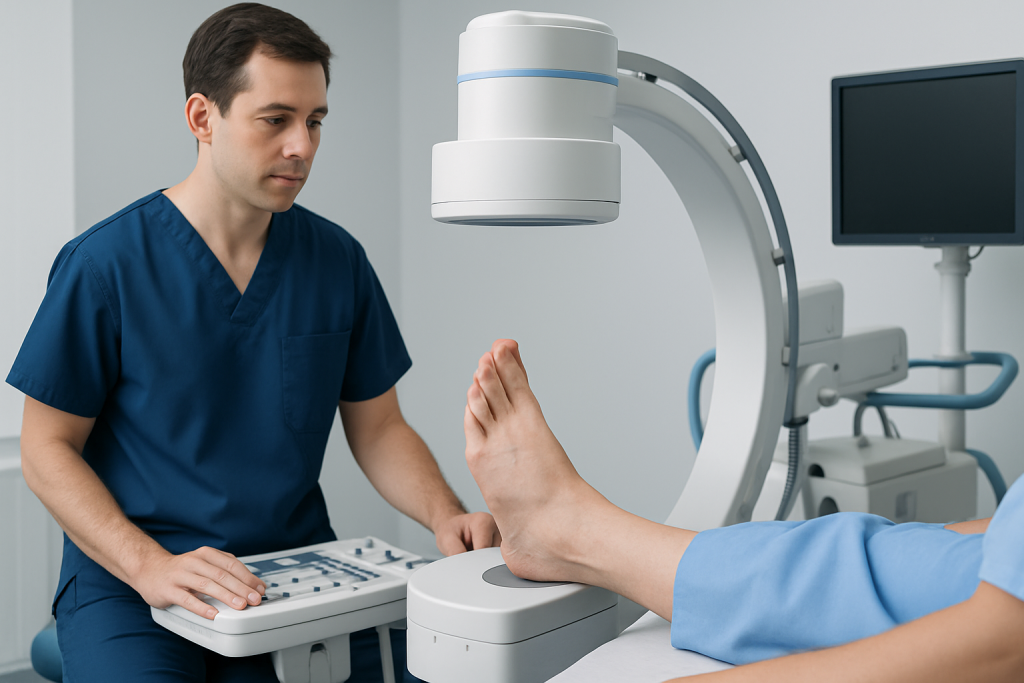
Symptoms can develop gradually or appear more suddenly, depending on how the infection started. Many people notice persistent pain in one area of the right foot, along with swelling, redness, warmth, or tenderness when the area is touched or walked on.
Some cases involve a wound that keeps draining, a sore that does not close, or skin that looks irritated around the affected toe, heel, or midfoot. Fever, chills, fatigue, or a general sense of being unwell may appear, but they are not always present. In chronic cases, the symptoms may be quieter, which can make the condition harder to recognize.
Possible signs include:
- Deep foot pain that does not settle with rest
- Swelling or warmth over a specific bone
- Redness or skin color changes
- Drainage from a wound or ulcer
- Difficulty bearing weight
- Slow-healing or recurring sores
In people with diabetes or nerve damage, pain may be less noticeable than the infection itself. For that reason, even a small wound on the right foot deserves attention if it is not improving as expected.
Causes & Risk Factors

Bone infection usually starts when germs enter the body and reach the bone through broken skin, an ulcer, surgery, or an injury that exposes deeper tissue. In the foot, this can happen after a thorn puncture, an infected blister, a diabetic foot ulcer, or a wound that was slow to heal.
Several factors can make osteomyelitis more likely. Poor circulation can reduce the body’s ability to fight infection and deliver healing nutrients. Diabetes can increase the risk of foot wounds, nerve-related injury, and hidden infection. A weakened immune system, smoking, previous foot surgery, or a history of bone infection can also raise the chance of developing the condition.
Traveling for care may be part of the story for international patients, especially when a wound has not responded to local treatment. In that situation, it is helpful to bring prior imaging, medication lists, and any wound-care records so the treating team can understand how the infection developed and what has already been tried.
Diagnosis
Doctors usually begin with a detailed history and physical examination. They will ask how the symptoms started, whether there was a wound or surgery, and whether the person has conditions such as diabetes, vascular disease, or immune suppression. Examining the skin, pulses, and wound depth helps them judge how likely bone involvement may be.
Blood tests may be used to look for inflammation and infection, but normal results do not always rule out osteomyelitis. Imaging is often needed, and an X-ray may be the first step. Depending on the situation, doctors may order MRI, CT, or another scan to look more closely at bone and surrounding soft tissue.
In some cases, the most useful test is a sample from the bone or deep tissue. This can identify the germ responsible and guide antibiotic choice. When clinicians use ICD-10 codes, they document the location, laterality, and any linked conditions so the medical record reflects the full picture of the right foot infection.
Treatment Options
Treatment is tailored to the cause, the depth of infection, and the patient’s overall health. Antibiotics are commonly used, and the exact medicine is chosen based on the suspected or confirmed organism, prior treatments, and any allergies. If the infection is advanced, treatment often needs to continue for a longer period and may begin with intravenous medicine.
Some patients also need wound care, offloading of the foot, and help controlling underlying conditions such as diabetes. Reducing pressure on the affected area gives tissues a better chance to heal. If there is dead tissue, an abscess, or infected bone that cannot recover on its own, surgery may be recommended to clean the area and remove damaged tissue.
Because foot infections can recur if the underlying problem remains, follow-up matters. Doctors may repeat examinations, blood tests, or imaging to make sure the infection is responding. For international patients, this often means planning care in stages: initial treatment, a clear discharge plan, and coordination with a local clinician back home for ongoing monitoring.
Prevention & Self-care
Not every case can be prevented, but careful foot care lowers the risk. People with diabetes, poor circulation, or reduced sensation in the feet should inspect both feet daily for cuts, blisters, redness, swelling, or drainage. Shoes should fit well and protect the foot from pressure and injury.
Any wound should be cleaned and monitored, and a sore that is not improving should be assessed early. Keeping blood sugar in target range, avoiding smoking, and following instructions after surgery or injury can also support healing. If a clinician recommends keeping weight off the foot, that advice should be taken seriously, since pressure can slow recovery.
Useful self-care habits include:
- Checking the right foot daily if there is a history of ulcers or diabetes
- Wearing protective, comfortable footwear
- Not ignoring new drainage, odor, or swelling
- Taking prescribed antibiotics exactly as directed
- Keeping follow-up visits, even if symptoms improve
Patients who are traveling for treatment should ask for a written care plan before departure, including wound-care steps, medication instructions, and warning signs that should prompt re-evaluation.
When to See a Doctor
A medical evaluation is important if foot pain is persistent, a wound is not healing, or swelling and redness are getting worse. A fever, draining wound, foul odor, or increasing difficulty walking are all reasons to seek care promptly.
Anyone with diabetes, neuropathy, or circulation problems should be especially cautious, since bone infection can progress without dramatic symptoms. It is better to have a suspicious wound examined early than to wait for it to become harder to treat.
If a person is already receiving treatment and new symptoms appear, or if antibiotics are not bringing improvement, the care team should be updated. In complex cases, multidisciplinary specialists and JCI-accredited hospitals such as Acibadem Health Point can help diagnose and treat osteomyelitis for international patients with coordinated follow-up.
Living With Recovery and Follow-up
Recovery from osteomyelitis can take time, and progress is often measured in small, steady steps rather than dramatic changes. Pain may lessen before the bone has fully healed, so follow-up visits remain important even when the foot looks better.
Patients may need repeat imaging, wound checks, and medication review to confirm that the infection is under control. If surgery was performed, rehabilitation may be needed to protect mobility and help the person return to daily activities safely. Clear communication with the treating team is especially helpful when care continues across borders or between countries.
The best outcomes usually come from combining medical treatment with practical foot care and close monitoring. With timely diagnosis and the right plan, many people are able to recover and reduce the risk of future infection.
Frequently asked questions
What does osteomyelitis right foot ICD-10 mean?
It refers to the medical coding used to document an infection in the bone of the right foot. The code helps clinicians keep records accurate and communicate the diagnosis clearly, but the treatment plan is based on the patient’s condition, not the code alone.
Is osteomyelitis in the foot serious?
Yes, it can be serious because bone infections may persist or spread if not treated properly. The good news is that early diagnosis and appropriate treatment can improve the outlook significantly.
Can osteomyelitis be treated without surgery?
Sometimes it can, especially when the infection is caught early and there is no dead bone or abscess. Other cases need surgery to remove infected tissue and give antibiotics a better chance to work.
How do doctors confirm osteomyelitis?
They usually combine symptoms, physical examination, blood tests, and imaging such as X-ray or MRI. In some cases, a bone or deep tissue sample is needed to identify the germ causing the infection.
Why is diabetes linked to foot osteomyelitis?
Diabetes can contribute to nerve damage, poor circulation, and foot ulcers, all of which can make infection more likely. A small wound may become deeper before it is noticed, so regular foot checks are important.
What should a patient do after finishing treatment?
They should attend follow-up appointments, protect the foot from new injury, and watch for any return of pain, swelling, or drainage. If symptoms come back, the doctor should be contacted promptly.
References
- World Health Organization
- Centers for Disease Control and Prevention
- American Academy of Orthopaedic Surgeons
- Infectious Diseases Society of America
- National Institute of Diabetes and Digestive and Kidney Diseases
This article is for general information only and is not a substitute for professional medical advice. Please consult a qualified doctor about your individual situation.