Follicular Lymphoma

Key Takeaways
- Follicular lymphoma usually develops slowly and may not cause symptoms at first.
- Painless swollen lymph nodes are a common early sign, but other conditions can also cause them.
- Diagnosis often includes imaging, blood tests, and a lymph node biopsy.
- Some people are monitored without immediate treatment, while others need targeted therapy, immunotherapy, chemotherapy, or radiation.
- Follow-up matters because the condition can change over time and may need treatment adjustments.
Follicular lymphoma is a slow-growing type of non-Hodgkin lymphoma that begins in lymphocytes, a kind of white blood cell. Many people first notice enlarged lymph nodes or no symptoms at all, and care is often planned around how active the disease is and how it affects daily life.
Overview
Follicular lymphoma is one of the more common types of non-Hodgkin lymphoma. It starts in B lymphocytes, which are immune cells that help the body fight infection. The term “follicular” refers to the pattern the cells may form under the microscope when a biopsy is examined.
For many people, the diagnosis comes as a surprise during a routine check, a scan for another reason, or an evaluation of a painless lump in the neck, armpit, or groin. Because the disease often grows slowly, treatment is not always started right away. In some cases, doctors recommend active monitoring first, especially when the lymphoma is not causing problems.
Follicular lymphoma is usually considered a long-term condition that requires careful follow-up rather than a one-time treatment decision. The aim is to choose care that fits the disease’s pace, the person’s overall health, and practical needs such as work, family responsibilities, and, for international patients, travel planning and return-home follow-up.
Symptoms
Symptoms can be subtle at the beginning. Many people feel well and have no obvious complaints, which is one reason follicular lymphoma may be found incidentally. When symptoms do appear, they often develop gradually rather than suddenly.
The most common sign is one or more enlarged lymph nodes that are usually painless. These can feel like firm lumps under the skin and may appear in the neck, collarbone area, armpit, abdomen, or groin. Some people also notice a sense of fullness or pressure if enlarged nodes are pressing on nearby structures.
Other possible symptoms may include:
- Persistent fatigue
- Fever without a clear cause
- Night sweats
- Unexplained weight loss
- Itching in some cases
- Abdominal discomfort or bloating if lymph nodes are enlarged inside the body
These symptoms are not specific to lymphoma and can occur with infections and many other conditions. What matters is persistence, change over time, and whether several symptoms appear together.
Causes & Risk Factors

Doctors do not usually identify a single clear cause of follicular lymphoma. It begins when certain lymphocytes develop genetic changes that allow them to grow and survive longer than they should. Over time, these cells can accumulate in lymph nodes and other parts of the lymphatic system.
Some factors are associated with a higher likelihood of developing lymphoma, although having one or more of them does not mean a person will develop the disease. Risk may be influenced by age, sex, immune system status, and some inherited or environmental factors. Follicular lymphoma is more often diagnosed in adults, particularly later in life.
Possible risk factors may include:
- Older age
- Being male, although women also develop follicular lymphoma
- A history of certain immune system disorders
- Previous exposure to some chemicals, depending on individual circumstances
- Family history of lymphoma or related blood cancers in some cases
Because the exact cause is often unclear, prevention is not straightforward. That is why awareness of early changes and prompt medical assessment are so important.
Diagnosis
Diagnosis usually starts with a medical history and physical examination. A doctor will ask about swollen nodes, energy levels, weight changes, fevers, night sweats, infections, and any other health conditions. The pattern and location of lymph node enlargement help guide the next steps.
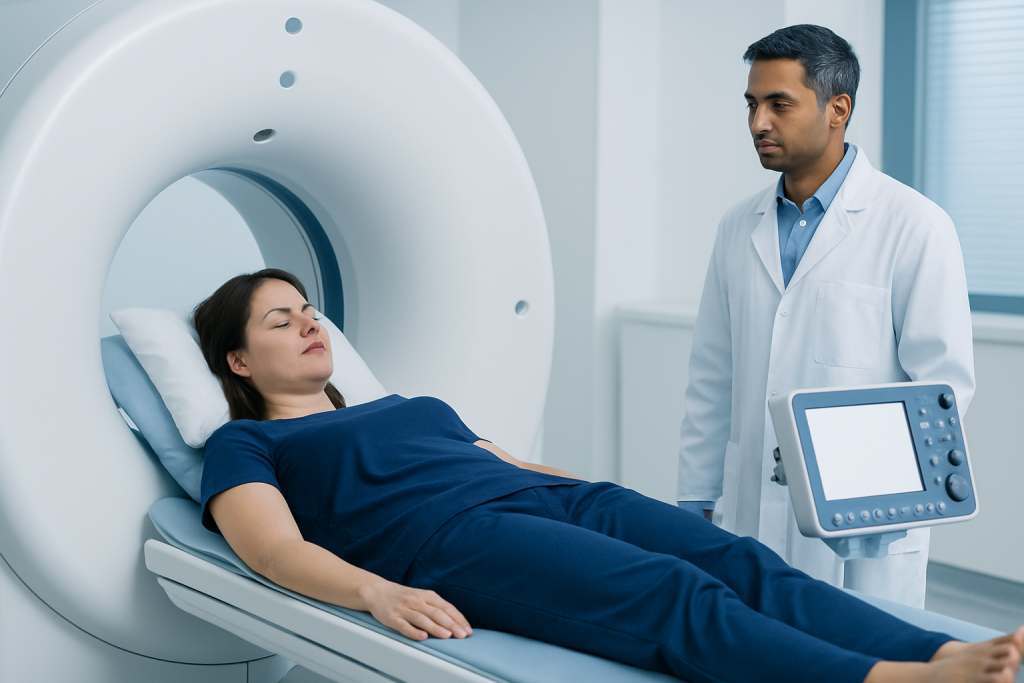
Blood tests may be ordered to look at blood counts, organ function, and markers that help build a broader picture of health. Imaging studies such as CT, PET, or sometimes MRI may be used to see where lymphoma may be present in the body and to help plan treatment if needed.
The most important test is often a Node Biopsy" class="ahp-ilk">lymph node biopsy. In many cases, doctors need a tissue sample to confirm follicular lymphoma and to determine its grade and features. Additional tests may be done on the tissue to look for specific markers that help guide treatment choices.
For some international patients, diagnosis can be completed efficiently at a center that coordinates imaging, pathology review, and specialist consultation in one pathway. This can reduce repeated appointments and help create a clear plan before returning home.
Treatment Options
Treatment depends on how much disease is present, whether symptoms are affecting daily life, how quickly the lymphoma is behaving, and the person’s overall health. Follicular lymphoma does not always need immediate treatment. When the disease is low-burden and not causing symptoms, doctors may recommend watchful waiting, also called active surveillance.
When treatment is needed, options may include immunotherapy, targeted therapy, chemotherapy, radiation therapy, or a combination of approaches. In some situations, a monoclonal antibody treatment is used to help the immune system recognize and attack lymphoma cells. Other medicines may be added depending on the stage and activity of the disease.
Radiation can be useful when the lymphoma is limited to a small number of areas. If the disease is more widespread, systemic treatment that reaches the whole body is more common. Doctors may also consider maintenance strategies or further monitoring after the first phase of treatment, depending on the response.
Because follicular lymphoma can behave differently from one person to another, the treatment plan is often individualized. A patient may want to ask how the recommended approach affects travel, infusion visits, infection precautions, fertility concerns, return-to-work timing, and follow-up schedules in another country.
Prevention & Self-care
There is no known way to fully prevent follicular lymphoma. However, general health habits can support recovery, treatment tolerance, and overall wellbeing. Practical self-care becomes especially useful when the care journey includes appointments abroad or treatment that continues after returning home.
Helpful steps may include staying on schedule with follow-up visits, keeping a written record of symptoms, and reporting new lumps, fevers, or night sweats promptly. Good nutrition, regular sleep, gentle physical activity when approved by the care team, and infection-awareness are also valuable during treatment or observation.
People receiving therapy may also benefit from planning ahead for logistics such as medication lists, copies of pathology reports, and contact information for the treating team. For those traveling internationally, it helps to understand which symptoms require urgent attention, how to access care locally, and how follow-up scans or blood tests will be coordinated after the trip.
Emotional support matters as well. Follicular lymphoma can involve long periods of observation, which may feel unsettling. Speaking with a doctor, nurse, counselor, or support group can make the process easier to manage.
When to See a Doctor
A medical evaluation is appropriate whenever lymph nodes remain enlarged for more than a short period, continue to grow, or appear in several areas of the body without a clear explanation. Persistent fatigue, night sweats, fever, unexplained weight loss, or abdominal fullness should also be discussed with a doctor.
It is particularly important to seek care if symptoms interfere with daily life, if new symptoms develop during watchful waiting, or if there are signs of infection or rapid change. A prompt review can help distinguish follicular lymphoma from other causes and can guide the timing of tests and treatment.
After diagnosis, patients should ask their oncology team what changes should trigger a call between scheduled visits. For those managing care from abroad, a clear follow-up plan is essential so that scan dates, pathology review, and local doctor communication remain coordinated.
Acibadem Health Point’s multidisciplinary specialists and JCI-accredited hospitals diagnose and treat follicular lymphoma for international patients with coordinated, patient-centered care.
Frequently asked questions
Is follicular lymphoma always treated right away?
No. Some people are monitored closely at first if the lymphoma is slow-growing and not causing symptoms. This approach is called active surveillance, and it allows treatment to begin when there is a clear reason to do so.
What is the main symptom people notice first?
A painless swollen lymph node is one of the most common early signs. It may be found in the neck, armpit, groin, or deeper in the abdomen during a scan or examination.
Can follicular lymphoma be cured?
Treatment can control the disease for long periods, and some people respond very well. However, care is usually focused on long-term management and monitoring because the lymphoma may return or change over time.
Why is a biopsy needed if scans already show enlarged lymph nodes?
Imaging can suggest that lymphoma may be present, but a biopsy is needed to confirm the diagnosis and determine the exact type. The tissue sample also helps doctors choose the most suitable treatment.
What should a patient bring to an international consultation?
It helps to bring pathology reports, scan images or CDs, blood test results, medication lists, and a summary of past treatments. These records can make specialist review faster and support a smoother plan for follow-up at home.
Does follicular lymphoma spread quickly?
It often grows slowly, but behavior can vary from person to person. Regular follow-up is important because doctors watch for any change in pace or symptoms over time.
References
- National Cancer Institute
- American Cancer Society
- Leukemia & Lymphoma Society
- World Health Organization
- Mayo Clinic
This article is for general information only and is not a substitute for professional medical advice. Please consult a qualified doctor about your individual situation.