Chemotherapy Before or After Surgery: Why Sequence Matters in Cancer Care

Key Takeaways
- Chemotherapy may be given before surgery to shrink a tumor or after surgery to lower the chance of cancer returning.
- The right sequence depends on cancer type, stage, tumor location, and the patient’s general condition.
- A multidisciplinary team usually decides the treatment order after reviewing scans, pathology, and laboratory results.
- Side effects, healing time, and the need for follow-up care all influence when treatment starts or resumes.
- Patients should ask why a specific sequence is recommended and what it means for recovery, travel, and long-term monitoring.
Medically reviewed by the Acıbadem clinical team — June 13, 2026
The order of chemotherapy and surgery can shape how a cancer is treated, how much can be removed, and how recovery unfolds. The best sequence depends on the cancer type, stage, treatment goals, and the person’s overall health.
Overview
For many cancers, treatment is not just about what is done, but also when it is done. Chemotherapy may come before surgery, after surgery, or in some cases around the surgical period as part of a carefully planned sequence. That timing is chosen to fit the biology of the cancer and the practical realities of treatment and recovery.
When chemotherapy is given before an operation, it is often called neoadjuvant chemotherapy. When it is given after surgery, it is called adjuvant chemotherapy. Both approaches have clear purposes: one may help make surgery more effective, while the other may help reduce the risk of hidden cancer cells growing back later.
For international patients, the sequence also matters for planning. It can affect how long a hospital stay may be, whether more than one trip is needed, and how much time should be set aside for healing and follow-up. A treatment plan works best when it is medically sound and realistically manageable.
Why timing matters in cancer care
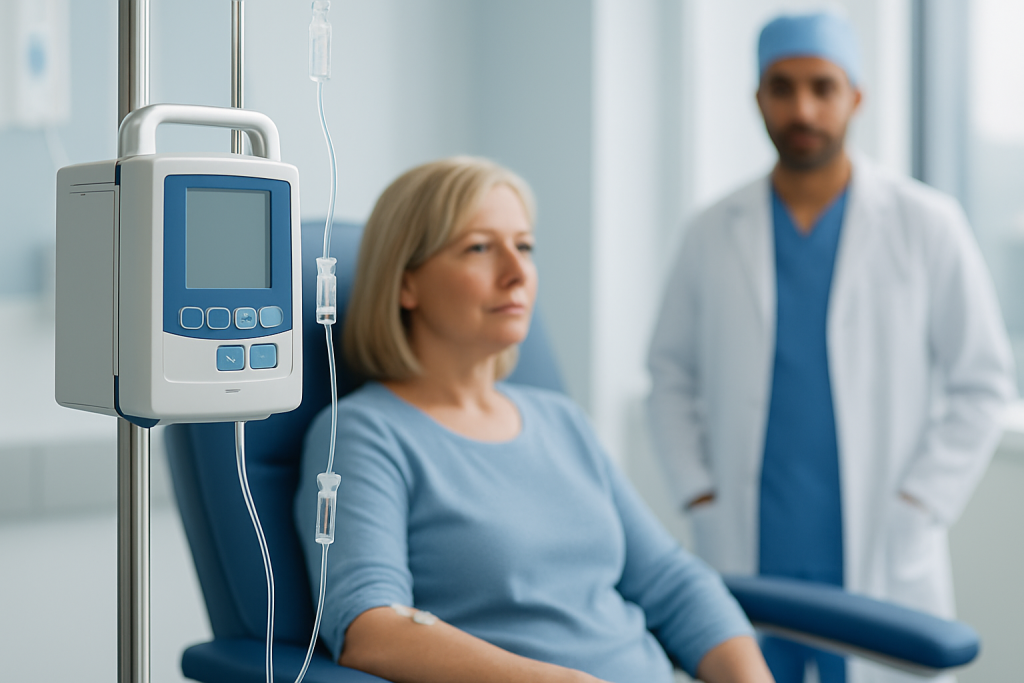
Cancer treatment is often compared to solving a puzzle, where surgery, chemotherapy, radiation therapy, and targeted or immunotherapy all have different roles. The order of these treatments can influence how well they work together. In some cases, chemotherapy first may reduce the size of a tumor enough to make surgery less extensive. In others, surgery first may provide the clearest path to remove the visible disease before chemotherapy addresses microscopic cells that cannot be seen on scans.
Timing also affects the body’s ability to cope with treatment. Surgery needs healing time, and chemotherapy can affect blood counts, appetite, energy, and infection risk. A team must weigh the urgency of treating the cancer against the need to protect the patient’s safety and recovery.
The sequence is not chosen by habit. It is chosen after considering whether the cancer is localized or has spread, whether the tumor is easily removed, how fast it appears to be growing, and whether there are signs that a systemic treatment should begin early. The goal is to match the treatment order to the disease, not the other way around.
Chemotherapy before surgery: neoadjuvant treatment

When chemotherapy is used before surgery, the main idea is to treat the cancer early and, in some cases, make the operation easier or more effective. Shrinking a tumor may allow a surgeon to remove it with clearer margins or preserve more of the surrounding tissue. This can be especially important in cancers where organ function or appearance is a major concern.
Neoadjuvant chemotherapy can also show how the cancer responds to treatment. If a tumor shrinks well, that information can help doctors understand its sensitivity to medication and guide the next steps. In some cancers, this early response offers useful clues about prognosis and future treatment planning.
Another advantage is that chemotherapy can begin before the body has fully recovered from surgery, which may be helpful when doctors want to act promptly against disease that is likely to spread. Still, neoadjuvant treatment is not right for every person. If a cancer is already safely removable and delaying surgery would not add value, the team may recommend a different order.
Chemotherapy after surgery: adjuvant treatment
After surgery, chemotherapy is often used to target cancer cells that may remain in the body even when the visible tumor has been removed. These cells can be too small to detect on imaging or during surgery, but they may still have the potential to grow later. Adjuvant chemotherapy aims to lower that risk.
This approach is common when pathology results show features that suggest a higher chance of recurrence, such as lymph node involvement, certain tumor grades, or evidence that the cancer had begun to spread locally. In these cases, surgery removes the main mass, and chemotherapy is added as a protective measure to support long-term control.
Recovery from surgery is an important part of this plan. Doctors usually wait until the patient has healed enough to tolerate chemotherapy safely. The exact timing depends on wound healing, energy level, blood counts, nutrition, and whether any post-operative complications need attention first.
How doctors decide the sequence
The decision is usually made by a multidisciplinary team, which may include a surgical oncologist, medical oncologist, radiation oncologist, radiologist, pathologist, and other specialists as needed. Each specialist looks at a different part of the picture: the scans, biopsy results, tumor biology, symptoms, and the patient’s overall health. Together they build a sequence that is both medically appropriate and practical.
Several factors commonly shape the plan:
- Cancer type and stage: Some cancers often respond well to chemotherapy first, while others are usually better treated with surgery first.
- Tumor size and location: A large or difficult-to-remove tumor may benefit from shrinking before surgery.
- Spread to lymph nodes or other organs: Evidence of spread often increases the need for systemic treatment.
- Overall health: Heart, kidney, liver, and marrow function can influence which treatment can safely begin first.
- Patient goals and logistics: Travel plans, support at home, and the ability to return for follow-up all matter in real life.
No single sequence is best for every person. The right plan is the one that balances effectiveness, safety, and the patient’s circumstances.
What the treatment journey may feel like
When chemotherapy happens before surgery, the journey often begins with treatment cycles, interval scans, and then a reassessment to see whether the tumor has changed in size or activity. If the response is favorable, surgery may follow. After that, some patients may still need more chemotherapy, radiation, or regular surveillance visits.
When surgery comes first, the early focus is on healing and confirming the final pathology report. That report helps doctors decide whether chemotherapy should be added and how soon it should start. For some patients, this path offers a clear sense of progress because the visible tumor has already been removed.
International patients often need to plan across borders, which makes sequencing especially important. If chemotherapy is planned before surgery, there may be a longer initial stay or multiple visits. If surgery is first, the patient may need enough time to recover locally or return later for systemic treatment. Clear scheduling helps reduce stress and prevents gaps in care.
Side effects, healing, and treatment safety
Chemotherapy can cause fatigue, nausea, mouth soreness, lowered blood counts, hair loss, and temporary changes in appetite or bowel habits. These effects are different from person to person and depend on the medication used. When chemotherapy is given before surgery, the team watches closely to make sure the patient remains strong enough for the operation.
If chemotherapy is given after surgery, the main concern is starting treatment only when healing is sufficiently advanced. Doctors consider wound recovery, infection risk, and whether the patient is eating and drinking well. In some cases, a delay is safer than starting too soon.
Supportive care can make the sequence easier to tolerate. This may include nutrition guidance, anti-nausea medicines, blood tests, pain control, and advice on activity and rest. Patients should report fever, unusual bleeding, worsening pain, shortness of breath, or signs of infection promptly.
Prevention, self-care, and staying prepared
Patients cannot control the cancer sequence alone, but they can take steps that support safe treatment. Keeping appointments, bringing a complete medication list, and sharing prior test results all help the care team make timely decisions. It is also helpful to ask for a written timeline that shows when scans, surgery, and chemotherapy are expected.
During treatment, self-care is less about rigid rules and more about protecting strength. Good hydration, adequate protein intake if allowed, gentle movement as tolerated, and rest when needed can all support recovery. Patients should follow their team’s advice about wound care, infection precautions, and when it is safe to travel.
For people traveling for cancer care, planning ahead is especially valuable. It may be wise to arrange flexible return dates, local follow-up support at home, and a way to contact the treatment team if symptoms appear after departure. Acibadem Health Point’s multidisciplinary specialists and JCI-accredited hospitals can diagnose and treat many cancers for international patients, helping coordinate care across each stage of the sequence.
When to see a doctor
A doctor should be consulted as soon as a cancer diagnosis is suspected or confirmed, because treatment planning is time-sensitive. It is especially important to speak with the oncology team before making decisions about surgery, chemotherapy, or travel for treatment. Early discussion helps ensure the sequence is based on the full clinical picture.
During treatment, patients should contact their doctor if they develop fever, severe vomiting, dehydration, chest pain, breathing problems, unusual bleeding, sudden swelling, or worsening pain. These symptoms do not always mean a serious complication, but they should be assessed promptly.
Patients who are unsure why chemotherapy is planned before or after surgery should ask for a plain-language explanation. A good oncology team can explain the reasoning, expected timeline, likely side effects, and what changes would prompt a new plan.
Frequently asked questions
What does it mean when chemotherapy is given before surgery?
This is usually called neoadjuvant chemotherapy. It is given to try to shrink the tumor, make surgery easier, or treat cancer cells earlier in the process. The approach is chosen only when the team believes it offers a clear benefit for that cancer type and stage.
Why would chemotherapy be recommended after surgery instead?
After surgery, chemotherapy may be used to reduce the chance that hidden cancer cells cause the disease to return. This is called adjuvant treatment. It is often based on the surgical findings and pathology report.
Does chemotherapy before surgery mean the cancer is worse?
Not necessarily. It may simply mean that the doctors think the tumor will respond better if treated first, or that shrinking it could help the surgery. The sequence is about strategy, not always about severity.
How do doctors decide which comes first, surgery or chemotherapy?
They consider the cancer type, stage, tumor size, location, spread, and the patient’s health. A multidisciplinary team usually reviews scans and biopsy results before recommending a sequence. Patient circumstances, including travel and recovery needs, are also part of the decision.
Can both chemotherapy and surgery still be needed?
Yes, many cancers are treated with both. The question is usually the order and whether other therapies, such as radiation, are added. The plan is individualized to improve safety and cancer control.
How long does recovery need to be between surgery and chemotherapy?
That depends on how well the person heals, the type of surgery, and the chemotherapy plan. Doctors usually wait until wounds are healing, infection risk is lower, and blood tests show the body is ready. The exact timing should be set by the oncology team.
References
- National Cancer Institute
- American Cancer Society
- American Society of Clinical Oncology
- World Health Organization
- European Society for Medical Oncology
This article is for general information only and is not a substitute for professional medical advice. Please consult a qualified doctor about your individual situation.