

Chemical Pregnancy: Symptoms, Causes and Treatment

Key Takeaways
- A chemical pregnancy is an early pregnancy loss that usually occurs before the pregnancy can be seen on ultrasound.
- It may look like a late or heavier-than-expected period, sometimes with a positive pregnancy test followed by bleeding.
- Common causes involve chromosomal issues in the embryo, though other health factors can play a role.
- Most people recover physically without needing procedures, but follow-up may be helpful to confirm hormone levels return to normal.
- Medical advice is important if bleeding is heavy, pain is severe, or pregnancy tests stay positive after bleeding.
Medically reviewed by the Acıbadem clinical team — August 19, 2026
A chemical pregnancy is a very early pregnancy loss that happens shortly after implantation, often before an ultrasound can confirm a pregnancy. It can be confusing and emotionally difficult, but it is usually not caused by something the person did.
Overview
A chemical pregnancy is an early pregnancy loss that happens very soon after implantation, when a fertilized egg attaches to the uterus but stops developing before it can be detected on ultrasound. The pregnancy may briefly produce enough hCG, the hormone measured by home and blood pregnancy tests, to create a positive result.
For many people, the first clue is a test that turns positive and then a period that arrives soon after, often a little heavier or later than expected. Because the pregnancy ends so early, it may feel like a confusing overlap between a positive test and a menstrual cycle rather than a clear miscarriage.
In practical terms, a chemical pregnancy is still a real pregnancy loss. Even when it happens before a clinic visit or scan can confirm the pregnancy, the experience can bring grief, uncertainty, or questions about future fertility. Those reactions are valid, and they deserve careful attention.
Symptoms
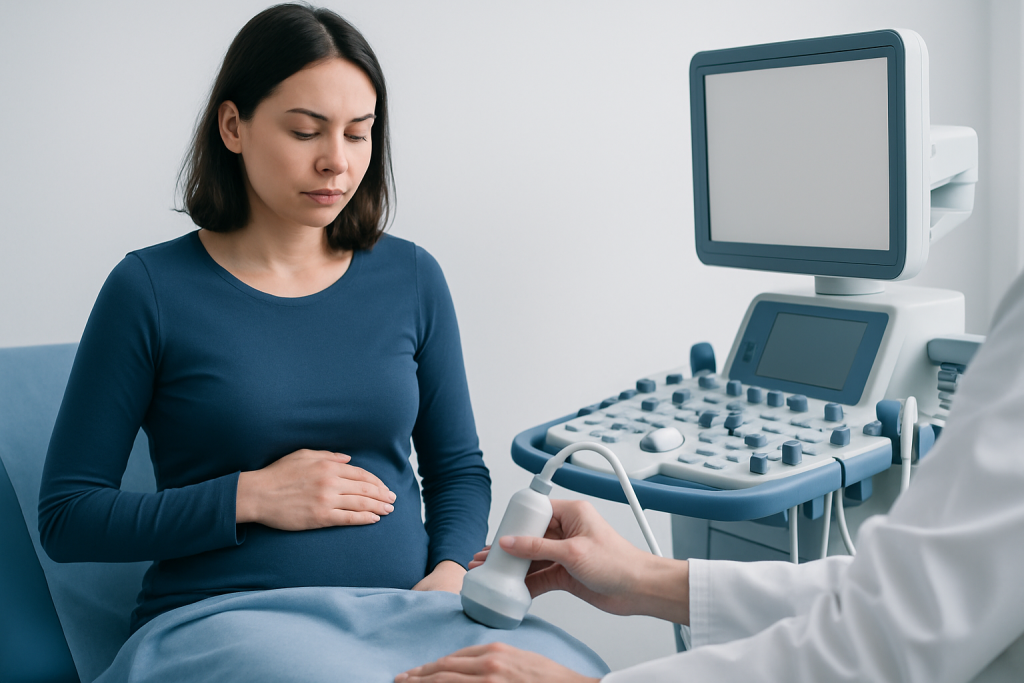
The signs can be subtle, and in some cases there are no obvious symptoms beyond an early positive test. Many people only learn what happened after they notice bleeding a few days or weeks later.
Common features may include:
- A positive home pregnancy test followed by bleeding
- A period that comes later than usual
- Bleeding that is heavier than a typical period or includes small clots
- Mild cramping in the lower abdomen
- Pregnancy symptoms such as breast tenderness or nausea that fade quickly
Because these symptoms overlap with a menstrual period, it is not always possible to tell the difference without repeat testing. A blood test for hCG, or a follow-up with a clinician, can sometimes clarify whether pregnancy hormone levels are falling.
Causes & Risk Factors
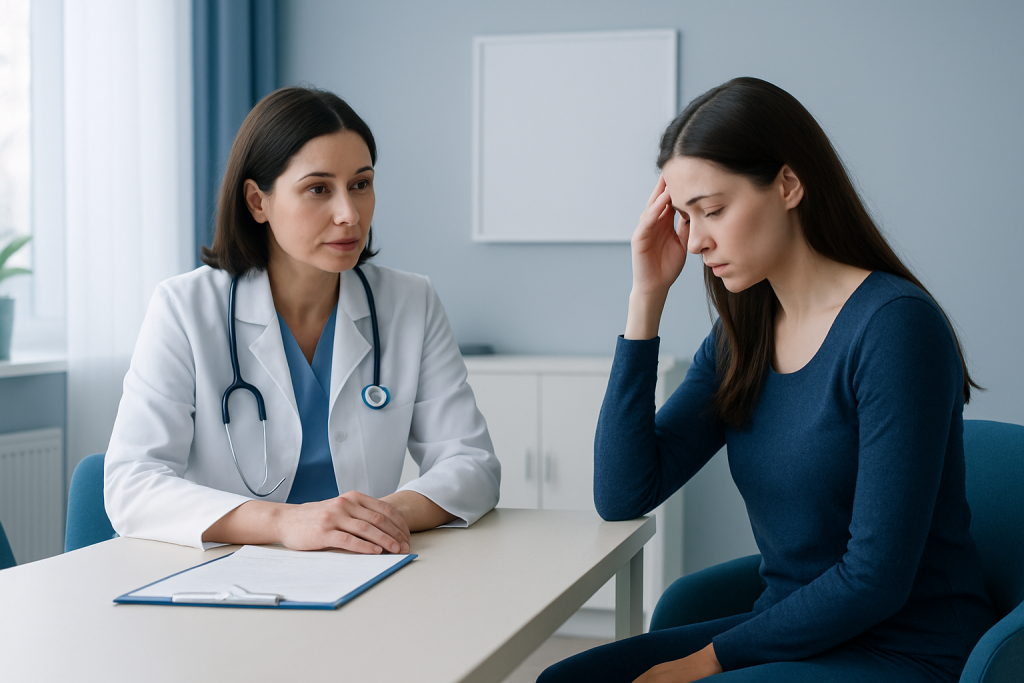
Most chemical pregnancies happen because the embryo did not develop normally, often due to a chromosomal problem that occurred by chance. In many situations, this is the body’s natural way of ending a pregnancy that would not have continued to develop.
Other factors may sometimes be involved, including uterine abnormalities, hormonal conditions, thyroid disease, uncontrolled diabetes, certain infections, smoking, and advanced maternal age. Fertility treatment can also make these very early losses easier to detect because testing is performed so early and so precisely.
It is important to keep the explanation simple: a chemical pregnancy is rarely caused by exercise, work, travel, intercourse, or an everyday activity. People often blame themselves, but in most cases there is nothing they could have done to prevent it.
Diagnosis
Diagnosis usually begins with the pattern of testing and bleeding. If a pregnancy test is positive and bleeding starts soon afterward, a clinician may suspect a chemical pregnancy, especially if the pregnancy is too early to appear on ultrasound.
Blood tests that measure hCG may be repeated over time to see whether levels are rising as expected or falling. A falling hCG level supports the diagnosis of an early pregnancy loss. If symptoms are not typical, doctors may also want to rule out an ectopic pregnancy, which can sometimes present in a similar way but needs urgent attention.
When someone is traveling for care or following up after Endometriosis Treatment Abroad: Medication, Laparoscopy, or Both?" class="ahp-ilk">treatment abroad, having copies of test results can help the next clinician understand the timeline quickly. A clear record of dates, test values, and symptoms often makes the follow-up visit much smoother.
Treatment Options
Most chemical pregnancies do not require a procedure or hospital treatment. The body usually passes the pregnancy tissue naturally, and bleeding settles on its own over days to a short period of time.
Care is generally focused on comfort, monitoring, and making sure hCG levels return to zero or near zero if follow-up testing is advised. Depending on the situation, a doctor may recommend pain relief measures, repeat blood tests, or an ultrasound if symptoms suggest something needs closer review.
If the loss occurs after fertility treatment, the fertility team may review the cycle carefully to see whether any changes are needed in the future. That conversation can be especially helpful for people who have invested time, travel, and emotion into treatment and want a clearer plan before the next step.
Prevention & Self-care
There is often no way to prevent a chemical pregnancy, particularly when the cause is a random chromosomal change. Still, general preconception health can support a healthier pregnancy overall.
Helpful self-care measures may include:
- Taking folic acid or a prenatal vitamin if advised by a clinician
- Managing chronic conditions such as thyroid disease or diabetes
- Avoiding smoking and limiting alcohol
- Following a balanced diet and gentle exercise routine
- Attending early prenatal or fertility follow-up appointments when possible
Emotional self-care matters too. Some people feel they “should not” grieve because the pregnancy was so early, but loss is still loss. Speaking with a trusted doctor, counselor, partner, or support group can make the experience easier to carry.
When to See a Doctor
Medical review is a good idea whenever a pregnancy test is positive and then bleeding begins, especially if the result is uncertain. A clinician can help confirm whether the pregnancy loss is complete and whether any follow-up testing is needed.
Immediate medical attention is important if bleeding is very heavy, pain is severe, dizziness occurs, or one-sided pelvic pain appears. These symptoms can sometimes signal an ectopic pregnancy or another condition that needs urgent care.
It is also sensible to seek advice if pregnancy tests remain positive after bleeding, if periods do not return as expected, or if more than one early pregnancy loss has occurred. In international-patient settings, coordinated follow-up can be especially helpful when care begins in one country and continues in another.
At Acibadem Health Point, multidisciplinary specialists and JCI-accredited hospitals help diagnose and treat this condition for Myomectomy Recovery for International Patients: The Usual Travel Timeline" class="ahp-ilk">international patients with careful follow-up and clear communication.
Living Through the Experience
A chemical pregnancy can be physically mild yet emotionally significant. Some people are surprised by how deeply they feel the loss, while others are relieved to have an explanation after a confusing few days. Both responses are normal.
For those trying to conceive, it may help to ask the doctor what the result means for the next cycle and whether any testing is needed before trying again. In many cases, a chemical pregnancy does not prevent a healthy pregnancy in the future.
When the experience happens far from home, a written summary of what occurred—test dates, bleeding pattern, blood work, and any scan results—can be useful for future care. That small record can reduce uncertainty and make the next consultation more efficient and reassuring.
Frequently asked questions
Is a chemical pregnancy the same as a miscarriage?
Yes, it is considered a very early miscarriage. The term is often used when the pregnancy ends so early that it may only be detected by hormone testing.
Can a home pregnancy test be positive and then negative with a chemical pregnancy?
Yes. hCG can rise enough to trigger a positive test and then fall again as the pregnancy ends, leading to a negative test later.
Does a chemical pregnancy mean there is a fertility problem?
Not usually. One early loss is common and often happens because of a random embryo chromosomal issue rather than a long-term fertility problem.
How soon can someone try again after a chemical pregnancy?
That depends on physical recovery and emotional readiness, and a doctor may advise waiting until bleeding stops and hCG returns to normal. Many people can try again in a subsequent cycle if their clinician agrees.
When should heavy bleeding after an early positive test be checked urgently?
Urgent assessment is important if bleeding soaks through pads quickly, severe pain develops, faintness occurs, or the pain is mostly on one side. These symptoms can point to conditions that need prompt medical care.
Can stress or travel cause a chemical pregnancy?
Routine stress, travel, exercise, and normal daily activity are not known causes. Most chemical pregnancies happen because the embryo did not develop normally very early on.
References
- American College of Obstetricians and Gynecologists
- Mayo Clinic
- NHS
- American Society for Reproductive Medicine
- World Health Organization
This article is for general information only and is not a substitute for professional medical advice. Please consult a qualified doctor about your individual situation.
IVF & fertility treatment in Turkey — success rates and costs
JCI-accredited · board-certified surgeons · reply within 24h
Add us as a Preferred Source to see more of our trusted health content across Google Search, AI Overviews and Discover.
More from the Health Library


Related Specialists

Dr. Gamze Karababa
Gynecology & Obstetrics
Dr. Onur Özdenoğlu
Gynecology & Obstetrics
Dr. Selcen Bahadır
Gynecology & Obstetrics
Prof. Dr. A. Taner Usta
Gynecology & Obstetrics