Early Pregnancy Discharge

Key Takeaways
- Thin, white, mild-smelling discharge is often normal in early pregnancy.
- Itching, burning, strong odor, pain, or bleeding can point to an infection or another issue.
- A clinician may use history, pelvic examination, and simple tests to find the cause.
- Staying gentle with hygiene and avoiding douching can help reduce irritation.
- Medical advice is important if discharge changes suddenly or is paired with fever, pain, or bleeding.
Early pregnancy discharge is common and often reflects normal hormonal changes, but its appearance, smell, and any associated symptoms can help distinguish expected changes from concerns that need medical review. Understanding what is typical can make the first trimester feel less uncertain, especially when care is being coordinated from another country.
Overview
Early pregnancy brings a rapid shift in hormones, and the vagina often responds with more discharge than usual. For many people, this change is one of the first noticeable signs that the body is adapting to pregnancy, even before a belly begins to show.
In most cases, the discharge is called leukorrhea: thin or milky white, mild-smelling, and not painful. It serves a protective role by helping keep the vaginal environment clean and reducing the chance that germs travel upward toward the uterus.
What matters most is not simply the presence of discharge, but how it looks and feels. A change in color, odor, texture, or the addition of itching, burning, cramping, or bleeding can suggest an infection or another condition that deserves medical attention.
Symptoms
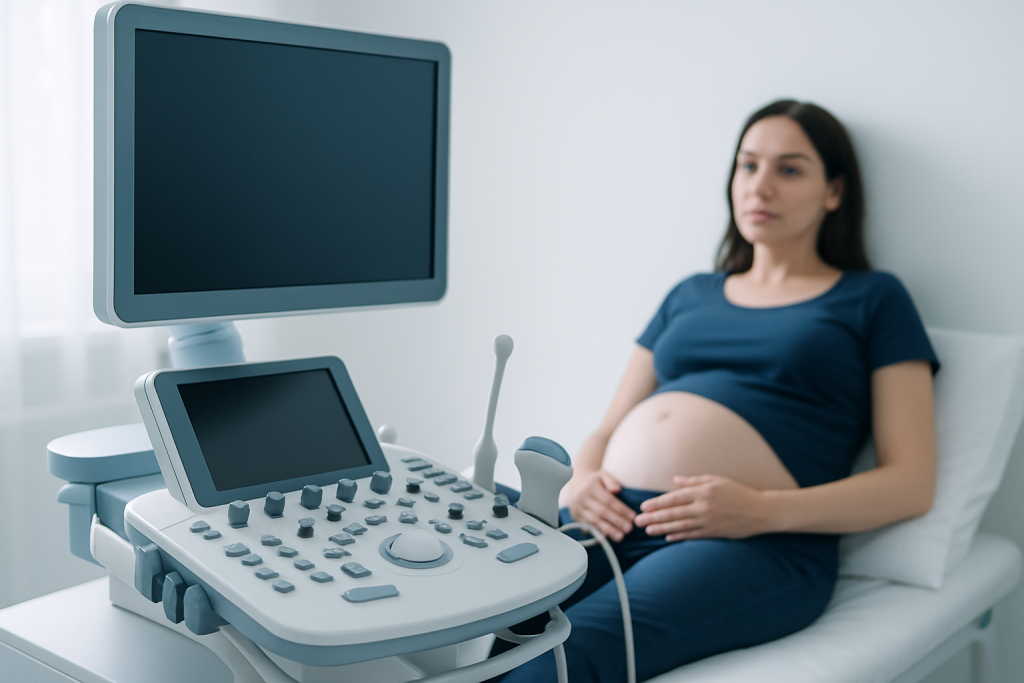
Normal early pregnancy discharge is usually light white or clear and may increase gradually over the weeks. It tends to be more noticeable on underwear or when wiping, especially later in the day or after exercise, but it should not cause discomfort.
Some signs are less reassuring and should not be ignored. These include discharge that is yellow, green, gray, brown, or bloody; a fishy, foul, or unusually strong smell; itching; redness; swelling; pain during urination; pelvic pain; or soreness during sex.
Because early pregnancy can also bring nausea, fatigue, and breast tenderness, it is easy to overlook vaginal symptoms. Keeping track of when the discharge started and whether anything else changed can help a clinician make a quicker and more accurate assessment.
- Commonly normal: thin, white, milky, mild-smelling discharge
- Potential concern: thick clumpy discharge with itching
- Potential concern: watery leakage that continues
- Potential concern: discharge with bleeding, fever, or pain
Causes & Risk Factors

Hormonal changes are the main reason discharge increases in early pregnancy. Higher estrogen levels increase blood flow to the pelvic area and stimulate the cervix and vaginal walls to produce more fluid.
That fluid is not a problem by itself. In fact, it helps maintain a healthy balance of bacteria and can act as a natural barrier, but pregnancy also changes the environment in ways that may make yeast infections or bacterial vaginosis more likely in some people.
Certain factors can raise the chance that discharge is related to an infection or irritation rather than normal pregnancy changes. These include a history of recurrent vaginal infections, recent antibiotic use, unprotected sex with a new partner, diabetes, tight or non-breathable clothing, and using scented washes, sprays, or douches.
Less commonly, discharge may reflect other issues such as cervical irritation, a urinary tract infection, or early bleeding mixed with vaginal fluid. Because symptoms can overlap, it is best not to assume the cause from appearance alone.
Diagnosis
A doctor usually begins with a careful conversation about the discharge: when it started, what color it is, whether there is odor or itching, and whether there is any pain or bleeding. In pregnancy, this history is especially important because even small symptoms can help narrow the possibilities.
If needed, a pelvic examination may be performed to look for signs of infection, irritation, or cervical changes. Simple laboratory tests can then be used to check vaginal pH, examine a sample under a microscope, or test for yeast, bacterial vaginosis, or sexually transmitted infections.
When there is concern about fluid leakage, bleeding, or cramping, additional evaluation may be recommended to confirm that the pregnancy is progressing normally. For people traveling internationally for care, these tests are often arranged efficiently so that treatment decisions can be made without delay and follow-up can be coordinated before the return trip.
Treatment Options
Normal pregnancy discharge does not need treatment. The focus is on comfort, reassurance, and monitoring for changes. If the discharge is caused by an infection, treatment depends on the specific diagnosis and the stage of pregnancy.
Yeast infections are often treated with pregnancy-safe antifungal medicine, while bacterial vaginosis may require antibiotics prescribed by a clinician. If a sexually transmitted infection is found, both the pregnant person and, when appropriate, the partner may need care to reduce the chance of reinfection.
It is important not to self-treat with over-the-counter products without medical guidance during pregnancy. Some creams, suppositories, or herbal remedies are not suitable in pregnancy, and using the wrong product can delay the correct diagnosis.
When symptoms are related to irritation rather than infection, a clinician may recommend removing triggers such as scented products or tight synthetic underwear and using gentler hygiene measures.
Prevention & Self-care
Simple habits can help maintain comfort and reduce the chance of irritation. Wearing breathable cotton underwear, changing out of damp clothes promptly, and choosing loose clothing can make a noticeable difference.
Gentle cleansing is usually enough. The vagina does not need douching or internal washing, and strongly scented soaps, bath products, and sprays can disrupt the natural balance and worsen symptoms.
If a person is traveling for prenatal care, it helps to carry a short symptom note, any recent test results, and a list of medicines or supplements. That makes it easier for a new clinician to understand the pattern quickly, especially if symptoms begin between flights or while staying away from home.
- Use plain water or mild unscented soap externally only
- Change underwear daily and after exercise
- Wipe from front to back
- Stay hydrated and maintain prenatal appointments
- Avoid self-medicating for discharge without advice
When to See a Doctor
Medical advice is recommended if the discharge has a strong odor, causes itching or burning, changes color suddenly, or is accompanied by pain, fever, or bleeding. These symptoms may point to an infection or another condition that should be assessed rather than watched at home.
Urgent evaluation is wise if there is fluid that seems to be leaking continuously, heavy bleeding, severe pelvic pain, dizziness, or any sign that the person feels unwell overall. In early pregnancy, it is better to clarify the cause promptly than to guess.
For Myomectomy Recovery for International Patients: The Usual Travel Timeline" class="ahp-ilk">international patients, early review can be especially helpful because it allows a care plan to be made before travel continues. At Acibadem Health Point, multidisciplinary specialists and JCI-accredited hospitals diagnose and treat pregnancy-related concerns for international patients with coordinated, patient-centered care.
Even when symptoms turn out to be harmless, speaking with a qualified doctor can bring clarity and reduce anxiety. Pregnancy is a time when small changes deserve thoughtful attention, not alarm.
Frequently asked questions
Is discharge normal in early pregnancy?
Yes, increased vaginal discharge is common in early pregnancy because hormones change the cervix and vaginal tissues. It is often thin, white, and mild-smelling. If it becomes itchy, painful, foul-smelling, or bloody, it should be checked.
What does healthy pregnancy discharge usually look like?
Healthy discharge is typically clear to milky white and not irritating. It may increase as pregnancy progresses. The key is that it should not have a strong odor or cause discomfort.
Can discharge in early pregnancy mean an infection?
Sometimes, yes. Yeast infections, bacterial vaginosis, and sexually transmitted infections can all change discharge. Symptoms such as itching, burning, odor, or color change make infection more likely and should be assessed by a clinician.
Should douching be used to clean discharge during pregnancy?
No, douching is not recommended because it can disrupt the natural vaginal balance and increase irritation. Gentle external washing is usually enough. If discharge seems unusual, medical advice is safer than trying to flush it out.
When is discharge in early pregnancy an emergency?
Seek prompt medical care if discharge is accompanied by heavy bleeding, strong pain, fever, dizziness, or continuous fluid leakage. These symptoms do not always mean something serious, but they do need timely evaluation. A clinician can determine the cause and the next step.
Can traveling affect how pregnancy discharge is managed?
Travel does not usually change the cause of discharge, but it can make follow-up more complicated if symptoms appear away from home. Keeping records of symptoms and test results helps a new doctor assess the situation quickly. If symptoms change during travel, it is best to arrange a local evaluation rather than wait.
References
- American College of Obstetricians and Gynecologists
- NHS
- World Health Organization
- Mayo Clinic
This article is for general information only and is not a substitute for professional medical advice. Please consult a qualified doctor about your individual situation.
More from the Health Library



Related Specialists

Prof. Dr. A. Taner Usta
Gynecology & Obstetrics
Prof. Dr. Ahmet Tayyar
Gynecology & Obstetrics
Prof. Dr. Ahmet Cem Batukan
Gynecology & Obstetrics
Dr. Sevgi Selen
Gynecology & Obstetrics