Dry Scalp Treatment

Key Takeaways
- Dry scalp is different from dandruff, though the two can look similar.
- Gentle cleansing, moisturizing the scalp, and avoiding harsh hair products often help.
- Persistent flaking or itching may be linked to eczema, psoriasis, seborrheic dermatitis, or fungal conditions.
- A dermatologist can confirm the cause and guide treatment when home care is not enough.
- Travel, climate changes, and unfamiliar water or hair products can influence scalp comfort during recovery or long-term care.
Dry scalp can feel tight, itchy, flaky, or irritated, but it is usually manageable once the underlying cause is identified. The right dry scalp treatment depends on whether the problem is simple dryness, a skin condition, or a reaction to hair products or environmental triggers.
Overview
Dry scalp happens when the skin on the scalp loses too much moisture or becomes irritated, leaving it tight, flaky, or uncomfortable. For some people, it appears only in cold weather or after frequent washing; for others, it is part of a skin condition that needs more targeted care.
Understanding the difference between ordinary dryness and an underlying scalp disorder is the key to choosing the right treatment. A dry scalp treatment plan may be as simple as adjusting shampoo habits, or it may involve medicated products prescribed after a clinical evaluation.
For international patients, this can be especially relevant when symptoms begin after a move, a long flight, a different climate, or a change in water hardness. In those cases, the scalp often reacts to environmental shifts before the person realizes a routine change is needed.
Symptoms
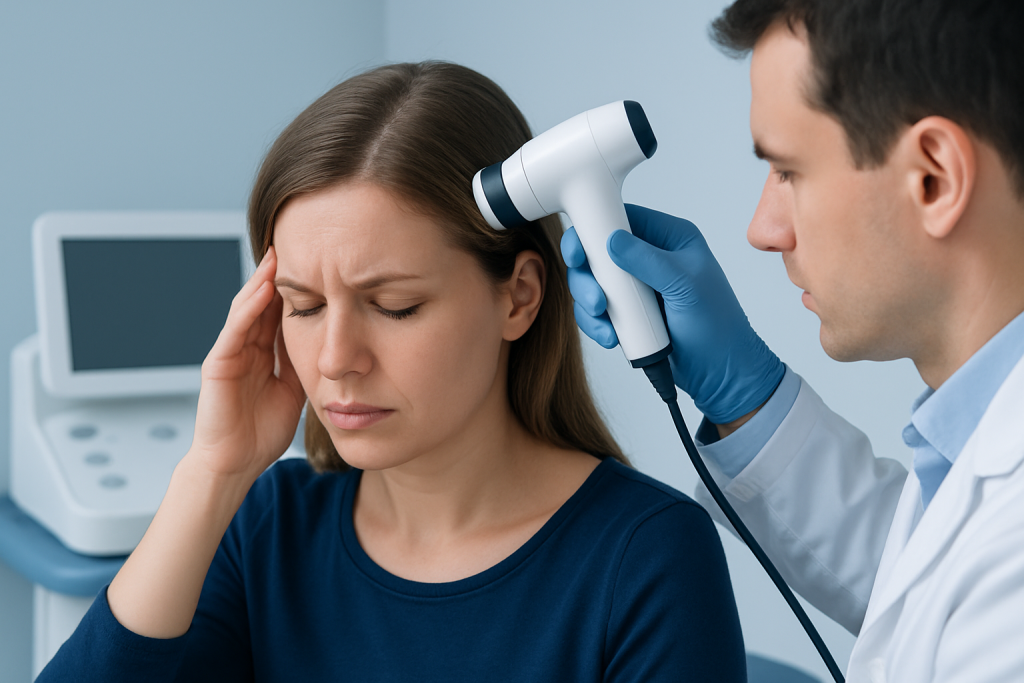
Dry scalp commonly causes fine white flakes, mild itching, and a feeling of tightness after washing. The skin may look dull, sensitive, or slightly red if it has been scratched or exposed to irritating products.
Some people notice symptoms most clearly on the hairline, behind the ears, or at the crown of the head. In more persistent cases, the scalp may sting, shed more noticeably, or feel uncomfortable during brushing or styling.
- Fine, dry flakes that fall easily from the scalp
- Itching or a “tight” sensation
- Redness or mild irritation
- Scalp sensitivity after shampooing or heat styling
- Temporary worsening in cold or dry weather
When flakes are greasy, thicker, or accompanied by plaques, inflammation, or hair loss, the cause may be something other than simple dryness. That is one reason careful assessment matters before starting treatment.
Causes & Risk Factors

Dry scalp can arise from everyday habits, environmental exposure, or a skin condition affecting the scalp barrier. Frequent washing, strong cleansers, hot water, heat styling, and hair products with irritating ingredients may strip away protective oils and increase dryness.
Weather also plays a role. Low humidity, cold air, indoor heating, sun exposure, and sudden climate changes can all dry the scalp surface. For people traveling internationally, a different climate or water supply may temporarily change how the scalp feels and how it responds to shampoo.
Sometimes the issue is not simple dryness at all. Eczema, psoriasis, seborrheic dermatitis, contact dermatitis, and some fungal infections can cause flaking and itching that resemble dry scalp. Risk is higher in people with a history of sensitive skin, allergies, inflammatory skin disease, or frequent hair processing.
Diagnosis
Diagnosis usually begins with a history of symptoms, hair-care habits, recent travel, and product use. A clinician may ask when the flaking started, whether it is worse after washing, and whether there are signs such as redness, scales, or hair breakage.
In many cases, a visual scalp examination is enough to distinguish basic dryness from other conditions. If the appearance suggests psoriasis, fungal infection, or allergic contact dermatitis, the doctor may recommend additional testing or a trial of specific treatment.
Because self-diagnosis can be misleading, a focused dermatology visit is often worthwhile when symptoms persist. That is particularly true for patients who are arranging care from abroad and want a clear plan before returning home, where follow-up may be with a local doctor.
Treatment Options
Dry scalp treatment starts with reducing irritation and restoring the scalp barrier. Gentle, fragrance-free shampoos, lukewarm water, and less frequent washing often help. Many people also benefit from scalp-friendly moisturizers or emollient products designed to soften dry skin without clogging hair follicles.
If dandruff or seborrheic dermatitis is present, a medicated shampoo may be recommended. Depending on the diagnosis, a dermatologist may suggest antifungal, anti-inflammatory, or keratolytic products to reduce flaking and calm the scalp.
Other practical measures can support recovery:
- Avoid scratching, which can worsen inflammation and introduce infection
- Limit heavy styling products, alcohol-based tonics, and harsh dyes if they trigger symptoms
- Use a gentle brush and avoid very hot blow-drying
- Protect the scalp from cold wind or strong sun with suitable headwear
When an underlying skin disease is responsible, treatment should address that condition directly rather than repeatedly changing shampoos. A doctor may also tailor care to travel schedules, allowing patients to continue treatment safely after returning to their home country.
Prevention & Self-care
Daily habits often make the difference between a scalp that stays calm and one that repeatedly flares. A mild cleanser, careful rinsing, and consistent hydration are usually more helpful than frequent product switching.
People with sensitive scalps may want to simplify their hair routine. Choosing fragrance-free products, spacing out chemical services, and testing new products on a small area first can reduce the chance of irritation.
Helpful self-care habits include:
- Wash with lukewarm rather than hot water
- Choose a gentle shampoo suited to sensitive skin
- Keep the scalp and hair care routine consistent when traveling
- Use a humidifier in dry indoor environments if needed
- Drink enough fluids and support overall skin health with balanced nutrition
After an international procedure or clinic visit, patients should follow the care instructions provided by their physician and avoid introducing several new products at once. If the scalp worsens after changing climates, water sources, or hair products, a structured return-to-care plan can help identify the trigger.
When to See a Doctor
Medical advice is appropriate when dry scalp does not improve with gentle home care, when itching becomes intense, or when flakes are thick, greasy, or associated with redness. A clinician should also evaluate the scalp if there is pain, oozing, crusting, swelling, or patchy hair loss.
People should not assume every flaky scalp is caused by dryness. Conditions such as psoriasis, seborrheic dermatitis, eczema, and fungal infections can require prescription treatment, and early diagnosis often prevents prolonged discomfort.
Anyone planning treatment while traveling should consider how follow-up will happen after returning home. Acibadem Health Point’s multidisciplinary specialists and JCI-accredited hospitals diagnose and treat scalp and skin conditions for international patients, helping them coordinate care with confidence before and after travel.
Living With a Sensitive Scalp
For many people, the goal is not only to stop flaking but also to build a routine that keeps the scalp comfortable over time. Once the trigger is identified, treatment is usually straightforward and can be adjusted to daily life, weather changes, and travel.
It also helps to think of scalp care as part of broader skin care. The scalp, like the face and hands, responds to cleansing habits, climate, stress, and product exposure. Small changes are often enough to restore balance.
With the right diagnosis and a practical plan, most cases of dry scalp can be managed well. When symptoms linger or keep returning, a dermatologist can help determine whether the issue is simple dryness or a separate condition that needs more specific treatment.
Frequently asked questions
Is dry scalp the same as dandruff?
Not always. Dry scalp usually produces small, dry flakes and a tight feeling, while dandruff is often linked to seborrheic dermatitis and may cause greasier, larger flakes. A clinician can help tell them apart if the difference is unclear.
What is the first step in dry scalp treatment?
The first step is usually to reduce irritation. That often means using a gentle shampoo, washing with lukewarm water, and avoiding harsh hair products or very frequent washing.
Can weather changes really cause dry scalp?
Yes. Cold air, low humidity, indoor heating, sun exposure, and travel to a different climate can all affect scalp moisture. Some people notice symptoms only during certain seasons or after international travel.
Should oils be used on a dry scalp?
Sometimes, but not always. Some scalp oils or emollients can help soften dryness, while others may worsen buildup or irritation. A dermatologist or pharmacist can suggest a suitable option based on the cause.
When does dry scalp need medical evaluation?
Medical evaluation is a good idea if symptoms are persistent, severe, painful, or associated with redness, crusting, or hair loss. It is also important if home care does not help after a reasonable period.
Can a person travel for treatment and still manage dry scalp afterward?
Yes. Many scalp conditions can be treated with a plan that continues after travel. It helps to keep product use simple, follow discharge instructions carefully, and arrange follow-up with a local doctor if needed.
References
- American Academy of Dermatology
- Mayo Clinic
- National Eczema Association
- British Association of Dermatologists
- DermNet NZ
This article is for general information only and is not a substitute for professional medical advice. Please consult a qualified doctor about your individual situation.