How To Get Rid Of Skin Tags

Key Takeaways
- Skin tags are typically benign and often do not need treatment unless they are irritated or cosmetically concerning.
- A clinician should confirm that a growth is truly a skin tag before any removal is planned.
- Common removal methods include freezing, cautery, snipping, and ligation, depending on the size and location.
- Home remedies can irritate the skin, cause bleeding, or delay proper diagnosis.
- New, changing, painful, or bleeding growths deserve medical assessment rather than self-treatment.
Skin tags are common, soft growths that are usually harmless, but they can be bothersome when they rub, catch on clothing, or affect confidence. The safest way to remove them is to have a qualified clinician confirm the diagnosis and choose the most suitable method.
Overview
Skin tags are small, soft, flesh-colored growths that hang from the skin on a narrow stalk. They most often appear on areas where skin rubs against skin or clothing, such as the neck, underarms, eyelids, groin, or under the breasts.
For many people, the main question is not what they are, but whether they can be removed safely. The practical answer is yes—but the first step is making sure the spot is truly a skin tag and not another type of growth that needs different care.
Skin tags are usually harmless and do not turn into cancer. Still, when someone is planning removal, especially while arranging care from another country, it helps to think beyond convenience: a clinician can confirm the diagnosis, explain the best method, and reduce the chance of scarring, bleeding, or infection.
Symptoms and What Skin Tags Feel Like
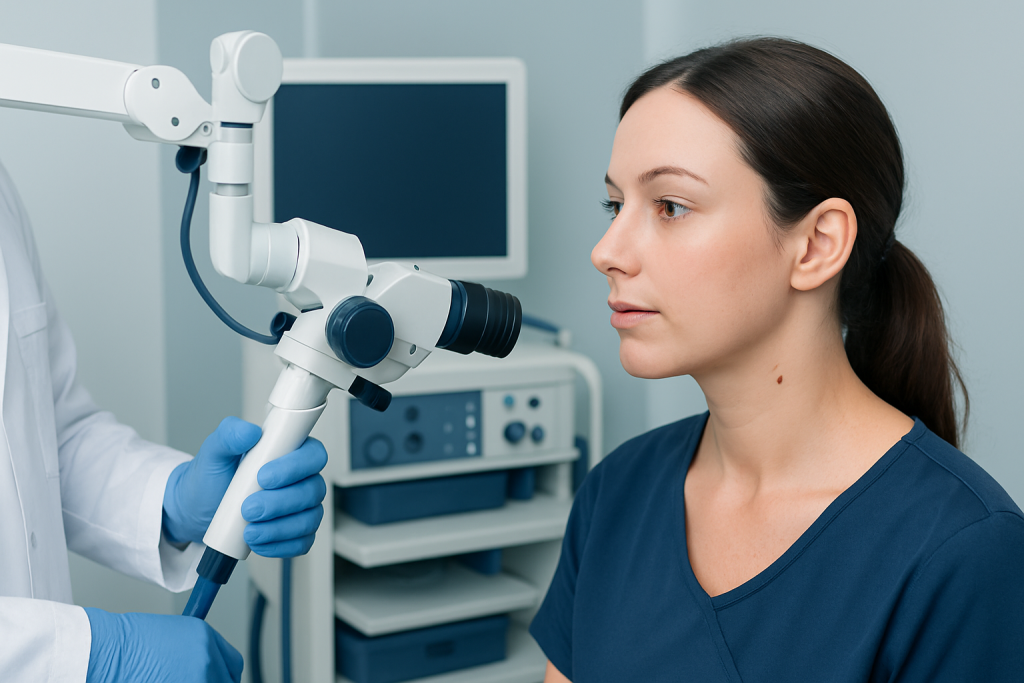
Most skin tags are easy to recognize because they are soft, movable, and attached by a thin stalk. They are often smooth or slightly wrinkled and may range from tiny pinhead-sized bumps to larger dangling growths.
Skin tags usually do not hurt. Symptoms tend to appear when they are rubbed by jewelry, seatbelts, bra straps, shaving, or repetitive movement. In those cases, the skin tag may become red, irritated, itchy, or tender.
- Common locations: neck, armpits, eyelids, groin, under the breasts
- Typical feel: soft, fleshy, and mobile
- Occasional issues: catching, twisting, minor bleeding, or cosmetic concern
If a growth is dark, very firm, rapidly changing, painful, or has an irregular shape, it should be assessed rather than assumed to be a skin tag.
Causes and Risk Factors

The exact cause of skin tags is not always clear, but friction appears to play a role. They are more likely to develop in skin folds or areas where repeated rubbing occurs.
Some people seem more prone to them than others. Skin tags are seen more often with increasing age and may occur more frequently in people who are overweight, pregnant, or have insulin resistance or type 2 diabetes. Family tendency may also matter.
It is important to know that skin tags are common and not a sign of poor hygiene. They are a routine dermatology concern rather than a rare or unusual problem.
Diagnosis
In many cases, diagnosis is made by simple visual examination. A clinician looks at the shape, color, texture, and attachment of the growth and asks about how long it has been present and whether it has changed.
Because several skin conditions can look similar, a professional check is valuable before removal. This is especially true for spots that are pigmented, painful, bleeding, crusted, or growing quickly, since those features may suggest something other than a skin tag.
For international patients planning treatment abroad, a clear pre-visit photo or teleconsultation can help the dermatologist decide whether an in-person procedure is appropriate and which technique may be best once the patient arrives.
Treatment Options
When removal is desired, a clinician may recommend one of several office-based methods. The best choice depends on the size, location, number of skin tags, and the person’s skin type and medical history.
Common medical removal options include:
- Snipping: the tag is removed with sterile instruments, often after local numbing if needed
- Cryotherapy: the growth is frozen so it falls off as the tissue heals
- Cautery: heat is used to remove the tag and seal small vessels
- Ligation: blood flow is cut off at the base so the tag gradually falls off
These procedures are usually quick and done in a clinic setting. A qualified clinician can also advise whether a removed growth should be sent for examination, particularly if its appearance is not classic.
Over-the-counter or at-home removal methods are not recommended without medical guidance. Cutting, tying, freezing, or using topical products at home can lead to bleeding, scarring, infection, or the removal of the wrong lesion.
Prevention and Self-care
Not every skin tag can be prevented, but reducing friction may help limit irritation. Loose, breathable clothing, careful shaving, and minimizing repetitive rubbing in skin folds can make affected areas more comfortable.
If a skin tag is left in place, gentle self-care is usually enough. Keeping the area clean and dry, avoiding twisting or picking at it, and protecting it from repeated friction can reduce discomfort.
People with diabetes, insulin resistance, or recurrent skin tags may benefit from discussing general metabolic health with their clinician. That conversation is not about blame; it is about understanding the bigger picture and making sure any underlying issues are addressed appropriately.
When to See a Doctor
Medical review is wise if a growth is new and uncertain, changes in shape or color, bleeds without obvious trauma, hurts, or seems infected. A clinician should also see any lesion that is darkly pigmented, irregular, or rapidly enlarging, since those features need proper evaluation.
People may also want professional advice if the tag is on the eyelid, genitals, or another sensitive area, or if there are many growths and the person wants them removed in one visit. In those situations, technique choice matters more than convenience, because the goal is to treat the skin gently and safely.
For travelers seeking care away from home, it is sensible to arrange the consultation and procedure with enough time for aftercare instructions and follow-up planning. Acibadem Health Point’s multidisciplinary specialists and JCI-accredited hospitals can diagnose and treat skin tags for international patients in a coordinated way.
Living With Skin Tags: Practical Questions People Ask
Many people worry that a skin tag means something is wrong internally. In most cases, it does not. Skin tags are common and usually benign, so the main reasons to treat them are irritation, repeated trauma, or appearance.
Another frequent concern is whether removal will leave a mark. Any procedure can leave some trace, but a clinician can usually choose a method that balances cosmetic outcome with safety, especially for delicate sites such as the face or eyelids.
It is also normal to ask whether one skin tag will keep coming back. Removing one tag does not prevent new ones from forming elsewhere, which is why prevention focuses more on friction reduction and good skin care than on a permanent cure.
Frequently asked questions
Can skin tags be removed at home?
Home removal is generally not recommended. It can cause bleeding, infection, scarring, or a mistaken attempt to treat something that is not actually a skin tag. A clinician can confirm the diagnosis and remove it safely if treatment is needed.
Do skin tags go away on their own?
Some skin tags may twist, dry out, and fall off, but many stay in place for a long time. If they are not bothering the person, they often do not need treatment. Removal is usually chosen for comfort or cosmetic reasons.
Are skin tags a sign of cancer?
Skin tags are usually benign and not cancerous. However, not every growth that looks like a skin tag is one, which is why changing, bleeding, or unusual lesions should be checked by a doctor.
Which skin tag removal method is best?
The best method depends on the tag’s size, location, number, and the person’s skin and medical history. A dermatologist or other qualified clinician can recommend the safest option after examining the growth.
Will skin tags come back after removal?
A removed skin tag usually does not grow back in the same spot, but new ones can appear elsewhere over time. Friction reduction and general skin care may help lessen irritation, though they cannot always prevent new tags from forming.
Can a primary care doctor remove skin tags?
In many settings, yes. Depending on the area and the clinician’s training, removal may be done by a primary care doctor, dermatologist, or other qualified specialist. Complex or sensitive locations are often best managed by dermatology.
References
- American Academy of Dermatology
- Mayo Clinic
- National Health Service
- Cleveland Clinic
- DermNet NZ
This article is for general information only and is not a substitute for professional medical advice. Please consult a qualified doctor about your individual situation.