Nail Fungus Treatment

Key Takeaways
- Nail fungus usually affects toenails first and changes the nail’s color, thickness, and shape.
- A doctor can confirm the diagnosis because other nail conditions can look similar.
- Treatment may include prescription medicines, topical therapies, or procedures in more stubborn cases.
- Nail growth is slow, so visible improvement often takes months rather than weeks.
- Daily foot hygiene, dry footwear, and not sharing nail tools can reduce the chance of recurrence.
Nail fungus is a common infection that can make nails thick, discolored, and brittle. Treatment often takes time, but with the right diagnosis and a consistent plan, many people can improve the appearance and comfort of the affected nail.
Overview
Nail fungus, also called onychomycosis, is an infection that begins in the nail and gradually changes how the nail grows. It often starts subtly: a small white or yellow spot, a little debris under the nail, or a slight thickening that is easy to dismiss at first. Over time, the nail can become more brittle, distorted, and difficult to trim.
Although nail fungus is not usually an emergency, it can become frustrating because nails grow slowly and treatment needs patience. For people traveling from another country for care, this is often a condition where a clear diagnosis, a realistic treatment plan, and planned follow-up matter just as much as the first appointment. A specialist can help distinguish fungus from other nail problems and suggest the most suitable approach.
The infection is more common in toenails than fingernails because feet spend more time in warm, moist shoes and may be exposed to repeated minor trauma. The good news is that many cases can be managed effectively once the cause is confirmed and treatment is matched to the severity of the infection.
Symptoms
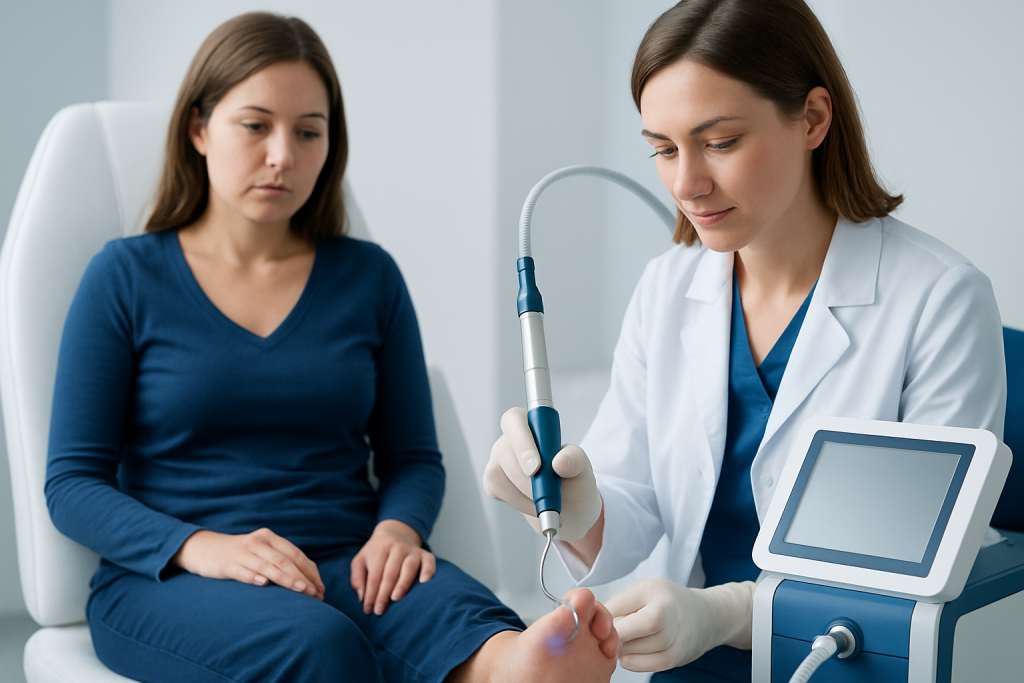
Nail fungus often changes the appearance of the nail before it causes discomfort. The nail may look yellow, white, brown, or cloudy, and the surface may become rough or uneven. As the infection progresses, the nail can thicken, crumble at the edges, separate slightly from the nail bed, or develop debris underneath.
Some people notice only cosmetic changes, while others feel pressure or discomfort when wearing shoes. In more advanced cases, the nail can become so thick or distorted that walking, exercise, or routine grooming becomes inconvenient. Fingernail infections can also occur, though they are less common.
- Discoloration, especially yellowing or whitening
- Thickened, brittle, or crumbling nail edges
- Debris under the nail
- Nail lifting away from the skin beneath it
- Occasional discomfort, tenderness, or shoe pressure
Because several skin and nail conditions can resemble fungus, appearance alone is not always enough to know what is happening. That is one reason a proper evaluation is helpful before starting treatment.
Causes & Risk Factors
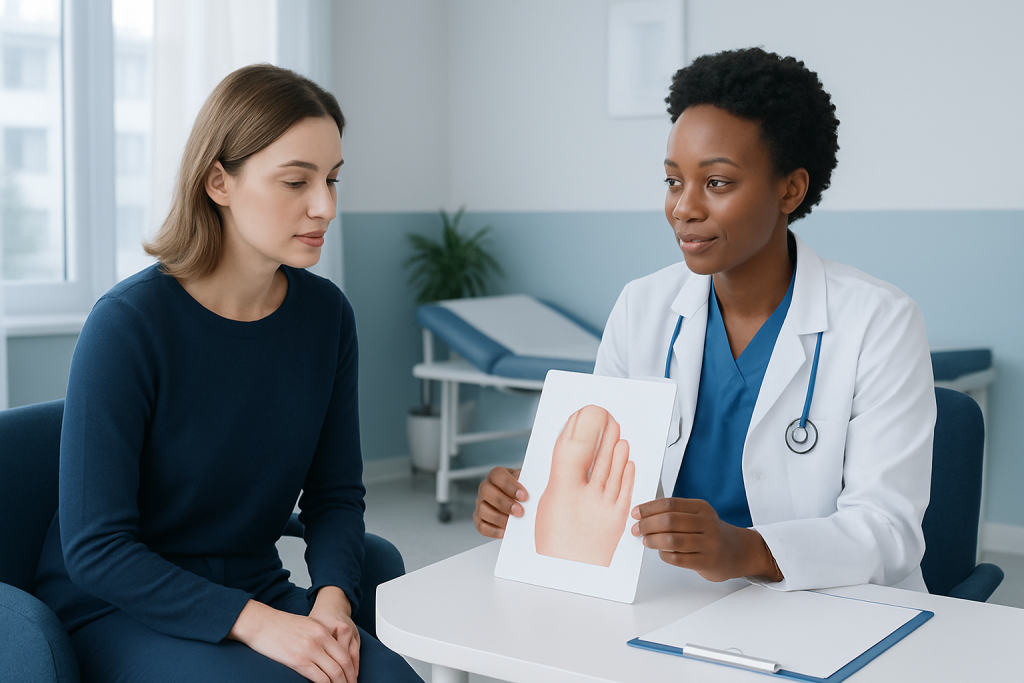
Nail fungus is usually caused by dermatophytes, a group of fungi that thrive in warm, damp environments. Yeasts and molds can also be involved. These organisms enter through tiny cracks in the nail or skin around it, then gradually spread as the nail grows.
Certain situations make infection more likely. Repeated sweating, tight shoes, public locker rooms, nail injury, and shared grooming tools can all create conditions that favor fungal growth. People with athlete’s foot may also spread the infection from skin to nail.
Risk is higher in older adults, people with diabetes, those with reduced circulation, and anyone with a weakened immune system. A history of nail trauma, such as long-distance running or frequent pressure on the toes, can also increase susceptibility.
For international patients planning care, it is useful to know which medicines are being taken and whether there are other health conditions that could affect treatment choice. This helps the clinician select a safe plan and reduce the chance of interactions or incomplete response.
Diagnosis
A careful examination is the first step, but confirming nail fungus often requires testing. The reason is simple: psoriasis, eczema, nail trauma, and some skin conditions can imitate fungal infection. A correct diagnosis helps avoid unnecessary treatment and can improve the chance of success.
Common tests include taking a small sample from the nail or the material underneath it and examining it under a microscope. A laboratory culture or other fungal test may be used to identify the organism more precisely. In selected cases, the doctor may also consider whether another nail disorder is present at the same time.
For patients who are visiting from abroad, bringing a list of current medicines, previous treatments, and any photos showing how the nail has changed over time can be helpful. These details can support a more efficient consultation, especially when time on the ground is limited and follow-up may need to be coordinated after returning home.
Treatment Options
Nail fungus treatment depends on how many nails are affected, how much of the nail is involved, and whether the infection is mild or more established. Because the nail plate is dense and grows slowly, treatment usually takes persistence. Improvement is often measured gradually as healthy nail grows out from the base.
Prescription antifungal medicines are commonly used when the infection is more extensive or persistent. These may include oral medicines, which can work well but require medical review because of possible side effects or interactions with other medicines. Topical treatments are another option, especially for earlier or limited infections, though they often need long-term use.
In some cases, a doctor may recommend trimming and thinning the nail to help treatments penetrate better or to reduce discomfort. For nails that are severely damaged, partial or complete nail removal may be discussed, but this is usually reserved for selected situations rather than routine care.
Supportive care matters too. Addressing athlete’s foot, improving foot hygiene, and treating any skin fungus at the same time can help reduce reinfection. A specialist may also advise on whether a combined approach is best, particularly when several nails are involved or the infection has returned after earlier treatment.
For international patients, treatment planning can be especially practical when it includes clear instructions for what can be done before travel, what needs in-person assessment, and how to monitor progress after returning home. That continuity can make a long treatment course easier to manage.
Prevention & Self-care
Day-to-day habits can make a real difference, both during treatment and after the nail begins to improve. Keeping feet clean and dry is a simple but important step, especially after exercise or time in warm, enclosed shoes. Changing socks regularly and choosing footwear that allows ventilation may also help.
It is wise not to share nail clippers, files, or shoes. Trimming nails straight across and keeping them short can reduce pressure and make them easier to clean. If there is athlete’s foot, treating it promptly can help prevent the fungus from spreading back to the nail.
- Wash and dry feet thoroughly, including between the toes
- Wear breathable shoes and moisture-wicking socks when possible
- Use separate tools for infected nails and disinfect them properly
- Avoid walking barefoot in communal wet areas when feasible
- Trim nails carefully to reduce tearing and trauma
Self-care does not replace treatment when fungus is established, but it supports recovery and lowers the chance of recurrence. Because nails grow slowly, people often benefit from setting realistic expectations and following the plan consistently for several months.
When to See a Doctor
Medical advice is useful when a nail changes color, thickens, becomes painful, or starts to lift from the skin. It is also a good idea to seek assessment if several nails are involved, the nail changes are spreading, or the appearance has not improved after over-the-counter care. A clinician can determine whether fungus is truly present and whether another condition needs attention.
Prompt evaluation is especially important for people with diabetes, poor circulation, or a weakened immune system, because even small foot problems deserve closer monitoring in these groups. If there is redness, swelling, drainage, or increasing pain around the nail, the problem should be reviewed without delay.
Patients who are considering treatment while traveling may benefit from arranging care with enough time for testing, counseling, and a follow-up plan. Acibadem Health Point’s multidisciplinary specialists and JCI-accredited hospitals diagnose and treat nail fungus for international patients, with an approach that supports both in-person treatment and sensible aftercare coordination.
Living With Nail Fungus During Treatment
One of the most important parts of living with nail fungus is understanding that the visible nail may lag behind the treatment itself. Even when the infection is controlled, the nail must grow out before the healthier appearance becomes obvious. That time gap can be discouraging unless it is expected from the start.
Regularly checking the nail for improvement, keeping follow-up appointments, and staying consistent with the prescribed plan can help the process stay on track. If travel is involved, it may be helpful to ask the treating team what changes should be monitored and when a review should happen after returning home. Clear guidance can prevent confusion and unnecessary changes in treatment.
People often do best when treatment is paired with practical routines that fit into everyday life. Choosing shoes that reduce moisture, protecting the feet in communal spaces, and continuing good nail hygiene can all support longer-term success.
Frequently asked questions
How long does nail fungus treatment usually take?
Treatment often takes several months because the nail has to grow out after the infection is controlled. The timeline depends on how many nails are affected and how slowly the nail grows. A doctor can help set realistic expectations based on the specific case.
Can nail fungus go away on its own?
It usually does not fully clear without treatment, especially once the nail has thickened or the infection has spread. In some mild cases it may remain stable for a while, but waiting often allows the problem to become harder to treat. Early evaluation is usually the most practical approach.
Are oral medicines better than topical treatments?
Oral medicines can be more effective for more extensive infections, but they are not the right choice for everyone. Topical treatments may be suitable for limited disease or when oral therapy is not appropriate. A doctor can weigh effectiveness, safety, and the extent of nail involvement.
Is nail fungus contagious?
It can spread from one nail to another or to other people through shared tools, moist surfaces, or contaminated footwear. That said, transmission is not inevitable. Good hygiene and not sharing personal grooming items lower the risk.
What if the nail looks like fungus but the test is negative?
Other conditions can mimic fungal infection, including trauma and inflammatory skin diseases. If testing is negative, the doctor may look for another explanation and adjust the plan accordingly. This is one reason lab confirmation is so valuable before treatment is started.
Can the infection come back after treatment?
Yes, recurrence can happen, especially if the feet stay damp, athlete’s foot is not treated, or shoes and tools are not kept clean. Preventive habits are an important part of long-term control. A clinician can suggest practical steps to lower the chance of it returning.
References
- American Academy of Dermatology
- Mayo Clinic
- Centers for Disease Control and Prevention
- British Association of Dermatologists
This article is for general information only and is not a substitute for professional medical advice. Please consult a qualified doctor about your individual situation.