

Comminuted Fracture: Symptoms, Causes and Treatment

Key Takeaways
- A comminuted fracture means the bone has broken into multiple fragments, often after a high-energy injury.
- Pain, swelling, deformity, and inability to use the limb are common warning signs.
- X-rays and sometimes CT scans help doctors understand how many fragments are present and whether surgery is needed.
- Treatment may include immobilization, surgery, pain control, and structured rehabilitation.
- Healing takes time and follow-up matters, especially for patients traveling for care or returning home after treatment.
Medically reviewed by the Acıbadem clinical team — August 19, 2026
A comminuted fracture is a break in which a bone is shattered into three or more pieces. It usually needs prompt orthopedic assessment, careful imaging, and a treatment plan tailored to the fracture pattern and overall health.
Overview
A comminuted fracture is a type of bone break in which the bone splinters into three or more pieces. The term does not describe one single bone or one single body area; it describes the pattern of the break, which can happen in the arm, leg, wrist, shoulder, pelvis, ribs, or other bones.
Because the bone is divided into several fragments, comminuted fractures are often more complex than a simple clean break. They may result from a car crash, fall from height, sports collision, crush injury, or other forceful trauma. In some people, weaker bone from osteoporosis or certain medical conditions can make a fracture more likely, even after a less dramatic injury.
For patients and families, the first concern is usually pain and loss of function, but the bigger picture is also important: the number of fragments, whether the skin is broken, whether nearby blood vessels or nerves are affected, and how stable the bone is. These details shape the treatment plan and the expected recovery path.
Symptoms
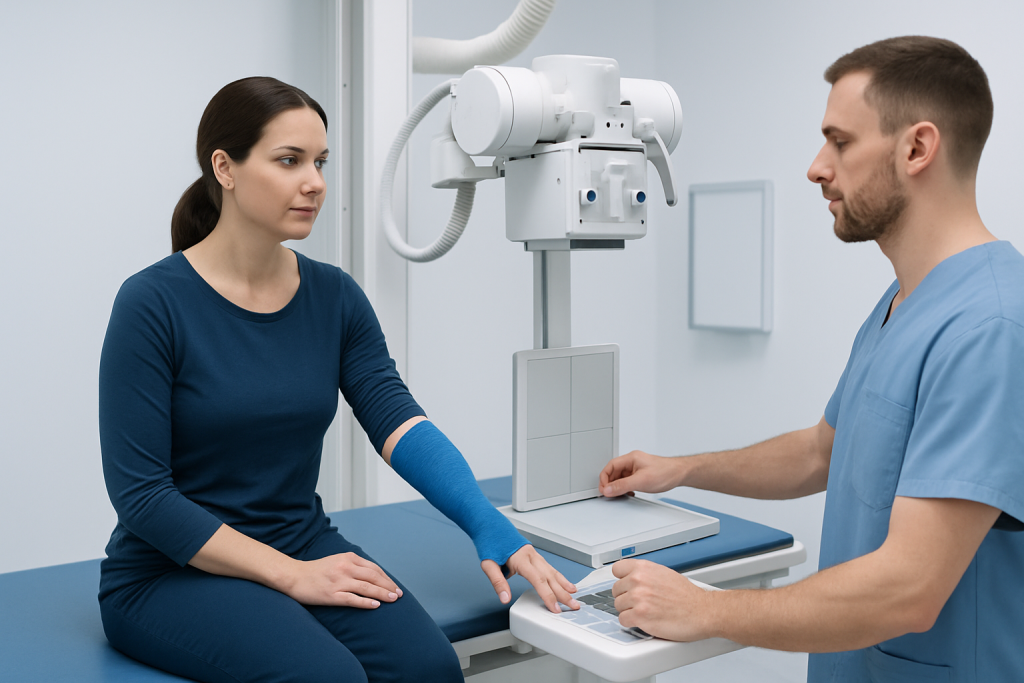
The symptoms of a comminuted fracture often appear suddenly after the injury. Severe pain is common, especially when trying to move the injured part or bear weight. Swelling, bruising, and tenderness usually develop quickly, and the area may look crooked, shortened, or unusually shaped.
People may also notice a grinding sensation, an inability to use the limb normally, or a feeling that the bone is unstable. If the fracture is near a joint, movement may be sharply limited. In an open fracture, where bone or deep tissue is exposed through the skin, there is a higher risk of infection and the injury needs urgent care.
Some symptoms deserve prompt attention because they can suggest damage beyond the bone itself. Numbness, tingling, pale or cold skin, severe swelling, or pain that is rapidly worsening can point to nerve, blood vessel, or circulation problems. These are important to report immediately.
Causes & Risk Factors
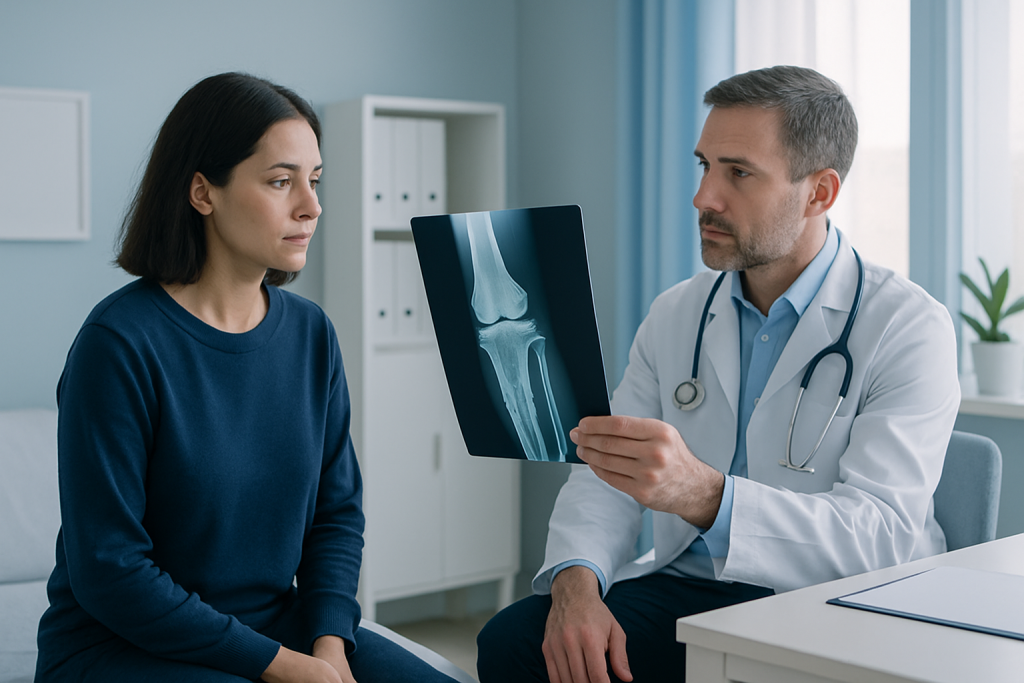
Comminuted fractures are usually caused by a strong direct force. High-speed traffic accidents, falls from a significant height, industrial injuries, and contact sports can all create enough energy to shatter a bone into several pieces. Crush injuries and severe twisting injuries may also do so, depending on the bone involved.
Certain factors can make a comminuted fracture more likely or make healing more complicated. Older age, osteoporosis, low bone density, repeated steroid use, smoking, poor nutrition, and some chronic illnesses can reduce bone strength. People who have had a prior fracture in the same area or who perform high-risk activities without proper protection may also face added risk.
The exact cause matters because it helps doctors decide whether hidden injuries may be present. A high-energy accident can injure muscles, ligaments, joints, nerves, and blood vessels at the same time, so the fracture is only one part of the overall assessment.
Diagnosis
Diagnosis begins with a careful history and physical examination. The doctor will ask how the injury happened, where the pain is located, whether the person can move or bear weight, and whether there are numbness or circulation concerns. The skin is checked for wounds, swelling, and signs that the injury may be open.
X-rays are the first imaging test in most cases and usually show the fracture clearly. When the break is complex, a CT scan may be ordered to map the fragments more precisely and help plan treatment, especially if the fracture involves a joint surface or multiple planes of the bone. In some situations, additional imaging is used to check for associated soft tissue injury.
Because comminuted fractures can affect more than the bone itself, doctors also examine the surrounding area carefully. They may test pulse, sensation, movement, and skin color. This broader evaluation helps identify injuries that need urgent attention and helps determine whether surgery or conservative treatment is the best path.
Treatment Options
Treatment depends on where the fracture is, how many pieces are involved, whether the bone is aligned, and whether the surrounding tissues are injured. In some stable cases, a cast, brace, or splint may be enough to keep the bone in position while it heals. More often, however, comminuted fractures require surgery because the fragments are difficult to hold in place with simple immobilization alone.
Surgical options may include internal fixation with plates, screws, rods, or pins. The goal is to restore alignment and stability so the bone can heal in a functional position. In certain severe injuries, especially when the bone is badly fragmented or the soft tissues need time to recover, external fixation may be used temporarily or as part of the treatment plan.
Pain control, elevation, ice when appropriate, and protection of the injured area are usually part of early care. If the skin is broken, wound care and infection prevention become especially important. After the bone is stable enough, rehabilitation begins to restore range of motion, strength, balance, and confidence with movement.
- Immobilization: cast, splint, or brace for selected fractures
- Internal fixation: plates, screws, rods, or pins to hold fragments together
- External fixation: a frame outside the body for stabilization in complex cases
- Rehabilitation: guided exercises and functional recovery after healing begins
Recovery and Rehabilitation
Recovery from a comminuted fracture often takes longer than recovery from a simpler break. The bone needs time to knit together, and nearby muscles and joints may become stiff while the limb is protected. The pace of healing depends on the location of the fracture, the quality of blood supply, the person’s overall health, and whether surgery was needed.
Rehabilitation is not simply an optional add-on. It is the bridge between bone healing and return to normal use. A physiotherapist or rehabilitation team may guide gentle motion first, then progress to strengthening, balance, coordination, and task-specific training. For patients who travel abroad for treatment, follow-up planning is especially important so care can continue smoothly after returning home.
It is also common for the doctor to schedule repeat imaging or clinic visits to make sure alignment is maintained and healing is progressing. If hardware was placed, the team may monitor for irritation, infection, or signs that the bone is not healing as expected. Clear instructions about weight bearing, activity limits, and warning signs help make recovery safer.
Prevention & Self-care
Not every comminuted fracture can be prevented, especially those caused by sudden accidents. Still, bone health and injury prevention can reduce risk. Regular weight-bearing activity, adequate nutrition, and treatment of osteoporosis or other bone-weakening conditions can support stronger bones over time.
Practical safety habits also matter. Wearing seat belts, using protective gear in sports, checking home fall hazards, and following workplace safety rules can lower the chance of severe trauma. For older adults, vision checks, balance exercises, and medication reviews may help reduce falls.
After a fracture, self-care is about protecting the injury and following the plan closely. That means keeping immobilization devices in place as directed, attending follow-up appointments, not returning to activity too soon, and asking the doctor before using any medicine or supplement that could affect healing. Patients traveling for care may also want to keep copies of imaging, operative notes, and rehabilitation instructions in an organized file for future visits.
When to See a Doctor
Any suspected comminuted fracture should be evaluated promptly. The more severe the pain, swelling, deformity, or loss of function, the sooner the person should seek medical care. Even when the injury seems “just a bad sprain,” a fracture can be present and needs imaging to confirm it.
Immediate medical attention is especially important if the bone may be exposed, the fingers or toes become pale or cold, numbness develops, or pain becomes severe and unrelenting. These signs can indicate circulation, nerve, or soft tissue problems that should not wait.
People recovering after treatment should contact their doctor if redness, fever, drainage, increasing swelling, new deformity, or sudden loss of movement appears. For international patients, a coordinated orthopedic team can help with diagnosis, surgery when needed, and planned follow-up; Acibadem Health Point’s multidisciplinary specialists and JCI-accredited hospitals provide this type of care for international patients.
Frequently asked questions
What makes a comminuted fracture different from other fractures?
A comminuted fracture means the bone has broken into three or more pieces. Other fractures may be a single clean break, a crack, or a break with different patterns of displacement.
Is surgery always needed for a comminuted fracture?
Not always, but many comminuted fractures need surgery because the fragments are difficult to stabilize with a cast alone. The decision depends on the fracture location, alignment, soft tissue injury, and overall stability.
How long does recovery usually take?
Recovery varies widely depending on the bone involved, the severity of the break, and whether surgery was needed. Healing often takes weeks to months, and rehabilitation may continue after the bone itself has started to mend.
Can a comminuted fracture heal without complications?
Yes, many do heal well with timely treatment and follow-up. Complications are less likely when the fracture is properly stabilized and the person follows rehabilitation and activity guidance carefully.
What should a person do right after the injury?
The injured area should be kept still and protected, and medical care should be sought promptly. If the bone may be open, there is numbness, or the limb looks pale or cold, urgent evaluation is especially important.
Can someone travel after a comminuted fracture?
Travel may be possible, but it depends on the treatment phase and the doctor’s advice. People who receive care abroad should plan follow-up before leaving and carry all imaging and treatment records with them.
References
- American Academy of Orthopaedic Surgeons
- Mayo Clinic
- National Institute of Arthritis and Musculoskeletal and Skin Diseases
- World Health Organization
This article is for general information only and is not a substitute for professional medical advice. Please consult a qualified doctor about your individual situation.
Joint and spine care in Turkey — expert assessment & treatment
JCI-accredited · board-certified surgeons · reply within 24h
Add us as a Preferred Source to see more of our trusted health content across Google Search, AI Overviews and Discover.
More from the Health Library



Related Specialists

Prof. Dr. Ahmet Alanay
Orthopedic Surgery & Traumatology
Dr. Sinan Aksu
Orthopedic Surgery & Traumatology
Dr. Sirri Baştürk
Orthopedic Surgery & Traumatology
Prof. Dr. Korhan Özkan
Orthopedic Surgery & Traumatology