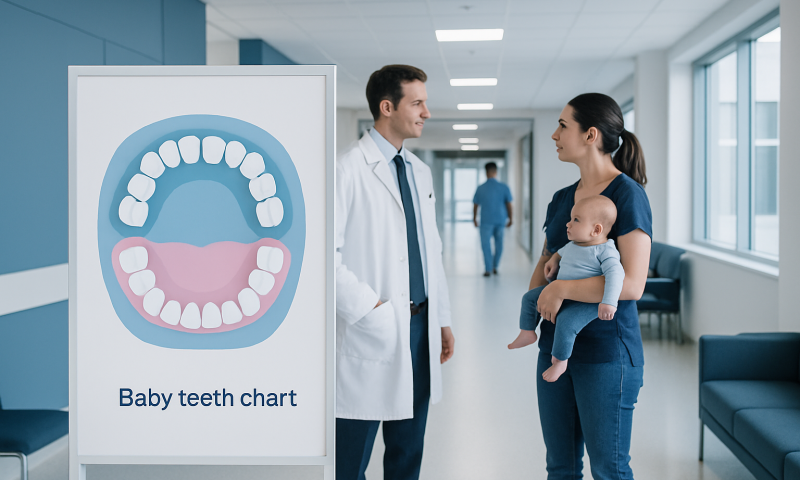
Canine Teeth

Key Takeaways
- Canine teeth play an important role in tearing food and guiding the bite.
- Pain, swelling, or delayed eruption of a canine tooth should be assessed by a dentist.
- Impacted canines are often found with dental exams and imaging.
- Treatment may include monitoring, orthodontics, or minor oral surgery depending on the cause.
- Good oral hygiene and regular checkups support healthy tooth development and alignment.
Canine teeth are the pointed teeth that help guide biting, tearing, and jaw alignment. When they are painful, crowded, or impacted, a dental evaluation can help protect long-term oral health and comfort.
Overview
Canine teeth are the pointed teeth on either side of the upper and lower front teeth. Because of their shape and position, they help the mouth do more than simply chew. They support the bite, guide the jaw as it closes, and help keep nearby teeth aligned over time.
In many people, canine teeth erupt without difficulty during childhood or adolescence. In others, a canine may come in late, emerge in the wrong position, or remain trapped in the jawbone or gum tissue. These situations are often manageable, but they are worth attention because canine teeth influence both function and appearance.
For international patients seeking care, canine-tooth problems are usually evaluated in a straightforward way: a dental history, examination, and imaging if needed. From there, a treatment plan can be tailored to the person’s age, tooth position, and overall oral health.
Symptoms
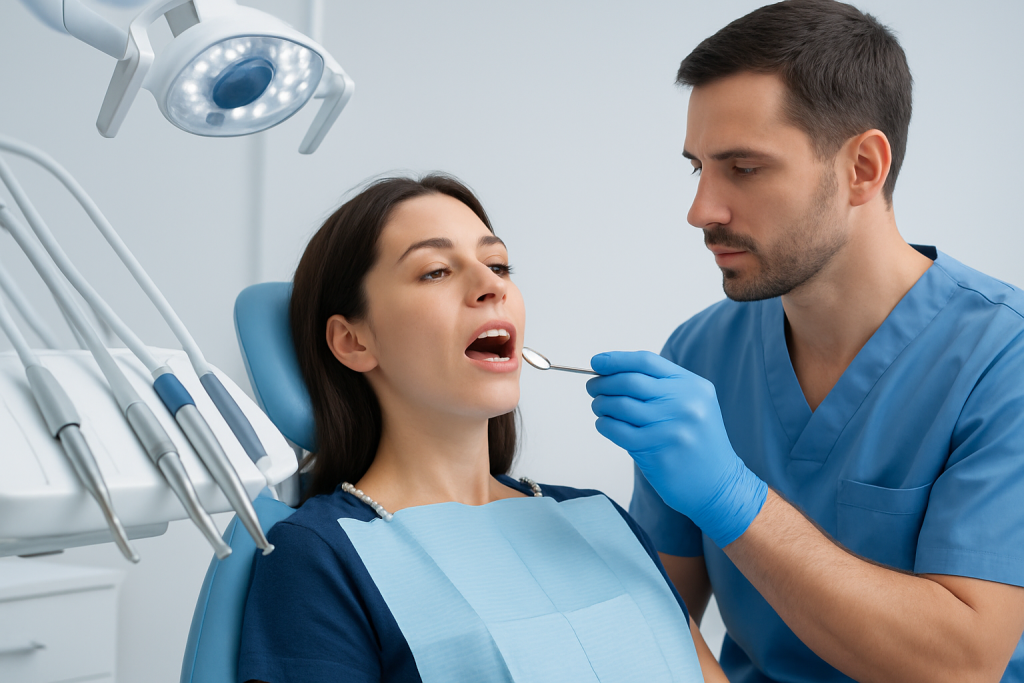
Some canine tooth problems are obvious, while others are discovered during a routine dental visit. A child or adult may not always feel pain right away, especially if the tooth is still buried under the gums. Even so, certain signs can suggest that a canine needs assessment.
Common symptoms include:
- Pain or tenderness near the front of the mouth
- Swelling or redness of the gums
- A tooth that appears delayed, out of line, or absent
- Difficulty biting or a bite that feels “off”
- Food trapping or irritation around the tooth area
- Pressure, crowding, or shifting of nearby teeth
In some cases, a retained baby canine or an impacted adult canine may not cause discomfort at all. That is one reason regular dental monitoring is helpful, especially during the years when permanent teeth are expected to erupt.
Causes & Risk Factors
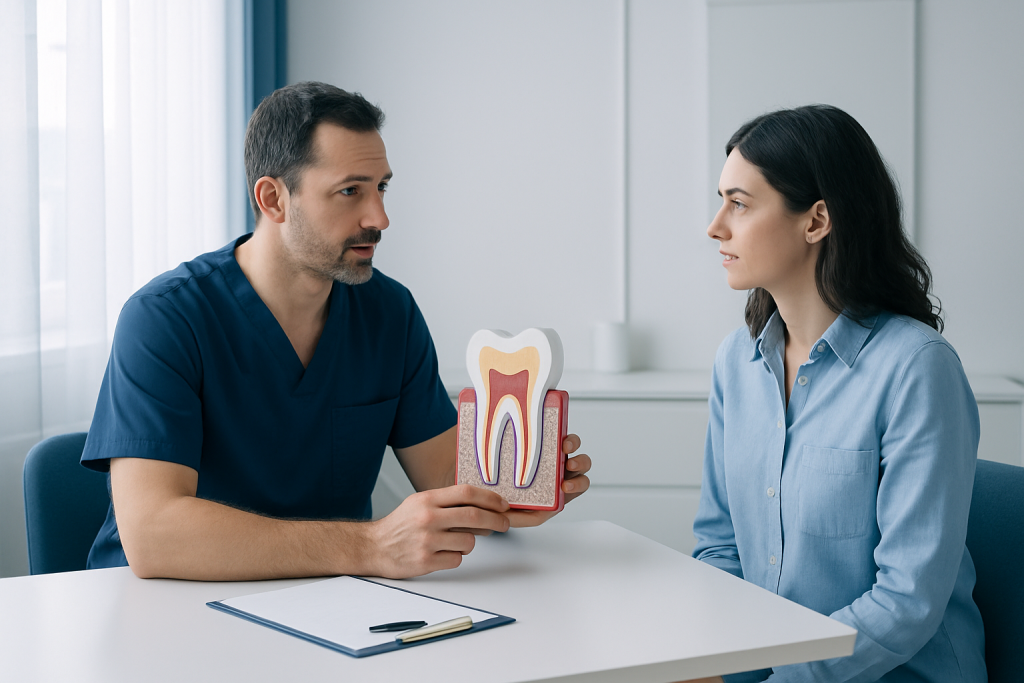
Canine teeth can be affected by several factors, and the cause is often related to space, timing, or tooth position. The upper canines are especially important because they usually erupt later than many other permanent teeth, which gives them a longer window to be redirected if there is crowding or blockage.
Possible causes and risk factors include:
- Lack of space in the dental arch
- Delayed eruption of the permanent tooth
- Retained baby teeth that do not fall out on time
- Extra teeth, cysts, or other obstructions
- Genetic tendency toward crowding or alignment issues
- Prior trauma to the mouth or developing tooth buds
Children with narrow arches, crowding, or a family history of impacted teeth may be more likely to need early monitoring. Adults can also discover a canine problem later in life if the tooth was never fully erupted or if shifting teeth changed the bite over time.
Diagnosis
Diagnosis begins with a careful look at the teeth, gums, and bite. A dentist or orthodontist will often ask when the problem was first noticed, whether the tooth is painful, and whether any baby teeth are still present. These details help narrow down whether the issue is eruption-related, alignment-related, or both.
Dental imaging is commonly used when a canine tooth is missing from its expected position or seems stuck under the gums. X-rays can show where the tooth lies, whether it is angled toward neighboring teeth, and whether it is blocked by another structure. In some cases, more detailed imaging may be helpful for planning treatment.
For patients traveling from another country, it is useful to bring previous dental records, panoramic X-rays, or orthodontic notes if available. That can reduce repetition and help the care team move more efficiently from assessment to treatment planning.
Treatment Options
Treatment depends on whether the canine is simply delayed, partially erupted, impacted, or causing bite problems. Some teeth only need observation, especially if they are still developing and there is enough room for them to come in naturally. In other cases, the tooth may need active guidance.
Common treatment approaches include:
- Monitoring: Regular checkups and imaging to watch eruption progress
- Orthodontic treatment: Braces or aligners to create space and guide the canine into place
- Extraction of a baby tooth: If a retained primary tooth is blocking eruption
- Minor oral surgery: To expose an impacted canine so it can be moved orthodontically
- Tooth replacement planning: In selected cases, if the impacted tooth cannot be saved or positioned appropriately
The best choice depends on age, bone and gum health, the direction of the tooth, and whether nearby roots are affected. A coordinated approach between a dentist, orthodontist, and oral surgeon is often the most efficient path, especially when care needs to be organized around travel and follow-up visits.
When treatment is planned in stages, patients may need to return for adjustments or monitoring over time. This is normal and helps protect both the affected canine and the neighboring teeth.
Prevention & Self-care
Not every canine-tooth problem can be prevented, because some are tied to genetics or natural tooth development. Still, good early care can make a meaningful difference. The goal is to spot changes while the jaw and teeth are still developing, when there may be more options to guide eruption.
Helpful habits include:
- Regular dental checkups during childhood and adolescence
- Reporting delayed tooth eruption early
- Keeping baby teeth healthy so they fall out on schedule
- Using consistent brushing and flossing to reduce gum inflammation
- Following orthodontic advice if crowding is already present
After treatment, self-care focuses on protecting the healing area and preserving alignment. This may include gentle oral hygiene, soft foods for a short period after surgery, and careful use of retainers or appliances as prescribed. Patients traveling home after treatment should ask for clear written instructions and a follow-up plan they can continue with a local dentist if needed.
When to See a Doctor
A dental visit is advisable if a canine tooth is painful, swollen, unusually delayed, or missing from its expected position. It is also sensible to seek evaluation if a child’s permanent teeth are coming in unevenly or if a baby canine remains in place longer than expected. Early assessment often opens up more treatment choices.
Prompt attention is especially important if there is facial swelling, fever, trouble opening the mouth, or severe pain, as these can signal a more urgent dental problem that needs timely care. Even without urgent symptoms, a missing or impacted canine should not be ignored, because delayed treatment can affect surrounding teeth and bite function.
For people considering care abroad, a pre-travel consultation and a realistic follow-up plan can make treatment much smoother. Acibadem Health Point’s multidisciplinary specialists and JCI-accredited hospitals can diagnose and treat canine-tooth conditions for international patients, with care coordinated across dentistry and oral surgery when appropriate.
Living Well with Canine Tooth Problems
Canine tooth concerns are usually manageable, especially when they are identified early. Many patients are relieved to learn that an impacted or misaligned canine does not automatically mean a major procedure; sometimes careful observation or orthodontic guidance is enough.
What matters most is matching the plan to the tooth’s position and the patient’s overall dental health. A thoughtful evaluation can protect neighboring teeth, improve comfort, and support a stable bite for the long term.
Because treatment pathways can differ from one country to another, patients often benefit from a team that explains each step clearly, including recovery, appliance care, and follow-up timing. That kind of guidance can make dental treatment feel more predictable, even when it begins far from home.
Frequently asked questions
What are canine teeth used for?
Canine teeth help tear food and guide the bite as the jaw closes. They also support the alignment of nearby teeth by helping direct how the upper and lower teeth meet.
Why would a canine tooth not come in?
A canine may be delayed or impacted because there is not enough space, a baby tooth has not fallen out, or another tooth or structure is blocking its path. Genetics and crowding can also play a role.
Is an impacted canine always painful?
No. Some impacted canines cause no pain and are only found on dental X-rays. That is why regular checkups are important, especially when permanent teeth are still erupting.
How are impacted canine teeth treated?
Treatment may involve monitoring, orthodontic space creation, removing a baby tooth, or minor surgery to expose the tooth. The right approach depends on the tooth’s position, age, and the condition of surrounding teeth.
Can adults still treat canine tooth problems?
Yes. Adults can still receive orthodontic or surgical treatment, although the plan may be different from a child’s. A dentist or orthodontist can explain what is most realistic based on the tooth’s position and overall oral health.
When should someone worry about canine tooth pain?
Canine tooth pain should be checked if it is persistent, associated with swelling, or affecting biting and eating. Sudden facial swelling, fever, or severe pain deserves prompt dental evaluation.
References
- American Dental Association
- Mayo Clinic
- National Institute of Dental and Craniofacial Research
- British Dental Journal
This article is for general information only and is not a substitute for professional medical advice. Please consult a qualified doctor about your individual situation.