Baby Teeth Chart

Key Takeaways
- Baby teeth usually appear in a predictable order, but timing can vary from child to child.
- The first teeth often erupt around the lower front gums, followed by the upper front teeth and then the side teeth and molars.
- Teething can cause mild discomfort, but fever, significant swelling, or poor feeding should not be dismissed as normal teething.
- Daily brushing with a child-appropriate toothbrush and regular dental visits help protect primary teeth from decay.
- If teeth are very delayed, appear in an unusual pattern, or seem painful or infected, a pediatric dentist should evaluate the child.
A baby teeth chart gives parents a simple way to follow how primary teeth usually emerge in early childhood. It can help them understand normal timing, spot patterns that deserve a checkup, and support daily oral care from the first tooth onward.
Overview: What a baby teeth chart shows
A baby teeth chart, sometimes called a primary teeth chart, maps the usual order in which a child’s first teeth appear. It is a practical reference for parents who want to understand what is happening in the mouth during the first years of life, especially when new teeth seem to arrive all at once or not at all for a while.
Most children begin teething in infancy, although the exact timetable can differ. A chart is not a rigid deadline; it is a guide that shows the typical sequence and approximate age range. That makes it easier to tell the difference between ordinary variation and a pattern that deserves attention from a pediatric dentist.
The first set of teeth is important even though it is temporary. These teeth help a child chew, speak, and hold space for the permanent teeth that will come later. For families traveling for pediatric dental care, understanding the chart before the appointment can make conversations with the dentist more focused and reassuring.
Typical eruption order and age ranges
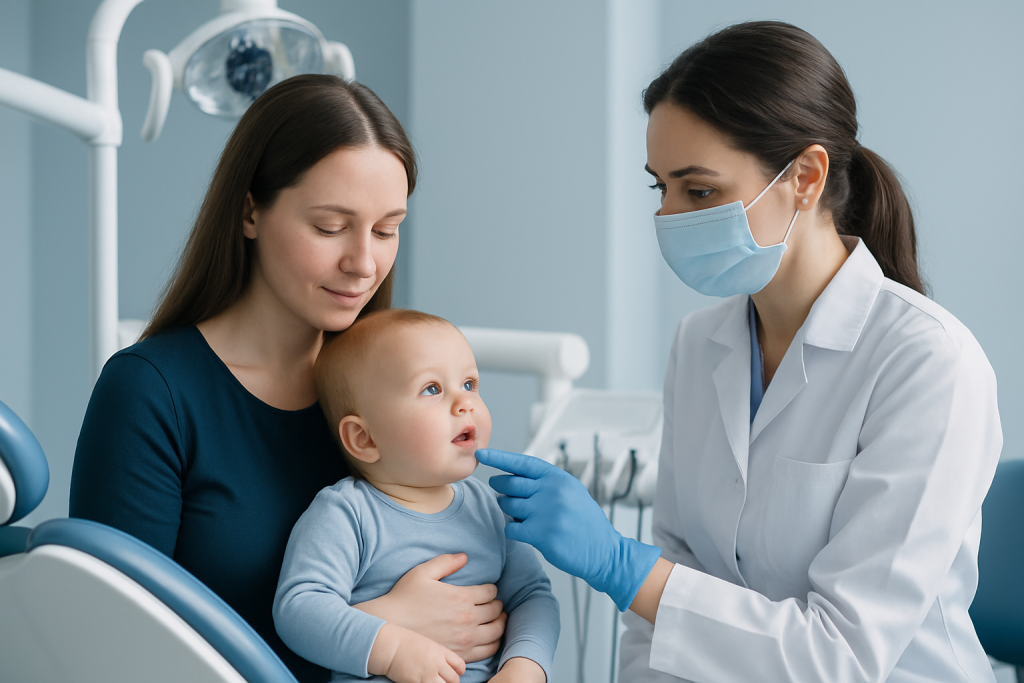
Baby teeth usually emerge in a familiar pattern. In many children, the lower central incisors are the first to appear, followed by the upper central incisors. From there, the lateral incisors, first molars, canines, and second molars tend to arrive over the next few years.
Because children develop at different speeds, the chart should be read as a range rather than a promise. Some children cut their first tooth a little earlier, while others stay toothless longer and still develop normally. What matters most is the overall pattern, symmetry, and whether the child is thriving and comfortable.
A simple way to think about the baby teeth chart is in stages:
- Front teeth first: usually the lower central incisors, then the upper central incisors.
- Side teeth next: the lateral incisors help widen the smile.
- Chewing teeth follow: the first molars make a major difference in eating.
- Canines and second molars last: these fill out the baby tooth set before school age.
By the time a child is around three years old, most primary teeth are present, though again the exact timing is individual.
Signs of teething and what parents may notice

Teething can look different from one child to another. Some children seem only mildly bothered, while others become fussier for a few days around the time a tooth breaks through the gum. Common signs include drooling, chewing on fingers or toys, swollen gums, irritability, and disrupted sleep.
It is helpful to remember that teething is a local gum process, not a whole-body illness. A child may have some discomfort, but persistent high fever, vomiting, diarrhea, rash, or marked lethargy should prompt a separate medical evaluation rather than being labeled as teething.
Parents sometimes notice a bluish or translucent bump on the gum, which can be a harmless eruption cyst. If the area looks very red, is bleeding heavily, or the child seems in significant pain, a dentist can check whether another issue such as infection, trauma, or an eruption problem is present.
Why some baby teeth arrive early, late, or out of sequence
Variation in tooth eruption is common. Family pattern can play a role, so a child who teethed late may have a parent or sibling with a similar history. General growth, birth history, nutrition, and certain medical conditions can also influence timing.
Sometimes a tooth appears earlier or later than expected without any underlying problem. In other cases, delayed eruption can be associated with missing teeth, extra teeth, crowding, endocrine conditions, or syndromes that affect growth and development. Early eruption can also occur, though it is less common and usually needs only observation if the tooth is stable.
Parents do not need to measure every tooth against the chart minute by minute. What is more useful is noticing whether the child’s teeth are developing in a broadly coordinated way, whether both sides of the mouth look similar, and whether oral symptoms are interfering with eating or comfort.
How pediatric dentists diagnose tooth eruption concerns
When a child’s teeth seem delayed or unusual in appearance, a pediatric dentist usually begins with a careful history and mouth examination. The clinician may ask when the first tooth appeared, whether any teeth are loose or painful, and whether there is a family history of late eruption or missing teeth.
If needed, dental X-rays can show whether tooth buds are present under the gums and whether a tooth is blocked, missing, or positioned in a way that could slow eruption. Imaging is chosen only when it adds value, and it is especially helpful when parents are trying to understand why the pattern does not match the baby teeth chart.
The evaluation may also include a look at facial growth, bite alignment, and gum health. In some cases, the dentist may recommend a pediatrician’s input if there are signs that a broader medical issue could be affecting development.
Supportive treatment and daily care
There is no single treatment for ordinary teething, because most eruption discomfort settles on its own. Gentle comfort measures are usually enough: a clean, cool teething ring, a soft gum massage with a clean finger, and extra patience during sleepy or fussy periods. Parents should avoid teething products that are unsafe for infants or that contain unapproved numbing ingredients.
Once the first tooth appears, oral hygiene should begin. A soft infant toothbrush with a tiny smear of fluoride toothpaste, used as advised by the child’s dentist or pediatrician, can help protect enamel from early decay. If a child drinks milk or formula at night, parents should ask about ways to reduce prolonged sugar exposure to the teeth.
If there is delayed eruption, crowding, or a tooth that seems trapped, treatment depends on the cause. A pediatric dentist may simply monitor the child over time, or may suggest further evaluation if the eruption pattern is linked to spacing issues, retained primary teeth, or another dental concern. For families seeking care while abroad, multidisciplinary teams can coordinate pediatric dentistry with pediatric medicine when needed so that follow-up is easier to manage after returning home.
Prevention and self-care at home
The baby teeth chart is most useful when it is paired with daily habits that protect the teeth as they come in. A newborn does not need toothpaste, but a child with teeth does need regular cleaning. Parents can make brushing part of the bedtime rhythm early, before resistance becomes a habit.
Healthy routines also include limiting sugary drinks, avoiding bottle use in bed, and beginning dental checkups at the age recommended by the child’s dentist or local guidelines. These visits help catch cavities, gum problems, and eruption concerns before they become complicated.
Practical home care tips include:
- Use a soft, age-appropriate toothbrush.
- Brush twice daily once teeth are present.
- Offer safe teething relief, not hard objects that could injure the gums.
- Keep pacifiers and toys clean.
- Watch for signs that a tooth may be painful, decayed, or slow to emerge.
When to see a doctor or pediatric dentist
Parents should seek professional advice if no teeth have appeared by about the end of the first year, if teeth erupt in a highly unusual pattern, or if one side of the mouth develops very differently from the other. A dental check is also sensible when a tooth appears to be blocked, the gums look infected, or a baby seems unable to eat comfortably.
Medical review is important if the child has other concerns alongside delayed teeth, such as poor growth, developmental delays, bone problems, or frequent illnesses. These findings do not automatically point to a serious condition, but they can help the clinician decide whether extra evaluation is needed.
If a family is traveling for care, a pediatric dentist can often provide a clear plan before the visit ends, including what to monitor at home and when to book the next follow-up. Acibadem Health Point’s multidisciplinary specialists and JCI-accredited hospitals diagnose and treat pediatric dental concerns for international patients with coordinated, family-centered care.
Frequently asked questions
What is a baby teeth chart used for?
A baby teeth chart shows the usual order and timing of primary tooth eruption. It helps parents understand what is typical and recognize when a child may need a dental checkup.
Is it normal if my baby’s first tooth comes late?
Yes, some healthy children get their first tooth later than others. Timing can vary widely, but if no teeth have appeared by around 12 months, it is reasonable to ask a pediatric dentist or doctor to assess the child.
Which baby teeth usually come in first?
The lower front teeth, called the lower central incisors, often appear first. Upper front teeth usually follow soon after, though the order can vary from child to child.
Does teething cause fever or diarrhea?
Teething may cause fussiness, drooling, and gum discomfort, but it does not usually cause significant fever or digestive illness. If those symptoms are present, the child should be evaluated for another cause.
How can parents soothe teething discomfort safely?
A cool teething ring, gentle gum massage, and extra comfort often help. Parents should avoid unsafe remedies or products that are not recommended for infants.
When should a child have a dental visit for baby teeth?
A child should see a dentist when the first tooth appears or by the age recommended by the child’s dental professional. Early visits help establish preventive care and allow the dentist to monitor eruption patterns.
References
- American Academy of Pediatric Dentistry
- American Dental Association
- Mayo Clinic
- Nemours KidsHealth
- NHS
This article is for general information only and is not a substitute for professional medical advice. Please consult a qualified doctor about your individual situation.