Can You Get Dental Implants If You Have Bone Loss? What Surgeons Check First

Key Takeaways
- Bone loss does not always prevent dental implants, but it may require extra planning or bone-building treatment.
- Surgeons usually assess bone height, width, density, gum health, and the position of nearby nerves or sinuses before recommending implants.
- Options may include bone grafting, sinus lift procedures, smaller implants, or alternative tooth-replacement plans.
- Good oral hygiene, gum disease treatment, and smoking cessation can improve long-term implant success.
- A qualified dental team can decide whether implants are feasible now or after preparatory treatment.
Medically reviewed by the Acıbadem clinical team — June 13, 2026
Bone loss in the jaw does not automatically rule out dental implants, but it does change the planning process. Surgeons first check bone volume, bone quality, gum health, bite forces, and overall medical factors to choose a safe and stable approach.
Overview
Tooth loss can gradually change the shape of the jaw, especially when a missing tooth has not been replaced for some time. As the bone no longer receives the stimulation it once got from chewing, it may shrink in height or width. That is why people who are considering implants after years of tooth loss are often told that the first question is not “Can an implant be placed?” but “What kind of bone is available to support it?”
Dental implants are designed to act like artificial tooth roots, so they need a solid foundation. Bone loss does not automatically mean implants are impossible. In many cases, a surgeon can still create a plan using bone grafting, sinus elevation, shorter implants, angled placement, or a staged approach that rebuilds support before the implant is inserted.
For international patients, this planning stage is especially important because it determines whether treatment can happen in one visit or whether healing time will be needed between procedures. A careful pre-treatment evaluation helps make the journey safer, more predictable, and better matched to the patient’s long-term goals.
Symptoms
Bone loss in the jaw is often not painful at first, which is one reason it may go unnoticed until a person seeks dental restoration. Common signs can include loose dentures, changes in facial shape, shifting teeth, or difficulty chewing certain foods. Some people also notice that their bite feels different, or that their gums seem to have receded around nearby teeth.
When bone loss is more advanced, the lower face may appear less supported, and the lips or cheeks may look slightly sunken. These changes can affect comfort, speech, and confidence, especially after multiple missing teeth. Even so, the visible symptoms do not always show the full picture; only a clinical exam and imaging can reveal how much support remains for implants.
It is also possible for someone to have no obvious symptoms while still having significant bone thinning beneath the gumline. That is why a person who is interested in implants after tooth loss should be evaluated even if the mouth feels otherwise stable.
Causes & Risk Factors

The most common cause of jawbone loss is missing teeth. Once a tooth root is gone, the surrounding bone may gradually resorb because it is no longer being stimulated during biting and chewing. The longer a tooth has been absent, the more likely some degree of bone change has occurred.
Other factors can make bone loss more likely or more severe. Advanced gum disease is a major one, because infection and inflammation can damage the tissues that anchor teeth and support the jaw. Ill-fitting dentures, smoking, uncontrolled diabetes, certain medications, and a history of trauma or jaw surgery may also influence bone quality and healing.
Some people develop bone loss in specific areas that matter greatly for implant planning, such as the upper back jaw near the sinus cavity or the lower jaw close to the nerve canal. In these situations, surgeons look not only at how much bone exists, but also at where it sits in relation to nearby structures that must be protected during treatment.
Diagnosis
The evaluation usually begins with a detailed history and a careful examination of the mouth, gums, and remaining teeth. The dental team asks about when teeth were lost, whether dentures are worn, and whether there has been prior periodontal treatment, smoking history, diabetes, or past dental surgery. These details help predict how the bone may respond to treatment.
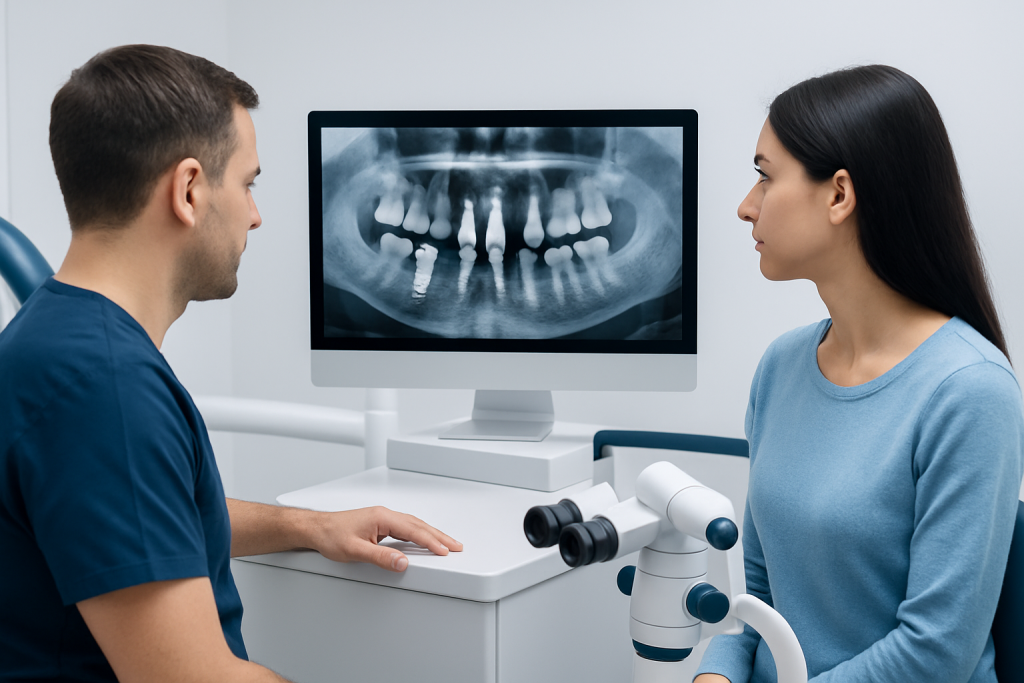
Imaging is the next critical step. Panoramic X-rays may provide a broad overview, while cone beam CT scans give a more precise three-dimensional view of bone height, width, and density. That scan can also show the position of the sinus cavities, nerve pathways, and neighboring teeth, allowing the surgeon to judge whether standard implants are possible or whether preparatory treatment is needed.
Surgeons also assess the gums and bite. Healthy gum tissue, enough room for the final crown, and manageable bite forces all influence whether implants are likely to last. In some cases, the dental team may recommend treating gum disease first, adjusting a bite, or replacing failing teeth before moving forward with implant surgery.
Treatment Options
If bone support is reduced, the treatment plan is often customized rather than abandoned. One common approach is bone grafting, in which material is added to the deficient area to encourage new bone formation over time. Depending on the case, the graft may be placed at the same time as the implant or during an earlier procedure that allows healing before implant placement.
In the upper jaw, a sinus lift may be recommended when the sinus cavity sits too close to the intended implant site. This procedure gently creates space and adds bone beneath the sinus floor. In the lower jaw, careful implant positioning may be used to avoid the nerve canal while still achieving secure support.
Sometimes smaller-diameter or shorter implants may be suitable if there is limited bone, provided the overall design remains stable. In other situations, the surgeon may suggest placing fewer implants to support a bridge or full-arch restoration, or they may recommend a different type of prosthetic solution if bone loss is too extensive for safe implant placement.
The best option depends on the individual’s anatomy, oral health, medical background, and willingness to complete staged treatment. For patients traveling from abroad, this may also involve planning how much of the work can be done during one stay, what healing time is needed, and how follow-up will be coordinated once they return home.
Prevention & Self-care
Protecting the bone that remains is just as important as planning the implant itself. Treating gum disease early, replacing missing teeth in a timely way, and keeping regular dental checkups can help reduce further bone change. A healthy mouth gives implants a better chance of integrating well and staying stable over time.
Good daily hygiene matters before and after treatment. Brushing gently but thoroughly, cleaning between teeth or around dentures, and following the dentist’s instructions for rinsing or cleaning implant sites can support healing. If dentures are worn, they should fit properly, because chronic rubbing and pressure can contribute to discomfort and tissue irritation.
General health also plays a role. Stopping smoking, keeping blood sugar under control, and discussing medications or medical conditions with the dental team can improve healing conditions. Patients who are preparing for treatment abroad may also want to arrange a local dentist for future maintenance, since implant care continues long after the surgery itself.
When to See a Doctor
A dental consultation is a good idea whenever a person has missing teeth and is interested in implants, even if the tooth loss happened long ago. The earlier the jaw is assessed, the more treatment choices are usually available. Waiting can allow bone loss to progress, which may make treatment more complex.
It is especially important to seek evaluation if dentures no longer fit well, gums are frequently swollen or bleeding, teeth are loosening, or chewing has become difficult. These can be signs of active gum disease or ongoing bone change that should be addressed before implants are considered.
If a patient is traveling internationally for care, the pre-travel consultation should include a clear plan for imaging, surgery, healing time, and follow-up. At Acibadem Health Point, multidisciplinary specialists and JCI-accredited hospitals support diagnosis and treatment for international patients, helping coordinate care in a structured and patient-centered way.
Recovery and Long-Term Outlook
Recovery depends on whether the treatment involved implant placement alone or implant surgery plus bone grafting or sinus elevation. When bone work is added, healing usually takes longer because the body needs time to build a stable foundation. During this period, the dental team may recommend softer foods, careful oral hygiene, and follow-up visits to monitor progress.
Long-term success depends on stability, gum health, and maintenance. Once an implant is integrated, it still needs regular cleaning and professional review, just like natural teeth need ongoing care. People with a history of gum disease or bone loss often benefit from more frequent maintenance visits, especially in the first years after treatment.
While bone loss can make planning more complex, it does not remove the possibility of a restored smile for many patients. A thoughtful, individualized approach often allows surgeons to work with the bone that remains, rebuild what is needed, and create a result that is both functional and predictable.
Frequently asked questions
Can someone still get dental implants if the jawbone has shrunk?
Yes, in many cases dental implants are still possible even when the jawbone has shrunk. The surgeon will first check whether there is enough bone for secure placement or whether grafting or another preparatory procedure is needed.
What do surgeons look at before recommending implants?
They usually assess bone height, width, density, gum health, the bite, and the location of the sinuses or nerves. They also review the patient’s medical history because conditions such as smoking, diabetes, and gum disease can affect healing.
Is bone grafting always required for implants with bone loss?
No, not always. Some patients can receive implants without grafting if the remaining bone is sufficient, while others may need grafting, a sinus lift, or a different implant design to improve stability.
Does bone loss mean the implant will fail?
Not necessarily. Bone loss makes planning more complex, but many implants succeed when the case is properly evaluated and the surrounding gum and bone conditions are treated carefully.
How long does treatment take if bone rebuilding is needed?
Treatment time can be longer when grafting or other bone procedures are involved because the area must heal before or after implant placement. The exact timeline depends on the extent of bone loss and the type of restoration planned.
What can a patient do before implant surgery to improve outcomes?
Good oral hygiene, stopping smoking, and treating any gum disease are helpful first steps. It is also important to follow the dentist’s instructions, keep scheduled visits, and share all relevant medical information.
References
- American Academy of Implant Dentistry
- American Dental Association
- Mayo Clinic
- National Institute of Dental and Craniofacial Research
- European Association for Osseointegration
This article is for general information only and is not a substitute for professional medical advice. Please consult a qualified doctor about your individual situation.