Dental Removal Of Teeth

Key Takeaways
- Tooth removal is usually recommended only when a tooth cannot be restored or is causing harm.
- The procedure may be simple or surgical, depending on the tooth’s position and condition.
- Good aftercare helps reduce bleeding, swelling, infection risk, and dry socket.
- Most patients need a short recovery period, but healing time varies with the type of extraction.
- A dentist or oral surgeon can explain the safest option based on the person’s overall health and travel plans.
Dental removal of teeth, also called tooth extraction, is a common procedure used to relieve pain, treat infection, and protect oral health when a tooth cannot be saved. With the right preparation and aftercare, most people recover smoothly and return to normal eating and speaking in stages.
Overview
Dental removal of teeth, or tooth extraction, is the controlled removal of a tooth from its socket in the jaw. It is one of the most common procedures in dentistry and is generally considered when a tooth is too damaged, too infected, or too crowded to remain in place comfortably and safely.
For many people, the decision to remove a tooth is not the first choice. Dentists usually try to preserve natural teeth whenever possible through fillings, root canal treatment, gum care, or crowns. Extraction becomes the better option when keeping the tooth would create more pain, more infection risk, or a greater problem for nearby teeth and the bite.
In international patient care, this procedure is often planned with a clear timeline. A person may arrive with pain, swelling, or a wisdom tooth problem and want treatment, recovery guidance, and follow-up arranged in a way that fits travel. A good dental team explains whether the extraction is straightforward or requires a surgical approach, what healing may look like, and how to plan for eating, speaking, and flying afterward.
There are two broad types of extraction. A simple extraction is performed on a tooth that is visible above the gum and can usually be loosened and removed in the dental chair. A surgical extraction is used when the tooth is broken, impacted, not fully erupted, or has roots or surrounding bone that make removal more complex.
Symptoms
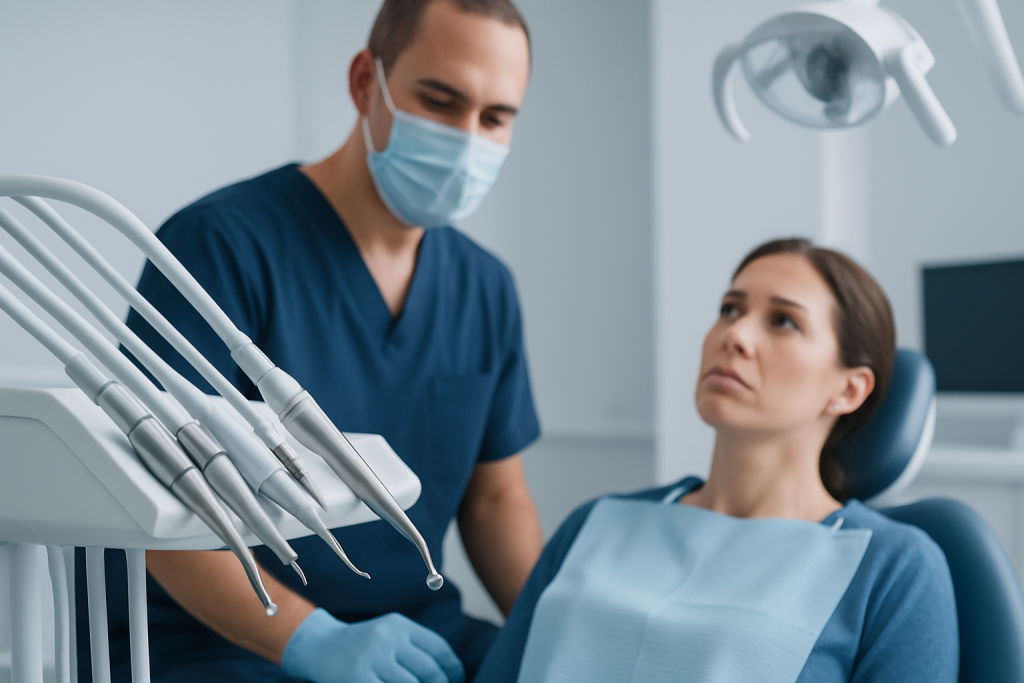
The symptoms that lead to tooth removal often come before the procedure itself. Some people have ongoing pain when biting or chewing, while others notice swelling, a bad taste, gum redness, or sensitivity that does not improve with routine care.
Common reasons a dentist may recommend extraction include a tooth that is badly decayed, cracked below the gum line, or loose because of advanced gum disease. Wisdom teeth may also be removed if they are impacted, repeatedly inflamed, difficult to clean, or affecting nearby teeth.
- Persistent tooth pain or pressure
- Swelling around the tooth or jaw
- Repeated infection or abscess formation
- Difficulty chewing or opening the mouth fully
- Teeth crowding or shifting
- Broken tooth structure that cannot be repaired
Sometimes there are no dramatic symptoms, especially when extraction is planned for orthodontic reasons or because a tooth is severely compromised but not yet painful. In those cases, the dentist may identify the issue during an exam or X-ray before it causes an urgent problem.
Causes & Risk Factors

Teeth are removed when their long-term outlook is poor or when they create a risk to the surrounding mouth structures. The most common cause is extensive decay that has reached deep into the tooth, leaving too little healthy structure for repair.
Other causes include advanced periodontal disease, trauma from an accident, failed root canal treatment, severe fractures, or abnormal tooth position. In some people, extra teeth, baby teeth that do not fall out naturally, or wisdom teeth that do not have enough room may also need to be removed.
Several health factors can influence planning and healing. A dentist may ask about blood-thinning medication, diabetes, immune conditions, pregnancy, smoking, or previous problems with dental surgery. These do not automatically prevent extraction, but they may change how carefully the procedure is scheduled and monitored.
Risk factors for more complicated recovery can include active infection, poor oral hygiene, smoking, dry mouth, and a history of delayed healing. When care is planned ahead of travel, the dental team may also consider how soon the patient will return home, whether follow-up is needed, and how to reduce the chance of needing urgent care abroad.
Diagnosis
Before dental removal of teeth, the dentist or oral surgeon performs a focused assessment of the mouth, gums, and bite. This usually includes asking about symptoms, previous dental treatment, medication use, and general medical history, because these details help determine the safest approach.
X-rays are often an essential part of planning. They show the tooth roots, nearby nerves, jawbone, infection areas, and the position of wisdom teeth or broken roots. In more complex cases, additional imaging may be used to understand how close the tooth is to important structures.
The purpose of diagnosis is not only to confirm that a tooth needs removal, but also to decide whether the extraction should be simple or surgical, whether sedation or local anesthesia is appropriate, and whether the patient needs antibiotics or other supportive steps beforehand. For international patients, this stage also helps create a realistic treatment schedule that includes recovery time before travel.
Clear planning matters because teeth that appear similar on the surface can behave very differently below the gum line. A calm, detailed examination helps prevent surprises during the procedure and gives the patient a better sense of what will happen next.
Treatment Options
The treatment choice depends on the tooth’s condition, position, and the person’s health. In some cases, the dentist can remove the tooth with local anesthesia in a standard appointment. The area is numbed, the tooth is gently loosened, and it is lifted out with dental instruments.
When the tooth is impacted, fragile, or deeply rooted, a surgical extraction may be recommended. This can involve making a small gum opening, removing a little bone if needed, or dividing the tooth into sections so it can be removed with less strain on nearby tissues. Patients may also be offered sedation or, in selected cases, general anesthesia, depending on the procedure and individual needs.
After the tooth is removed, the dentist may place stitches, a gauze pad, or special dressing to support clot formation and protect the socket. Pain control is usually managed with general postoperative guidance and, when appropriate, prescribed or recommended medication chosen by the treating clinician.
In some situations, replacement options are discussed before the tooth is removed. These may include a bridge, implant, or denture, but the timing depends on healing, bone health, and the reason for extraction. The dentist will usually explain whether replacement should be immediate or delayed, especially when the patient is traveling and needs a practical follow-up plan.
Prevention & Self-care
Not every extraction can be avoided, but many can be prevented by protecting the teeth before damage becomes advanced. Regular dental checkups, early treatment of cavities, gum care, and prompt attention to fractures or infection all reduce the chance that a tooth will need removal later.
Daily brushing with fluoride toothpaste, flossing or interdental cleaning, and limiting frequent sugar exposure help lower decay risk. For people with a history of gum disease, consistent professional cleaning and home care are especially important because loose teeth are often the result of gradual support loss rather than a sudden event.
After extraction, self-care plays a major role in comfort and healing. The dentist typically gives instructions about resting, avoiding smoking, not disturbing the clot, and choosing soft foods at first. Gentle oral hygiene is usually encouraged, but the extraction site should be treated carefully to prevent bleeding or dry socket.
- Keep the gauze in place as directed
- Avoid rinsing forcefully during the first day
- Eat soft, cool foods at first if advised
- Do not smoke or use straws during early healing
- Follow the dentist’s instructions for cleaning the mouth
- Attend follow-up visits if stitches or reassessment are planned
People recovering away from home should ask for written instructions, emergency contact information, and guidance on when it is safe to fly or continue a long journey. Clear planning can make recovery far more comfortable and reduce uncertainty after leaving the clinic.
Recovery and Healing
Healing begins as soon as a blood clot forms in the socket. That clot is important because it protects the bone and nerve endings underneath and helps new tissue start to grow. Mild discomfort, swelling, and limited jaw movement are common for a short time, especially after a surgical extraction.
Most people improve gradually over several days, although the gum and bone continue to heal for longer. The pace depends on the complexity of the removal, the number of teeth extracted, and general health factors such as smoking status or diabetes control. A simple extraction often settles faster than a surgical one.
During recovery, it is normal for chewing to feel awkward at first. Patients are usually advised to choose softer foods on the opposite side of the mouth, stay hydrated, and return to normal brushing patterns carefully around the healing area. If stitches were used, the team will explain whether they dissolve on their own or need removal.
Travel patients should be especially attentive to timing. It is often best to complete extraction with enough time for early healing before a long flight or multi-leg trip. The treating dentist can help set realistic expectations so that pain, swelling, and follow-up needs do not become difficult to manage away from care.
When to See a Doctor
It is important to contact a dentist or oral surgeon if pain becomes worse instead of better, if swelling spreads, or if there is persistent bleeding that does not settle with the recommended pressure and care. Fever, a foul taste, or increasing jaw stiffness can also signal that the area needs assessment.
Dry socket is a known complication that can cause significant pain a few days after extraction, often when the clot has been lost too early. While it is treatable, it is better to seek care promptly rather than waiting, because the dentist can usually help relieve symptoms and protect the socket.
Patients should also reach out if they are unable to keep liquids down, have trouble swallowing or breathing, or feel uncertain about their instructions after leaving the clinic. Even when the issue turns out to be minor, timely advice can prevent a small concern from becoming a larger setback.
For people considering treatment abroad, a thorough pre-treatment discussion is useful for deciding whether the procedure is suitable for their schedule. Acibadem Health Point’s multidisciplinary specialists and JCI-accredited hospitals diagnose and treat dental conditions for international patients, with attention to coordinated planning and follow-up.
Frequently asked questions
Is tooth extraction always the last option?
Dentists usually try to save a natural tooth whenever possible. Extraction is recommended when the tooth cannot be restored well enough or when keeping it would put the mouth at greater risk.
Does a tooth removal hurt?
The procedure itself is usually done with local anesthesia, so the area should be numb. Afterward, it is normal to feel some soreness, but this is usually manageable with the aftercare plan the dentist provides.
How long does recovery take after dental removal of teeth?
Recovery varies depending on whether the extraction was simple or surgical. Many people feel much better within a few days, while deeper healing continues over the following weeks.
What foods are best after an extraction?
Soft, easy-to-chew foods are usually best at first. People are often advised to avoid very hot, crunchy, hard, or sticky foods until the socket is healing well.
What is dry socket?
Dry socket happens when the blood clot is lost too early or does not protect the extraction site properly. It can cause notable pain and should be checked by a dentist because treatment can relieve symptoms.
Can someone travel after tooth removal?
Many people can travel after a simple extraction if they are healing well and have clear instructions. It is wise to ask the treating dentist about timing, especially after a surgical removal or when a long flight is planned.
References
- American Dental Association
- National Institute of Dental and Craniofacial Research
- NHS
- Mayo Clinic
- World Health Organization
This article is for general information only and is not a substitute for professional medical advice. Please consult a qualified doctor about your individual situation.