Bone Graft Before Implants: When It Is Necessary and How It Changes Travel Plans

Key Takeaways
- A bone graft is used to rebuild or preserve jawbone when the bone is too thin, soft, or uneven for implants.
- Not every implant patient needs grafting; the decision depends on bone volume, bone quality, and the implant site.
- Bone grafting usually adds healing time, which can affect how many trips an international patient needs.
- Careful imaging and planning help the dental team decide whether grafting should happen before, during, or after implant placement.
- Good home care, follow-up visits, and smoke-free healing can support a smoother recovery.
Medically reviewed by the Acıbadem clinical team — June 13, 2026
A bone graft is sometimes recommended before dental implant treatment when the jaw does not have enough healthy bone to support an implant securely. For international patients, this step can change both the treatment timeline and travel planning, but it often improves the chance of a stable, long-lasting result.
Overview
Dental implants depend on a solid foundation. When that foundation has weakened because of tooth loss, gum disease, injury, or long-term wear, a bone graft may be recommended before implants are placed. The goal is not to make treatment more complicated; it is to create enough support for the implant to function safely and predictably.
For many patients, the idea of a bone graft comes up during a first implant consultation rather than later. That conversation matters even more for international patients, because the need for grafting can change the timing of surgery, the length of the stay abroad, and the number of return visits needed. A clear treatment plan helps patients decide whether to travel now, return later, or combine procedures in a staged sequence.
In simple terms, the dentist or oral surgeon is asking one question: can the implant be anchored in bone that is strong enough to hold it over time? If the answer is no, a graft may help rebuild the site so the implant has a better chance of lasting well.
Symptoms and Signs That Bone May Be Insufficient
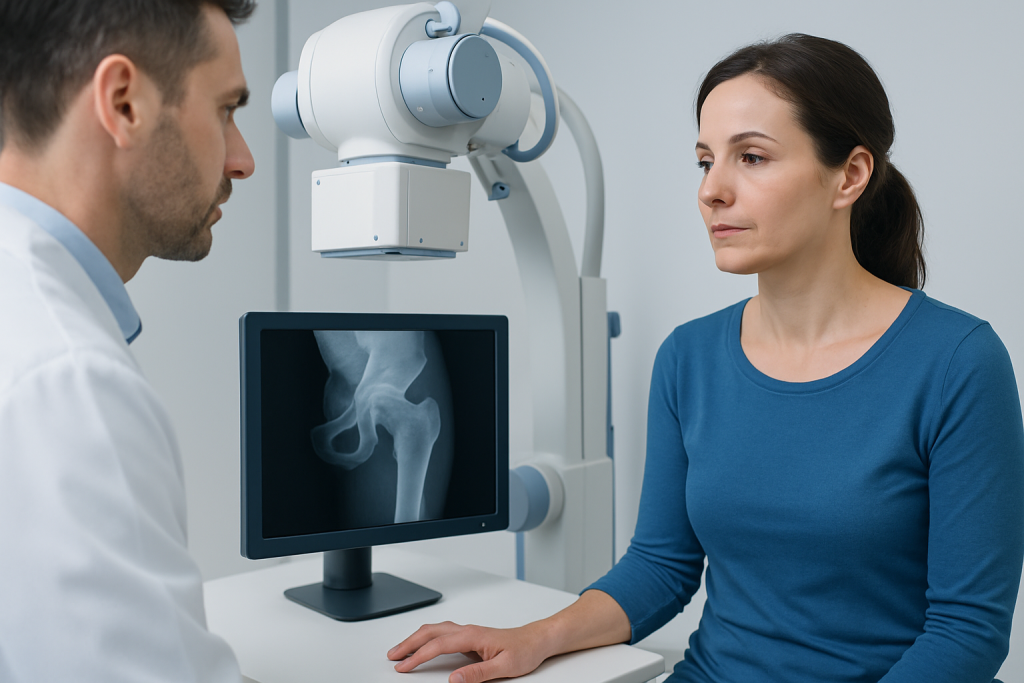
Bone loss in the jaw is not always obvious to the patient. A person may feel perfectly well and still have too little bone for a standard implant. That is why dental imaging is so important before treatment begins.
Some signs that can suggest reduced bone support include missing teeth for a long time, shrinking gum contours, loose dentures that no longer fit well, or a sunken appearance in the area where teeth used to be. A history of periodontal disease, trauma, or previous extractions may also point to bone loss.
Patients may also hear the dentist describe the site as too narrow, too short, or too soft. These are not alarming terms; they are planning terms. They simply mean the implant team wants to create a safer, more durable foundation before moving ahead.
Causes and Risk Factors for Bone Loss
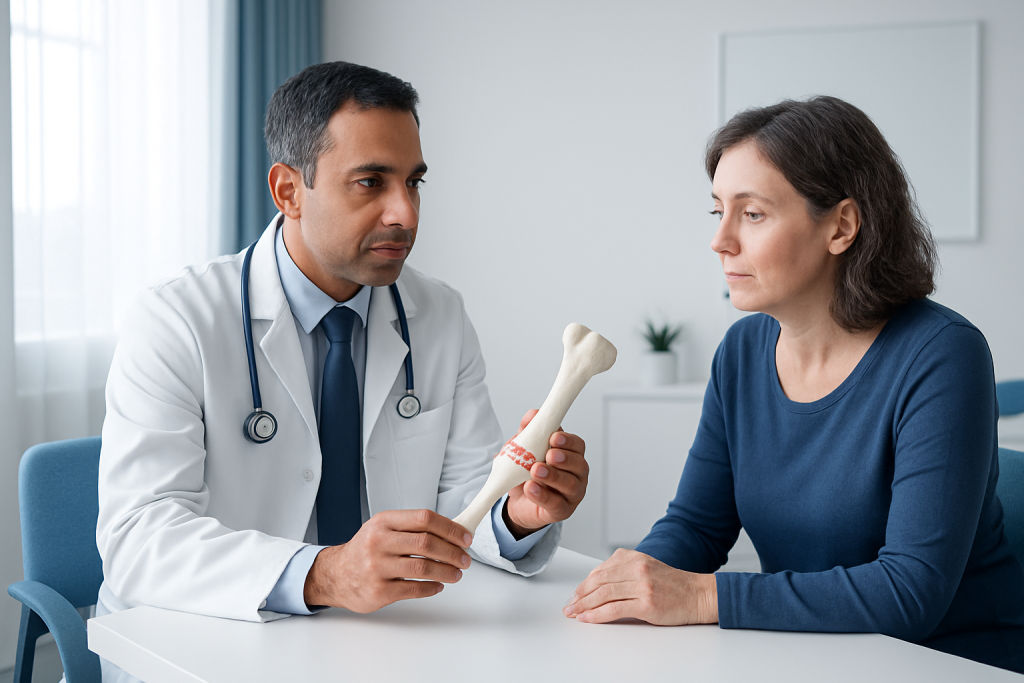
The jawbone stays healthy when it is regularly stimulated by tooth roots or implants. Once a tooth is removed, that stimulation decreases, and the bone can gradually shrink. The longer the area stays empty, the more likely the ridge is to become thinner or lower in height.
Periodontal disease is another common reason for bone loss. Chronic infection and inflammation around the teeth can damage the structures that support both teeth and bone. Smoking, uncontrolled diabetes, and poor oral hygiene may also make healing less predictable.
- Long-standing missing teeth
- Advanced gum disease
- Previous trauma or jaw injury
- Bone changes after infection or cyst removal
- Wearing dentures for many years
- Thin natural jaw anatomy in some patients
Some people need grafting even when the bone is not severely damaged. For example, the upper back jaw often has less bone available because of natural anatomy and the nearby sinus cavities. In that region, sinus-related procedures may be discussed together with grafting.
Diagnosis and Treatment Planning
Planning starts with a detailed exam and imaging. A dentist may use panoramic X-rays, cone beam CT scans, or other diagnostic tools to measure bone height, width, and density. These images help the team see not just where the bone is missing, but how close important structures such as nerves or sinuses may be.
Once the site is assessed, the provider decides whether the graft should be done before implant placement, at the same time as the implant, or as part of a different reconstructive approach. The decision depends on how much bone is available, the patient’s overall health, the location of the missing tooth, and the type of implant planned.
For international patients, this stage is especially important because it defines the trip schedule. Some people can complete imaging, consultation, and grafting in one visit, then return months later for implant placement. Others may be able to have a combined procedure with fewer travel steps. A personalized plan prevents rushed decisions and helps patients arrange time away from home more realistically.
Treatment Options
Bone grafting is a broad term for several techniques that encourage new bone formation or preserve the shape of the jaw. The material used may come from the patient, a donor source, an animal-derived processed graft, or a synthetic substitute. The exact choice depends on the treatment goal and the surgeon’s preference.
Common approaches include socket preservation after extraction, ridge augmentation for narrow areas, and sinus lift procedures in the upper back jaw. In some cases, a small graft is enough. In others, more extensive rebuilding is needed before an implant can be safely anchored.
Some implant plans include immediate placement after extraction with a graft at the same time. Others require a separate healing period before the implant is inserted. When the bone is severely deficient, the graft often becomes the first step, followed by several months of healing before the next stage. This is not a setback; it is often the most reliable path to a stable final result.
How Bone Grafting Changes Travel Plans
For patients traveling from another country, the main effect of bone grafting is time. A standard implant visit can sometimes be scheduled in a shorter window, but grafting usually adds a healing phase that may require a second trip. That extra interval allows the graft to integrate and the bone to mature before the implant is placed.
Patients should ask early about the expected timeline, including how long they will need to stay after surgery, when follow-up imaging is likely, and whether the implant and final crown can be completed during the same journey or on separate visits. Flight timing also matters, because some patients may need to avoid immediate long-haul travel after surgery to allow for proper rest and early monitoring.
Helpful travel planning points include:
- Allow time for consultation, imaging, and a surgical review before the procedure
- Plan for a recovery period before flying home
- Keep the schedule flexible in case healing is slower than expected
- Confirm how follow-up care will be handled once home
When the treatment plan is staged, the patient can think of the trip as part of a sequence rather than a single appointment. That mindset often makes the process feel more manageable and less rushed.
Recovery, Prevention, and Self-care
Recovery after a bone graft is usually focused on protecting the site while the body builds new bone. The dental team may give instructions about soft foods, oral hygiene, medication use, and what activities to avoid during early healing. It is important to follow those directions closely, even if the area feels better after a few days.
Patients can support healing by keeping the mouth clean as instructed, avoiding smoking, and attending follow-up visits. Good nutrition and rest also help the body recover. If a patient is traveling, planning meals, transportation, and a calm recovery environment can make the first days after treatment much easier.
Long-term prevention is just as important. Replacing missing teeth in a timely way, treating gum disease early, and maintaining routine dental care can reduce the amount of bone loss that develops in the first place. For patients who already need a graft, these habits can help protect the result after the implant is restored.
When to See a Doctor
A pre-implant consultation is the right time to ask whether a bone graft is needed. Patients do not need to guess based on symptoms alone, because only examination and imaging can show the full picture. Anyone considering implants after long-term tooth loss, gum disease, or previous dental trauma should discuss bone support before making travel arrangements.
After a graft, patients should contact their dental team if they notice increasing pain, swelling that worsens instead of improves, fever, persistent bleeding, a bad taste or drainage, or a graft site that seems to open. These symptoms do not always mean there is a serious problem, but they do deserve prompt review.
International patients should also ask where to turn if a concern appears after they return home. Clear instructions about emergency contact, local follow-up, and review visits make staged implant treatment much safer and less stressful.
At Acibadem Health Point, multidisciplinary specialists and JCI-accredited hospitals support international patients through implant planning, grafting, and follow-up care with a coordinated approach.
Frequently asked questions
How do dentists know if a bone graft is needed before implants?
They evaluate the jaw with an exam and imaging such as X-rays or a cone beam CT scan. These tools show whether the bone is wide, tall, and dense enough to hold an implant securely. If the support is not adequate, grafting may be recommended before implant placement.
Does every implant patient need a bone graft?
No. Some patients have enough healthy bone for implants without any additional surgery. The need for grafting depends on the site, the amount of bone loss, and the type of implant plan being considered.
How long does healing usually take after a bone graft?
Healing time varies depending on the size and type of graft and the patient’s overall health. In many cases, the dental team waits for the graft to mature before placing the implant, which may mean a separate visit later. Your doctor can explain the expected timeline for your specific case.
Can a bone graft and implant be done at the same time?
Sometimes, yes. In certain situations, the surgeon can place the implant and graft together, especially if the bone support is only mildly reduced. In other cases, the graft must heal first to give the implant a stronger foundation.
Will bone grafting make travel more difficult?
It can add an extra healing phase, so some patients need more than one trip. That does not mean treatment is unsuitable for international travel; it simply means the schedule should be planned carefully. The dental team can help the patient understand whether the procedure fits a single visit or a staged plan.
What should a patient avoid after bone graft surgery?
The dental team usually advises avoiding smoking, hard foods, and anything that could disturb the graft site during early healing. Patients should also follow oral hygiene and medication instructions closely. If anything seems unusual during recovery, they should contact their dentist rather than waiting for the next appointment.
References
- American Academy of Implant Dentistry
- American Dental Association
- Mayo Clinic
- National Institute of Dental and Craniofacial Research
- European Association for Osseointegration
This article is for general information only and is not a substitute for professional medical advice. Please consult a qualified doctor about your individual situation.