Akal Teeth

Key Takeaways
- Akal teeth often means a tooth has not erupted into its expected position.
- Symptoms may include delayed eruption, pain, swelling, crowding, or changes in bite.
- Common causes include lack of space, extra teeth, thick gum tissue, or an abnormal tooth position.
- Diagnosis usually involves a dental exam and imaging such as X-rays or 3D scans.
- Treatment ranges from monitoring to orthodontic care or surgical exposure and removal.
- Early dental assessment can reduce complications and support easier long-term care.
Akal teeth is a commonly used way to describe teeth that have not emerged properly, often because they are impacted, delayed, or blocked in the jaw. Understanding the pattern behind the eruption problem helps patients choose the right dental evaluation and treatment plan.
Overview
The phrase akal teeth is often used to describe teeth that do not come in the way they should. In everyday language, patients may use it for a tooth that seems stuck, delayed, hidden in the gums, or growing at an angle. A dentist usually translates that concern into a more precise diagnosis, such as an impacted tooth, a delayed eruption, or an eruption pathway that has been blocked.
Tooth eruption is a carefully timed process. Baby teeth and permanent teeth usually appear in a predictable order, but not every mouth follows the same schedule. Some teeth stay beneath the gum line because there is not enough space, because another tooth is in the way, or because the tooth itself is positioned in an unusual direction. In many cases, the issue is manageable once it is identified early.
For patients planning dental care from another country, the most useful first step is not to guess the label, but to get a full assessment. That usually means checking whether the tooth is merely delayed, partially erupted, or truly impacted, because those differences affect treatment choices and timing.
Symptoms
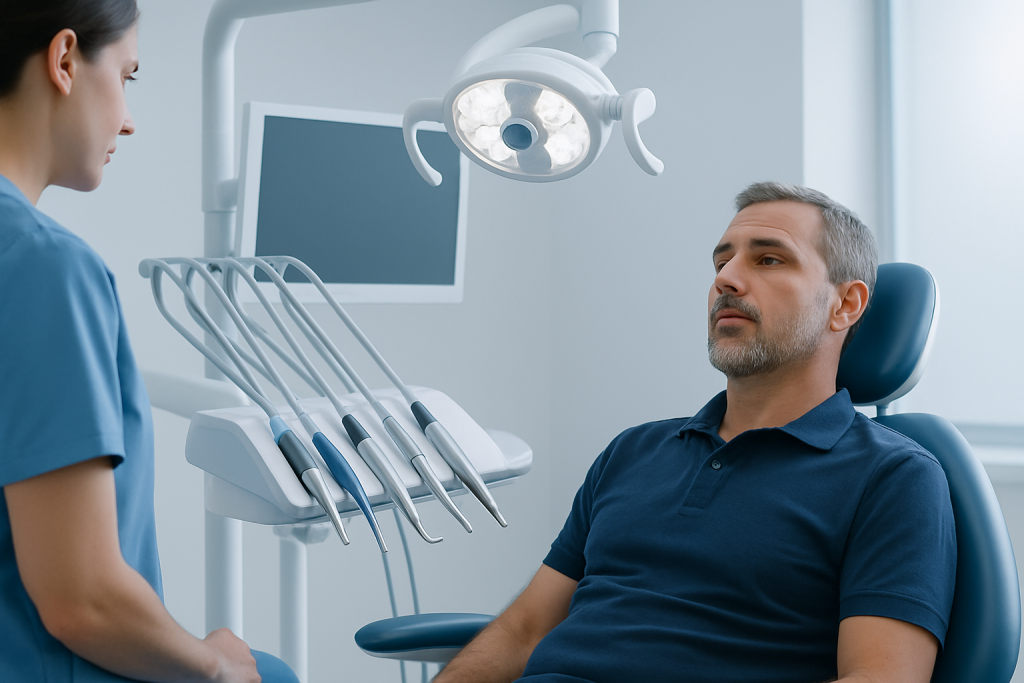
Some people notice akal teeth because a tooth simply never appears where expected. Others notice a visible bump in the gum, a tooth that has only partly emerged, or a gap that remains long after neighboring teeth have arrived. In children and teenagers, parents may first hear that a permanent tooth is taking longer than usual to erupt.
When a tooth is trapped or crowded, symptoms can become more noticeable. The area may feel tender, swollen, or irritated when chewing. Food can collect around a partly erupted tooth, which sometimes leads to bad taste, bad breath, or repeated gum inflammation. If the problem affects front teeth or the bite, patients may also notice spacing issues, misalignment, or difficulty biting down comfortably.
Typical signs may include:
- Delayed eruption of a tooth
- A tooth visible only partly through the gum
- Pain or pressure in the jaw or gum
- Swelling or redness near the area
- Crowding, shifting, or bite changes
- Difficulty cleaning around the tooth
Not every impacted or delayed tooth causes pain. In fact, some are found only during routine dental imaging. That is one reason regular dental follow-up matters, especially during the years when permanent teeth are expected to appear.
Causes & Risk Factors

Akal teeth can happen for several reasons, and the cause is often mechanical rather than something the patient has done wrong. One of the most common reasons is lack of space in the jaw. If the surrounding teeth are already crowded, a new tooth may not have a clear path to the surface.
Another frequent cause is an abnormal position of the tooth germ, the developing tooth beneath the gums. A tooth may tilt, rotate, or develop in the wrong direction, making eruption difficult. Sometimes an extra tooth, a cyst, thick gum tissue, or retained baby teeth can block the path of a permanent tooth. Less commonly, genetics, developmental conditions, or trauma may influence how teeth emerge.
Factors that can raise the chance of eruption problems include:
- Jaw crowding or limited arch space
- Retained primary teeth that do not fall out on time
- Extra teeth or other dental obstructions
- Previous injury to the mouth or jaw
- Family history of dental crowding or impacted teeth
- Developmental differences affecting tooth formation
Because these causes can overlap, dentists often look beyond the visible tooth and evaluate the entire bite, jaw shape, and tooth development pattern before recommending treatment.
Diagnosis
Diagnosing akal teeth starts with a careful dental examination. The dentist checks which teeth are present, whether the tooth has erupted normally, and whether neighboring teeth are crowding the area. The timing of eruption is also important, especially in children and adolescents whose permanent teeth are still coming in.
Imaging is usually essential. A standard dental X-ray may show whether a tooth is present, whether it is angled, and whether something is blocking its path. In more complex cases, a panoramic image or 3D imaging may help the team understand the tooth’s position in relation to nerves, roots, and other structures. This is especially helpful when treatment might involve surgery or orthodontics.
For international patients, diagnosis often begins before travel through shared images and records. Once on site, the dental team may confirm the findings, compare options, and build a plan that fits both the oral condition and the patient’s schedule. That approach can be particularly useful when care needs to be coordinated across multiple appointments.
Treatment Options
Treatment depends on the tooth’s position, the patient’s age, and whether the tooth is causing problems. In some cases, a dentist may recommend observation if the tooth is likely to erupt on its own and there are no signs of pain, infection, or damage to neighboring teeth. Monitoring is often paired with repeat examinations and imaging.
When a tooth is blocked or badly positioned, treatment may involve orthodontic guidance, surgical exposure, or removal. If the tooth can be preserved, an orthodontist and oral surgeon may work together to bring it into the arch gradually. If the tooth is unlikely to function well or is harming adjacent structures, extraction may be the safer choice. The right plan depends on function, alignment, and the long-term health of the mouth.
Common treatment approaches include:
- Monitoring: regular follow-up when eruption may still occur naturally
- Orthodontic treatment: creating space or guiding the tooth into position
- Surgical exposure: uncovering a tooth so it can be moved into place
- Extraction: removing a tooth that cannot be retained safely
- Treatment of related issues: managing infection, gum irritation, or crowding
Recovery varies with the chosen procedure. Patients may need short-term dietary adjustments, careful cleaning, and follow-up visits. When treatment is planned for someone traveling from abroad, it is helpful to discuss how many appointments are needed and what can be completed before returning home.
Prevention & Self-care
Not every case of akal teeth can be prevented, especially when the cause is genetic or related to jaw development. Even so, good dental habits and timely checkups can reduce the chances that a hidden problem goes unnoticed for too long. Regular exams during childhood and adolescence are particularly valuable because they allow dentists to watch the eruption pattern as it unfolds.
Self-care becomes important once a tooth is delayed or partially erupted. Keeping the area clean helps reduce irritation and lowers the chance of plaque buildup around the gum. A soft toothbrush, careful brushing along the gumline, and routine flossing can make a meaningful difference. If a tooth is tender, patients are usually better served by avoiding hard chewing on that side until a dentist reviews the area.
Helpful habits include:
- Attending routine dental checkups and X-rays when recommended
- Keeping partially erupted teeth clean and free of food debris
- Avoiding habits that put pressure on sore gums
- Following orthodontic instructions closely when space management is needed
- Asking about follow-up plans before traveling home after treatment
For patients receiving care away from home, a practical self-care plan matters just as much as the procedure itself. Knowing how to clean the area, what symptoms are expected, and when to contact the clinic can make recovery smoother and less stressful.
When to See a Doctor
A dental visit is a good idea if a tooth has not appeared when expected, if a tooth is coming in sideways or only partly, or if a child’s dental development seems out of step with the usual pattern. Early evaluation is especially useful when the concern involves front teeth, permanent molars, or any tooth that may affect bite alignment.
It is also sensible to seek advice if there is pain, swelling, repeated gum inflammation, trouble chewing, or signs that nearby teeth are shifting. These symptoms do not always mean something urgent, but they do suggest that the area should be assessed before the problem becomes harder to manage.
After treatment, patients should contact their dentist if swelling worsens, pain becomes difficult to control, there is fever, or healing does not seem to be progressing as expected. For international patients, clear post-treatment instructions and a planned follow-up pathway are particularly important. Acibadem Health Point’s multidisciplinary specialists and JCI-accredited hospitals diagnose and treat these dental conditions for international patients with coordinated care and clear follow-up planning.
Living With the Condition
Many patients worry that a delayed or impacted tooth will automatically mean major surgery. That is not always the case. Some teeth are simply monitored, some are guided into place, and some are removed because that is the most predictable way to protect the rest of the mouth. A calm, stepwise evaluation usually clarifies which path makes the most sense.
For people traveling for dental treatment, the goal is not only to correct the tooth but also to make the process understandable and manageable. Good care includes a diagnosis that is easy to explain, a treatment plan that fits the patient’s timeline, and follow-up that accounts for life after returning home. With that structure in place, most patients can move forward with confidence.
Frequently asked questions
What does akal teeth mean?
It is a common phrase people use for teeth that have not come in properly. In dental terms, this may refer to delayed eruption, impaction, or a tooth that is blocked from emerging normally. A dentist can identify the exact reason with an exam and imaging.
Can akal teeth be normal in children?
Some variation in tooth eruption timing is normal, especially in children. However, a tooth that is very delayed, trapped, or causing crowding should be checked. Early review helps distinguish a harmless delay from a problem that needs treatment.
Do impacted teeth always need surgery?
No, not always. Some teeth are monitored, some can be guided with orthodontic treatment, and some do require surgical exposure or removal. The decision depends on position, symptoms, and the likely long-term outcome.
Can akal teeth cause pain or infection?
Yes, especially if the tooth is partly erupted and difficult to clean. Food and plaque can collect around the area, which may irritate the gum and sometimes lead to infection. Not every case causes pain, so an exam is important even when symptoms are mild.
How is akal teeth diagnosed?
Diagnosis usually starts with a dental examination and is often confirmed with X-rays or 3D imaging. These tests help the dentist see where the tooth is, whether it is blocked, and what structures are nearby. That information guides treatment planning.
What should a patient do before traveling for treatment?
It helps to share any recent dental records, imaging, and a list of current symptoms before the trip. Patients should also ask how many visits are likely needed and what recovery will involve. Clear planning makes treatment and follow-up easier across borders.
References
- American Dental Association
- Mayo Clinic
- National Institute of Dental and Craniofacial Research
- British Dental Journal
This article is for general information only and is not a substitute for professional medical advice. Please consult a qualified doctor about your individual situation.