

Can You Get Pregnant From Precum

Key Takeaways
- Precum can sometimes contain sperm, so pregnancy is possible even without full ejaculation.
- The withdrawal method lowers risk compared with no protection, but it is not a reliable contraceptive on its own.
- Ovulation timing matters because pregnancy can only occur during the fertile window of the menstrual cycle.
- Emergency contraception and timely medical advice may be helpful after unprotected sex.
- Consistent contraception and STI protection are important for preventing both pregnancy and infection.
Pre-ejaculate, or precum, can sometimes lead to pregnancy because it may carry sperm or move sperm left in the urethra. The risk is lower than with ejaculation, but it is not zero, so understanding how pregnancy happens can help people make informed choices about contraception and next steps after unprotected sex.
Overview
People often ask whether pregnancy can happen from precum, also called pre-ejaculate. The short answer is yes, it can happen, although the chance is generally lower than with ejaculation inside the vagina.
Precum is a fluid released from the penis during arousal before ejaculation. Its main role is to help lubricate and prepare the urethra, but it can sometimes carry sperm. That is why relying on “pulling out” alone can leave room for an unexpected pregnancy.
For someone trying to understand a recent sexual encounter, the key question is not whether precum is always risky, but whether enough sperm could be present and whether sex occurred during the fertile part of the menstrual cycle. Those two factors together shape the chance of conception.
How pregnancy can happen with precum
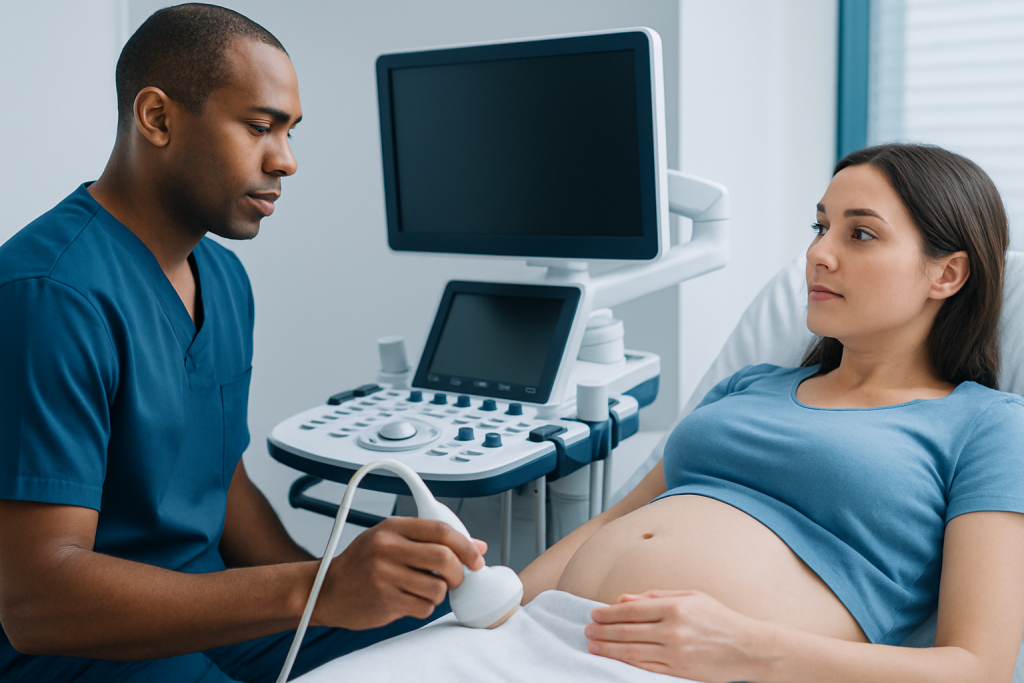
Pregnancy begins when sperm meets an egg and fertilization occurs. Because precum is released before ejaculation, many people assume it is sperm-free. In reality, sperm may be present if leftover sperm remain in the urethra from a prior ejaculation or if semen mixes with pre-ejaculate.
This is why pregnancy is biologically possible even when ejaculation does not happen inside the vagina. The amount of sperm in precum is usually much less than in semen, but even a small number of sperm can lead to pregnancy if the timing is right.
It is also worth noting that no one can tell by appearance whether precum contains sperm. That uncertainty is one reason healthcare professionals do not consider withdrawal a dependable method of contraception.
Symptoms and early signs to watch for

There are no immediate symptoms that prove pregnancy has occurred from precum or from any other sexual exposure. Early signs, when they appear, are often subtle and can overlap with premenstrual changes.
Possible early pregnancy signs may include a missed period, breast tenderness, fatigue, nausea, more frequent urination, or mild cramping. Some people notice nothing unusual at first, which is why a pregnancy test is often the most practical next step after a missed period or a concerning encounter.
If a period is late, symptoms alone cannot confirm pregnancy. A home pregnancy test, followed by medical evaluation if needed, gives clearer guidance.
Causes and risk factors
The main reason pregnancy can happen from precum is that sperm may be present in the pre-ejaculatory fluid or may remain in the urethra after a previous ejaculation. Once sperm reach the vagina, they can travel through the cervix and uterus toward the egg if ovulation has occurred.
Certain situations can increase the chance of pregnancy. These include having unprotected vaginal sex, using withdrawal as the only method, having sex near ovulation, and repeated sexual activity without urination between ejaculations. While urinating after ejaculation may help clear the urethra, it does not guarantee that precum will be sperm-free.
People sometimes assume that pregnancy cannot occur if ejaculation happens “outside” the body. In practice, sperm can still enter the vagina through pre-ejaculate, semen near the vaginal opening, or contact during genital rubbing.
- Unprotected vaginal intercourse
- Withdrawal used as the only method
- Sex during the fertile window
- Recent ejaculation before sex
- Uncertainty about ovulation timing
Diagnosis and confirming whether pregnancy occurred
If pregnancy is a concern after sex involving precum, the first step is usually a pregnancy test at the right time. Home urine tests are most useful after a missed period, though some may detect pregnancy a little earlier depending on the test and the person’s cycle.
If the result is unclear or symptoms persist despite a negative test, a clinician may suggest a repeat test or a blood test. Blood testing can detect pregnancy earlier and may be helpful when cycles are irregular or timing is uncertain.
When international patients seek care, clinicians may also ask about the timing of sex, menstrual cycle history, contraception use, and any emergency contraception already taken. This information helps the doctor estimate pregnancy risk and advise on the most appropriate next steps.
Treatment options and next steps after unprotected sex
If sex without reliable contraception happened recently, emergency contraception may be an option. The choice depends on how much time has passed and the person’s medical situation. A qualified clinician or pharmacist can explain which option is appropriate.
If pregnancy is not desired, it is important to act as soon as possible rather than waiting for symptoms. If pregnancy is desired, the situation is different: a clinician can advise on preconception health, cycle tracking, and timing intercourse around ovulation.
For those who may have been exposed to sexually transmitted infections as well, testing can be discussed at the same visit. Pregnancy prevention and infection prevention are related but separate concerns, and both deserve attention.
- Consider emergency contraception promptly if appropriate
- Take a pregnancy test at the recommended time
- Arrange STI testing if there was exposure risk
- Speak with a clinician about ongoing contraception
Prevention and self-care
The most reliable way to reduce pregnancy risk is to use a dependable contraceptive method consistently. Options include condoms, hormonal methods, intrauterine devices, and other clinician-guided choices. Condoms have the added advantage of helping protect against sexually transmitted infections.
People who prefer withdrawal should understand its limits. It may reduce risk compared with no protection, but it does not eliminate it. Combining withdrawal with another contraceptive method is safer than relying on it alone.
Cycle awareness can help some people better understand fertile days, but it should not be used as the only safeguard unless guided carefully by a healthcare professional. After any sexual encounter that raises concern, calm observation, timely testing, and clear information are usually more helpful than guesswork.
For patients traveling for care, it can be useful to keep a record of cycle dates, symptoms, test results, and any emergency contraception used. That makes follow-up easier if a clinician in another country reviews the case.
When to see a doctor
A doctor should be consulted if there is concern about pregnancy after sex involving precum, especially if the period is late or the person is unsure about the timing of ovulation. Medical advice is also sensible when contraception failed, withdrawal was the only method used, or there is a need to discuss emergency contraception.
Care is also important if there are severe abdominal pain, heavy bleeding, fainting, or one-sided pelvic pain, because those symptoms need prompt assessment regardless of the pregnancy test result. If there is concern about STI exposure, testing should not be delayed.
Acibadem Health Point can support international patients through multidisciplinary specialists and JCI-accredited hospitals that diagnose and treat fertility and women’s health concerns with coordinated care. A clinician can help interpret test results, discuss options, and plan follow-up in a way that fits the patient’s situation.
Frequently asked questions
Can you get pregnant from precum even if ejaculation did not happen inside the vagina?
Yes, pregnancy is possible because precum can sometimes contain sperm or carry sperm left in the urethra. The risk is lower than with ejaculation inside the vagina, but it is not zero. Timing in the menstrual cycle also matters, especially around ovulation.
Is withdrawal a safe way to prevent pregnancy?
Withdrawal lowers the chance of pregnancy compared with unprotected sex, but it is not considered a reliable method on its own. It can fail because precum may contain sperm and because timing during withdrawal is not always perfect. Using a more dependable contraceptive method is safer.
How soon should a pregnancy test be taken after sex involving precum?
A test is usually most useful after a missed period. Some tests may detect pregnancy a bit earlier, but testing too soon can give a false negative. If the first test is negative and the period still does not start, repeating the test is often recommended.
Does urinating before sex remove all sperm from precum?
Urinating may help clear the urethra after a previous ejaculation, but it does not guarantee that precum will be sperm-free. Because the amount of sperm in precum can vary, there is still some pregnancy risk. This is one reason withdrawal is not fully dependable.
What should someone do after unprotected sex if pregnancy is not desired?
If the encounter was recent, emergency contraception may be worth discussing as soon as possible. A pregnancy test should be taken at the appropriate time, and STI testing may also be needed depending on the exposure. A clinician can help choose the right next step based on timing and health history.
Can precum also spread sexually transmitted infections?
Yes, precum can carry sexually transmitted infections if one partner is infected. Condoms help reduce the risk of both pregnancy and STI transmission. If there is concern about exposure, testing and medical advice are appropriate.
References
- American College of Obstetricians and Gynecologists
- Planned Parenthood
- NHS
- World Health Organization
- Mayo Clinic
This article is for general information only and is not a substitute for professional medical advice. Please consult a qualified doctor about your individual situation.
More from the Health Library



Related Specialists

Dr. Mehmet Demir
Inpatient Clinic Physicians
Prof. Dr. Mehmet Temel Yilmaz
Endocrinology
Prof. Dr. Mustafa Karahan
Orthopedic Surgery & Traumatology
Dr. Ali Şahin
General Surgery