Implantation Bleeding Pictures

Key Takeaways
- Implantation bleeding is usually light, short-lived spotting rather than a true period.
- Color can range from pink to brown, and it is often much lighter than menstrual flow.
- Pictures can be helpful, but they cannot confirm pregnancy or rule out other causes of bleeding.
- A pregnancy test is more reliable after the expected period or as advised by a clinician.
- Heavy bleeding, pain, dizziness, or bleeding after a positive test should be assessed by a doctor.
Implantation bleeding is a light type of spotting that can happen when a fertilized egg attaches to the uterine lining. Photos and descriptions may help people compare what they are seeing, but timing, color, and amount matter more than any single picture.
Overview
People often search for implantation bleeding pictures because early pregnancy spotting can be confusing. The challenge is that no photograph can tell the whole story by itself. What matters most is the pattern: when the bleeding happened, how much there was, what color it was, and whether there were other symptoms.
Implantation bleeding may occur when a fertilized egg attaches to the uterine lining, usually around the time a period would be expected or a little earlier. It is typically light spotting, not a full menstrual flow. Some people notice only a few drops on underwear or toilet paper, while others see a small amount of pink or brown discharge.
For Myomectomy Recovery for International Patients: The Usual Travel Timeline" class="ahp-ilk">international patients planning fertility care or traveling for evaluation, it can be helpful to understand what is normal to monitor at home and what should prompt a clinic visit. A clear description of the bleeding episode, along with the date of the last period and any pregnancy test results, gives a doctor much more useful information than a picture alone.
What implantation bleeding pictures may show
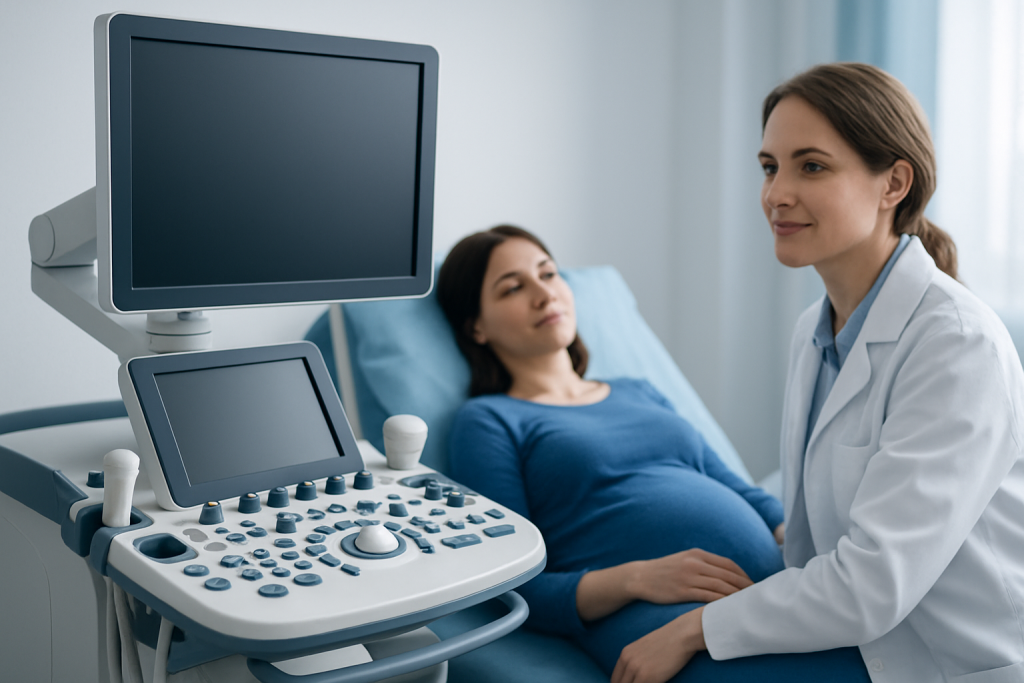
Images described as implantation bleeding pictures usually show very light spotting rather than active bleeding. The color may look pale pink, rusty brown, or light red. Brown discharge often reflects older blood that has had time to oxidize, while pink discharge can happen when a small amount of blood mixes with cervical fluid.
In practical terms, the amount is usually small enough that it does not soak a pad. Many people notice staining only when they wipe. The spotting may appear once or recur lightly for a short time, but it is usually brief compared with a normal period.
It is important to remember that photographs can be misleading. Lighting, tissue texture, and the amount of fluid all affect how bleeding appears in a picture. What looks like “implantation bleeding” in an image could also be the start of a period, ovulation-related spotting, cervical irritation, or another cause of early pregnancy bleeding.
- Common appearance: light pink, brown, or faint red spotting
- Common amount: a few drops or light staining
- Common duration: hours to a couple of days
- Less typical: bright red, heavy, or clotting bleeding
Symptoms that can happen alongside it

Some people have no other symptoms at all. Others may notice mild cramping, a sense of pelvic heaviness, or the usual early pregnancy changes such as breast tenderness, fatigue, or nausea. These symptoms can overlap with premenstrual symptoms, which is one reason the experience is easy to misread.
Implantation bleeding is generally not associated with severe pain. Mild discomfort may occur, but significant cramping, shoulder pain, fainting, or worsening one-sided pain should not be assumed to be implantation bleeding. Those symptoms deserve medical assessment because they can point to other conditions that need prompt attention.
Because early pregnancy can be emotionally charged, many people look for confirmation in every sign. A more reliable approach is to track the day the spotting began, note whether it increased or stopped, and wait for a properly timed pregnancy test. That record can help a clinician interpret the situation more accurately if follow-up is needed.
Causes and risk factors
Implantation bleeding is thought to happen when the embryo attaches to the uterine lining and a small amount of blood is released. This is a normal biological event and does not mean something is wrong with the pregnancy. Not everyone experiences it, and many healthy pregnancies begin without any spotting at all.
There are no reliable ways to predict who will have implantation bleeding. It may be more noticeable in people who pay close attention to their cycle, but that is not a medical risk factor. Some spotting can also be related to cervical sensitivity, recent intercourse, a pelvic exam, ovulation, hormonal shifts, or early pregnancy changes that are not implantation-related.
Because timing overlaps with the expected menstrual window, people commonly mistake one for the other. If bleeding occurs after a positive pregnancy test, it should be discussed with a clinician so that the cause can be clarified and pregnancy location and progress can be assessed when appropriate.
How doctors evaluate early bleeding
Doctors usually start with a detailed history rather than the appearance of a photo. They may ask when the last menstrual period began, when the spotting started, whether it changed into a heavier flow, and whether there is pain, fever, or dizziness. If pregnancy is possible, a pregnancy test is often part of the first step.
Depending on the timing and symptoms, a clinician may recommend repeat testing, blood tests for pregnancy hormone levels, or an ultrasound. This is especially important if the person has had prior ectopic pregnancy, fertility treatment, or irregular cycles, because timing can be harder to interpret in those settings.
For patients traveling for fertility or early pregnancy care, it is useful to bring a simple timeline and, if available, photos taken in natural light. Still, the photograph is only one small part of the assessment. The clinical history, test results, and exam findings are what guide the next decision.
Treatment options
Implantation bleeding itself usually does not need treatment. If it is truly related to implantation, it tends to resolve on its own. The more important question is whether the bleeding is actually implantation bleeding or another type of early pregnancy bleeding that needs evaluation.
If a pregnancy test is positive, a doctor may advise monitoring and follow-up depending on symptoms and gestational age. If the test is negative and the next period is late, repeating the test after a few days may be recommended. When bleeding is caused by another issue, treatment depends on the diagnosis and may range from reassurance to more specific medical care.
People should avoid self-treating unexplained bleeding with medications or supplements without medical advice. In early pregnancy, it is safer to confirm the cause first. A clinician can also advise whether travel plans should be changed if symptoms are evolving or if follow-up testing is needed soon.
Prevention and self-care
There is no proven way to prevent implantation bleeding because it is part of a natural process that may or may not happen. Self-care is mainly about observation, comfort, and timely follow-up. Using a pad rather than a tampon can make it easier to track the amount and color of bleeding.
It can also help to note the date, time, color, and amount of spotting, along with any cramping or other symptoms. If pregnancy is possible, taking a test at the right time matters more than repeatedly comparing the bleeding to online photos. A test done too early can be falsely negative.
For someone preparing to travel for fertility consultation or early pregnancy review, keeping the timeline organized is especially useful. A short symptom log, recent cycle dates, and any test results can make remote triage or an in-person appointment much more efficient.
- Track bleeding on a pad or tissue, not with tampons
- Note whether spotting stays light or becomes heavier
- Use a pregnancy test at the recommended time
- Rest and hydrate if you feel unwell
When to see a doctor
Medical advice is recommended if bleeding is heavy, lasts longer than expected, or is accompanied by pain. Bright red bleeding, clots, foul-smelling discharge, fever, fainting, or one-sided pelvic pain should be assessed promptly. These symptoms are not typical of simple implantation bleeding.
A doctor should also be contacted if there is bleeding after a positive pregnancy test, if the period is late and tests are unclear, or if there is a history of ectopic pregnancy, miscarriage, or fertility treatment. Early assessment can help determine whether monitoring, repeat testing, or imaging is needed.
For international patients, Acibadem Health Point’s multidisciplinary specialists and JCI-accredited hospitals diagnose and treat early pregnancy bleeding for patients who need coordinated care before, during, or after travel. In any setting, the safest approach is to ask a qualified clinician when the bleeding does not look or feel typical.
Frequently asked questions
What do implantation bleeding pictures usually look like?
They usually show very light spotting, often pink, brown, or faint red. The amount is small and often appears as staining on tissue or underwear rather than a full flow. Pictures can help with comparison, but they cannot confirm the cause on their own.
How is implantation bleeding different from a period?
Implantation bleeding is usually lighter, shorter, and less likely to include clots than a menstrual period. A period also tends to become steadily heavier, while implantation spotting typically stays mild. Timing can overlap, so testing is often needed to know for sure.
Can implantation bleeding happen before a positive pregnancy test?
Yes, it can happen before a test turns positive because pregnancy hormone levels may still be low. A test is more reliable after the expected period or at the time a doctor recommends. If the result is negative but the period does not come, repeat testing may be advised.
Is cramping normal with implantation bleeding?
Mild cramping can occur, but severe pain is not typical. Significant, one-sided, or worsening pain should be evaluated because it may point to another condition. Symptoms should be interpreted together, not from a picture alone.
Does implantation bleeding always mean pregnancy?
No, spotting around the time of a possible implantation can have several causes, and not all are pregnancy-related. Ovulation, cervical irritation, hormonal changes, or the start of a period can look similar. A pregnancy test and clinical context are needed for confirmation.
When should a doctor be contacted about early spotting?
A doctor should be contacted if bleeding becomes heavy, lasts longer than expected, or happens with pain, dizziness, fever, or fainting. Care is also important after a positive pregnancy test or if there is a history that raises concern for complications. Early evaluation can clarify the cause and guide next steps.
References
- American College of Obstetricians and Gynecologists
- NHS
- Mayo Clinic
- Cleveland Clinic
This article is for general information only and is not a substitute for professional medical advice. Please consult a qualified doctor about your individual situation.
More from the Health Library



Related Specialists

Prof. Dr. A. Taner Usta
Gynecology & Obstetrics
Prof. Dr. Ahmet Tayyar
Gynecology & Obstetrics
Prof. Dr. Ahmet Cem Batukan
Gynecology & Obstetrics
Dr. Sevgi Selen
Gynecology & Obstetrics