Brown Recluse Spider Bites: Symptoms and Treatment

Key Takeaways
- Brown recluse bites may start quietly and then become increasingly painful over hours to days.
- A bite is often suspected from the story and skin changes, but many other conditions can look similar.
- Early cleaning, cool compresses, and monitoring are helpful first steps after a suspected bite.
- Rapidly spreading redness, fever, or a darkening wound deserves medical evaluation.
- Professional care may be needed for pain control, wound care, or to rule out infection and other skin problems.
Medically reviewed by the Acıbadem clinical team — August 19, 2026
Brown recluse spider bites are uncommon but can sometimes cause significant skin irritation and tissue injury. Most suspected bites improve with supportive care, but any worsening redness, pain, or wound changes should be assessed by a clinician.
Overview
The brown recluse spider is one of the best-known spiders in public conversation, yet confirmed bites are far less common than many people assume. In many situations, a “spider bite” turns out to be another skin condition, an infected bite from a different insect, or a wound that needs closer evaluation.
When a brown recluse bite does occur, the reaction can range from mild skin irritation to a more serious local injury. The main concern is not the spider itself being dramatic on contact, but the way the venom may affect the skin over time, sometimes leading to blistering, ulceration, or a darkened center in the affected area.
For international patients, the practical question is often not whether the spider was perfectly identified, but whether the wound is healing normally. A careful history, skin examination, and follow-up plan are usually more important than trying to catch the spider at all costs.
Symptoms
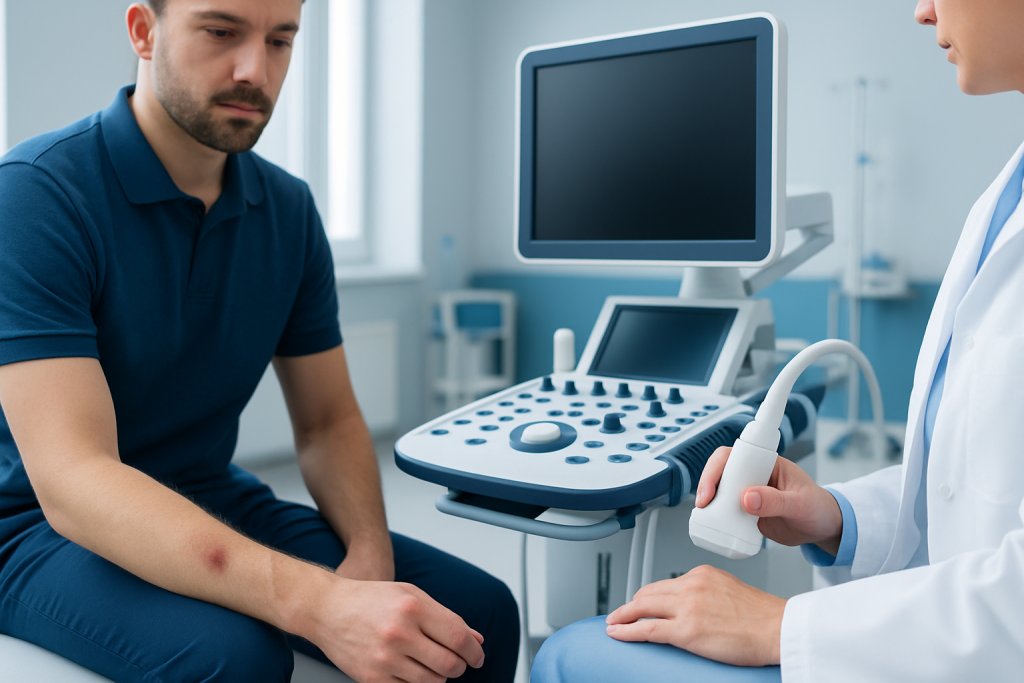
Brown recluse bites may not be felt right away. Some people notice only a mild stinging sensation at first, while others remember little or nothing about the actual bite. Over the next several hours, the area may become red, tender, itchy, or increasingly painful.
As the reaction evolves, a bite site can develop swelling, a blister, or a pale center surrounded by redness. In some cases, the skin in the middle becomes darker or takes on a bruised appearance. That change can worry patients, but the exact appearance varies, and not every suspected bite leads to tissue breakdown.
Less commonly, the body’s response extends beyond the skin. People may develop malaise, nausea, body aches, or fever. Any rapidly worsening symptoms, spreading redness, or pain that seems out of proportion to the visible skin change should prompt medical review.
- Early stinging or no noticeable pain
- Increasing redness and tenderness over hours
- Blistering or a pale center with surrounding redness
- Darkened, bruised, or ulcer-like skin changes
- Occasional fever, fatigue, or nausea
Causes & Risk Factors

The brown recluse spider injects venom when it bites, usually in self-defense. These spiders tend to hide in undisturbed spaces such as closets, storage boxes, wood piles, shoes, or bedding, which is why bites sometimes happen when a person puts on clothing or reaches into a dark area.
Risk is shaped more by environment and behavior than by medical background. People living in or traveling through areas where brown recluse spiders are more common may have a higher chance of exposure. However, even in those regions, many skin sores that look like spider bites are caused by other conditions such as bacterial skin infections, allergic reactions, or trauma.
Children, older adults, and people with diabetes, poor circulation, or weakened immune systems may need closer follow-up if a wound does not improve as expected. The concern is not that they are uniquely prone to a bite, but that healing problems and infection can be easier to miss.
Diagnosis
Diagnosis usually starts with the story: where the person was, when the skin change began, how fast it progressed, and whether the spider was actually seen. If a spider was not observed, clinicians often remain cautious about labeling the problem as a brown recluse bite, because many other wounds can mimic it.
A medical professional may examine the skin, check for signs of infection, and ask about fever, pain, travel, or recent injuries. In some cases, the wound may be photographed and followed over time so changes can be compared accurately. This is especially useful for patients who may be arranging care from another country and need clear documentation for follow-up.
Tests are not always required, but they may be used if there are signs of infection, systemic symptoms, or another diagnosis is being considered. The aim is to protect the patient from unnecessary treatment while making sure a serious skin or soft tissue problem is not overlooked.
Treatment Options
Most suspected brown recluse bites are managed with supportive care rather than complex procedures. Early cleaning with soap and water, a cool compress, elevation if the area is swollen, and simple pain relief measures are often part of the plan. Gentle wound care matters more than aggressive home remedies.
If the skin begins to break down or if infection is suspected, a clinician may recommend local wound management and closer observation. Antibiotics are not automatically needed for a spider bite; they are considered when there is clear evidence of bacterial infection. Likewise, steroids, antivenom, or surgery are not routine treatments and are reserved for selected situations.
Severe pain, a worsening ulcer, or signs of widespread illness may lead to more advanced care. The treatment goal is to support healing, control symptoms, and reduce the chance of complications while avoiding unnecessary interventions that can irritate the wound further.
- Clean the area gently with soap and water
- Use a cool compress rather than heat
- Keep the wound elevated if swelling is present
- Do not cut, squeeze, or try to “drain” the bite
- Follow medical instructions for dressings and follow-up visits
Prevention & Self-care
Prevention often comes down to simple habits around clothing, storage, and cleaning. Before putting on shoes, gloves, or garments that have been stored for a while, it is sensible to shake them out. Reducing clutter, sealing cracks, and being careful in garages, sheds, and closets can also lower the chance of an accidental encounter.
After a suspected bite, self-care should stay calm and practical. Photographing the area once or twice daily can help track whether redness is shrinking or expanding, especially if the patient may need to share updates with a doctor remotely. It is also wise to avoid home “treatments” that can injure the skin, such as razor blades, suction devices, or harsh chemicals.
Travelers should consider that access to urgent care may vary by location. If someone is far from home, keeping the wound clean, knowing where the nearest clinic is, and arranging timely reassessment if symptoms worsen can make follow-up much smoother.
When to See a Doctor
Medical evaluation is appropriate if the bite site becomes increasingly painful, redness continues to spread, or a blister or dark center develops. A clinician should also assess the wound if fever, chills, nausea, or general weakness appear, or if the person is unsure whether the problem is really a spider bite.
Prompt care is especially important when the affected person is very young, older, pregnant, immunocompromised, or has diabetes or another condition that may affect healing. A wound on the face, hand, near the eye, or over a joint also deserves attention because swelling and skin breakdown in those areas can interfere with function.
For patients traveling for care, an in-person assessment can help separate a minor local reaction from a wound that needs structured follow-up. At Acibadem Health Point, multidisciplinary specialists and JCI-accredited hospitals support diagnosis and treatment for international patients when a more detailed evaluation is needed.
Frequently asked questions
How can someone tell if a bite is from a brown recluse spider?
It is often difficult to know for certain unless the spider was actually seen and identified. Clinicians look at the timing, skin changes, symptoms, and whether other causes such as infection or another insect bite fit better.
Do all brown recluse bites cause tissue damage?
No, many suspected bites are mild and improve with basic care. Some do develop blistering or skin breakdown, but the severity can vary widely from person to person.
Should a suspected brown recluse bite be iced or heated?
A cool compress is generally preferred because it can help with pain and swelling. Heat is usually avoided, since it may irritate the skin and does not improve healing.
Are antibiotics always needed after a spider bite?
No, antibiotics are only used when a bacterial infection is suspected or confirmed. Many spider bites do not need antibiotics and improve with local care and observation.
Can a brown recluse bite heal on its own?
Yes, many do heal with time and supportive care. Even so, any worsening redness, pain, or wound opening should be checked by a doctor.
What should a person do if they are traveling and think they were bitten?
They should clean the area, take a photo, and arrange medical review if the wound worsens or symptoms spread. Keeping records of the skin changes can help a doctor assess the problem more accurately, even from another country.
References
- Centers for Disease Control and Prevention
- Mayo Clinic
- Merck Manual Consumer Version
- American Academy of Dermatology
This article is for general information only and is not a substitute for professional medical advice. Please consult a qualified doctor about your individual situation.
Persistent digestive symptoms? Get evaluated in Turkey
JCI-accredited · board-certified surgeons · reply within 24h
Add us as a Preferred Source to see more of our trusted health content across Google Search, AI Overviews and Discover.