Brown Recluse Bite: Symptoms, Causes and Treatment

Key Takeaways
- Many suspected spider bites are caused by other skin problems, so careful evaluation matters.
- Brown recluse bites may start with mild pain and later develop blistering, discoloration, or an open sore.
- First aid focuses on gentle cleaning, cooling the area, and watching for worsening symptoms.
- Medical care is important if pain increases, skin turns dark, fever develops, or the wound does not improve.
- Most treatment is supportive, with wound care and symptom relief tailored to the severity of the bite.
Medically reviewed by the Acıbadem clinical team — August 19, 2026
A brown recluse bite can cause a range of skin changes, from mild redness to a painful wound that may take time to heal. Most people do well with timely wound care and medical evaluation when symptoms suggest tissue injury or infection.
Overview
A brown recluse bite is often discussed as a dramatic skin injury, but the real picture is usually more practical: a person notices a suspicious bite, watches the area change over hours or days, and wonders whether it needs medical care. The brown recluse spider is found in limited regions, and not every painful or darkening sore is truly caused by one.
What makes this bite important is not just the initial puncture, but the possibility of local skin damage in the days that follow. Some bites heal with only minor irritation, while others develop a larger inflammatory reaction or a wound that needs careful cleaning and follow-up.
For international patients, the challenge is often deciding when a skin lesion is simple enough to monitor and when it should be assessed in person, especially if travel, packing, or returning home is part of the plan. A measured, early evaluation can prevent unnecessary worry and help identify wounds that need attentive care.
Symptoms and What the Bite May Look Like
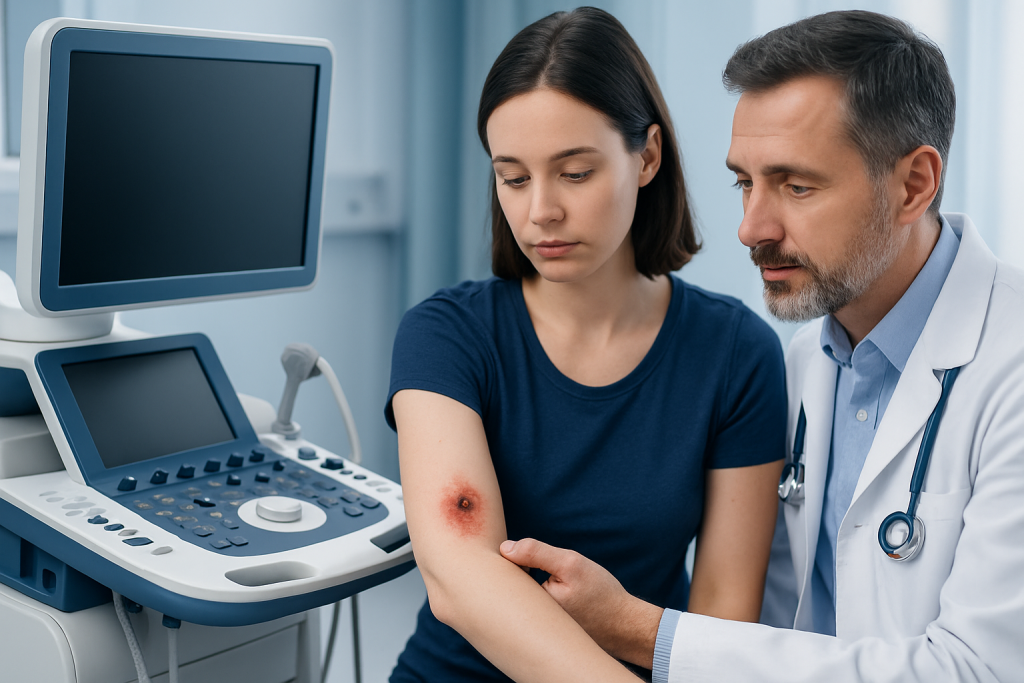
Early symptoms are often subtle. A person may feel a mild sting or no pain at first, then notice redness, swelling, or tenderness over the next several hours. Some bites are never clearly identified until a skin change develops later.
As the reaction progresses, the area may become more painful, blistered, or pale in the center with a darker ring around it. In some cases, the skin breaks down and forms an ulcer-like wound. A small number of people also experience fever, chills, nausea, headache, or feeling unwell, which can suggest a broader reaction or a complication that deserves attention.
It is also helpful to remember that many conditions can resemble a spider bite, including bacterial skin infections, allergic reactions, insect bites, and inflammatory skin disorders. A brown recluse bite should not be assumed simply because a sore looks unusual.
Causes and Risk Factors
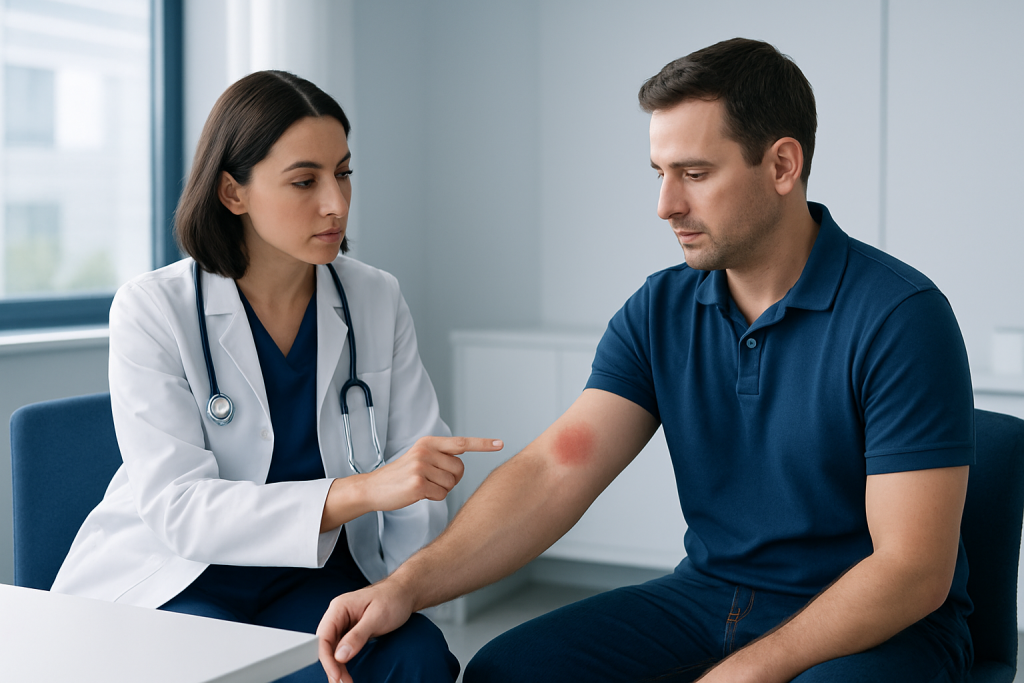
The brown recluse spider typically bites when it is pressed against skin, hidden in clothing, bedding, shoes, stored boxes, or undisturbed household items. The bite is defensive rather than aggressive, which is why many incidents happen during accidental contact.
People are more likely to encounter a spider bite when handling storage items, putting on clothing or shoes that have been left unused, cleaning garages, moving furniture, or sleeping in spaces where spiders may have hidden. Outdoor work and travel to regions where these spiders are present can also increase the chance of contact.
Not every apparent bite is caused by a spider, and this is especially true when the person did not see or capture the spider. In practice, the diagnosis is often based on the pattern of the skin lesion, the story of exposure, and the clinician’s assessment of other possible causes.
Diagnosis
Doctors usually begin with a careful history and skin examination. They may ask where the person was, when symptoms started, how the lesion has changed, and whether the spider was actually seen. This timeline matters, because brown recluse bites often evolve over time rather than appearing fully formed.
There is no simple routine test that confirms a brown recluse bite in most situations. Instead, clinicians look for features of the wound, signs of infection, and whether another diagnosis fits better. Sometimes a wound needs to be checked for bacterial infection, abscess, or a different cause of tissue injury.
If symptoms are severe or spreading, additional testing may be used to rule out complications or guide treatment. The main goal is not to label every sore as a spider bite, but to make sure the right problem is identified and managed safely.
Treatment Options
Treatment is guided by the severity of the bite. For a mild reaction, care may focus on cleaning the area, reducing swelling, and protecting the skin. A cool compress can be soothing, and the wound should be kept clean and watched for change.
If the skin is breaking down or the wound is painful, a doctor may recommend more structured wound care, Sciatica Pain Relief: Treatments and Self-Care" class="ahp-ilk">pain relief, and follow-up visits to monitor healing. Antibiotics are not always needed unless there is evidence of infection. In selected cases, clinicians may decide to involve specialists such as dermatology or wound care teams.
People should avoid trying to cut, squeeze, or treat the area aggressively at home. Unproven remedies can delay healing or worsen tissue irritation. The safest approach is usually calm observation paired with prompt assessment if the wound enlarges, becomes dark, or begins to drain.
Prevention and Self-care
Prevention starts with reducing surprise contact. Stored clothing, shoes, and bedding should be checked before use in areas where spiders may hide. When cleaning less-used spaces, gloves and careful handling of boxes and fabric items can lower risk.
At home or while traveling, it helps to shake out clothing and shoes, keep storage areas tidy, and seal gaps where insects and spiders may enter. People who are staying in unfamiliar accommodation can also use the simple habit of inspecting beds, towels, and seldom-used items before settling in.
For self-care after a possible bite, gentle washing with soap and water, a cool compress, and elevation of the area if swollen are reasonable first steps. The lesion should be monitored daily, ideally with a photo taken at the same distance and lighting, so changes are easier to notice.
- Do not apply heat directly to the wound.
- Do not pop blisters or pick at scabs.
- Do not assume a worsening sore is harmless just because it started small.
- Keep tetanus vaccination up to date as advised by a clinician.
When to See a Doctor
Medical evaluation is wise if the bite becomes increasingly painful, swollen, or discolored, especially if the center turns pale, blue, gray, or black. A doctor should also be contacted if the wound opens, drains, or seems to spread beyond the original area.
Other reasons to seek care include fever, chills, nausea, muscle aches, dark urine, dizziness, or a rapidly worsening sense of illness. These are not expected from a simple skin irritation and deserve prompt assessment. Children, older adults, and people with weakened immune systems may need earlier evaluation.
If someone is traveling or far from home, seeking care early can simplify follow-up and wound monitoring, rather than waiting until the lesion becomes harder to manage. Acibadem Health Point’s multidisciplinary specialists and JCI-accredited hospitals can help diagnose and treat this condition for international patients, with coordinated assessment and follow-up when needed.
Frequently asked questions
How can someone tell if it is really a brown recluse bite?
That can be difficult, because many skin problems look similar. A true diagnosis usually depends on exposure history, the wound’s evolution, and a clinician’s assessment rather than appearance alone.
What should be done first after a suspected brown recluse bite?
The area should be gently washed with soap and water, then cooled with a clean compress. It is best to avoid squeezing, cutting, or using harsh home treatments.
Does every brown recluse bite cause skin death?
No. Many suspected bites are mild, and even true bites do not always lead to significant tissue injury. The reaction can range from minor irritation to a wound that needs careful follow-up.
Should antibiotics be taken for a spider bite?
Not automatically. Antibiotics are usually considered only if there are signs of infection or a doctor thinks they are needed for another reason.
How long does recovery usually take?
Recovery varies with the size and depth of the skin injury. Mild reactions may improve over days, while wounds with tissue damage can take much longer and may need ongoing care.
Can a brown recluse bite be treated at home?
A mild, clearly improving bite may be managed with basic self-care and observation. If the wound worsens, becomes dark, or causes general illness, medical evaluation is important.
References
- Centers for Disease Control and Prevention
- American Academy of Dermatology
- Merck Manual Professional Edition
- Mayo Clinic
This article is for general information only and is not a substitute for professional medical advice. Please consult a qualified doctor about your individual situation.
Explore treatments in Turkey — costs, top hospitals & a free quote
JCI-accredited · board-certified surgeons · reply within 24h
Add us as a Preferred Source to see more of our trusted health content across Google Search, AI Overviews and Discover.