Spider Bite Symptoms

Key Takeaways
- Most spider bites cause mild, local symptoms such as redness, itching, or a small bump.
- Pain that spreads, blistering, fever, or muscle cramps may suggest a more significant reaction and should be assessed.
- A bite can be mistaken for another insect bite, a skin infection, or an allergic reaction, so observation matters.
- Simple first aid includes washing the area, using a cool compress, and avoiding squeezing or scratching the bite.
- People traveling abroad should know when to seek urgent medical help, especially if the spider is unknown or symptoms are progressing.
Spider bites are often harmless, but the symptoms can range from a small itchy mark to more serious pain, swelling, or whole-body reactions. Understanding what to look for helps people respond calmly and seek care when needed.
Overview
Spider bites often draw more concern than they deserve, but the symptom pattern is worth paying attention to. Many bites are not even noticed at the moment they happen, and the skin changes may look like any small insect bite at first.
For most people, the reaction stays local: a little redness, itching, or tenderness around one spot. In a smaller number of cases, however, symptoms can become more noticeable, especially if the spider was venomous or if the skin reaction is being complicated by infection or an allergic response.
For international patients, the first question is often not just “Was it a spider?” but “Is this getting worse, and do I need to be seen now?” That is the right question. The answer depends on the symptoms, how fast they are changing, and whether the person feels unwell in general.
Symptoms
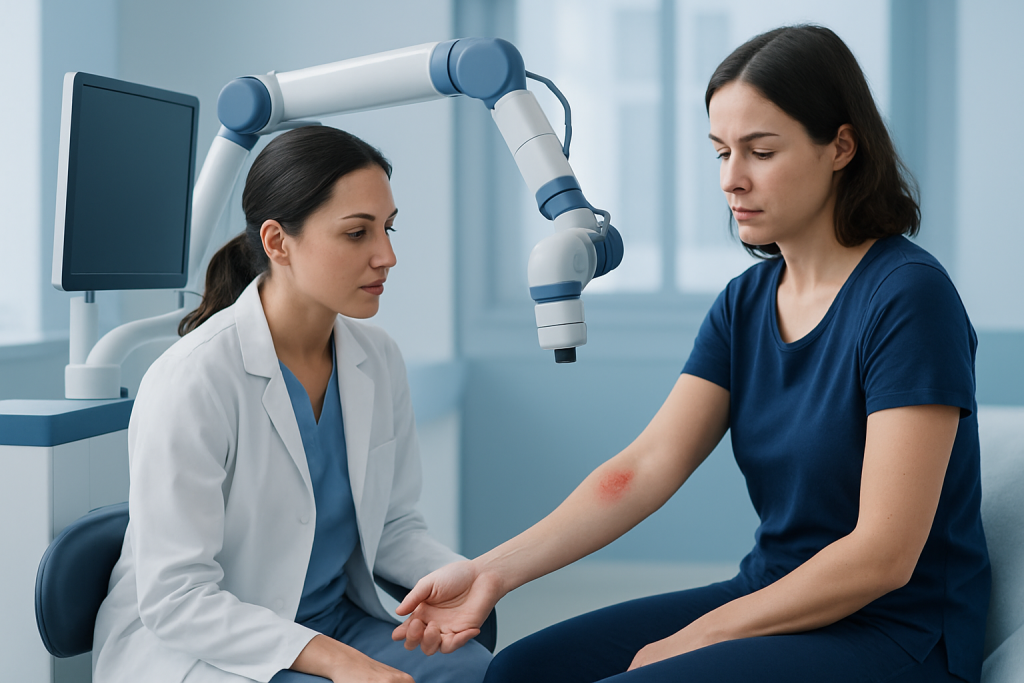
Typical spider bite symptoms are usually limited to the skin and nearby tissue. A small red or white bump may appear, sometimes with itching, mild burning, or brief stinging. Some bites leave two tiny puncture marks, although these are not always easy to see.
When the reaction is stronger, the area may become more painful, swollen, warm, or firm. Some people notice a blister, a darker center, or skin that becomes increasingly tender over several hours. The discomfort may stay in one place or seem to spread slightly around the bite.
Symptoms that deserve more attention include:
- Rapidly increasing pain or swelling
- Blistering or a darkening wound center
- Muscle cramps, nausea, sweating, headache, or dizziness
- Fever or feeling generally unwell
- Hives, facial swelling, wheezing, or trouble breathing
It is also possible for a person to think they have a spider bite when the cause is actually a skin infection, contact irritation, or another insect bite. That is why the symptom pattern, not only the appearance, matters.
Causes & Risk Factors
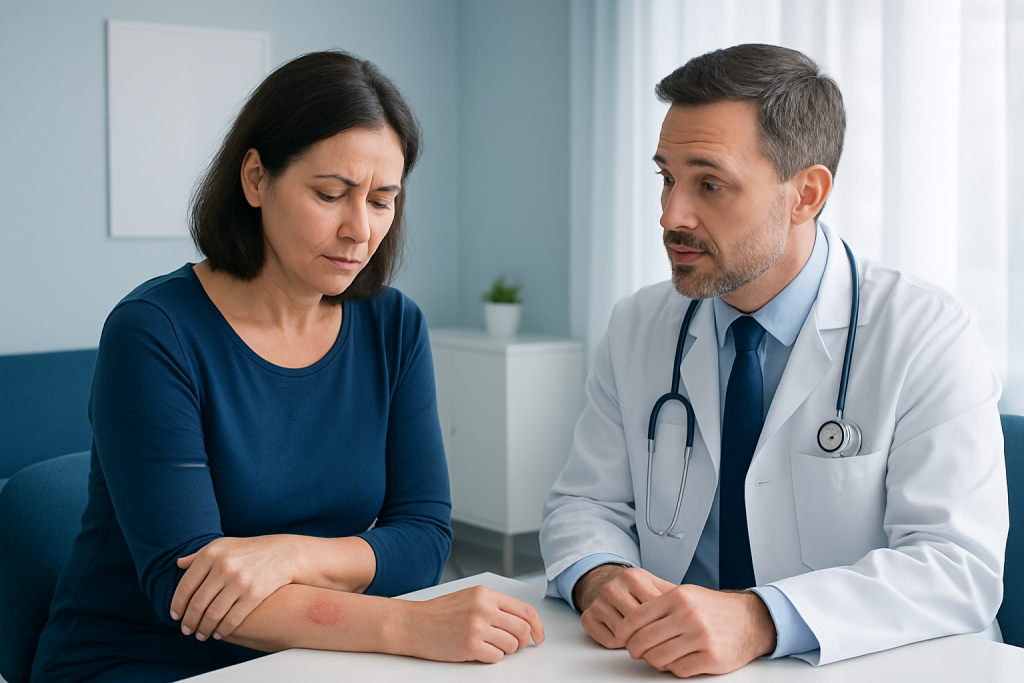
Spiders bite mainly in self-defense when they are pressed against skin, trapped in clothing, shoes, bedding, or storage areas. People cleaning, gardening, unpacking luggage, or reaching into dark spaces are more likely to come into contact with one without noticing.
Not every spider bite leads to a significant reaction. Many spiders have fangs that are too small to break human skin effectively, and even when a bite occurs, the amount of venom may be limited. Still, some species can produce stronger local or whole-body symptoms, depending on the spider and the person’s sensitivity.
Risk of more troublesome symptoms may be higher when a bite happens on delicate skin, when the person delays cleaning the area, or when scratching introduces bacteria. Children, older adults, and people with weakened immune systems may also need closer observation because their symptoms can progress differently.
Diagnosis
Doctors usually diagnose a spider bite by combining the symptom story with the appearance of the skin and the timing of the reaction. If the spider was seen, that information helps, but it is rarely required for diagnosis.
A careful evaluation is important because many conditions can resemble a spider bite. These include bacterial skin infections, allergic reactions, shingles, eczema flare-ups, and other insect bites or stings. If the area is painful, enlarging, or forming a blister, a clinician may want to examine it in person rather than relying on photos alone.
In some cases, especially if the person has fever, cramping, vomiting, or signs of a spreading infection, additional tests may be recommended. These may help check for inflammation, infection, or other causes of the symptoms. International patients should keep travel details in mind, since exposure history can shape what the doctor considers first.
Treatment Options
Treatment depends on the severity of the symptoms. For a mild bite, home care may be enough: gently wash the area with soap and water, apply a cool compress, and avoid scratching. Keeping the bite clean and protected can reduce the chance of skin irritation or infection.
If the bite is painful, swollen, or appears to be worsening, a doctor may recommend symptom-relief measures and close observation. More serious bites can require wound care, treatment for infection if it develops, or medicines to ease muscle symptoms or allergic reactions. Tetanus protection may also be reviewed if the skin has been broken.
Severe reactions are treated according to the symptoms present, not by the label “spider bite” alone. That may include urgent care for breathing problems, swelling of the face or throat, or significant systemic symptoms. In a travel setting, it is often safest to seek medical review early if the diagnosis is uncertain and symptoms are not settling.
Prevention & Self-care
Prevention begins with simple habits that reduce the chance of accidental contact. Shake out shoes, clothing, and bedding before use, and be careful when reaching into boxes, woodpiles, closets, or outdoor storage spaces. Gloves can be helpful during cleaning or gardening.
For self-care after a minor bite, the goal is calm observation. Clean the area, use a cool compress, and avoid squeezing, cutting, or applying unproven home remedies. Marking the edge of redness with a pen can help a person notice whether swelling is spreading.
Travelers can benefit from packing a basic first-aid kit and knowing where local urgent care is available. If someone is away from home and the bite is changing quickly, a local clinician should assess it rather than waiting until a return flight or long journey home.
- Do not scratch the bite
- Keep the skin clean and dry
- Watch for expanding redness or pain
- Seek care sooner if symptoms progress
When to See a Doctor
Medical attention is sensible when a bite is becoming more painful, more swollen, or more red over time. It is also important if there is pus, a fever, a blister, a dark center, or pain that seems out of proportion to the skin findings.
Urgent care is needed if the person has trouble breathing, throat tightness, faintness, widespread hives, severe muscle cramps, chest symptoms, or vomiting. These signs can point to a significant allergic or venom-related reaction and should not be monitored at home.
People who are pregnant, immunocompromised, very young, or older may want a lower threshold for evaluation. Acibadem Health Point’s multidisciplinary specialists and JCI-accredited hospitals can diagnose and treat spider bite symptoms for international patients who need coordinated care while abroad.
When in doubt, a qualified doctor can help distinguish a true spider bite from a look-alike condition and guide the safest next step. That reassurance is often useful, especially when symptoms are being watched from another country or time zone.
References
Authoritative sources such as the Centers for Disease Control and Prevention, the Merck Manual, and Cleveland Clinic provide practical guidance on insect and spider bite assessment. General toxicology and emergency care references also help clinicians separate mild skin reactions from more serious systemic symptoms.
Because local spider species differ by region, the best advice is always symptom-based and individualized. If the wound is changing or the person feels unwell, an in-person medical assessment remains the most reliable way to decide on treatment.
Frequently asked questions
What do common spider bite symptoms look like?
Common symptoms are usually mild and local, such as redness, itching, a small bump, or brief pain at the site. Some people notice slight swelling or tenderness around the area. These symptoms often improve with simple care and observation.
How can someone tell a spider bite from a skin infection?
It can be difficult because both can look similar early on. A skin infection is more likely if redness keeps expanding, the area becomes hot and increasingly painful, or pus develops. If the picture is unclear, a doctor can examine the area and decide whether treatment is needed.
Are all spider bites dangerous?
No, most are not dangerous and cause only mild symptoms. The main concern is whether the person develops worsening pain, blistering, or whole-body symptoms such as cramps, fever, or breathing changes. Those situations should be assessed promptly.
What should someone do right after a suspected spider bite?
They should wash the area with soap and water, apply a cool compress, and avoid scratching or squeezing it. It helps to watch the bite over the next several hours for any change in size, redness, or pain. If symptoms are progressing, medical advice is appropriate.
When is a spider bite an emergency?
It is an emergency if there is difficulty breathing, swelling of the face or throat, fainting, widespread hives, severe cramping, or vomiting. These symptoms may signal a serious allergic or venom-related reaction. Immediate medical care is the safest choice.
Do international travelers need special precautions after a spider bite?
Yes, mainly because the spider species and local care options may differ from home. Travelers should seek assessment sooner if the bite is worsening, the spider is unknown, or they are far from follow-up care. Clear documentation of the timing and symptoms can help the doctor make a better assessment.
References
- Centers for Disease Control and Prevention
- Merck Manual Professional Edition
- Cleveland Clinic
- Mayo Clinic
This article is for general information only and is not a substitute for professional medical advice. Please consult a qualified doctor about your individual situation.